The Tokyo Metropolitan Museum of Photography (TOP Museum) has once again positioned itself at the cutting edge of contemporary visual discourse with the launch of its critically acclaimed exhibition, "New Directions in Japanese Photography Vol. 23." Running from January 17, 2027, through the winter season, this landmark installation marks the 23rd installment of a legendary series that has historically charted the shifting paradigms of photographic art in Japan since 2002.
Volume 23 arrives at a watershed moment for the medium. As artificial intelligence (AI) generation engines, 3D computer-generated graphics (3DCG), and advanced algorithmic rendering blur the lines between objective documentation and synthetic fabrication, contemporary image-makers are forced to redefine the very ontology of the photograph. This year’s exhibition curates the works of five distinct artists and collaborative units—Sayuri Ichida, Zai Nomura, Baku Hashimoto, and Asako Fujikura—each interrogating how we capture, manipulate, trust, and consume images in a hyper-digitized society.
By examining the friction between human intent and machine-learning autonomy, the exhibition acts as a cultural mirror. It does not merely present photographs; it deconstructs the photographic apparatus itself, questioning the reliability of vision, the architecture of memory, and the future of creative authorship in an age where seeing is no longer believing.
Detailed Chronology: The Evolution of "New Directions"
To understand the weight of Vol. 23, one must contextualize the lineage of the "New Directions in Japanese Photography" series. Initiated in 2002, the program was designed to capture the vanguard of Japan’s photographic community—identifying emerging and mid-career artists who challenge prevailing aesthetic dogmas, push technical envelopes, and introduce fresh thematic vocabularies to the gallery space. Over two decades, the series has served as an incubator for photographers who later went on to define global contemporary art trends.
The Trajectory to Vol. 23
Early 2000s–2010s: The series primarily focused on the digital transition, moving away from traditional analog darkrooms toward early consumer digital sensors, post-processing manipulation, and raw, diaristic snapshots of urban alienation.
Late 2010s: A greater emphasis was placed on conceptual photography, archival resurrection, and the re-contextualization of historical imagery in the face of burgeoning social media platforms.
2027 (Vol. 23): The focus pivots dramatically toward synthetic reality. For the first time in the exhibition’s history, the featured works actively integrate algorithmic image generation, machine learning models, and 3DCG not merely as tools, but as primary conceptual subjects.
The exhibition unfolds across the museum’s dedicated galleries, pairing stark visual pieces with exhaustive artist talks, symposiums, and comprehensive documentation catalogs designed to bridge the gap between academic theory and public engagement.
Supporting Context & Metrics: The Participating Visionaries
Volume 23 features a meticulously curated roster of artists whose methodologies span physical sculpture, digital archiving, algorithmic simulation, and generative AI. Below is an exhaustive breakdown of the featured practitioners and their contributions to the exhibition.
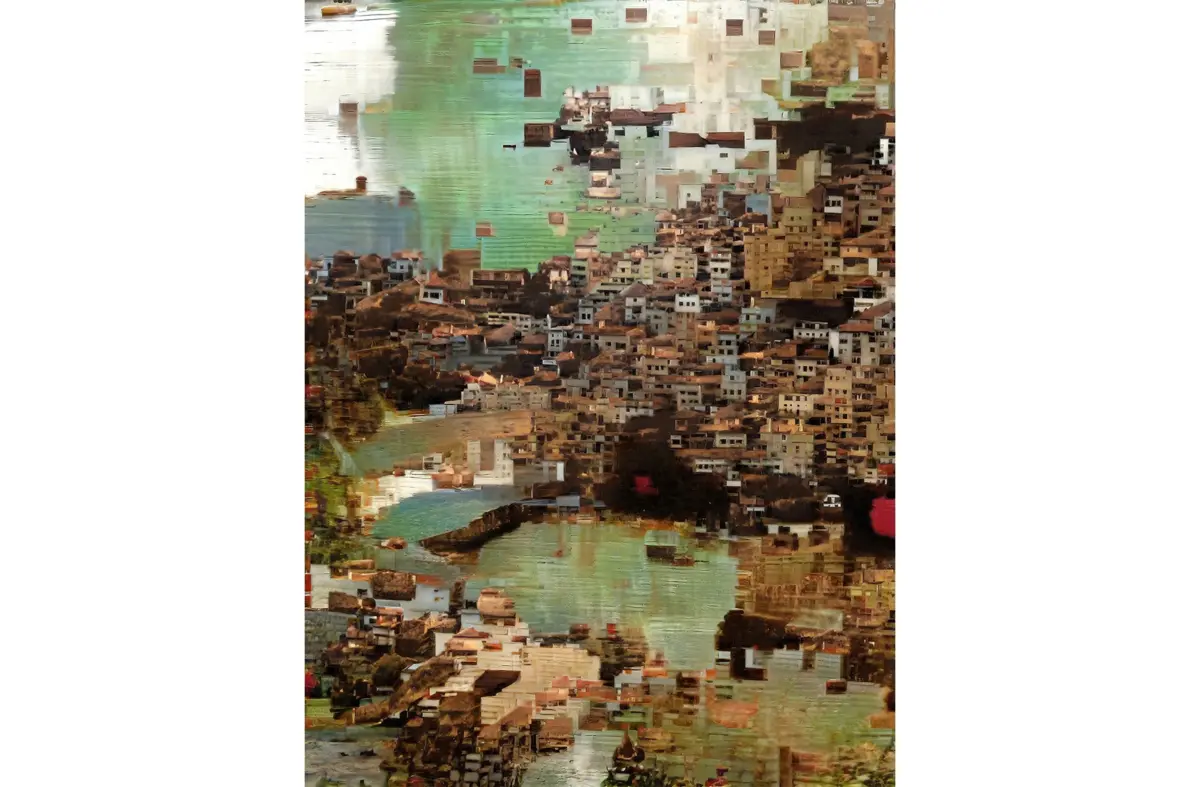
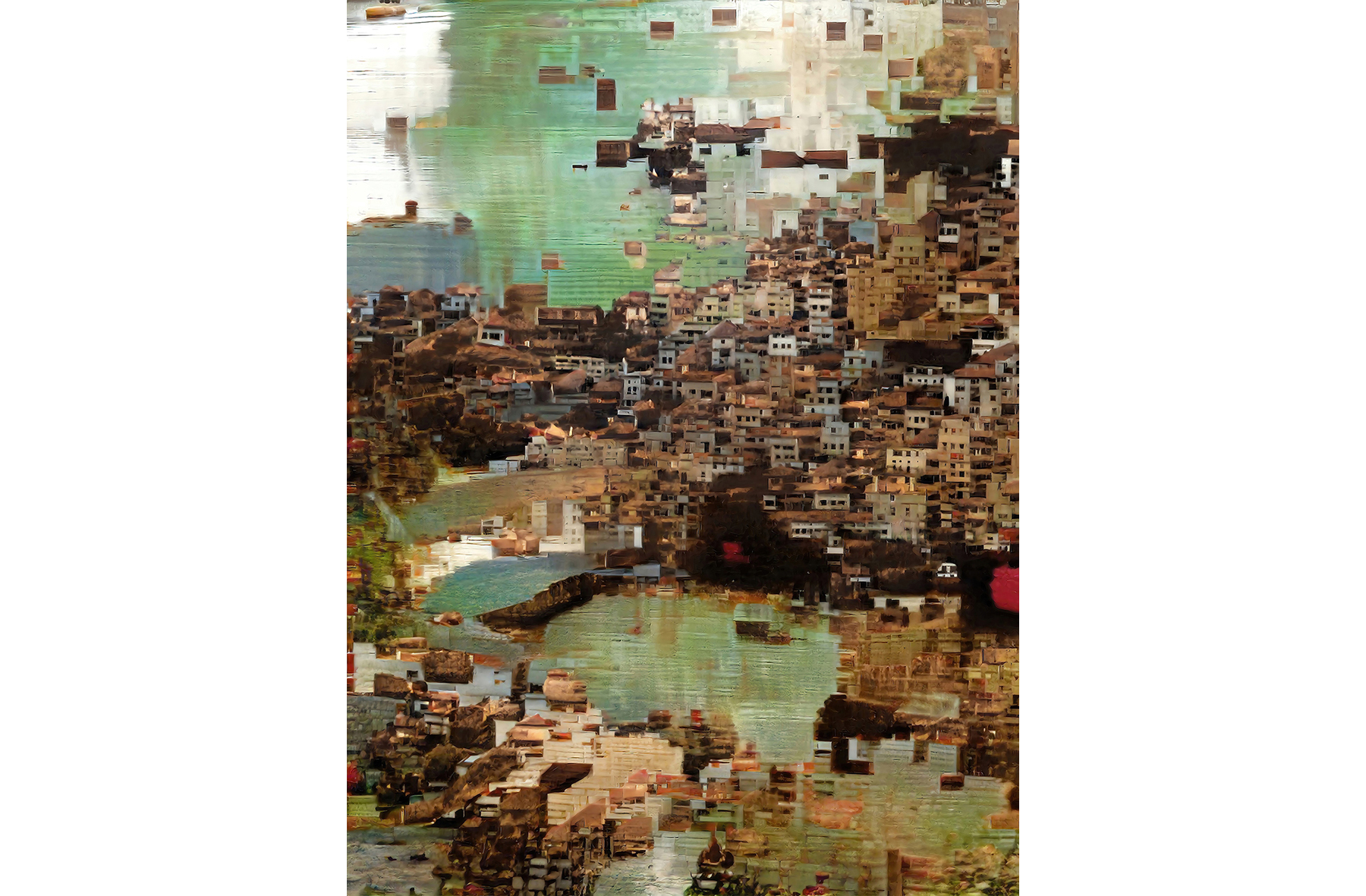
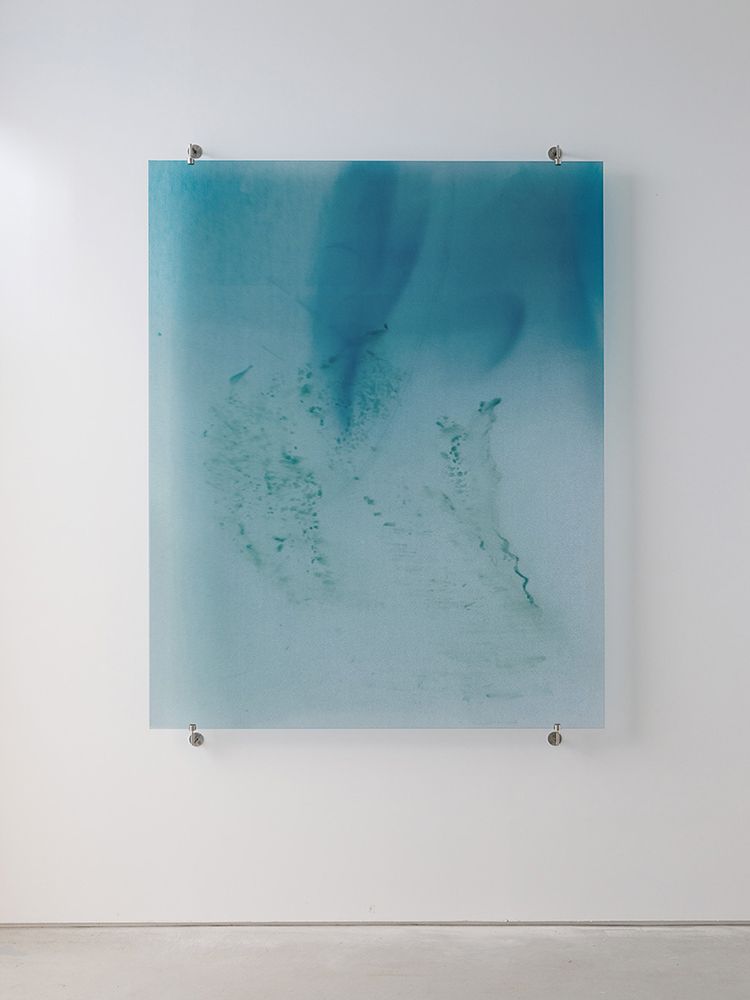
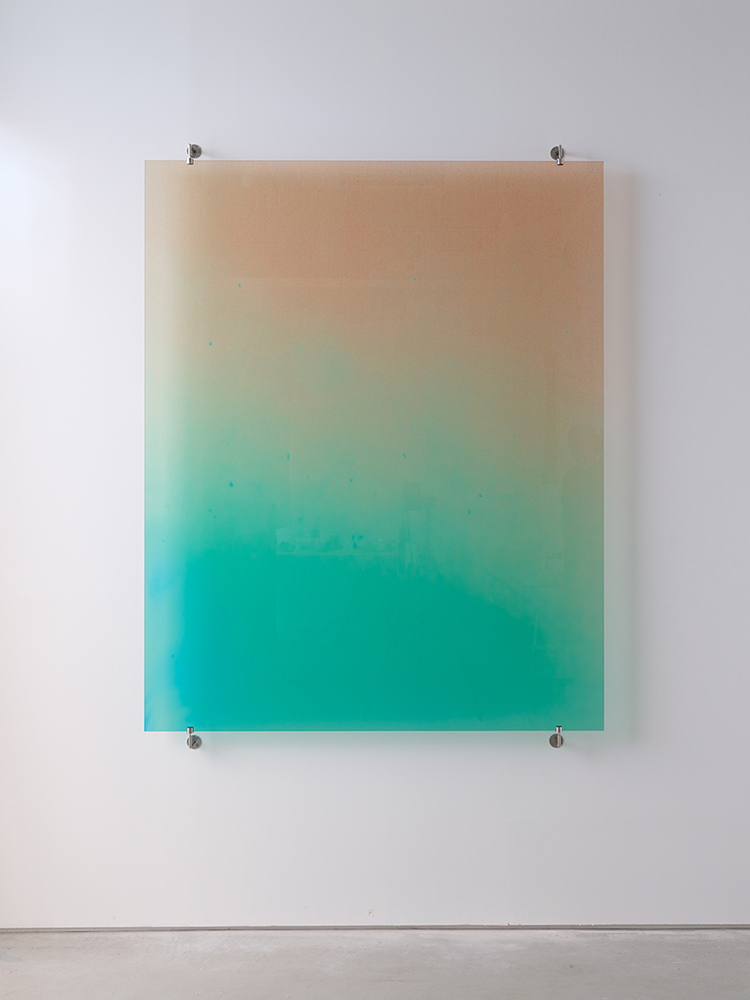
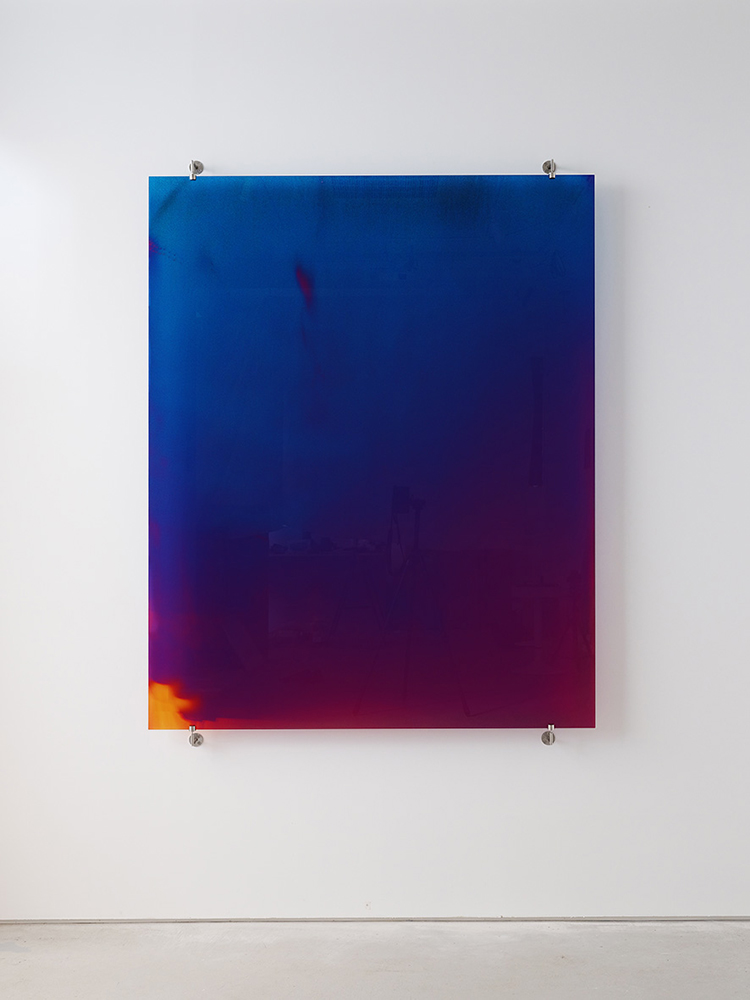
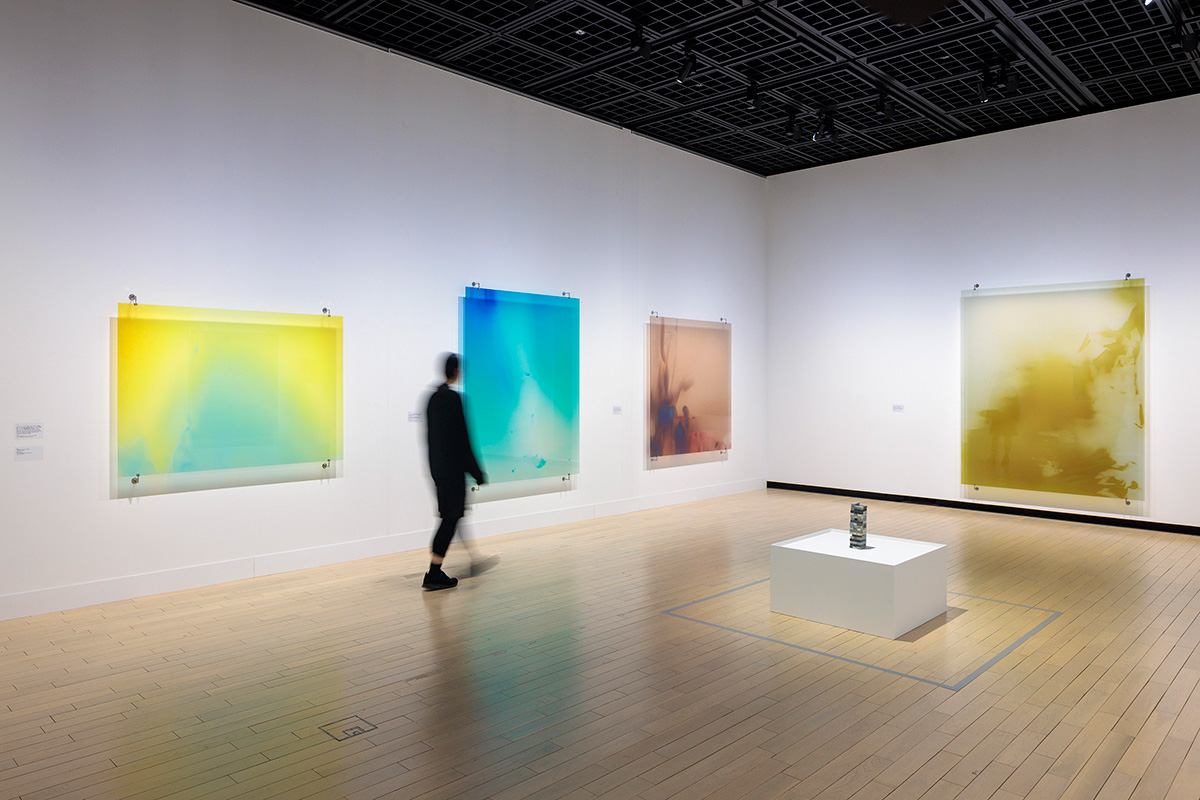
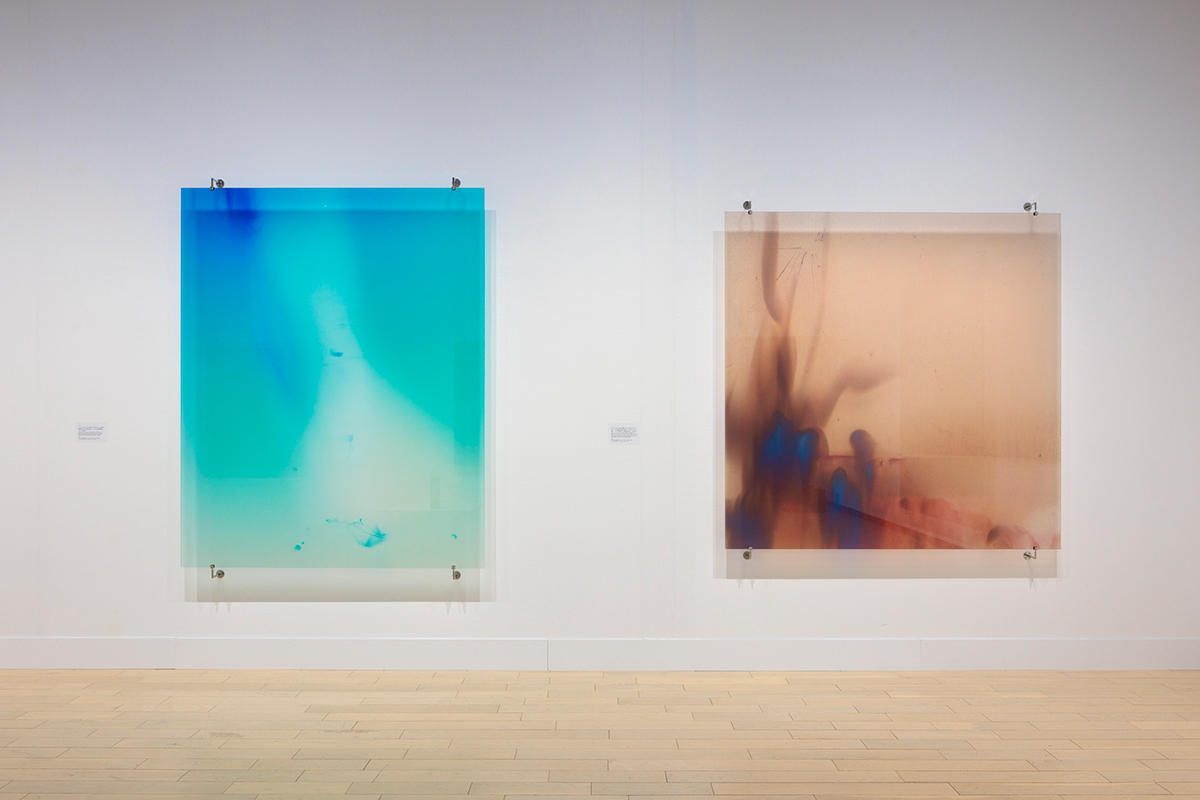
Sayuri Ichida’s work investigates the uncanny valley of human identity, memory retention, and the physical degradation of photographic media. Originally commissioned through the prestigious Jerwood/Photoworks Awards—with foundational support from the Jerwood Foundation, Photoworks, and Arts Council England—Ichida’s series (such as KÅseki #009 and #001) confronts the viewer with fragmented, deeply textural portraits.
Thematic Focus: Ichida explores how photographs act as failing repositories of human memory. By manipulating the physical surface of the print and integrating digital artifacts, her portraits challenge the viewer to recognize the subject beneath layers of algorithmic and physical decay.
Technical Execution: Utilizing UV-cured printing techniques combined with meticulous physical interventions, Ichida’s works dismantle the pristine surface traditionally associated with contemporary digital photography.
2. Zai Nomura: The Archival Spectacle
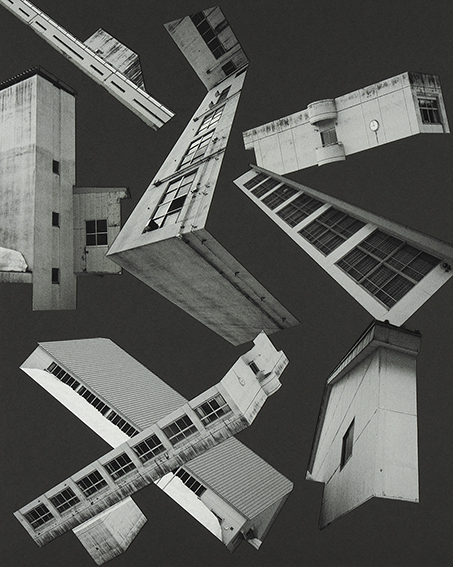
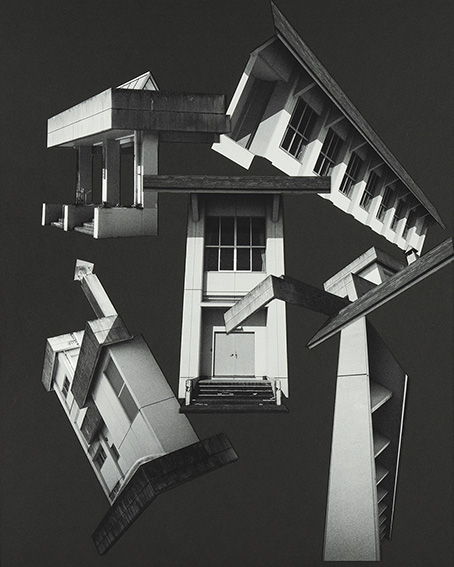
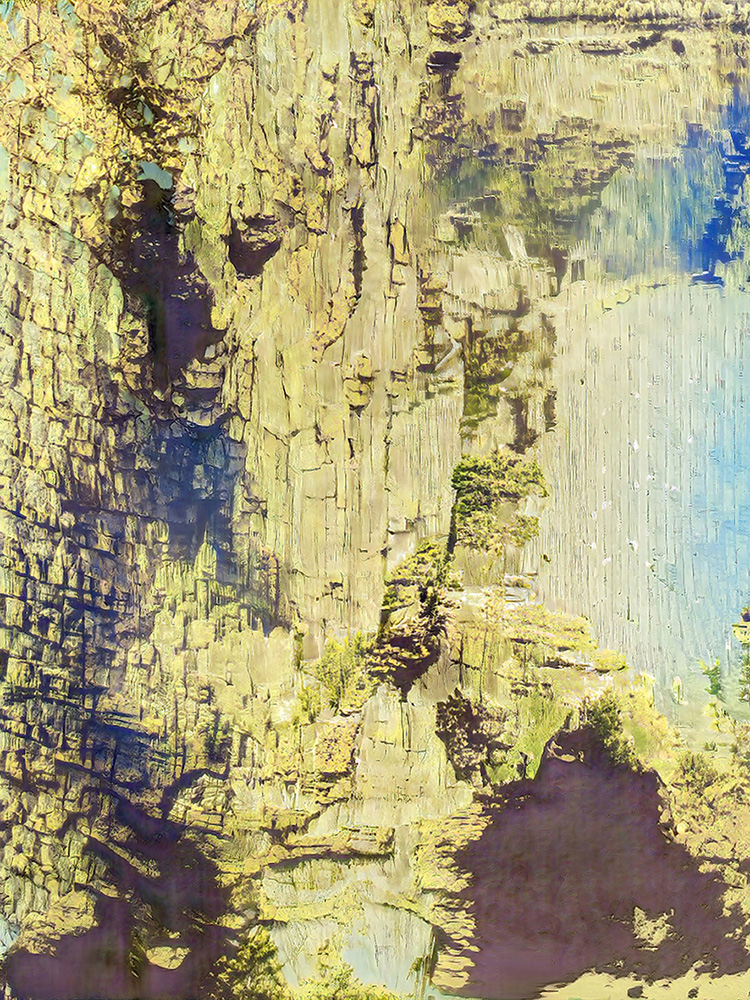
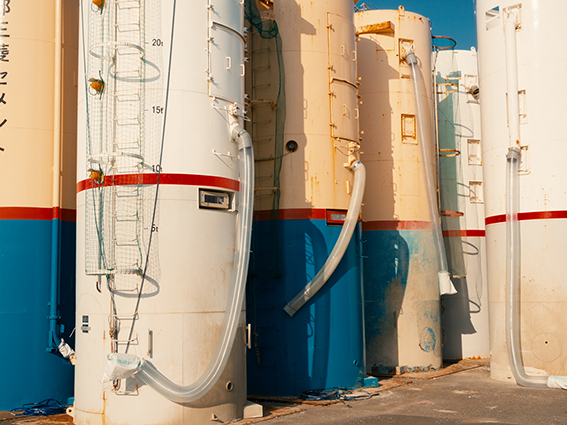
Zai Nomura’s body of work reads as an archaeological dig through contemporary visual culture. Born in 1981, Nomura focuses on urban infrastructure, industrial detritus, and the overlooked architectures of modern cities.
Thematic Focus: Nomura questions the evidentiary weight of the photograph. By capturing spaces that feel simultaneously mundane and hyper-surreal, the artist highlights how infrastructure dictates human behavior.
Technical Execution: Employing large-format UV-curated pigment prints, Nomura captures minute details in decaying urban landscapes, elevating industrial waste to the status of classical monumentality.
3. Baku Hashimoto: Milling Stop-Motion and Algorithmic Realities
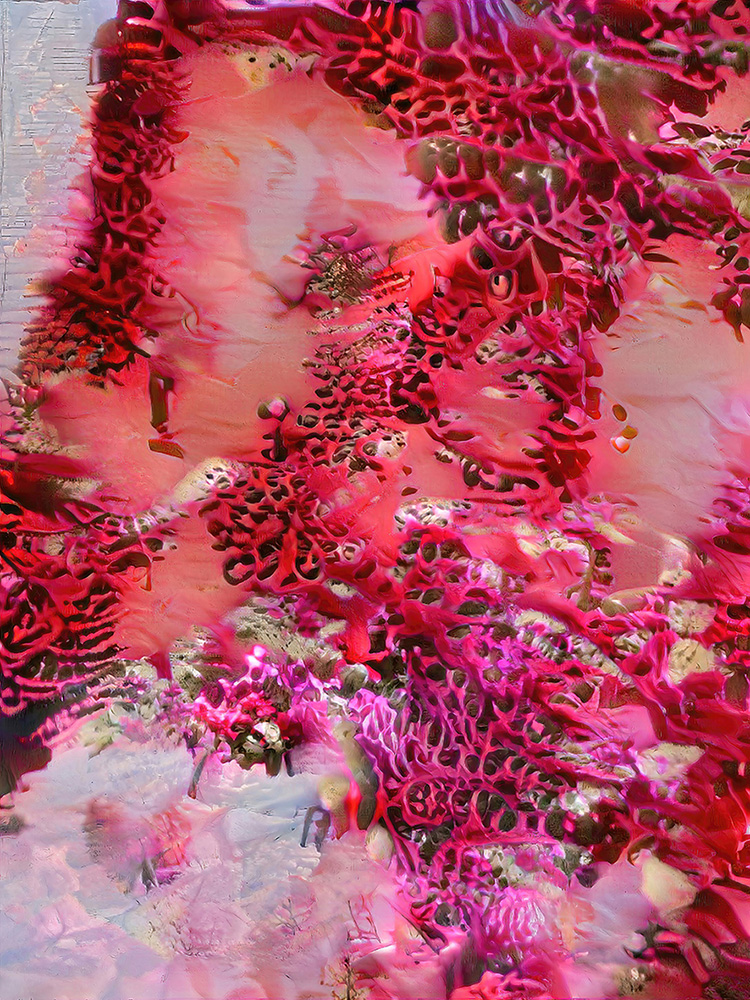
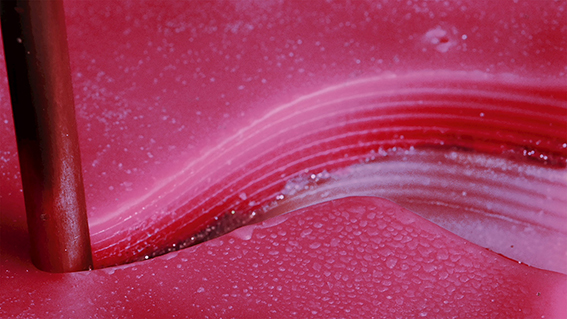
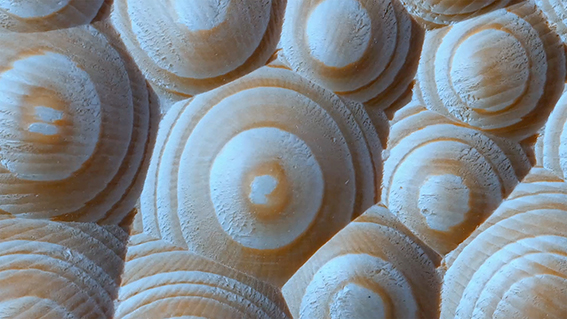
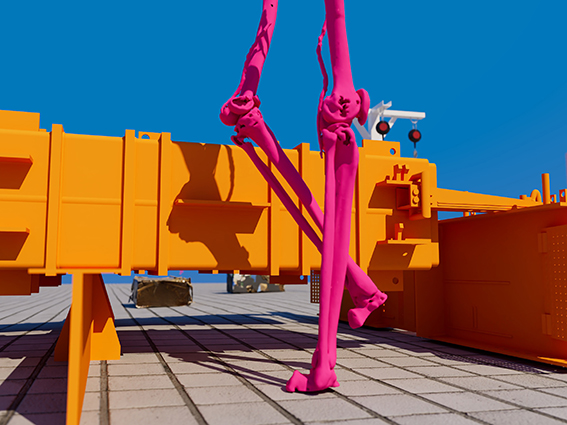
Baku Hashimoto represents the vanguard of digital hybrid art. In works such as Milling Stop-Motion (tentative title) (2024–present), Hashimoto utilizes 3DCG, physics simulations, and generative software to manufacture realities that could never exist in the physical world.
Thematic Focus: Hashimoto probes the boundary between physical motion and digital rendering. By simulating the tactile friction of milling machines and stop-motion animation through pure code, the artist forces viewers to question what constitutes "authentic" movement.
Technical Execution: A seamless fusion of software-based procedural generation and meticulous frame-by-frame digital sculpting, resulting in looping installations that hypnotize the viewer.
4. Asako Fujikura: Constructing Open Futures
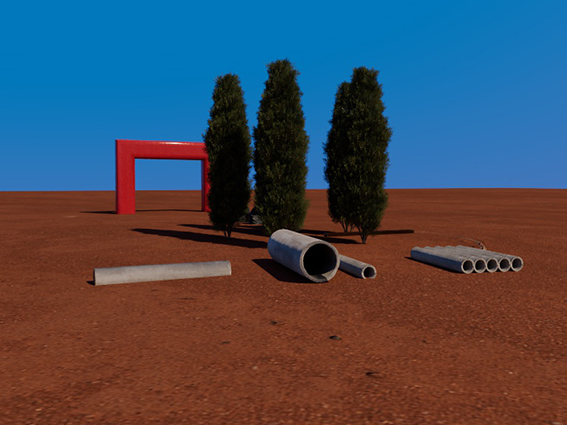
Asako Fujikura rounds out the exhibition with works like 4 Tales of Open Sunrise City (tentative title) (2026). Fujikura’s digital environments construct sprawling, utopian, yet deeply unsettling architectural landscapes using advanced rendering software.
Thematic Focus: Fujikura’s environments address urban sprawl, climate futures, and the virtualization of public space. Her virtual cities feel lived-in yet utterly alien, acting as cautionary tales for the Anthropocene.
Technical Execution: Utilizing high-end architectural visualization software combined with game-engine rendering techniques, Fujikura creates immersive digital dioramas that bridge the gap between fine art photography and interactive media.
Official Statements & Curatorial Vision
The curatorial team behind "New Directions in Japanese Photography Vol. 23" issued an extensive manifesto detailing the rationale behind this year’s selection. The curators noted:
"We are living through a profound epistemological shift. For over a century and a half, the photograph was tethered to the indexical—it was proof that light had reflected off a real object and struck a sensitized surface. Today, that tether has snapped. With the proliferation of generative AI and complex 3DCG modeling, we can manufacture hyper-realistic images of events that never occurred. Vol. 23 does not lament this loss of innocence; rather, it celebrates the artists who are boldly mapping this new, synthetic wilderness."
The museum administration emphasized that the exhibition aims to foster critical literacy among visitors. In an era dominated by deepfakes and algorithmic feeds, understanding how images are constructed, manipulated, and weaponized is no longer a niche aesthetic concern—it is a vital civic competency.
Exhibition Metrics & Practical Information
For researchers, collectors, and enthusiasts planning to visit the TOP Museum, the following schedule and structural details apply:
Exhibition New Directions in Japanese Photography Vol. 23
Venue: Tokyo Metropolitan Museum of Photography (3rd Floor Exhibition Galleries)
Dates: January 17, 2027 – (Continuing through winter/spring seasons)
Admission Fees:
Adults: ¥190 (Discounted rates apply for students, seniors, and groups; advance reservations recommended via the official museum portal).
Special Event Programming & Artist Talks:
October 18, 2026 (14:00–15:30): Zai Nomura in conversation with guest curators and technical critics.
November 1, 2026 (14:00–15:30): Sayuri Ichida discussing portraiture and physical decay in the digital age.
December 13, 2026 (14:00–15:30): Baku Hashimoto exploring the intersection of 3DCG and motion.
January 10, 2027 (14:00–15:30): Asako Fujikura addressing virtual urbanism and algorithmic futures.
Future Outlook: The Post-Photographic Horizon
As "New Directions in Japanese Photography Vol. 23" demonstrates, photography as a purely mechanical recording device is dead. In its place has risen a multifaceted, highly hybrid medium where the camera is just one node in a vast network of computational tools.
The questions raised by Ichida, Nomura, Hashimoto, and Fujikura will reverberate far beyond the walls of the Tokyo Metropolitan Museum of Photography. They challenge us to consider: If an AI can generate a photograph that evokes profound human grief, does the absence of a human lens diminish its emotional validity? And as our cities, memories, and identities become increasingly mediated by algorithms, how will future generations document the truth of their existence?
The answer, as suggested by this landmark exhibition, lies not in retreating to analog purism, but in embracing the complexity of the synthetic age with rigorous critical inquiry and unbridled creative vision.











Belum ada komentar. Jadilah yang pertama berkomentar!