

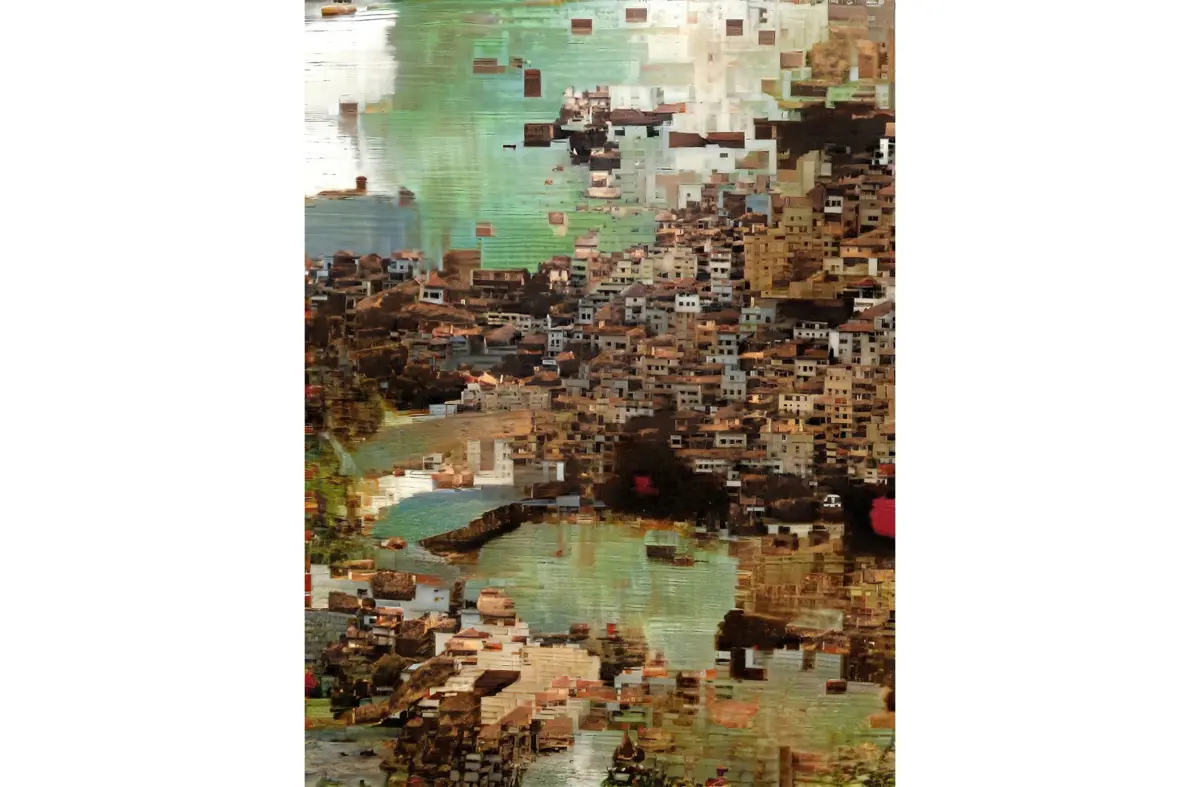
Executive Overview
The Tokyo Photographic Art Museum (TOP Museum) has officially launched its highly anticipated exhibition series, "Top Collection: Vol. 23," running from January 17 through March 30, 2027. Established in 2002 as Japan’s premier national institution dedicated entirely to the medium of photography and moving images, the museum continues its decades-long tradition of curating profound, critically acclaimed explorations into visual culture.
Vol. 23 arrives at a crucial historical juncture for visual arts. As artificial intelligence (AI), three-dimensional computer graphics (3DCG), and advanced computational rendering fundamentally alter how images are created, consumed, and authenticated, the exhibition asks urgent foundational questions: What is a photograph in the modern age? How do mechanical reproduction, algorithmic intervention, and synthetic generation redefine our relationship with reality?
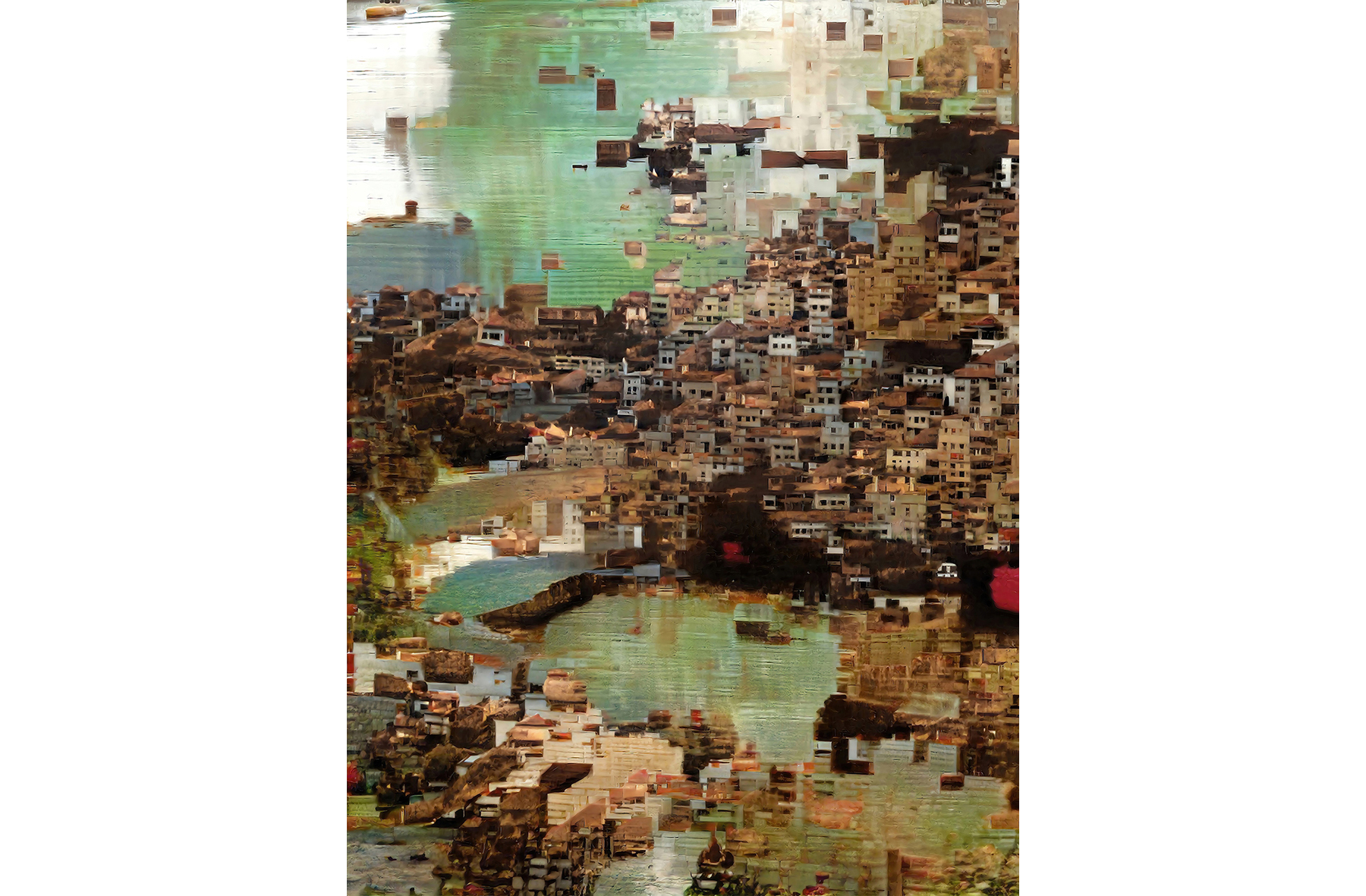
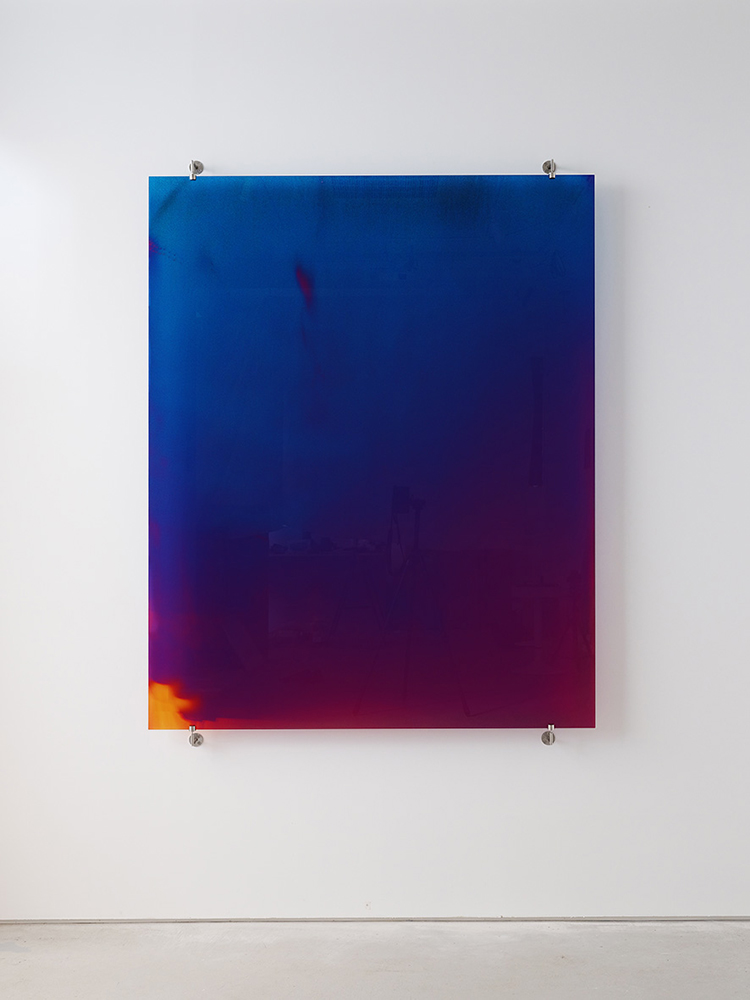
Spanning multiple galleries and featuring works by a diverse lineup of visionary contemporary artists—including Sayuri Ichida, Zai Nomura, Baku Hashimoto, and Asako Fujikura—the exhibition deconstructs the traditional hierarchy of the lens-based medium. By juxtaposing historical acquisitions from the museum’s extensive permanent collection with cutting-edge, algorithmically generated, and digitally synthesized works, Top Collection: Vol. 23 delivers an intellectual and sensory masterclass. It positions the museum not merely as a repository for historical artifacts, but as a dynamic laboratory for future media theory.
Detailed Chronology and Structural Framework
The exhibition is systematically divided into thematic sections, each interrogating a different facet of the evolving visual landscape. The curators have organized the works to guide visitors through a chronological and conceptual evolution—from physical, lens-based truth to algorithmic abstraction and synthetic world-building.
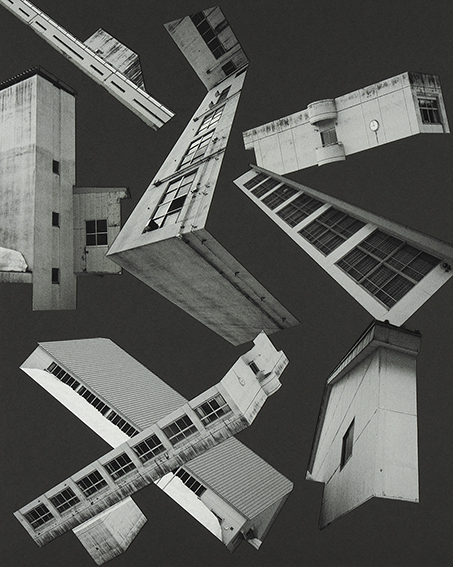
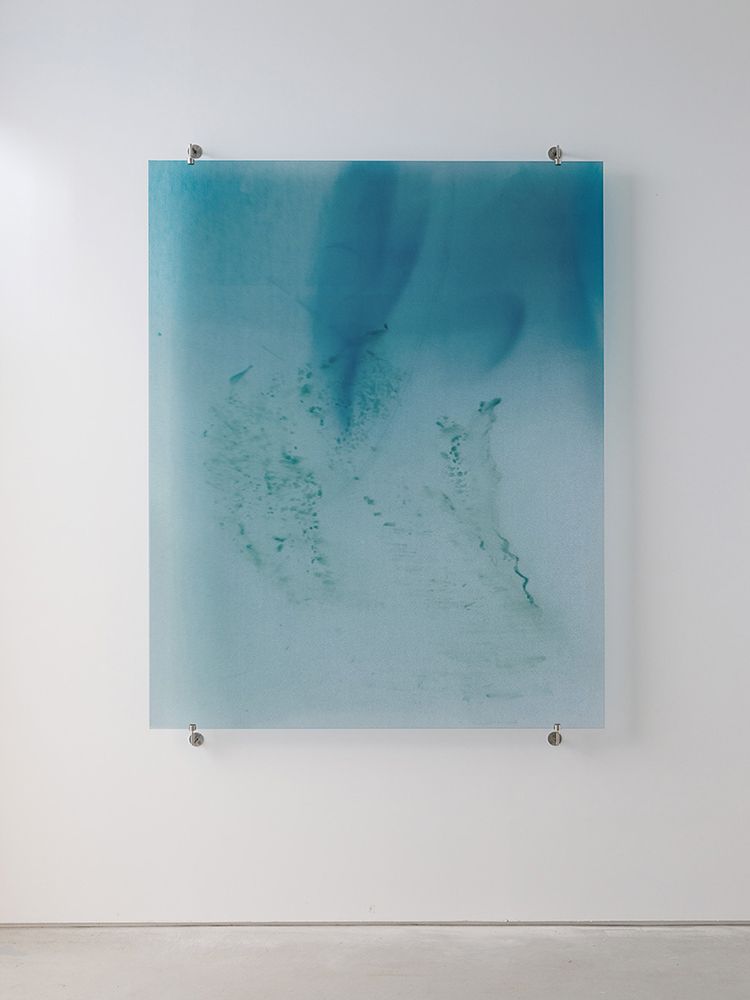
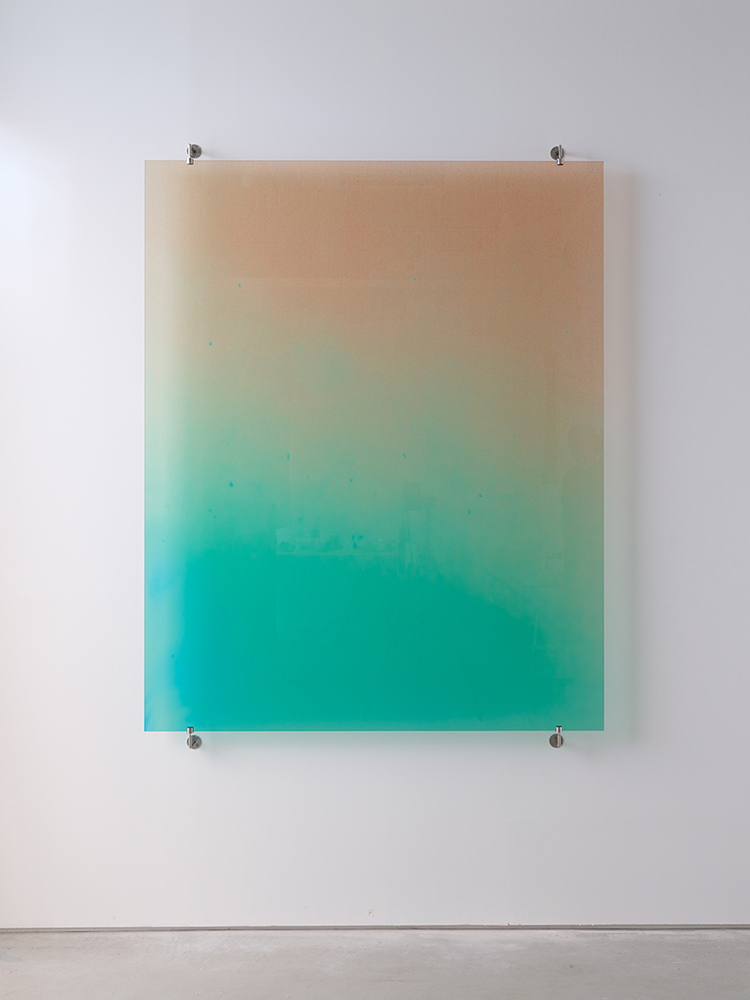
1. Sayuri Ichida: Materiality, Memory, and the Mechanized Gaze
The exhibition opens with an intimate look at the practice of contemporary artist Sayuri Ichida. Known for her rigorous engagement with physical processes, archival materials, and darkroom mechanics, Ichida’s works challenge the frictionless ubiquity of digital photography.
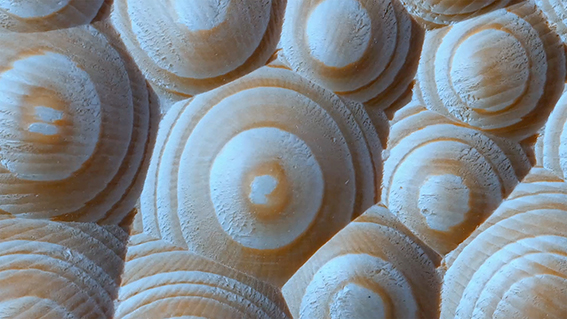
Her featured pieces—including Kōseki #009 and Kōseki #001 (2025)—were originally commissioned through the prestigious Jerwood/Photoworks Awards, supported by the Jerwood Foundation, Photoworks, and Arts Council England. Ichida’s practice investigates the latent physical properties of the photographic substrate, treating the print not as a transparent window to the world, but as a textured object laden with history, decay, and deliberate human intervention. By emphasizing the grain, the chemical wash, and the physical limits of exposure, her works anchor the viewer in a tangible reality that precedes the digital turn.
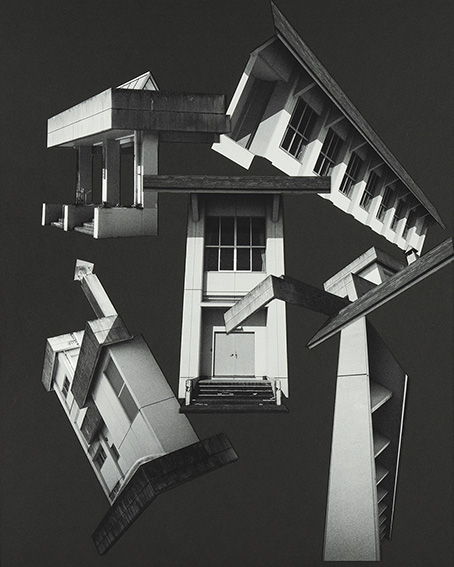
2. Taro Karibe: Archival Deconstruction and the Post-Digital Archive
Taro Karibe’s contributions (#30, #6, and #188, produced between 2022 and 2023) pivot toward the systemic nature of contemporary imagery. Karibe examines how institutional archives, digital databases, and mass media networks categorize and store visual information.
By utilizing inkjet printing and advanced digital workflows, Karibe interrogates the reliability of photographic evidence. His works deconstruct the underlying structures of modern image-making, exposing the invisible frameworks through which corporate and cultural entities dictate what is seen and remembered. In an era dominated by algorithmic feeds, Karibe’s imagery forces a critical confrontation with the mechanisms of visual distribution.
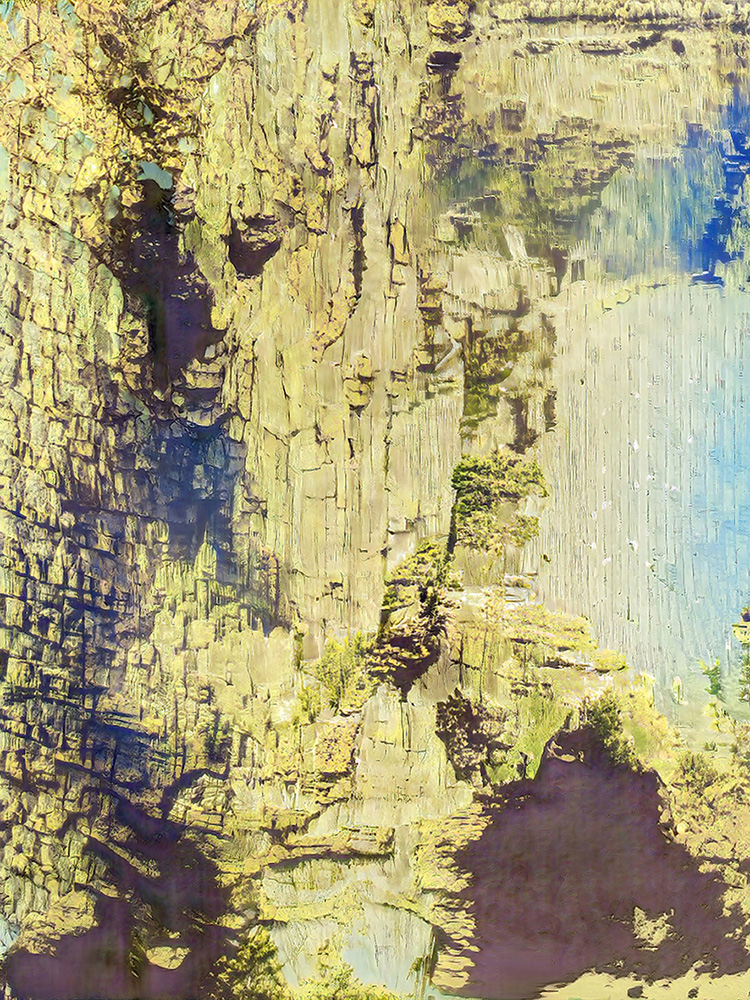
3. Zai Nomura: The Ultraviolet Lens and the Continuity of Time
Working with UV-inkjet prints and specialized large-format archival systems, Zai Nomura bridges the gap between historical documentary traditions and contemporary synthetic abstraction. Nomura’s works—spanning portraits and landscapes captured from the 1980s through 2026—explore the persistence of memory across decades.
Nomura’s application of UV-cured printing technologies introduces a physical relief and material permanence to his subjects. Whether capturing aging architecture, fleeting human expressions, or the slow erosion of industrial landscapes, Nomura treats the photographic surface as a sculptural canvas. His images resist the ephemeral nature of modern digital scrolling, demanding sustained contemplation and prolonged visual engagement.
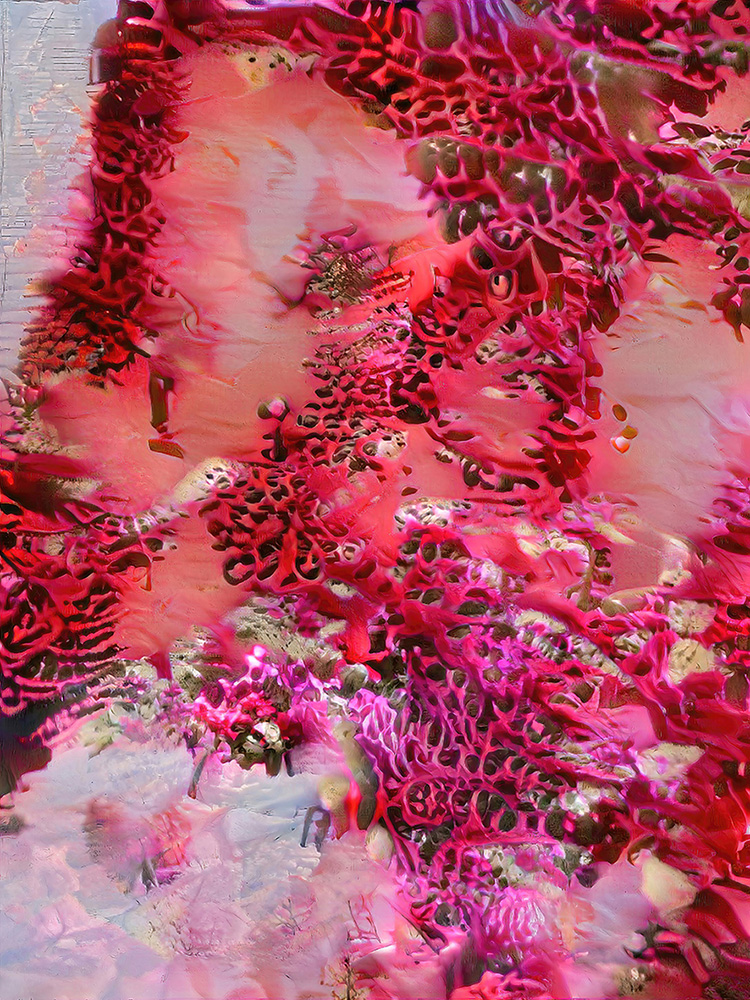
4. Baku Hashimoto: Milling Stop-Motion and Algorithmic Choreography
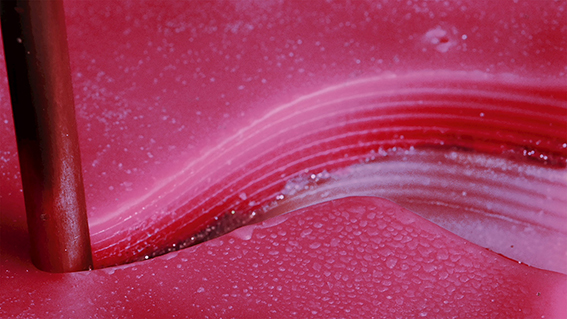
As the exhibition moves further into the contemporary sphere, Baku Hashimoto’s Milling Stop-Motion (working title, 2024–present) introduces the audience to the bleeding edge of 3DCG and procedural animation. Hashimoto utilizes advanced modeling software and computational rendering to simulate stop-motion animation processes without physical objects.
This work blurs the boundary between the physical and the virtual. By using algorithms to replicate the physical imperfections, stuttered movements, and manual labor characteristic of traditional stop-motion, Hashimoto questions the necessity of physical presence in cinematic art. The result is a hypnotic, uncanny valley where software behaves like matter, and code mimics craftsmanship.
5. Asako Fujikura: Synthetic World-Building in "Open Sunrise City"
Rounding out the exhibition is Asako Fujikura’s ambitious project, 4 Tales of Open Sunrise City (working title, 2026). Fujikura constructs sprawling, hyper-detailed urban environments entirely within 3DCG and AI-assisted engines.
These speculative architectural spaces do not exist in the physical world; rather, they are synthesized projections of contemporary urban anxieties, capitalist desires, and digital mapping logics. By presenting these hyper-realistic digital cities alongside traditional photographic prints, Fujikura challenges visitors to reconsider their relationship with physical space. If a city can be entirely generated, experienced, and critiqued through synthetic media, how do we define the "reality" of the urban experience?
Supporting Context and Metrics: The State of the Archive
The Tokyo Photographic Art Museum’s Top Collection series holds a unique position in the global art ecosystem. Founded in November 1995 (and fully opened as a permanent municipal facility in 2002), the institution houses tens of thousands of items spanning historical Japanese photography, international masterpieces, rare photobooks, and cutting-edge digital media.
Exhibition Metrics and Logistics
- Event Top Collection: Vol. 23 | Beyond the Lens: Photography, AI, and 3D Computer Graphics
- Location: Tokyo Photographic Art Museum, B1F Exhibition Galleries
- Dates: January 17, 2027 – March 30, 2027
- Venue Capacity: Main gallery spaces accommodate up to 190 visitors simultaneously, ensuring an uncrowded, contemplative environment for viewing complex digital works.
- Special Programming: Curatorial gallery talks, expert symposiums, and artist-led workshops are scheduled throughout the run of the exhibition.
The Curatorial Shift: Moving Past "Pure" Photography
For decades, photography museums operated under the implicit assumption that the camera functioned as an objective recording device—a mechanical witness to historical truth. Top Collection: Vol. 23 systematically dismantles this 19th-century paradigm.
Today, over 80% of visual media consumed globally is subject to algorithmic curation, generative AI enhancement, or entirely synthetic rendering. By curating an exhibition that places 19th-century albumen prints alongside 2026 AI-generated video installations, the Tokyo Photographic Art Museum acknowledges that the definition of "photography" must expand to encompass any practice that frames, captures, or synthesizes light and data.
Official Statements and Curatorial Vision
In the official exhibition catalog and curatorial statements, the museum’s research and curatorial team emphasized the urgency of this transition:
"We are living through a profound epistemological shift. The camera is no longer merely an optical instrument capturing light reflected off physical surfaces; it is a node in a vast computational network. AI models, neural rendering, and 3DCG are not destroying photography—they are forcing us to confront what photography always was: an artificial construct designed to negotiate reality. Vol. 23 does not mourn the death of the traditional photograph; it celebrates the explosion of the lens-based medium into new, uncharted territories."
The curators further noted that the juxtaposition of historical masterworks with algorithmic art allows visitors to trace a continuous line of human ingenuity. From the early chemical experiments of the 19th century to the neural network prompts of the 2020s, artists have consistently sought to capture, manipulate, and project inner psychological states onto external surfaces.
Future Outlook: The Evolution of the Image in the 21st Century
As Top Collection: Vol. 23 runs through March 30, 2027, it serves as a bellwether for international art institutions grappling with the integration of AI and digital media. Museums can no longer afford to treat digital art as a temporary novelty or a separate genre; it must be integrated directly into the historical canon.
The implications of this exhibition extend far beyond the gallery walls. As generative AI models become indistinguishable from human-captured imagery, questions of copyright, authenticity, and visual literacy will dominate public discourse. By providing a historical and theoretical framework through exhibitions like Top Collection: Vol. 23, the Tokyo Photographic Art Museum equips the public with the critical tools necessary to navigate an increasingly synthetic world.

Visitors to the museum are invited not only to witness these breathtaking works, but to participate in a broader cultural dialogue about the future of seeing. In an era where anything can be generated, the human eye—guided by critical inquiry, historical awareness, and artistic vision—remains our most vital instrument.
Exhibition Schedule & Visitor Information
- Venue: Tokyo Photographic Art Museum (B1F, 2F, 3F Galleries)
- Opening Hours: 10:00 AM – 6:00 PM (Thursdays and Fridays extended until 8:00 PM; closed Mondays).
- Admission: General admission tickets and special exhibition passes available on-site and via the official museum portal.
For further details, ticketing information, and a complete schedule of artist talks and symposiums, please visit the official Tokyo Photographic Art Museum Exhibition Page.







Belum ada komentar. Jadilah yang pertama berkomentar!