


Executive Overview
In the highly competitive global entertainment landscape, the synergy between Japanese animation (anime) and its source material (manga) remains one of the most successful execution models of the modern "media-mix" strategy. As the summer 2026 anime broadcasting season reaches its peak, prominent manga publisher Kodansha USA has launched its highly anticipated "Summertime Anime" digital sale. Running through Monday, August 3, 2026, the promotional campaign is designed to convert casual television viewers into dedicated manga readers by lowering the economic barrier to entry for several of the publisher’s most celebrated, recently adapted, and historically significant intellectual properties.
The campaign structure employs a aggressive two-tiered pricing strategy: introductory first volumes of selected series are priced at a nominal $0.99, while subsequent volumes are discounted by up to 50%. This promotional event is being executed across a broad consortium of digital storefronts, including Kodansha’s proprietary portal, Amazon Kindle, Barnes & Noble Nook, Bookwalker, Google Play, Apple Books, MyAnimeList, and subscription-focused platforms like Mangamo. By analyzing the titles anchoring this campaign—ranging from the foundational cyberpunk of The Ghost in the Shell to contemporary hits like Grand Blue Dreaming and I Want to Love You Till Your Dying Day—industry observers can gain valuable insights into the shifting dynamics of digital manga distribution, consumer acquisition costs, and the long-tail monetization of Japanese intellectual property in the West.
The Media-Mix Pipeline: A Chronological Strategy of Adaptation and Conversion
The relationship between Japanese publishing houses and animation studios is cyclical, built upon a carefully timed pipeline designed to maximize IP value. Under the traditional media-mix model, a manga series is serialized to build a core audience; if successful, it receives an anime adaptation, which acts as a mass-market advertisement for the ongoing print or digital volumes.
The "Summertime Anime" digital sale represents the critical final phase of this pipeline: the re-importation of anime viewers back into the publishing ecosystem. By offering steep discounts immediately following or during the broadcast of these adaptations, Kodansha aims to capture consumers at the peak of their emotional investment in these stories.
[Manga Serialization] ──> [Anime Adaptation] ──> [Global Broadcast]
        ▲                                                │
        │                                                ▼
[Long-Tail Revenue] <── [Digital Sales & Promotions] <── [Viewer Conversion]
Case Studies in Adaptation: The Featured Campaign Titles
To understand the breadth of Kodansha’s localization and sales strategy, one must examine the diverse genres and historical contexts of the titles anchoring the 2026 summer campaign.

1. The Cyberpunk Foundations: The Ghost in the Shell & The Human Algorithm
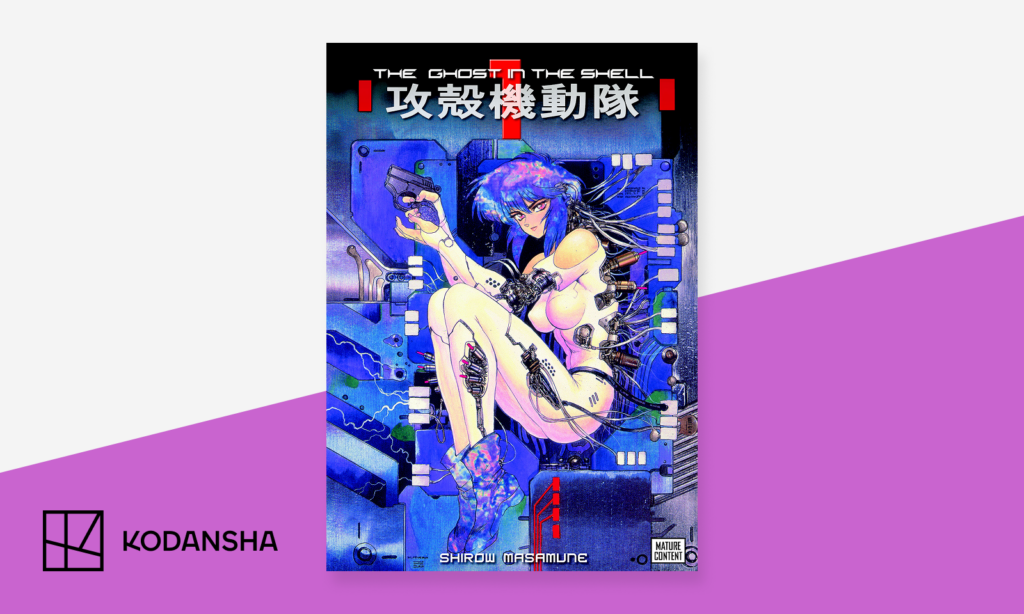
Originally serialized by Shirow Masamune in 1989, The Ghost in the Shell is widely regarded as a watershed moment in science fiction. Its philosophical inquiries into the nature of consciousness (the "ghost") within fully mechanized bodies (the "shell") laid the groundwork for modern cyberpunk, heavily influencing Western blockbusters like The Matrix.
                       ┌──────────────────────────┐
                       │  Shirow Masamune (1989)  │
                       │ Original Manga Blueprint │
                       └────────────┬─────────────┘
                                    │
                                    ▼
                       ┌──────────────────────────┐
                       │   Mamoru Oshii (1995)    │
                       │   Cinematic Masterpiece  │
                       └────────────┬─────────────┘
                                    │
                                    ▼
         ┌──────────────────────────┴──────────────────────────┐
         ▼                                                     ▼
┌──────────────────────────┐                          ┌──────────────────────────┐
│  Section 9 Legacy Media  │                          │  The Human Algorithm     │
│  (Stand Alone Complex)   │                          │  (Fujisaku & Yoshimoto)  │
└──────────────────────────┘                          └──────────────────────────┘
By discounting the original masterpiece alongside its modern sequel series, The Ghost in the Shell: The Human Algorithm (written by Junichi Fujisaku with art by Yuki Yoshimoto), Kodansha is targeting both nostalgic collectors and newcomers. The Human Algorithm serves as a direct continuation of The Ghost in the Shell 1.5: Human Error Processor, exploring Public Security Section 9’s operations under the leadership of Togusa and Batou in the absence of Major Motoko Kusanagi. This dual offering allows readers to experience the evolution of the franchise’s visual style and narrative complexity over a span of nearly four decades.
2. Subverting Genre Tropes: I Want to Love You Till Your Dying Day
Written and illustrated by Nachi Aono, I Want to Love You Till Your Dying Day (Kimi ga Shinu Made Koi wo Shitai) represents the expanding market for mature, thematic yuri (girls’ love) narratives. Far removed from the lighthearted school dramas that historically dominated the genre, Aono’s work is a dark, gothic romance set within a military orphanage that trains young girls to become magical weapons for a brutal war.
The series has earned critical comparison to landmark anime such as Revolutionary Girl Utena and Mobile Suit Gundam: The Witch From Mercury for its subversion of the "magical girl" trope and its exploration of trauma, codependency, and affection in a dystopian environment. Kodansha’s decision to feature this title highlights a growing editorial push to champion niche, high-concept narratives that appeal to older demographics (rated 16+).
3. The Comedy Blockbuster: Grand Blue Dreaming
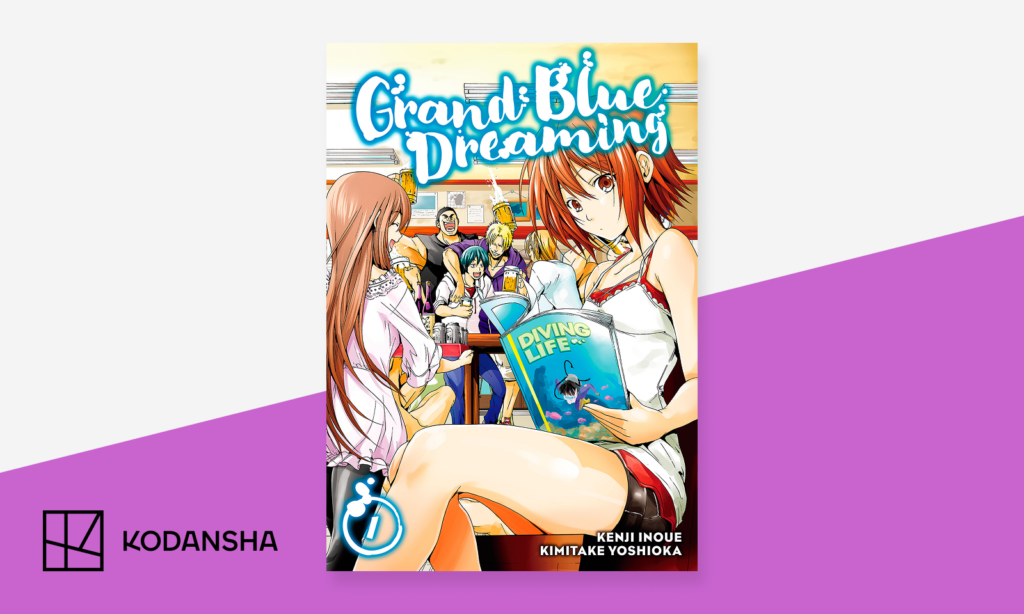
On the opposite end of the tonal spectrum lies Kenji Inoue and Kimitake Yoshioka’s Grand Blue Dreaming. Originally launched as a college-themed diving manga, the series quickly evolved into a wildly popular, irreverent comedy defined by its depiction of heavy drinking culture, absurd physical humor, and competitive male friendships.
Despite its focus on ridiculous situations, the manga features highly detailed, beautiful illustrations of marine life and scuba diving, creating a unique contrast that has earned it a passionate cult following. The title’s inclusion in the summer sale capitalizes on the enduring popularity of its anime adaptation, offering a perfect "beach read" that aligns with the summer season.
4. Historical Preservation as Narrative: The World is Dancing
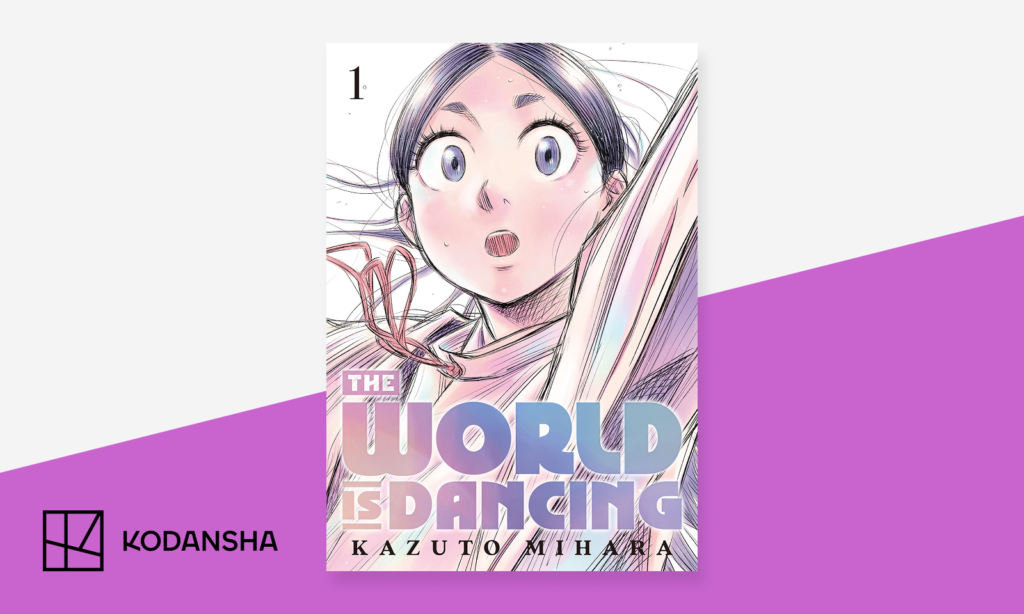
Kazuto Mihara’s The World is Dancing (Sekai wa Odoru) is a historical coming-of-age drama that fictionalizes the early life of Zeami Motokiyo (known in his youth as Oniyasha), the 14th-century actor and playwright who founded modern Noh theater.
The narrative tackles complex artistic and existential questions: why do humans perform, and how can art be used to transcend rigid social hierarchies? By bringing the origins of the world’s oldest surviving theater art to life, Mihara bridges the gap between historical education and dramatic storytelling, appealing to readers seeking intellectual depth and cultural insight.
Supporting Context & Market Metrics: The Economics of Digital Manga
To fully appreciate the significance of the "Summertime Anime" campaign, one must look at the underlying economic structures of the digital publishing industry. The transition from physical print distribution to digital-first or digital-parallel publishing has fundamentally changed how publishers manage their backlists and acquire new customers.
The Psychology of the $0.99 Loss-Leader
The cornerstone of the "Summertime Anime" campaign is the $0.99 price point for the first volume of each featured series. In digital commerce, this is a classic execution of a "loss-leader" pricing strategy.

[Consumer Exposure to Anime/Media]
               │
               ▼
   [Volume 1: $0.99 Entry Point]  <── Low friction, impulsive purchase
               │
               ▼
 [Volumes 2+: Up to 50% Discount] <── Fosters binge-reading behavior
               │
               ▼
    [Full-Price Serialization]    <── Establishes long-term subscriber LTV
By reducing the friction of entry to under a dollar, Kodansha achieves several key business objectives:
- Lowering Customer Acquisition Cost (CAC): A reader who might hesitate to spend $10 to $13 on an unfamiliar physical volume is highly likely to risk $0.99 on a digital copy.
- Capitalizing on "Binge-Reading" Behavior: Once a reader completes the first volume, the psychological barrier to purchasing subsequent volumes is significantly reduced. By offering those subsequent volumes at up to 50% off during the same promotional window, Kodansha maximizes the immediate Lifetime Value (LTV) of that newly acquired reader.
- Monetizing the Digital Backlist: Unlike physical books, which require expensive warehouse storage and reprinting costs, digital volumes carry negligible distribution overhead. Every digital purchase of an older title like the original Ghost in the Shell represents high-margin revenue for the publisher.
Multi-Platform Distribution Ecosystem
A key strength of Kodansha’s digital strategy is its platform-agnostic approach. Rather than locking content behind a single proprietary storefront, the publisher distributes its titles across a highly fragmented digital ecosystem:
| Platform | Primary Target Audience | Strategic Value to Publisher |
|---|---|---|
| Kodansha.us | Dedicated brand loyalists | Direct-to-consumer data control; highest profit margins. |
| Amazon Kindle | Mass-market digital readers | Unmatched market reach; integration with the broader Amazon ecosystem. |
| Barnes & Noble Nook | Traditional book buyers | Retaining connection to established literary retail brand. |
| Bookwalker | Hardcore anime & manga enthusiasts | Highly targeted demographic; native platform features optimized for manga. |
| Google Play / Apple Books | Mobile-first casual readers | High-friction reduction via built-in mobile operating system payment portals. |
| MyAnimeList | Active community members | Direct integration into the world’s largest anime/manga database and tracking platform. |
| Mangamo | Subscription-based readers | Tapping into the growing "Netflix-style" flat-rate reading demographic. |
This multi-channel distribution strategy ensures that no matter where a consumer prefers to read, Kodansha’s discounted catalog is readily accessible.
Strategic & Corporate Analysis: Publisher Insights
While official statements regarding specific sales targets are typically kept confidential, industry analysts point to Kodansha’s ongoing corporate restructuring as the driving force behind campaigns like the "Summertime Anime" sale. Over the past several years, Kodansha has steadily centralized its global operations, seeking closer integration between its Tokyo headquarters and its Western localization arm, Kodansha USA Publishing.
This centralization has allowed the company to react much faster to market trends. In the past, Western manga releases could lag years behind their Japanese counterparts and anime adaptations. Today, Kodansha utilizing simultaneous digital publication (simulpub) and coordinated global sales events to ensure that when a title is trending on social media, the localized digital volumes are immediately available for purchase.
Furthermore, by utilizing third-party digital subscription platforms like Mangamo alongside traditional à la carte retailers, Kodansha is actively testing consumer preferences. This hybrid approach allows the publisher to gather valuable data on reading habits, helping them determine which titles warrant expensive physical print runs and which are best suited for digital-only distribution.
Future Outlook: The Digital Manga Frontier
Looking past the August 3, 2026 conclusion of the "Summertime Anime" sale, the digital manga industry is poised for further evolution. Several key trends are expected to shape the landscape through the latter half of the decade:
1. The Rise of Hybrid Subscription Models
While à la carte digital sales (such as Kindle and Bookwalker purchases) remain the primary revenue driver for localized manga, subscription models are gaining rapid traction. Publishers are forced to strike a delicate balance between protecting premium individual book sales and catering to the modern consumer’s expectation of unlimited, subscription-based content access.
2. Algorithmic Discoverability
As the volume of localized manga reaches historic highs, discoverability has become a major challenge. Future digital storefronts are expected to rely heavily on advanced recommendation engines—similar to those used by streaming services—to suggest niche titles like The World is Dancing to readers who have finished more mainstream historical dramas.
3. Global Day-and-Date Releases
The gap between the Japanese serialization of a manga chapter and its official English translation has virtually closed for major titles. This day-and-date release model minimizes the impact of unofficial, pirated scanlations, steering readers toward legitimate digital storefronts where publishers can monetize their engagement through targeted sales and promotions.
Conclusion
Kodansha’s "Summertime Anime" digital sale is more than a simple seasonal promotion; it is a highly calculated, multi-platform campaign designed to optimize the media-mix pipeline. By leveraging the cultural footprint of summer anime releases and offering low-friction entry points, Kodansha continues to demonstrate how traditional publishing can thrive in an increasingly digital, globalized entertainment market. As the August 3 deadline approaches, the industry will be watching closely to see how these pricing strategies influence long-term reader retention and digital backlist monetization.







Belum ada komentar. Jadilah yang pertama berkomentar!