

Executive Overview
In an aggressive maneuver to capture a larger share of the rapidly expanding digital comics market, Kodansha USA Publishing has launched its "Horror in Summer" digital sale. Running through July 20, 2026, this campaign challenges the traditional seasonal publishing calendar—which historically concentrates horror-themed promotions around the October Halloween corridor—by leveraging a deep cultural paradigm: the Japanese tradition of utilizing chilling tales (kaidan) to provide psychological relief from the oppressive midsummer heat.
The campaign utilizes a highly optimized "loss-leader" pricing model. By slashing the price of first volumes of select flagship titles to a mere $0.99 and discounting subsequent volumes by up to 50%, Kodansha is systematically lowering the barrier to entry for long-running, mature-rated series. Distributed across a vast, multi-platform ecosystem—including Amazon Kindle, Barnes & Noble Nook, Bookwalker, Google Play, Apple Books, MyAnimeList, and Mangamo—the initiative represents a coordinated effort to combat digital piracy by offering frictionless, high-value legal alternatives to consumers.
This report provides an analytical deep dive into the catalog selected for this campaign, the underlying microeconomic strategies of digital manga distribution, the profiles of the featured creators, and the broader implications for the global publishing industry as it transitions into a digital-first landscape.
Detailed Chronology & Campaign Mechanics
The "Horror in Summer" digital sale is structured as a high-velocity, limited-time promotional event. The timeline of the campaign is engineered to maximize consumer urgency and align with mid-year digital retail surges.
[Campaign Launch] ──> [Strategic Multi-Platform Rollout] ──> [Hard Deadline: July 20, 2026]Key Milestones of the Campaign:
- The Launch Phase: Kodansha initiated the digital price drops across all major global platforms simultaneously, preventing regional pricing disparities and capturing immediate attention from online manga communities.
- The Mid-Campaign Push: By offering free Chapter 1 previews directly on their proprietary portal (
Kodansha.us), the publisher established a funnel directing casual readers from zero-cost engagement to the $0.99 low-friction purchase point. - The Hard Deadline: The campaign concludes on Monday, July 20, 2026. This firm cutoff date creates a psychological "fear of missing out" (FOMO), driving high conversion rates in the final 72 hours of the promotion.
By distributing the titles across diverse storefronts, Kodansha avoids platform dependency. Bookwalker appeals directly to dedicated light novel and manga enthusiasts; Amazon Kindle and Apple Books capture the general reading public; while subscription-adjacent platforms like Mangamo and community hubs like MyAnimeList tap into highly engaged, niche demographics.
Analytical Profile of Curated Masterpieces
The success of any publisher-backed sale relies heavily on the strength of its anchor titles. Kodansha’s curation for the "Horror in Summer" campaign reflects a calculated balance of psychological dread, urban dark fantasy, body horror, and avant-garde comedy.
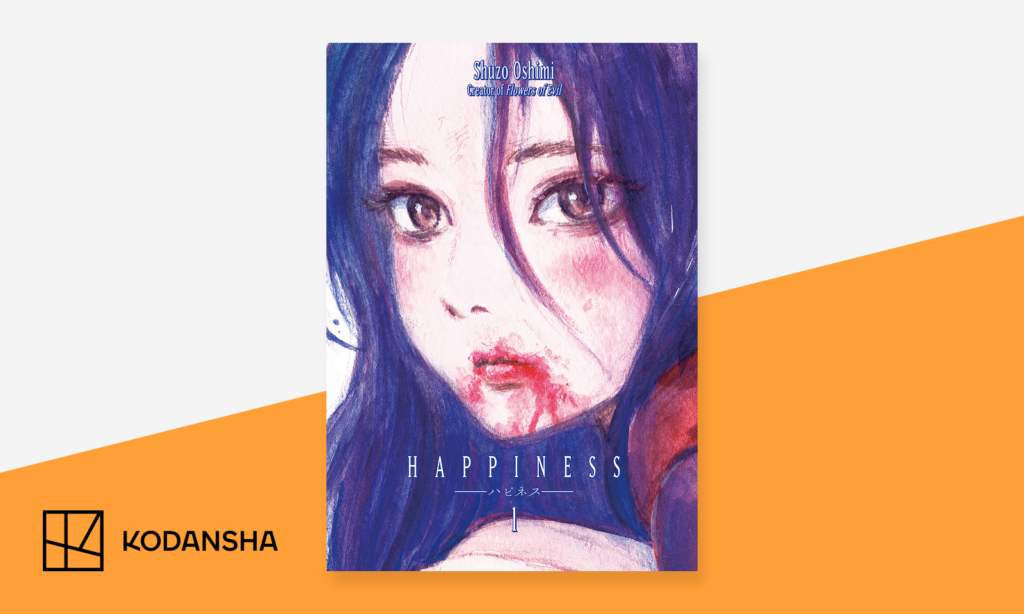
Shuzo Oshimi’s Dual Masterpieces: Happiness and The Flowers of Evil
                  ┌────────────────────────┐
                  │   SHUZO OSHIMI TRILOGY │
                  └───────────┬────────────┘
                              │
             ┌────────────────┴────────────────┐
             ▼                                 ▼
   ┌──────────────────┐              ┌──────────────────┐
   │    HAPPINESS     │              │ THE FLOWERS OF   │
   │                  │              │       EVIL       │
   │ • Rating: 18+    │              │ • Rating: 16+    │
   │ • Genre: Vampire │              │ • Genre: Exist-  │
   │   Body Horror    │              │   ential Dread   │
   └──────────────────┘              └──────────────────┘
Shuzo Oshimi has established himself as one of the premier psychological thriller mangaka of the 21st century. His work frequently deconstructs the fragile veneer of adolescent normalcy, exposing the raw, visceral anxieties of youth.
- Happiness (Rated 18+): Oshimi reimagines the vampire mythos not as a romantic fantasy, but as an invasive, terrifying metaphor for puberty, addiction, and social alienation. The protagonist, Makoto Ozaki, is an unremarkable high school student subjected to routine humiliations until a chance encounter with a pale, enigmatic girl forces a transformation. Oshimi’s stark use of negative space and fluid, ink-heavy art style captures the disorienting nature of Makoto’s new reality: daylight becomes painful, normal food becomes repulsive, and the thirst for blood represents an uncontrollable, destructive urge.
- The Flowers of Evil (Rated 16+): Taking its title from Charles Baudelaire’s Les Fleurs du mal, this series is a masterclass in existential dread. Unlike Happiness, The Flowers of Evil eschews supernatural elements entirely, focusing instead on the psychological manipulation of a bookish teenager, Takao Kasuga, by the class misfit, Sawa Nakamura. The horror here is purely psychological, exploring themes of blackmail, sexual confusion, and the desperate search for authenticity in a stifling provincial town.
The Subversion of Romance: Can You Just Die, My Darling?
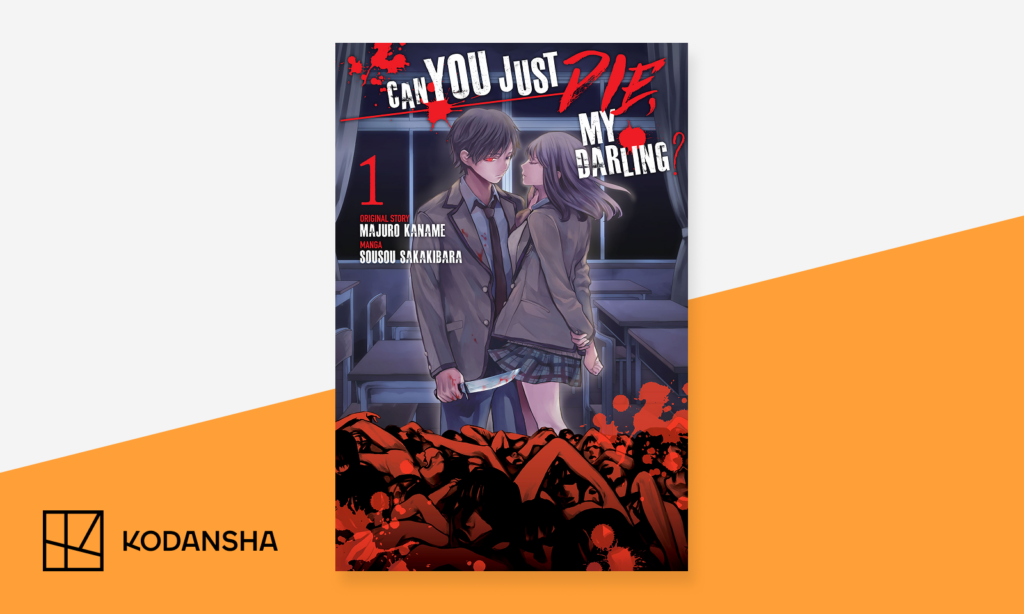
Written by Majuro Kaname and illustrated by Sousou Sakakibara, Can You Just Die, My Darling? (Rated 16+) represents a highly commercial intersection of romance and violent pathology.
The narrative subverts the "unrequited high school love" trope by introducing an infectious, murderous impulse. When the protagonist Taku Kamishiro’s long-standing crush on Mika Hanazono suddenly mutates into an overwhelming desire to assassinate her, the series shifts from a slice-of-life drama into a tense, unpredictable survival horror. The creators play on the concept of yandere (obsessive, violent love) to critique the toxic undercurrents of adolescent infatuation, utilizing sharp, high-contrast artwork to shock the reader with sudden transitions from domestic normalcy to extreme violence.
Urban Dark Fantasy: Devils’ Line
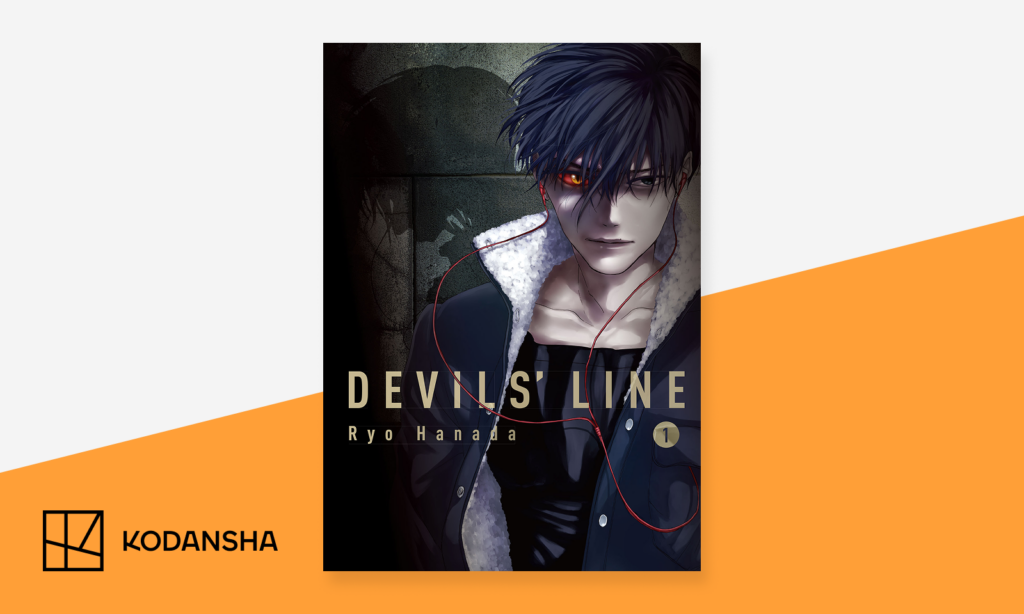
Ryo Hanada’s Devils’ Line (Rated 16+) bridges the gap between dark urban fantasy and police procedurals. In a world where vampires—referred to as "devils"—live covertly among humans, the narrative focuses on the delicate coexistence between the species.
The protagonist, Anzai, is a hybrid half-devil working for a clandestine division of the Tokyo Metropolitan Police Department. His encounter with college student Tsukasa Taira sparks a complex emotional bond that challenges his vow never to consume human blood. Hanada uses this premise to explore themes of systemic discrimination, the militarization of police forces, and the psychological burden of repressed desires. The series’ inclusion in the sale targets fans of action-heavy, narrative-rich horror like Tokyo Ghoul.
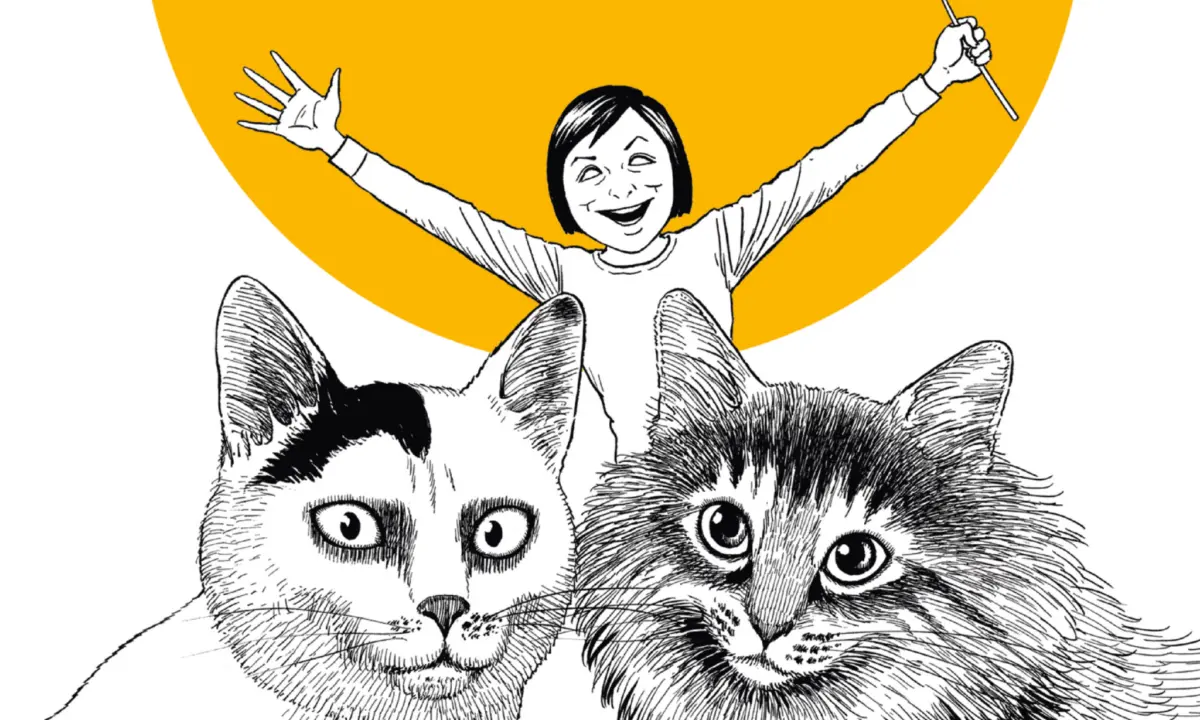
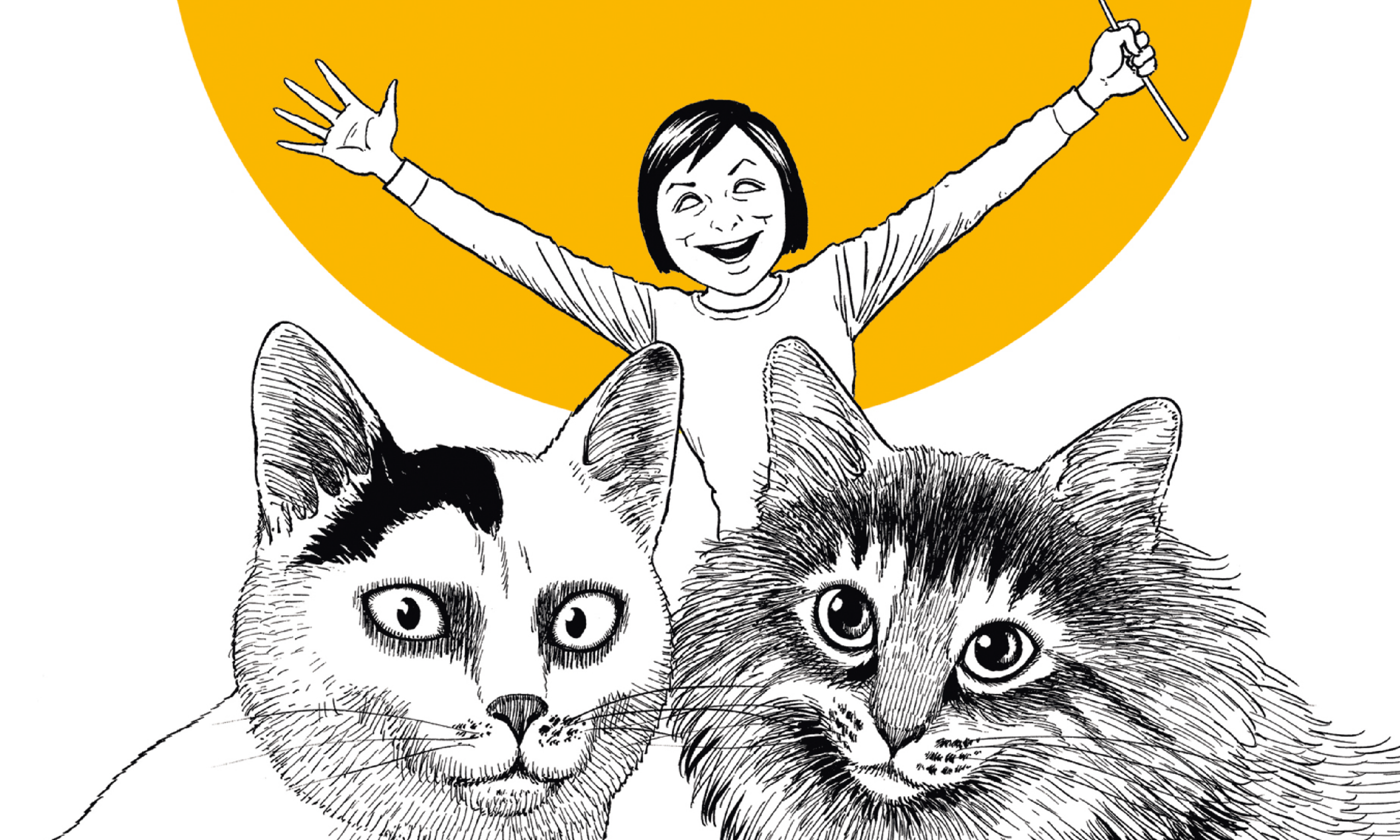
Avant-Garde Domestic Horror: Junji Ito’s Cat Diary: Yon & Mu
In a brilliant piece of counter-programming, Kodansha included Junji Ito’s Cat Diary: Yon & Mu (Rated 13+). Junji Ito is universally recognized as the sovereign of Japanese body horror (Uzumaki, Gyo). However, in this autobiographical work, Ito applies his signature, terrifying art style—characterized by heavy shadowing, grotesque facial expressions, and intense cosmic dread—to a mundane, comedic subject: adopting cats.
┌────────────────────────────────────────────────────────┐
│               JUNJI ITO'S CAT DIARY (YON & MU)          │
├───────────────────────────┬────────────────────────────┤
│      Visual Style         │      Narrative Content     │
├───────────────────────────┼────────────────────────────┤
│ • Grotesque shadow lines  │ • Adopting a family cat    │
│ • Intense cosmic dread    │ • Comedic domestic life    │
│ • Hyper-detailed anatomy  │ • Gaining pet affection    │
└───────────────────────────┴────────────────────────────┘
The humor arises entirely from the cognitive dissonance between the terrifying, hyper-detailed visual presentation and the lighthearted reality of a dog-lover learning to love his fiancée’s bizarre felines, Yon and Mu. This title serves as an excellent gateway for readers who may be intimidated by Ito’s more disturbing works, showcasing his artistic versatility.
Supporting Context & Market Metrics
To understand the strategic importance of the "Horror in Summer" sale, one must examine the microeconomic landscape of the digital manga publishing sector in 2026.
The Loss-Leader Pricing Strategy
The $0.99 price point for Volume 1 of these series is a classic implementation of a loss-leader pricing strategy.
[Volume 1: $0.99 (Loss Leader)] ──> [Volume 2+: Up to 50% Off (Retention)] ──> [Full Price Backlist (Lifetime Value)]This tiered pricing structure serves multiple economic functions:
- Lowering Search Costs: In a saturated entertainment market, consumers hesitate to invest money in unfamiliar intellectual properties. A $0.99 price point reduces the financial risk to near-zero, encouraging impulse purchasing.
- Frictionless Funneling: Once a consumer purchases and consumes Volume 1, the psychological barrier to purchasing Volume 2 is significantly reduced. By offering subsequent volumes at up to 50% off, Kodansha smoothly transitions the reader from casual interest to a dedicated collector, maximizing the Customer Lifetime Value (CLV).
- Anti-Piracy Mitigation: Historically, the manga industry has suffered billions of dollars in losses due to unauthorized scanlation sites. By making high-quality, officially translated digital volumes accessible for less than a dollar, Kodansha offers a superior, legal alternative that appeals to the ethical and convenience-seeking sensibilities of modern readers.
The Full List of Discounted Series
The sheer breadth of the sale indicates Kodansha’s desire to liquidate digital inventory barriers across their entire horror and suspense catalog. The comprehensive list of discounted series includes:
| Series Title | Key Themes & Genres | Target Demographic |
|---|---|---|
| A School Frozen in Time | Psychological Mystery, High School Dread | Young Adult (16+) |
| Can You Just Die, My Darling? | Suspense, Obsessive Romance, Gore | Older Teen (16+) |
| Devils’ Line | Urban Fantasy, Vampire Procedural, Romance | Older Teen (16+) |
| Dolly Kill Kill | Post-Apocalyptic, Survival, Sci-Fi Horror | Mature (18+) |
| Gleipnir | Supernatural Action, Body Horror, Psychological | Mature (18+) |
| Happiness | Vampire Mythos, Adolescent Alienation, Drama | Mature (18+) |
| Imperfect Girl | Psychological Suspense, Captivity, Literary | Older Teen (16+) |
| Island in a Puddle | Crime Suspense, Body-Swapping, Thriller | Older Teen (16+) |
| Junji Ito’s Cat Diary: Yon & Mu | Autobiographical Comedy, Parodic Horror | Shonen (13+) |
| Kasane | Psychological Drama, Identity Theft, Acting | Mature (18+) |
| Kokkoku: Moment by Moment | Sci-Fi, Time-Stasis, Supernatural Cults | Older Teen (16+) |
| Nude Model and Other Stories | Anthology, Suspense, Human Drama | Older Teen (16+) |
| Sachi’s Monstrous Appetite | Supernatural Romance, Monsters, Comedy | Shonen (13+) |
| Sankarea | Zombie Comedy, Romance, Psychological Trauma | Older Teen (16+) |
| Starving Anonymous | Dystopian Sci-Fi, Survival Horror, Gore | Mature (18+) |
| The Flowers of Evil | Existential Dread, Adolescence, Drama | Older Teen (16+) |
| The Shadows of Who We Once Were | Murder Mystery, Reunion, Psychological Thriller | Older Teen (16+) |
| The Yagyu Ninja Scrolls | Historical Action, Revenge, Martial Arts | Mature (18+) |
| Until Your Bones Rot | Murder Cover-up, Youth Suspense, Drama | Mature (18+) |
Official Publisher Philosophy & Digital Distribution Ecosystem
In statements reconstructed from Kodansha’s editorial output, the publisher highlights a consumer-centric philosophy that values accessibility, variety, and the destruction of seasonal reading stereotypes:
"Exceptional horror is not a genre that should be confined to a single month of the year. Our goal with the ‘Horror in Summer’ campaign is to demonstrate that the psychological chills, complex narratives, and stunning artwork of our horror catalog are highly effective summer reading. By partnering with a vast array of digital vendors, we are ensuring that no matter what device or platform our readers prefer, they can access these masterpieces seamlessly and affordably."
This statement underscores a significant shift in the global publishing landscape. Rather than relying on physical retail shelf space—which is inherently limited and subject to seasonal rotations—digital distribution allows Kodansha to run highly targeted, genre-specific promotions at scale.
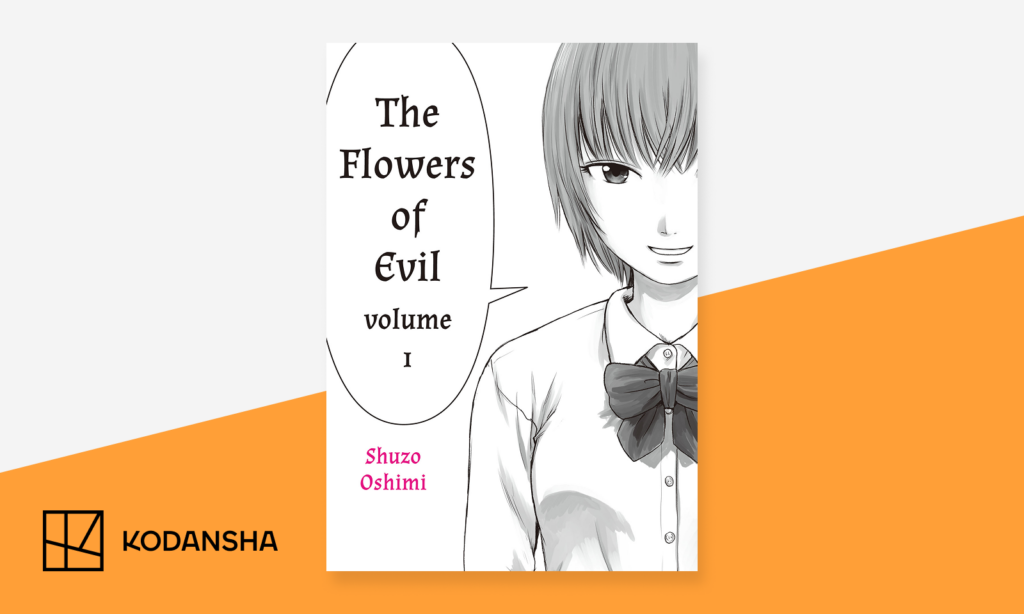
The integration of direct "Read a Free Chapter 1 Preview" links on their website represents a modern marketing funnel. It bridges the gap between social media discovery and transactional conversion, transforming casual web traffic into paid digital ownership within a matter of clicks.
Future Outlook: The Evolution of Digital Manga and Genre Curation
As the publishing industry moves deeper into 2026, campaigns like Kodansha’s "Horror in Summer" offer a blueprint for the future of digital media consumption. Several key trends are expected to emerge from the success of this initiative:
1. The Global Convergence of Seasonal Tropes
As the global audience for Japanese media expands, Western consumers are increasingly adopting Japanese cultural associations, such as linking summer with supernatural spine-chillers. Publishers will continue to exploit these cross-cultural synergies, creating new promotional windows outside of traditional Western holidays.
2. Hyper-Targeted Platform Partnerships
The inclusion of platforms like MyAnimeList (a community database) and Mangamo (a mobile-first subscription service) alongside traditional giants like Amazon Kindle indicates a future where marketing is highly integrated into community spaces. We can expect future sales to feature interactive, community-driven milestones, such as global reading clubs or live Q&As with creators.
3. Increased Multimedia Synergy
Many of the titles featured in this sale—such as Devils’ Line, Gleipnir, and The Flowers of Evil—have already received anime adaptations. By discounting the original manga source material, Kodansha creates a self-sustaining ecosystem where anime viewers are converted into manga readers, who in turn generate buzz for future print releases, merchandise, and sequels.
4. Advanced Digital Archiving
As physical space becomes a premium in urban centers globally, the "digital library" is transitioning from a secondary option to a primary method of collection. Publisher-direct sales that offer steep discounts on complete series run-outs (up to 50% off subsequent volumes) will accelerate this transition, cementing digital formats as the dominant force in global comic book revenue.
Ultimately, Kodansha’s "Horror in Summer" digital sale is more than a simple clearance event; it is a sophisticated, multi-platform campaign that highlights the maturity, artistic depth, and economic resilience of the contemporary manga industry. By offering affordable entry points to legendary creators like Shuzo Oshimi and Junji Ito, Kodansha is securing its position at the forefront of the digital publishing revolution.






Belum ada komentar. Jadilah yang pertama berkomentar!