

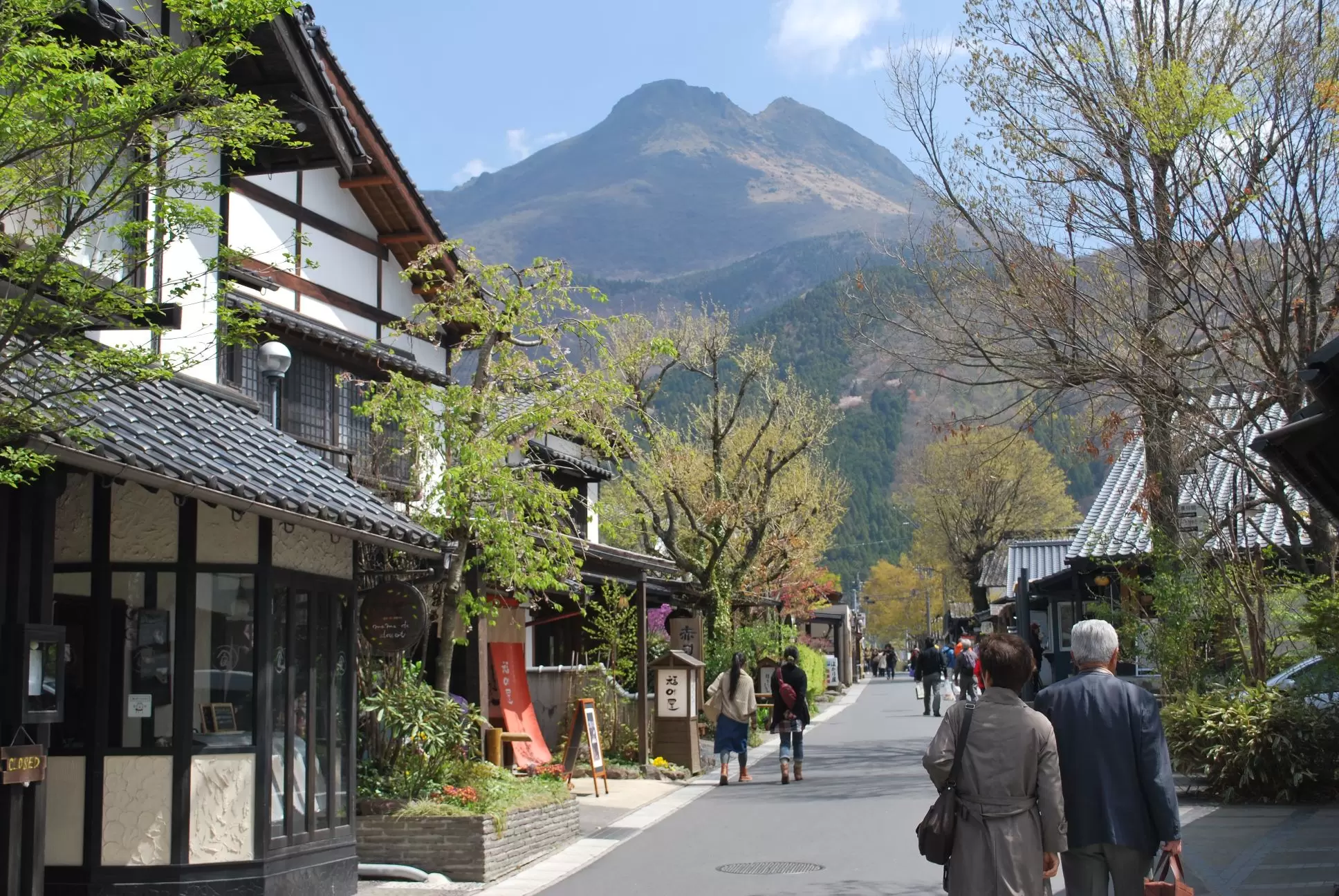
August 22, 2026 — Nestled in the verdant valleys of Oita Prefecture, Kyushu, Yufuin stands out as one of Japan’s most beloved hot spring (onsen) resort destinations. Famed for its picturesque rural townscapes, misty morning mountain views, eclectic boutique shopping, and vibrant street food culture, the town attracts millions of domestic and international visitors annually. However, beneath its idyllic exterior lies a logistical hurdle that frequently catches modern tourists off guard: the pervasive reliance on physical cash.
While metropolitan hubs like Tokyo, Osaka, and Fukuoka have accelerated their transitions toward a cashless society—embracing credit cards, IC cards (Suica, Pasmo), and QR code payment applications—Yufuin retains a deeply traditional commercial ecosystem. Many independent storefronts, family-run artisan shops, street food vendors, and day-trip hot spring facilities operate strictly on a cash-only basis. For unsuspecting travelers relying entirely on plastic or digital wallets, this localized economic structure can abruptly halt an otherwise well-planned itinerary.
This comprehensive investigative guide explores the anatomy of Yufuin’s cash-centric economy, breaks down the critical timelines and locations for currency exchange and cash withdrawals, provides essential strategies for managing small currency and coin requirements, and highlights critical luggage logistics to ensure a seamless visitor experience.
Executive Overview
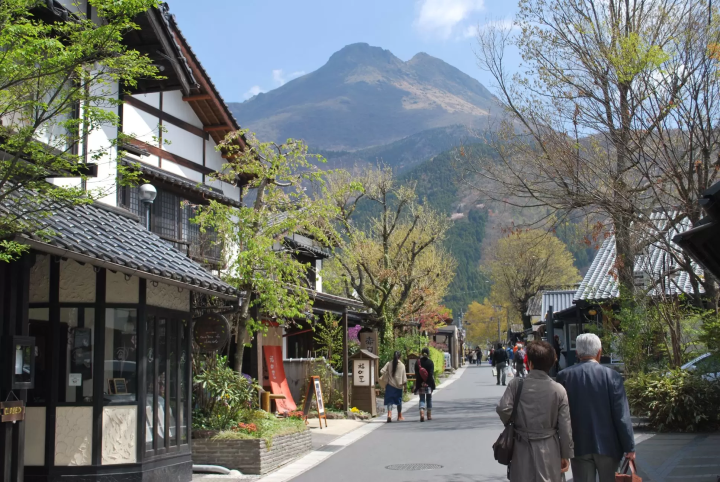
The modern global traveler is increasingly accustomed to traveling light, relying on smartphones and credit cards for virtually every transaction. However, introducing this mindset to Yufuin’s traditional market street—Yunotsubo Kaido—and surrounding alleys frequently results in friction.
Independent merchants and street vendors often cite the processing fees, infrastructure costs, and traditional business models associated with digital payment gateways as primary reasons for declining electronic transactions. Consequently, visitors who arrive without adequate Japanese yen face severe limitations. They may find themselves unable to sample famous local street snacks, purchase handcrafted bamboo crafts and ceramics, or access traditional day-use onsen facilities that do not feature automated ticketing systems.
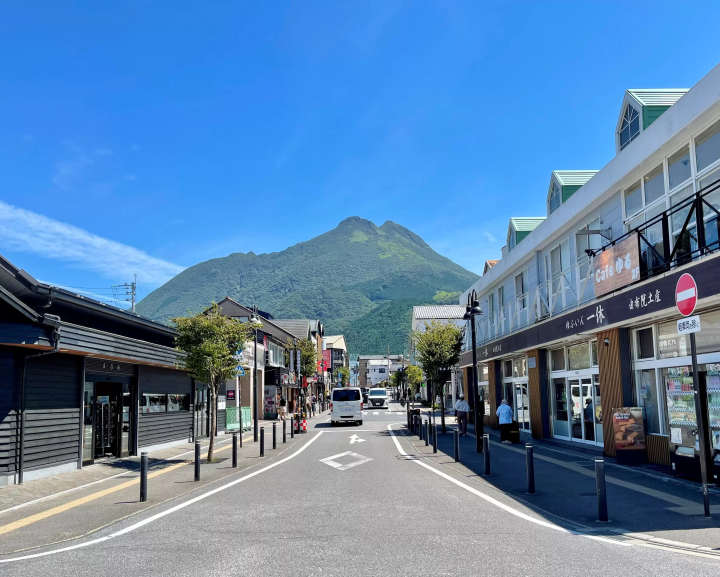
Compounding the issue is Yufuin’s distinct geographic layout and banking infrastructure. Unlike larger cities where currency exchange kiosks and international bank branches are ubiquitous, Yufuin operates on restricted business hours. Traditional financial institutions close early, and local ATMs may lack international card compatibility or face high transaction frequencies during peak tourist hours.
To mitigate these challenges, travel authorities and local tourism bureaus strongly recommend a proactive approach: secure Japanese yen in major urban centers before arriving in Yufuin.
Detailed Chronology: Pre-Trip Preparation & In-Route Financial Checkpoints
Securing Japanese yen requires a strategic, phased approach, starting long before boarding a train or bus bound for Oita Prefecture. Travelers must map out their financial checkpoints based on their transit routes.
Phase 1: Major Urban Centers (Fukuoka, Hakata, and Tenjin)
The most efficient, cost-effective, and reliable method for acquiring Japanese yen is while staying in major transportation hubs prior to transit.
- Hakata Station and Tenjin Districts: Travelers originating from Fukuoka should utilize the dedicated currency exchange offices, international banks, or specialized foreign currency exchange kiosks situated throughout Hakata Station and the subterranean commercial corridors of Tenjin.
- Convenience Store ATMs: Seven Bank ATMs, located inside virtually every 7-Eleven convenience store across major metropolitan areas, offer dependable international debit and credit card withdrawals with transparent fee structures and multi-language support. Securing funds here eliminates the risk of encountering closed windows or fluctuating exchange rates in rural areas.
Phase 2: The En-Route Transit Stop (JR Beppu Station)
For travelers routing through Beppu before heading inland to Yufuin, a strategic financial checkpoint exists at the station’s east exit.
- WANDER COMPASS BEPPU: Located immediately adjacent to the Zetteria at the JR Beppu Station East Exit (directly in front of bus stop #4), this integrated tourist information center houses an automated foreign currency exchange machine.
- Operational Profile: Open daily from 8:45 AM to 6:00 PM (Contact: 0977-75-8716), WANDER COMPASS Beppu allows travelers to easily convert foreign banknotes into Japanese yen while simultaneously securing updated bus timetables and regional tourist brochures before boarding the highway bus to Yufuin.
Phase 3: Arrival in Yufuin – Navigating Local Banking Hours
For visitors who arrive in Yufuin with insufficient cash reserves, emergency options exist, albeit with strict temporal limitations.
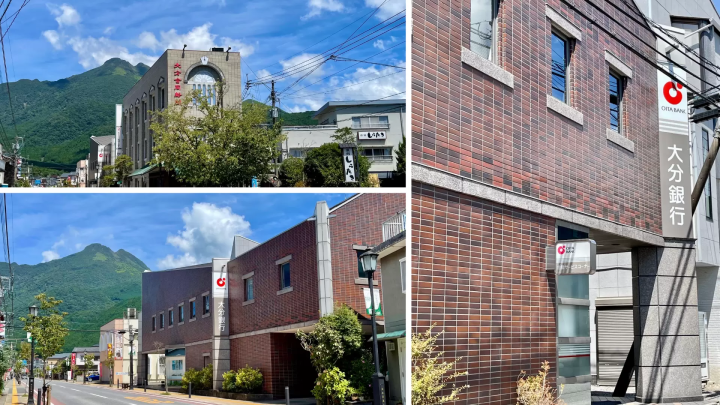
- Oita Bank Yufuin Branch: Situated approximately an 8-minute walk (500 meters) straight down Ekimae Street from JR Yufuin Station, the local Oita Bank branch provides over-the-counter currency exchange services.
- Operational Constraints: Financial investigators and tourism boards emphasize that banking hours are rigidly traditional. The Oita Bank Yufuin Branch operates from 9:00 AM to 11:30 AM, and 12:30 PM to 3:00 PM. The facility is completely closed on Saturdays, Sundays, and public holidays, and provides no evening or night services. Relying on this branch as a primary financial strategy for weekend getaways is a high-risk gamble.
Phase 4: Convenience Store Accessibility
If traditional bank branches are closed, overseas debit and credit cardholders can fall back on Yufuin’s convenience store network.
- Seven-Eleven and Lawson: Yufuin hosts accessible locations for both Seven-Eleven and Lawson convenience stores. Their internal ATMs accommodate international cards, making them the most reliable 24/7 lifeline for cash withdrawals. (Note: FamilyMart locations are absent from this specific municipal area).
Supporting Context & Metrics: Managing Coinage and Logistics
Acquiring paper currency is only half the battle; navigating Yufuin efficiently also requires an abundance of low-denomination bills and coins.
The Mechanics of Small Currency and Coinage
Public infrastructure in Japan—ranging from coin-operated lockers and regional bus fare boxes to historical shrine collection boxes and vending machines—relies heavily on exact change, 100-yen coins, and crisp 1,000-yen banknotes.
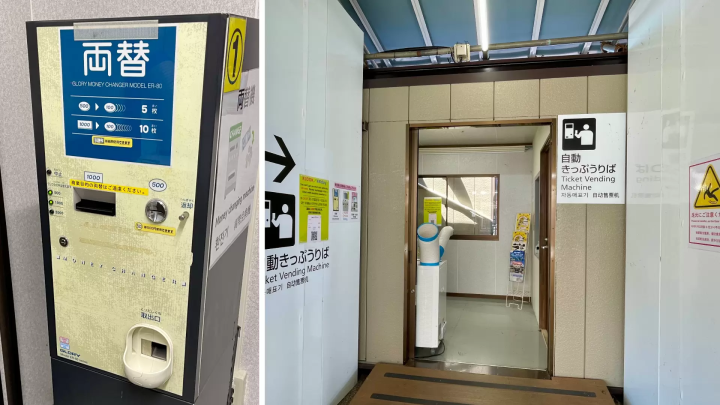
- Station Coin Exchange Infrastructure: As of 2026, JR Yufuin Station undergoes ongoing infrastructural modernization and renovation. To assist travelers, specialized coin exchange machines capable of breaking 1,000-yen notes into 100-yen coins are stationed directly adjacent to the automatic ticket vending machines near the main ticket gates.
- Coin Locker Realities: Standard luggage storage lockers scattered throughout transit zones frequently reject larger banknotes (5,000-yen and 10,000-yen bills). Travelers must deliberately maintain a healthy reserve of 100-yen coins and 1,000-yen bills to avoid being stranded with unsecured bags.
Luggage Logistics: "Yufuin Chikki" and Baggage Solutions
Dragging heavy suitcases down the crowded, cobblestone-and-asphalt pathways of Yunotsubo Kaido while hunting for cash or street food diminishes the travel experience. Fortunately, specialized infrastructure exists to streamline visitor mobility.
- Yufuin Chikki (Baggage Storage & Delivery): Located on the first floor of the Yufu City Tourist Information Center (8-5 Kawakita, Yufuin-cho), Yufuin Chikki acts as a comprehensive luggage concierge. Unlike standard automated lockers, this staffed counter accepts 5,000-yen and 10,000-yen banknotes, offering both temporary storage and direct delivery services.
- Operational Metrics & Fee Structures:
- Luggage Delivery & Collection (Affiliated Accommodations Only):
- Delivery (Check-in to Inn): 9:00 AM – 3:00 PM
- Collection (Checkout to Station): 9:00 AM – 11:30 AM
- Basic Size Tiers: SS (Paper/plastic bags): ¥300; S (Small bags): ¥600; M (Height <60cm): ¥800; L (Height 60–80cm): ¥1,000; LL (Height >80cm): ¥1,200.
- Weight Surcharges: Packages weighing between 20kg and 25kg incur an additional ¥200 fee; packages exceeding 25kg incur a ¥500 surcharge. (Note: Delivery and collection services are restricted to accommodations officially affiliated with the Yufuin Onsen Tourism Association).
- Temporary Baggage Storage (9:00 AM – 5:00 PM):
- Size S: ¥500 | Size M: ¥600 | Size L: ¥800.
- On-Site Coin Lockers: Large units priced at ¥600; small units priced at ¥500.
Official Statements and Local Insights
Local tourism officials, regional transport administrators, and municipal economic planners continue to issue synchronized advisories regarding the mismatch between modern global payment habits and regional Japanese commercial realities.
A representative from the Oita Prefecture Tourism Division noted in a recent regional briefing:
"While digital transformation is a priority across major Japanese urban centers, rural destinations like Yufuin rely heavily on a localized, community-based micro-economy. Independent artisans, multi-generational sweet makers, and family-owned ryokans often operate outside the corporate ecosystems that subsidize digital payment infrastructure. We strongly urge international travelers to respect these operational realities by securing Japanese yen prior to arrival, ensuring a mutually respectful and frictionless commercial exchange."
Furthermore, financial analysts observing inbound tourism trends emphasize that relying on international credit cards at boutique establishments in tourist towns can lead to missed cultural experiences. Many of Yufuin’s most praised culinary offerings—ranging from freshly grilled local Bungo beef skewers to hand-rolled matcha sweets—are sold from compact street stalls structurally incapable of integrating mobile POS terminals.
Future Outlook
Looking toward the remainder of the decade and beyond, the friction between cashless international tourists and cash-reliant rural vendors in destinations like Yufuin is expected to evolve through targeted infrastructure investments.
While regional municipal authorities are slowly expanding digital integration points—such as QR-code-based municipal guides and sporadic smart-pay trials at select tourist hubs—complete systemic transition remains distant. The high cost of terminal maintenance, unstable cellular connectivity in deep mountain valleys, and a deep-seated cultural preference for physical currency among regional merchants ensure that cash will remain king in Yufuin for the foreseeable future.
For the modern traveler, understanding and adapting to this reality is the ultimate key to unlocking the region’s charm. By factoring financial preparation into the initial itinerary planning phase—utilizing exchange kiosks in Fukuoka, stopping at WANDER COMPASS Beppu, stocking up on 1,000-yen bills and 100-yen coins, and leveraging luggage concierge services like Yufuin Chikki—visitors can guarantee a seamless, stress-free exploration of one of Japan’s most treasured hot spring sanctuaries.



Belum ada komentar. Jadilah yang pertama berkomentar!