As the oppressive humidity and scorching temperatures of the Japanese summer gradually yield to the crisp, refreshing breezes of early autumn, Tokyo undergoes a profound atmospheric transformation. September in the Japanese capital is not merely a seasonal transition; it is a cultural inflection point. Here, centuries-old Shinto and Buddhist traditions coexist seamlessly with the hyper-modern architecture, avant-garde art installations, and vibrant subcultures that define contemporary urban life.
For travelers, cultural historians, and urban explorers alike, September presents an optimal window for engagement. The city’s calendar bursts with a diverse array of annual celebrations, ranging from the thunderous, earth-shaking footsteps of grand sumo wrestlers and the solemn, historical pageantry of Edo-period processions to hypnotic moon-viewing rituals and sprawling pop-culture art festivals. This comprehensive guide details the ten premier events shaping Tokyo’s cultural landscape this September, offering an authoritative roadmap to navigating the capital during one of its most dynamic months of the year.
Detailed Chronology of September Events in Tokyo
The capital’s September itinerary is dense, highly synchronized, and geographically diverse, spanning everything from hyper-local neighborhood shrines to vast riverbanks on the city’s suburban periphery.
1. Kitazawa Hachiman Shrine Autumn Festival (September 5 – 6)
Location: Shimokitazawa area (Shimokitazawa Station)
The Experience: Initiating the month’s festival calendar, the Kitazawa Hachiman Shrine Autumn Festival brings a striking, dynamic clash of eras to the trendy, bohemian streets of Shimokitazawa. Over twenty heavy, intricately carved mikoshi (portable shrines) weave through narrow back alleys lined with indie coffee shops, vintage record stores, and avant-garde clothing boutiques. The energetic, rhythmic shouts of traditional shrine bearers echo against modern storefronts, creating an electric atmosphere where sacred heritage intersects with Tokyo’s quintessential youth counterculture. The shrine grounds come alive with traditional kagura dance performances and classic yatai food stalls.
2. Akasaka Hikawa Festival (September 11 – 15)
Location: Akasaka Hikawa Shrine
The Experience: Situated in the heart of central Tokyo’s bustling commercial and residential district, the Akasaka Hikawa Shrine hosts a magnificent three-day autumn matsuri honoring the area’s guardian deities. Established centuries ago, the festival features vibrant parades where participants carry portable shrines and pull towering, historic dashi floats adorned with legendary samurai and mythological figures. When night falls, these grand floats are illuminated by glowing paper lanterns, creating a breathtaking visual contrast against the sleek skyscrapers of modern Akasaka.
3. Kichijoji Autumn Festival (September 12 – 13)
Location: Musashino Hachimangu Shrine and Kichijoji Station
The Experience: Consistently ranked as one of Tokyo’s most desirable neighborhoods to live in, Kichijoji elevates its community spirit during its annual autumn festival. More than ten local districts unite to parade ornate mikoshi directly through famous covered shopping arcades like Sunroad and the labyrinthine alleyways of Harmonica Yokocho. Energetic teams navigate dense, enthusiastic crowds propelled by the rhythmic beats of live hayashi bands playing traditional flutes and drums.
4. Aki Basho – September Grand Sumo Tournament (September 13 – 27)
Location: Ryogoku Kokugikan (Sumo Arena)
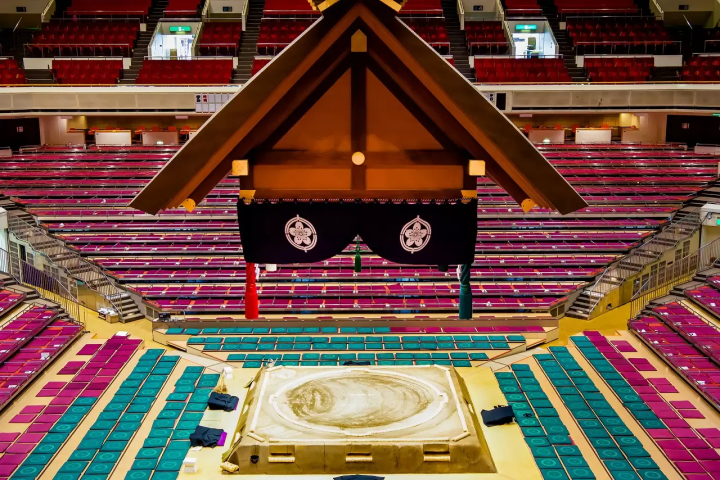
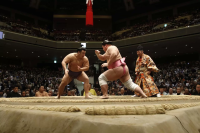
The Experience: As one of Japan’s six official annual grand tournaments, the Aki Basho is the pinnacle of professional sumo. Top rikishi (wrestlers) compete in high-energy, high-stakes bouts across two full weeks at the historic Ryogoku Kokugikan. While official tournament tickets frequently sell out months in advance, visitors can still immerse themselves in the sport by booking guided tours of professional sumo stables to witness morning training (keiko), or by visiting interactive venues such as the Tokyo Sumo Festival in Ginza.
5. Moon Art Night Shimokitazawa (September 18 – October 4)
Location: Shimokita Senrogai Open Space, Bonus Track, Setagaya-Daita Station, and surrounding venues
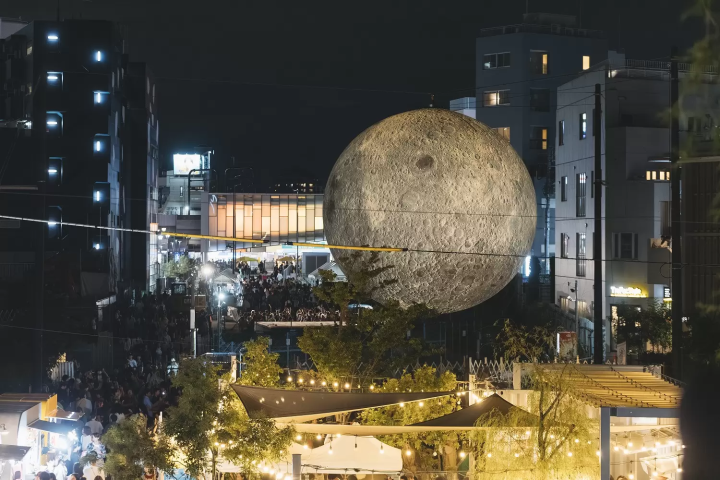
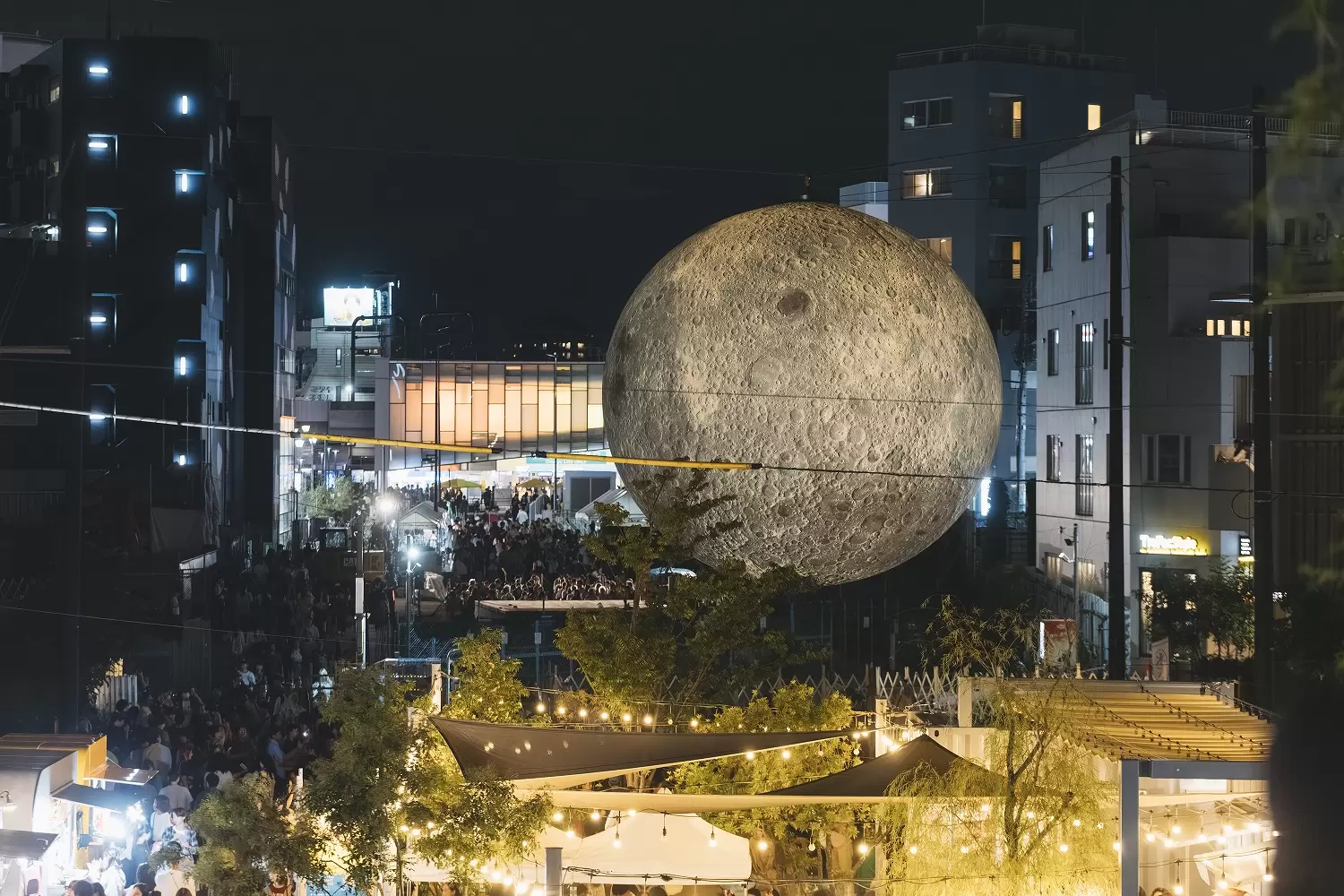
The Experience: Celebrating its milestone fifth anniversary, this 17-day multidisciplinary festival turns the creative hub of Shimokitazawa into a celestial wonderland. Featuring nearly one hundred moon-themed art displays, outdoor light installations, live musical performances, and immersive theater, the festival’s centerpiece is Luke Jerram’s iconic, seven-meter-diameter "Museum of the Moon" globe suspended in open-air spaces. Rooftop stargazing and evening workshops add to the contemplative yet playful atmosphere.
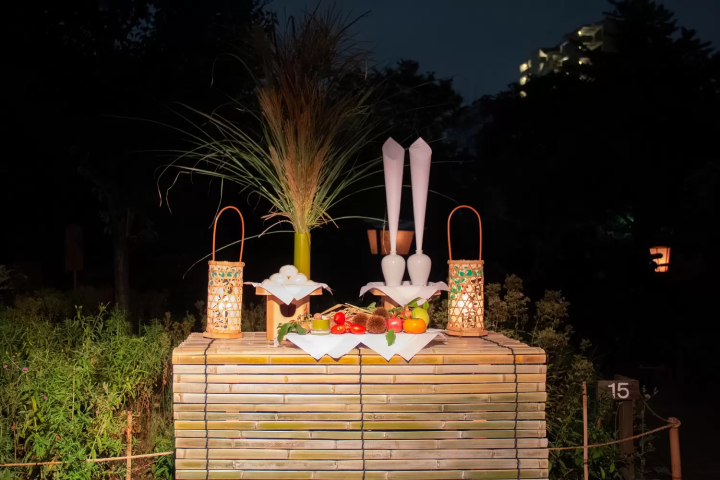
The Experience: Rooted in the ancient Tsukimi tradition, this event honors the autumn equinox full moon. Mukojima-Hyakkaen Gardens hosts a serene gathering where visitors partake in classical moon-viewing rituals accompanied by seasonal dango rice cakes, autumn vegetables, and the haunting, delicate melodies of the shinobue flute. Scheduled performances feature traditional koto harpists, soulful shinnai nagashi balladeers, and open-air matcha tea ceremonies.
7. Shinagawa Shukuba Matsuri Festival (September 26 – 27)
Location: Kita-Shinagawa Station to Aomono-Yokocho Station / Honsenji Temple
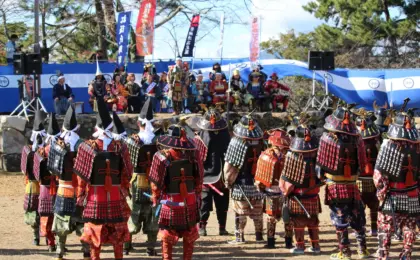
The Experience: Marking Shinagawa’s historical significance as the very first post town along the historic Tokaido highway—which connected Edo to Kyoto during the Tokugawa shogunate—this two-day festival offers a living history lesson. A magnificent costumed parade features participants dressed as elegant geishas, armored samurai, and Edo-era townsfolk walking the original route. Simultaneously, Honsenji Temple hosts the dramatic hiwatari (fire-walking) ritual, where ascetics walk across burning coals to purify the soul and pray for public health.
8. Fukuro Matsuri & Tokyo Yosakoi Dance Finals (September 26 – 27; October 10 – 11)
Location: Ikebukuro Station West Exit Square
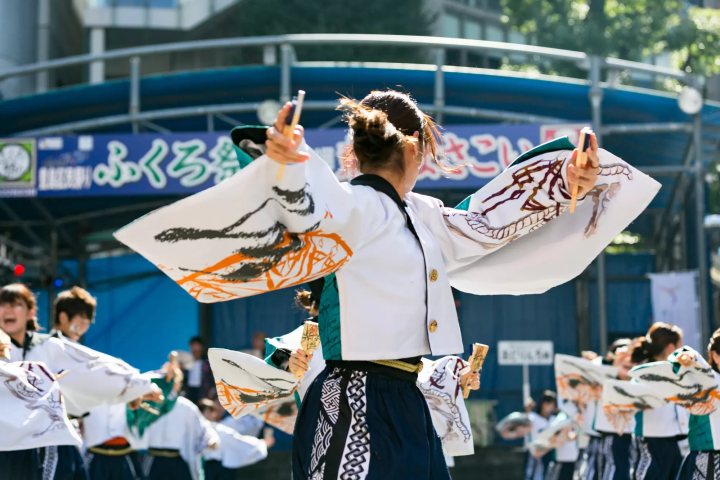
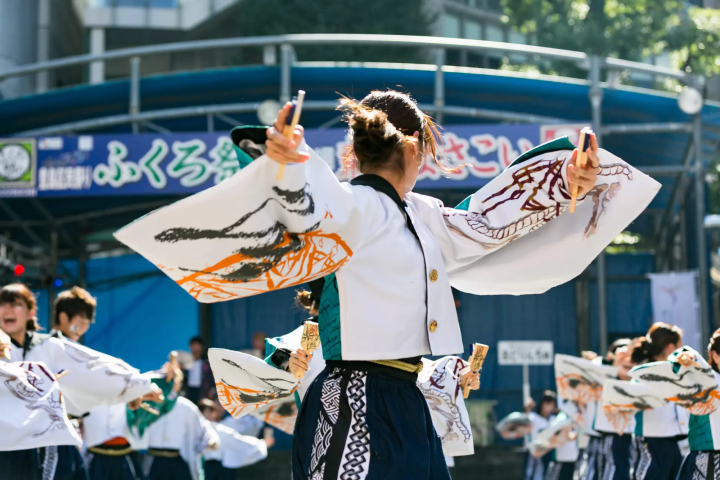
The Experience: Established in 1968 by local shopkeepers to revitalize western Ikebukuro, the Fukuro Matsuri has evolved into one of the city’s grandest autumn spectacles. Late September brings massive mikoshi parades, traditional lion dances, and thunderous taiko drumming to the station plaza. This high-energy event serves as the official prelude to the sprawling Tokyo Yosakoi dance finals held the following month.
9. Nezu Jinja Shrine Annual Grand Festival (September 26 – 27)
Location: Nezu Shrine
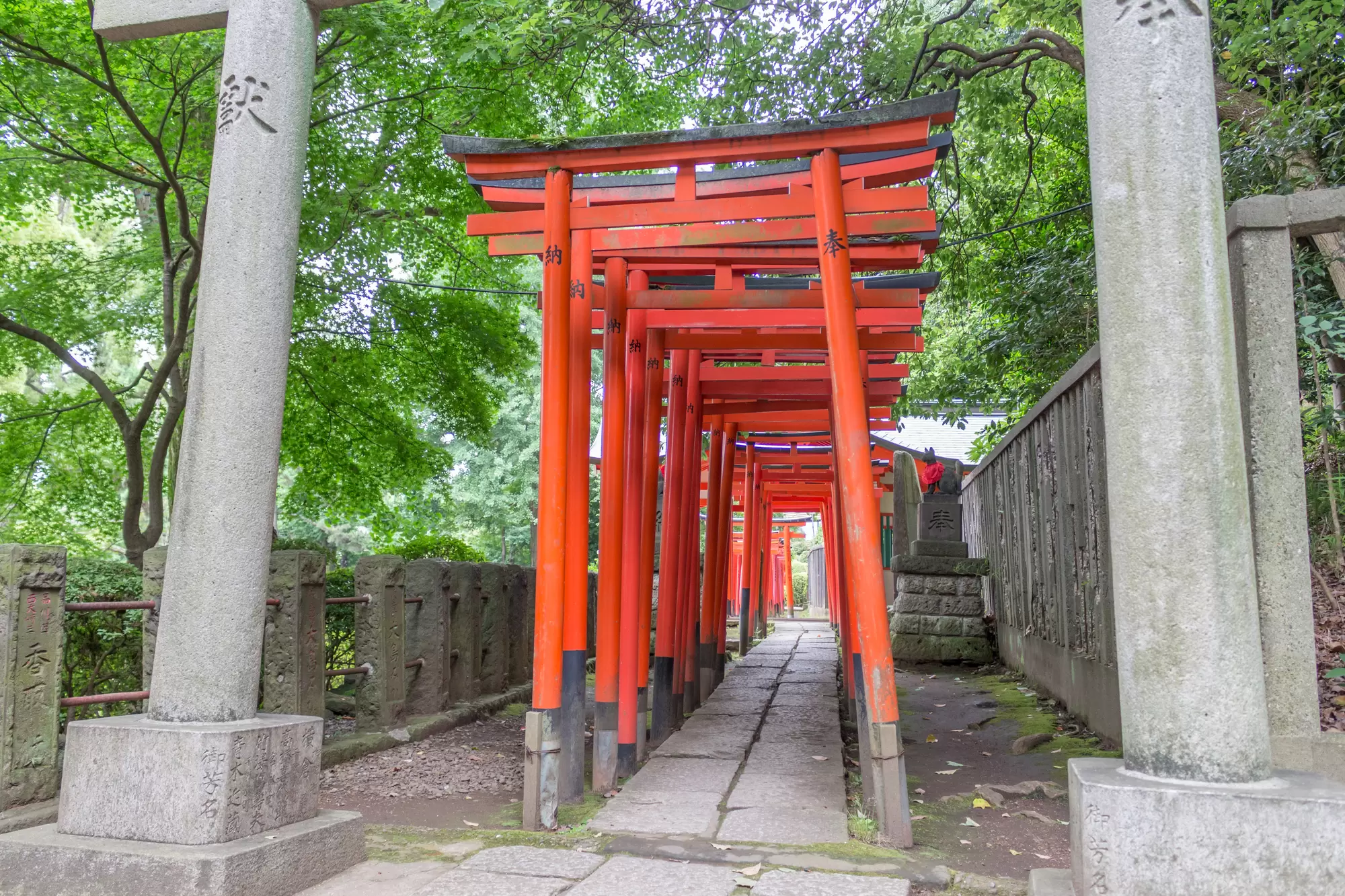
The Experience: Founded, according to legend, nearly 1,900 years ago and established at its current shrine grounds in 1706 by Shogun Tokugawa Ienobu, the Nezu Jinja Shrine festival is designated as one of Tokyo’s top three Edo-period celebrations. Set against buildings designated as Important Cultural Properties, the festival features gongen taiko drumming, urayasu court dances, and bustling food stalls. Crucially, the 2026 iteration features the Shinkosai—a rare procession of the main portable shrine that occurs only once every four years.
10. Kinchakuda Red Spider Lily Festival (September 2 – October 6)
Location: Kinchakuda Manjushage Park (Hidaka City; Day trip from central Tokyo)
The Experience: Lying just beyond the city limits in Saitama Prefecture, Kinchakuda Manjushage Park hosts Japan’s most awe-inspiring early-autumn botanical display. Carried downstream by river currents over generations, an astonishing five million red spider lilies (higanbana) bloom simultaneously beneath a forest canopy along the Koma River, creating a vast, crimson floral carpet interspersed with rare white blooms.
Supporting Context & Metrics
To fully understand the structural impact of these September events, urban analysts and tourism boards look to several operational metrics:
Geographic Distribution: Unlike the hyper-concentrated cherry blossom viewing (sakura) season in spring—which heavily stresses central parks like Ueno and Shinjuku Gyoen—September events are distributed across diverse neighborhoods. This decentralization helps mitigate overcrowding, directing traffic toward residential and commercial hubs such as Shimokitazawa, Ikebukuro, Kichijoji, and Shinagawa.
Economic Impact: Neighborhood festivals (matsuri) play a critical role in local commerce. Events like the Kichijoji Autumn Festival and Fukuro Matsuri inject millions of yen directly into small-business ecosystems, bolstering independent retailers, local restaurants, and family-owned food stalls (yatai).
Cultural Preservation Metrics: With rituals such as the Nezu Shrine’s quadrennial Shinkosai and Shinagawa’s hiwatari fire-walking ceremony, September serves as a living archive. These events require the coordinated labor of hundreds of preservation societies (ujiko), ensuring that intangible cultural heritage is actively passed down to younger generations of Tokyoites.
Official Statements and Institutional Perspectives
City officials and cultural authorities have increasingly emphasized the importance of balancing traditional preservation with sustainable urban tourism as Tokyo welcomes record numbers of international visitors in the post-pandemic era.
"Tokyo’s autumn calendar represents a delicate equilibrium between our deep-rooted historical identity and our identity as a global metropolis," noted a representative from the Tokyo Convention & Visitors Bureau. "Events like the Nezu Shrine Grand Festival and the Aki Basho are not manufactured tourist attractions; they are living, breathing communal rituals that have anchored our neighborhoods for centuries. Our priority is ensuring that visitors can engage with these traditions respectfully and safely."
Urban planners focusing on district-level activations, such as the organizers behind Moon Art Night Shimokitazawa, emphasize the role of contemporary art in reactivating urban spaces:
"By superimposing large-scale contemporary art installations onto historical neighborhoods, we create a dialogue between past and present. Shimokitazawa is famous for its independent subculture, and this festival harnesses that creative energy to offer residents and travelers a fresh perspective on urban public spaces after dark."
Future Outlook: The Evolution of Tokyo’s Autumn Calendar
As Tokyo looks toward the middle of the 21st century, the structural framework of its September events is undergoing subtle yet significant modernization. Municipal authorities are increasingly integrating digital wayfinding, multilingual translation services, and crowd-monitoring technology to manage attendance at high-density festivals like the Aki Basho and the Kinchakuda Spider Lily Festival.
Furthermore, climate change has introduced new variables into early-autumn scheduling. Extended summer heatwaves have shifted peak blooming periods for botanical events like the Kinchakuda higanbana, prompting park administrators to adopt adaptive horticultural strategies to ensure these natural spectacles align with festival calendars.
Despite these environmental and infrastructural shifts, the core soul of September in Tokyo remains remarkably resilient. By anchoring modern urban life to ancient communal rhythms—whether through the roar of sumo bouts in Ryogoku, the quiet contemplation of a moon-viewing poetry reading in Mukojima, or the clashing mikoshi shrines of Shimokitazawa—Tokyo continues to prove that its greatest strength lies in its ability to honor its past while boldly innovating its future.







Belum ada komentar. Jadilah yang pertama berkomentar!