

Executive Overview
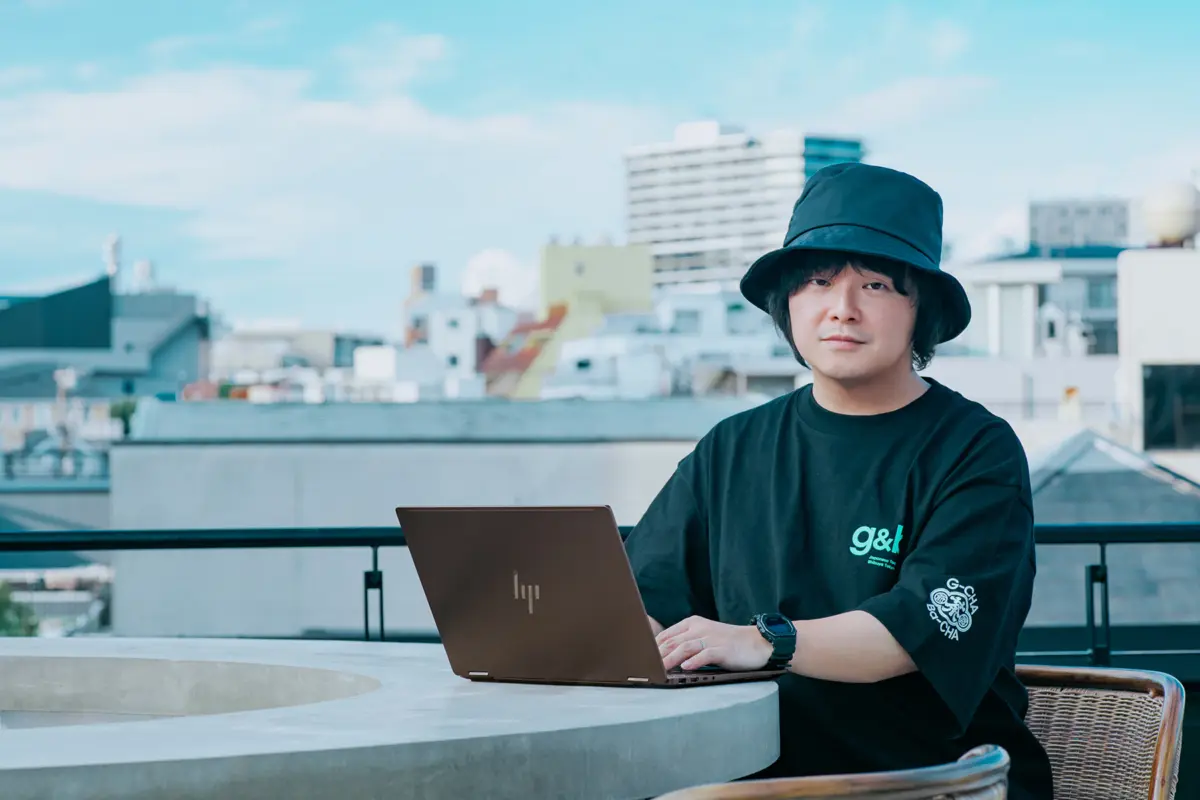
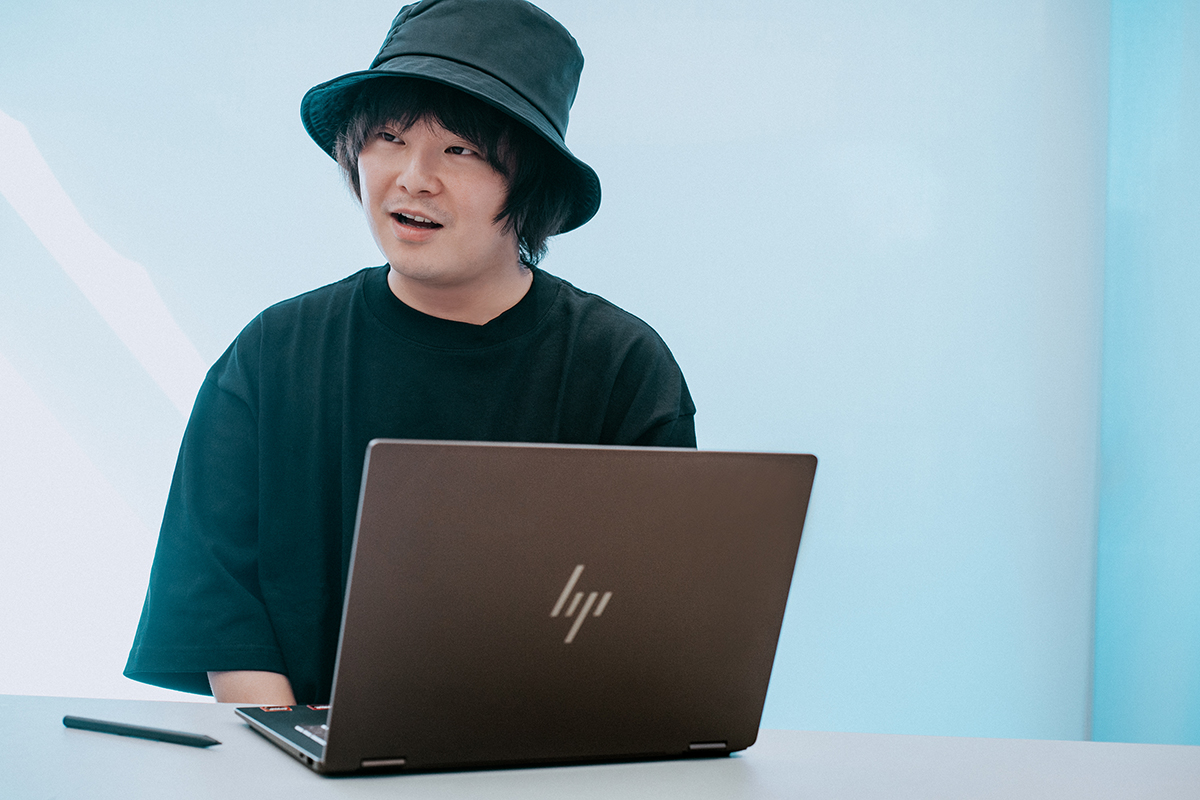
In the rapidly shifting paradigm of modern consumer technology, the intersection of advanced Artificial Intelligence (AI) and high-performance hardware has transitioned from a theoretical concept into an everyday reality. Over recent years, major technology developers and hardware manufacturers have aggressively shifted their focus toward integrating robust, local machine learning capabilities directly into consumer devices. Leading this charge is HP, whose latest generation of AI-driven personal computers—exemplified by cutting-edge devices like the HP OmniBook X Flip 14 AI PC—are fundamentally reshaping how professionals, creators, and everyday users interact with digital tools.
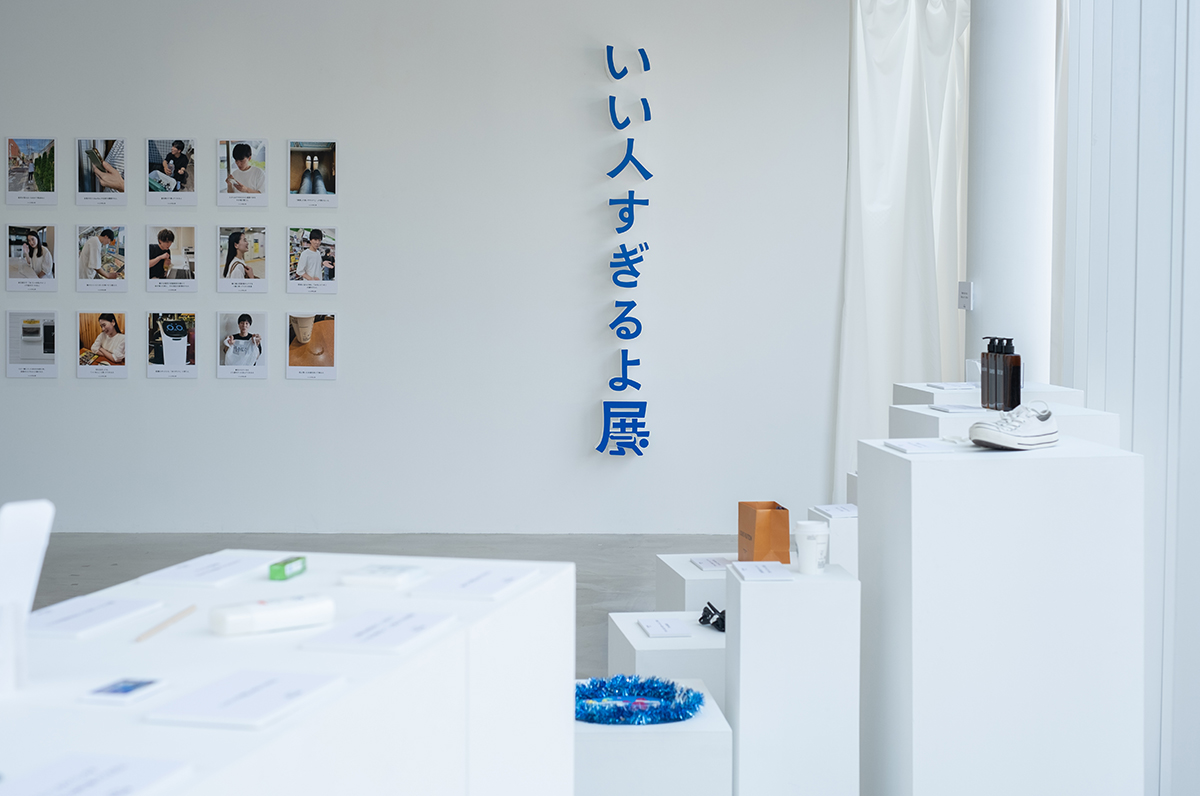
Concurrently, the marketing and creative industries are undergoing a massive transformation. As digital fatigue sets in among consumers, brands are moving away from traditional, broadcast-style advertising. Instead, they are embracing hyper-personalized, narrative-driven experiences that merge technology with unexpected real-world interactions. A prime example of this creative pivot is the viral success of projects like "G-CHA & Ba-CHA," a groundbreaking conceptual initiative that highlights the deep emotional resonance of blending advanced hardware with human-centric storytelling.

This comprehensive report explores the symbiotic relationship between cutting-edge AI PC hardware and innovative marketing strategies, analyzing how industry leaders are navigating this transitional era to build deeper, more meaningful connections with their audiences.
Detailed Chronology: The Rise of AI-Driven Computing and Creative Marketing
The current technological landscape did not materialize overnight; it is the culmination of years of strategic pivots, hardware breakthroughs, and changing consumer expectations.

The Foundation Years (2020–2023)
- 2020: The global landscape shifted dramatically, forcing companies to reevaluate remote work infrastructure, digital communication, and virtual collaboration. During this period, organizations specializing in experiential marketing and interactive storytelling—such as CHOCOLATE Inc. and various creative agencies—began experimenting with alternative digital formats.
- 2023: As physical-digital boundaries began to blur, major tech firms laid the groundwork for dedicated neural processing units (NPUs). Early iterations of AI-assisted hardware focused primarily on cloud-based processing, which presented latency challenges and privacy concerns. However, the foundational groundwork for local AI integration was firmly established.
The Acceleration Phase (2024–2025)
- The Shift to Localized Processing: Recognizing the limitations of cloud-dependent AI, hardware manufacturers began engineering processors capable of handling massive language models (LLMs) and generative algorithms locally on the device.
- Creative Disruption in Advertising: Simultaneously, traditional advertising methods faced diminishing returns. Creative directors began turning to immersive, interactive campaigns—such as secret experiential spaces, gamified retail environments, and surprise-and-delight public activations—to capture dwindling consumer attention spans.
The Modern Era (2026 and Beyond)
- The Mainstreaming of AI PCs: By 2026, AI PCs had transitioned from a niche luxury for tech enthusiasts into an essential standard for productivity. Devices featuring advanced NPUs capable of delivering 40 to 50+ TOPS (Tera Operations Per Second) became ubiquitous in enterprise and consumer markets alike.
- The "G-CHA & Ba-CHA" Phenomenon: In early 2026, creative campaigns that bridged generational divides captured the public imagination. By pairing elderly participants with state-of-the-art interactive technology, these campaigns demonstrated that technological literacy is not bound by age, opening up entirely new avenues for inclusive product design.
Supporting Context & Metrics: The Hardware Revolution
To understand the rapid adoption of AI PCs, one must examine the underlying hardware metrics that make modern machine learning applications possible on consumer-grade devices.
+-----------------------------------------------------------------+
|                     Evolution of Consumer PCs                   |
+---------------------------------+-------------------------------+
| Traditional PC Architecture     | Modern AI PC Architecture     |
+---------------------------------+-------------------------------+
| - CPU/GPU focused processing    | - Dedicated NPU (40+ TOPS)    |
| - Cloud-dependent AI features   | - Local LLM execution         |
| - Standard battery efficiency   | - Optimized power management  |
| - High latency for complex tasks| - Instantaneous local response|
+---------------------------------+-------------------------------+
The Power of the Neural Processing Unit (NPU)
The defining characteristic of the modern AI PC is the incorporation of a dedicated Neural Processing Unit. Unlike traditional Central Processing Units (CPUs) and Graphics Processing Units (GPUs)—which were designed for general computing and rendering, respectively—NPUs are purpose-built to accelerate machine learning tasks.

Modern AI PCs boast NPU performance metrics exceeding 50 TOPS. This computing power allows users to run complex Large Language Models (LLMs) locally without an active internet connection. The benefits of local execution are manifold:
- Enhanced Privacy: Sensitive data processed by AI models remains on the device, eliminating the security risks associated with cloud transmission.
- Reduced Latency: Local execution bypasses network congestion, resulting in instantaneous responses for voice recognition, real-time translation, and generative content creation.
- Energy Efficiency: Offloading AI workloads to dedicated neural hardware preserves battery life, allowing mobile professionals to utilize advanced AI assistants throughout the workday without being tethered to a power outlet.
Market Adoption and Consumer Trends
Industry data from 2025 and 2026 indicates that enterprise adoption of AI-enabled hardware has surpassed initial projections. Organizations are no longer viewing AI as an optional feature; they recognize it as a core productivity driver. Consequently, hardware manufacturers have accelerated their product lifecycles, releasing iterative updates that push the boundaries of form factor design, thermal management, and battery longevity.
Official Statements & Industry Perspectives
Industry leaders, creative directors, and hardware engineers have been vocal about the convergence of artificial intelligence and experiential marketing.
Bridging the Generation Gap Through Technology
Speaking on the recent wave of human-centric marketing campaigns, a leading creative director noted: "We are seeing a profound shift in how consumers interact with technology. For too long, the tech industry has chased younger demographics at the expense of older generations. Campaigns like ‘G-CHA & Ba-CHA’ prove that when you design technology with empathy and intuitive interfaces, age is entirely irrelevant."

This sentiment is echoed by hardware manufacturers who are redesigning their user interfaces to accommodate a broader demographic. By simplifying complex AI workflows into natural language prompts, brands are democratizing access to advanced computing power.
The HP Perspective: Powering the Future of Work
As a pioneer in the personal computer space, HP has consistently championed the concept of the "Future of Work." In official corporate communications, HP executives emphasize that the modern PC must act as an intelligent co-pilot for the user.
"Our goal is not merely to build faster machines, but to empower individuals to achieve more with less friction. The integration of advanced AI capabilities into form-factors like the HP OmniBook X Flip 14 AI PC represents a watershed moment for personal computing. We are putting enterprise-grade intelligence into the hands of everyday users, securely and efficiently." — HP Corporate Statement
Future Outlook: What Lies Ahead for AI PCs and Creative Media
As we look toward the horizon, the trajectory of consumer technology and digital marketing points toward deeper integration, increased personalization, and a relentless focus on user empowerment.

1. Ubiquitous AI Integration
In the coming years, the distinction between a "standard PC" and an "AI PC" will disappear entirely, as neural processing capabilities become a standard component of every silicon chip manufactured. As software developers continue to build sophisticated AI-native applications, consumer expectations will shift. Tasks that currently require manual intervention—such as video editing, data analysis, and cross-lingual translation—will be handled seamlessly in the background by intelligent agents.
2. The Evolution of Experiential Marketing
The success of campaigns that blend cutting-edge hardware with emotional, multi-generational storytelling indicates a permanent shift in advertising. Brands will increasingly rely on immersive, interactive experiences to build brand loyalty. Rather than pushing passive advertisements, companies will invite consumers to participate directly in the creative process, utilizing AI tools to co-create personalized brand narratives.

3. Ethical Considerations and Data Sovereignty
As local AI processing becomes more powerful, questions surrounding data sovereignty, model bias, and digital ethics will take center stage. Industry leaders will be tasked with ensuring that local AI models remain transparent, secure, and respectful of user privacy. The companies that successfully navigate these ethical considerations while continuing to innovate will define the next era of digital technology.
Conclusion
The convergence of AI PC hardware and emotionally resonant creative storytelling marks a pivotal chapter in the evolution of modern technology. Through pioneering hardware developments—such as the HP OmniBook X Flip 14 AI PC—and imaginative public campaigns like "G-CHA & Ba-CHA," the tech and creative industries are proving that innovation is most powerful when it brings people together. As we move forward, the challenge for developers and creators alike will be to harness these powerful new tools in service of human connection, ensuring that the technology of tomorrow serves to enrich, empower, and inspire us all.





Belum ada komentar. Jadilah yang pertama berkomentar!