


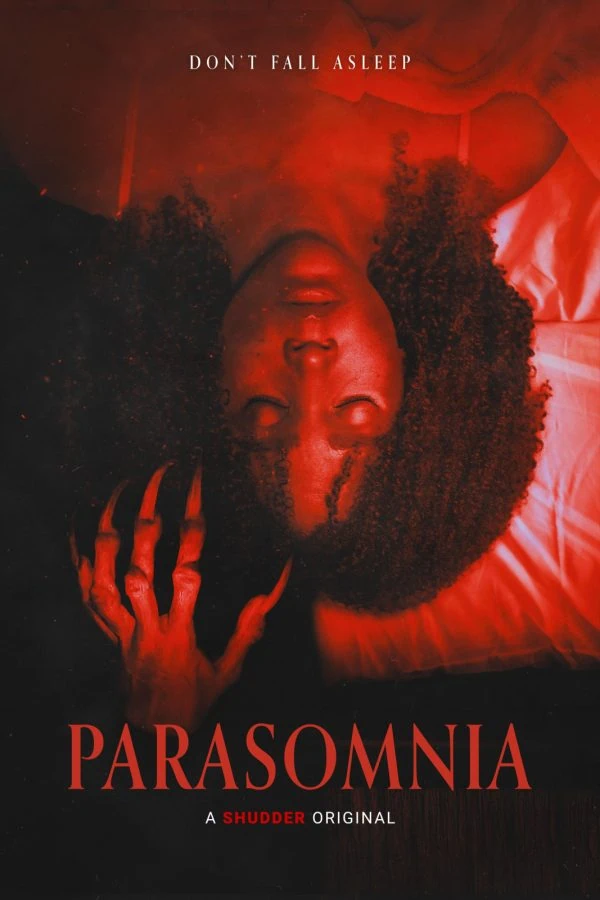
In the rapidly evolving landscape of contemporary independent cinema, the horror genre frequently serves as a crucible for exploring profound psychological wounds. Enter Parasomnia (2025), a visceral and psychologically rich addition to the cinematic landscape, directed by James Ross II. Featuring a dynamic ensemble cast led by Jasmine Mathews, RJ Brown, Sally Stewart, Stephen Barrington, and Simon Longnight, the film transcends standard genre tropes by anchoring its blood-soaked narrative in a deeply empathetic exploration of trauma, grief, and the fragility of the human psyche.
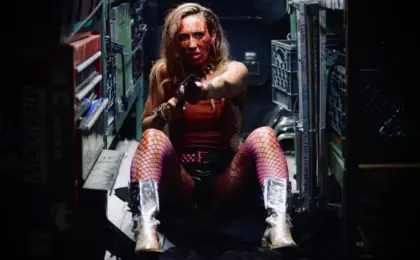
At its core, Parasomnia follows Riley (portrayed with magnetic intensity by Mathews), a woman whose formative years were violently upended by a brutal, indiscriminate massacre at the group home where she lived. Ten years later, on the anniversary of her birth, the ghosts of her past violently intersect with her present. What begins as an intimate reunion—featuring her boyfriend, Cam (RJ Brown), and the only other known survivor of the tragedy, David, alongside his partner—quickly devolves into a harrowing descent.
Riley lives with a rigid, non-negotiable nocturnal regimen designed to keep lifelong night terrors at bay, chief among them being the absolute rule that everyone in her vicinity must fall asleep before she does. When this crucial boundary is inevitably breached, it catalyzes a devastating chain reaction of tragic events, unearthing buried secrets and inviting a malignant, otherworldly presence known as "The Seer" into their reality.
Far more than a standard slasher or creature feature, Parasomnia utilizes its high-concept premise to examine the inescapable nature of grief. By blending traditional indie horror grit with inventive psychological surrealism, director James Ross II has crafted a standout release that demands critical attention, earning strong critical reception for its technical execution, practical effects work, and standout lead performances.

Detailed Chronology
The narrative trajectory of Parasomnia is meticulously structured, moving from immediate, brutal shock to creeping psychological dread, before culminating in a breathless, relentless final act.
The Catalyst: The Group Home Massacre
The film opens with zero hesitation, thrusting audiences directly into a harrowing, bloody set-piece. Set a decade prior to the main events of the story, the sequence depicts a savage massacre tearing through the group home shared by teenage residents Riley and David. Director Ross II does not shy away from the carnage; the opening minutes are drenched in practical gore and unrelenting terror. This traumatic event acts as the foundational trauma for both survivors, permanently altering their neurological and emotional development, and setting a high-stakes baseline for everything that follows.
The Calm Before the Storm: A Ten-Year Reunion
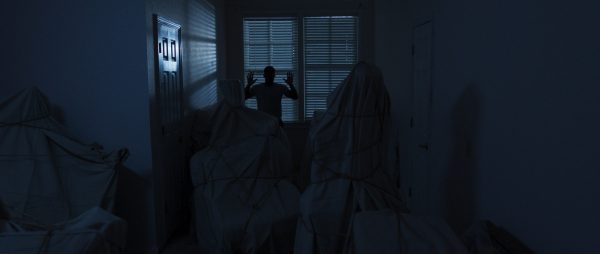
Following the explosive opening, the narrative shifts forward ten years to Riley’s birthday. The tone temporarily pivots to a tense domestic drama. Viewers are introduced to the adult Riley and David, alongside their respective partners. On the surface, an attempt at celebration is underway. However, underlying currents of unease permeate every interaction. Riley instructs her guests on unusual breathing and relaxation techniques designed to induce instantaneous sleep—a behavioral quirk tied to her strict bedtime rules.
While initially appearing as quirky neuroticism, the narrative quickly establishes that these rules are vital survival mechanisms. The peace is short-lived. Once the crucial rule—mandating that Riley must be the last to fall asleep—is broken, the psychological infrastructure of the gathering collapses.
Descent into the Nightmarescape
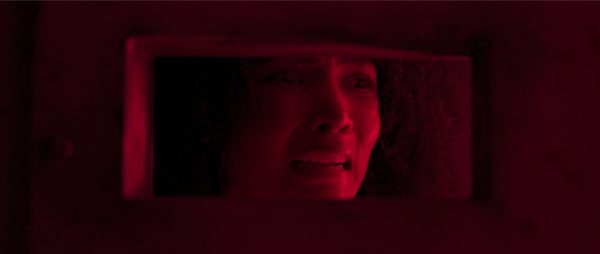
As the night deepens, the film bridges waking reality with the surreal, nightmarish dimensions of Riley’s parasomnia. Her sleep terrors are not merely frightening dreams; they manifest as a labyrinthine purgatory. In this internal landscape, Riley is endlessly pursued through shifting corridors, while incarcerated within prison-like cells are the spectral manifestations of loved ones she has lost.
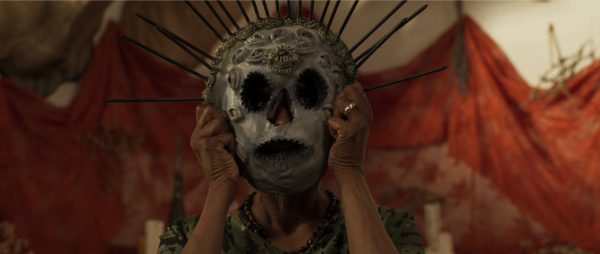
Cinematically, these sequences represent some of the film’s finest achievements. Utilizing aggressive crimson lighting and fractured, disjointed burst-shots, the production design successfully mimics the erratic, logic-defying geometry of true nightmares. Within this netherworld operates "The Seer," an entity that acts as the physical and supernatural embodiment of past trauma. The film frequently shifts to The Seer’s point-of-view, utilizing a distinctive fishbowl lens encircled by shifting prisms to denote an omnipresent, otherworldly gaze.
The Unraveling and Climax
As the boundaries between waking life and the nightmarescape dissolve, secrets are brought to light, and character motivations are pushed to their breaking points. Cam, grappling with the unresolved grief of his father’s murder years prior, spirals down a self-destructive path that endangers everyone in the house. The narrative maintains a relentless pace from this point onward, refusing to grant the audience or the characters any respite.
While the climax successfully delivers on the promised genre thrills, it introduces a degree of convolution regarding the ultimate motivations of its antagonists, suggesting alternative pathways the narrative could have taken to reach its devastating conclusion. Nevertheless, the journey to the final frame remains an exhilarating exercise in indie horror craftsmanship.
Supporting Context & Metrics
Thematic Exploration: The Anatomy of Grief
While Parasomnia utilizes the trapping of a horror film to deliver scares, its intellectual and emotional weight rests squarely on its study of grief. The film posits that grief is not a linear process with a definitive end, but rather a permanent architectural shift in a person’s identity.
- Riley’s Control: Riley attends a grief support group—where she ultimately met Cam—and projects an image of recovery. Yet, her refusal to shed a tear highlights a pathological need for total control. She operates under the terrifying assumption that allowing her emotional defenses to slip for even a fraction of a second will invite total annihilation.
- Cam’s Collapse: Conversely, Cam exemplifies the corrosive nature of unresolved grief. His inability to process the historical murder of his father drives him to make erratic, desperate choices, illustrating how past traumas can hijack the present if left unaddressed.
Production and Technical Metrics
Produced within the independent film ecosystem, Parasomnia punches well above its weight class through disciplined resource allocation and high technical proficiency:
- Practical Effects vs. CGI: Eschewing the cheap, overly polished look of digital blood, the production heavily favored practical gore effects. While certain sequences are undeniably difficult to watch due to their uncompromising brutality, the tactile authenticity of the effects grounds the supernatural elements in visceral reality.
- Cinematography: The visual dichotomy between the sterile, quiet tension of the real-world house and the saturated, prismatic nightmare-realm demonstrates a sophisticated understanding of visual storytelling. The fishbowl prism shots used for The Seer provide an instant visual shorthand for alien omniscience without relying on exposition.
- Critical Reception: Review aggregators and outlets such as Flickering Myth have praised the film as a standout indie release of the year. Critics have consistently highlighted its ability to balance high-concept supernatural horror with grounded emotional stakes, awarding the film strong marks across both general execution and specific cinematic achievements.
Official Statements and Cast/Crew Insights
The success of Parasomnia is largely attributable to the creative vision of director James Ross II and the exceptional execution of its principal cast. Industry commentary surrounding the film’s release has heavily emphasized the character-driven nature of the screenplay, which treats horror not merely as a vehicle for jump scares, but as a legitimate dramatic medium.
Jasmine Mathews, reflecting on her demanding role as Riley, approached the character with an emphasis on the delicate equilibrium between internal terror and external fortitude. Critics have universally lauded Mathews for walking this tightrope with aplomb, ensuring that the audience remains deeply invested in the physical and psychological stakes of the narrative.
Similarly, RJ Brown’s portrayal of Cam received widespread acclaim for introducing a layer of tragic vulnerability to the proceedings. Industry reviewers noted that Brown’s performance successfully elicits audience sympathy by the film’s conclusion, transforming what could have been a standard archetype into a deeply human, flawed figure crushed beneath the weight of his own history.
Director James Ross II has been commended within independent film circles for maintaining tight narrative control over a complex supernatural premise, grounding otherworldly threats like The Seer in tangible emotional truths about human trauma.
Future Outlook
As Parasomnia continues to make waves across the independent horror circuit, its trajectory points toward a bright future for its key creative talents. In a cinematic marketplace often saturated by sequels, reboots, and formulaic studio horror, Parasomnia proves that original, character-driven nightmares still hold immense power over audiences.
The film’s success highlights a growing appetite for elevated indie horror that refuses to choose between intelligent thematic exploration—such as the complex mechanics of grief and PTSD—and unbridled genre thrills. For James Ross II, the film serves as a definitive calling card, establishing him as a filmmaker with a sharp eye for atmospheric tension, visual world-building, and visceral storytelling.
Furthermore, standout performances by Jasmine Mathews and RJ Brown are expected to open doors to elevated roles within both the genre sphere and mainstream dramatic cinema. As Parasomnia finds its permanent audience on streaming and home video platforms, it is poised to achieve cult classic status, cementing its place as one of the most intellectually and viscerally rewarding independent horror offerings of the mid-2020s.






Belum ada komentar. Jadilah yang pertama berkomentar!