

Executive Overview
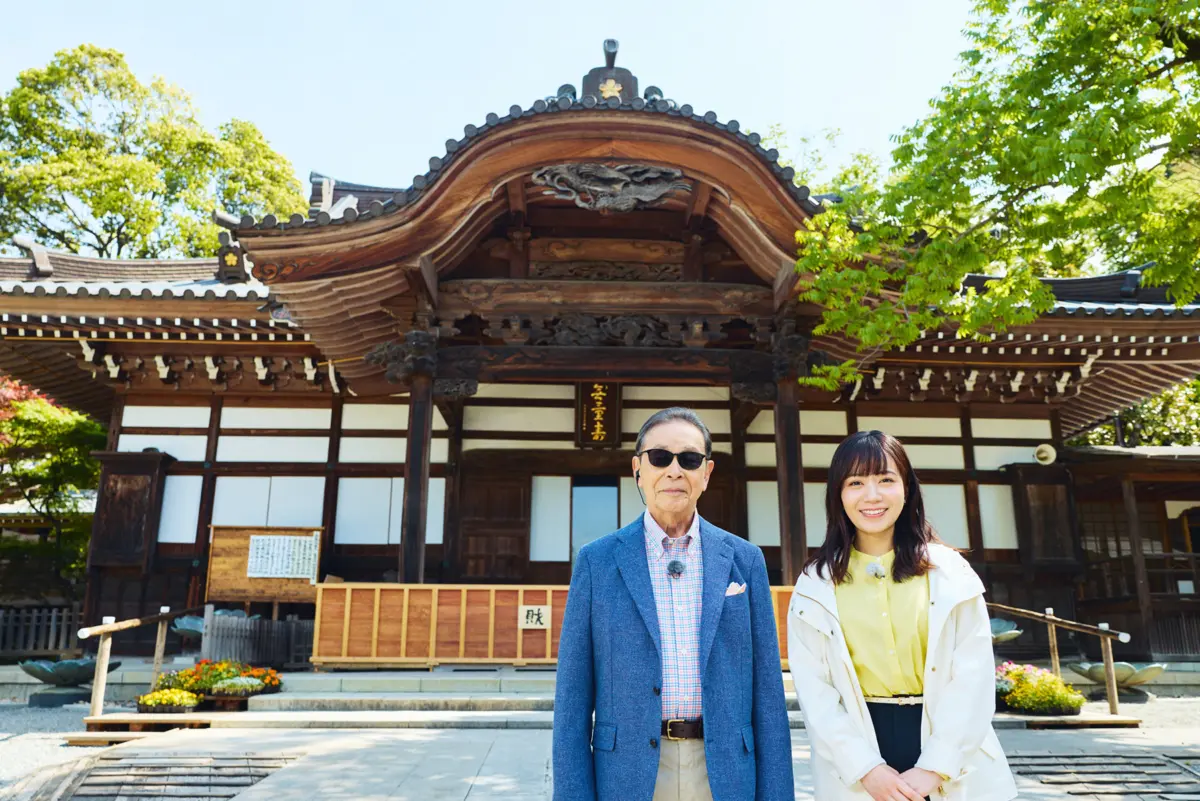
For over a decade, NHK’s acclaimed cultural and geographical documentary program Bura Tamori (ブラタモリ) has redefined how television audiences engage with Japan’s landscape, urban development, and hidden history. Hosted by iconic Japanese entertainer and media personality Tamori—alongside rotating NHK announcers—the show departs from traditional, heavily scripted travelogues. Instead, it treats cities, mountains, and historic sites as living, breathing archaeological puzzles. By walking the terrain, decoding topographical anomalies, and examining geological features left behind by ancient tectonic shifts, Tamori and his co-hosts uncover the layers of human history embedded directly beneath our feet.
In an upcoming episode scheduled to broadcast on August 29 at 19:30 JST, the production team turns its investigative lens toward Tokyo’s Jindaiji Temple (深大寺). Boasting an astonishing history that spans approximately 1,300 years since its initial establishment, Jindaiji stands as one of the oldest sacred sites in the Greater Tokyo Area. Yet, beneath its serene temple halls, ancient stone statues, and the famous surrounding Soba noodle culture lies a complex narrative of water management, urban encroachment, geographical resilience, and spiritual survival.
This comprehensive report explores the upcoming Bura Tamori broadcast, delving into the deep historical roots of Jindaiji Temple, the geological forces that shaped its surrounding Musashino Plateau, the cultural legacy of its surrounding community, and what viewers can expect from this deeply anticipated television event.
Detailed Chronology: 1,300 Years of Jindaiji Temple and the Musashino Plateau
To truly understand Jindaiji Temple, one must first look at the unique topography of the Musashino Plateau, a vast diluvial tableland spreading across western Tokyo and parts of Saitama prefecture. For centuries, this region presented severe challenges to human habitation due to a distinct lack of surface water, despite heavy annual rainfall.
The Ancient Origins (circa 8th Century)
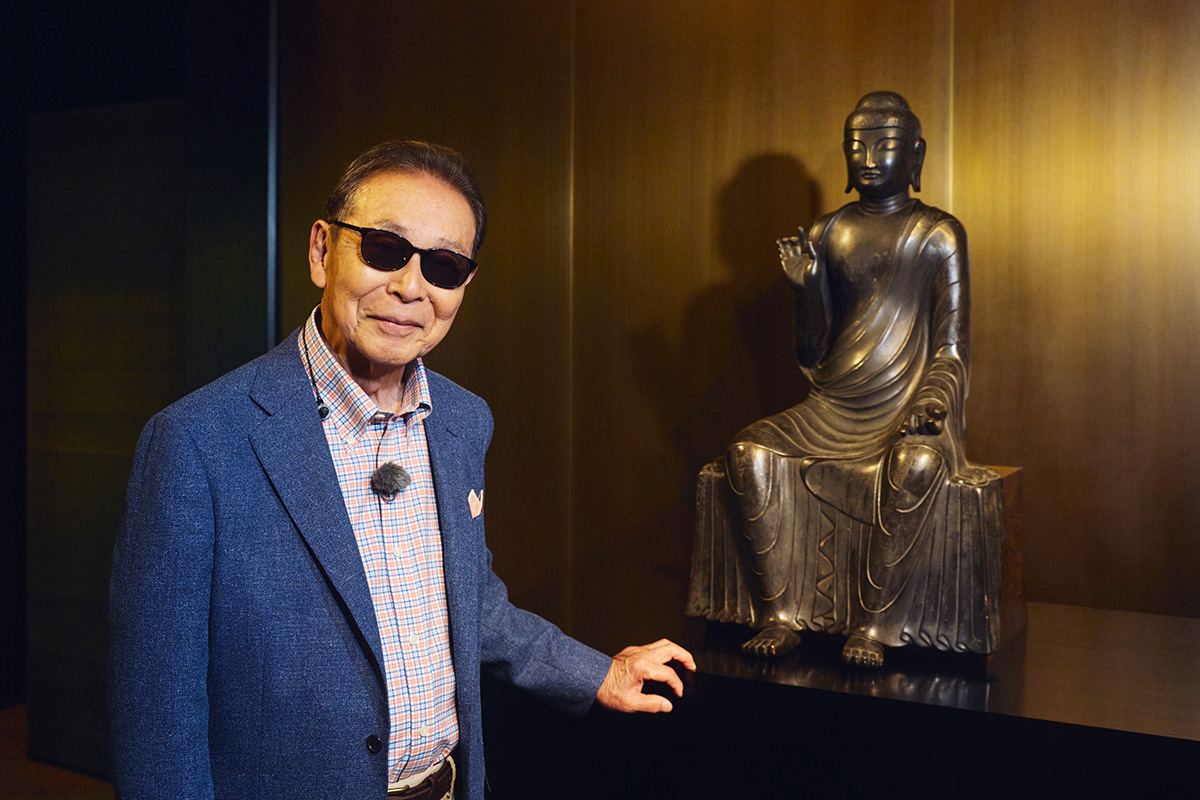
The founding of Jindaiji dates back to the Nara period (710–794 AD), a time when Buddhism was rapidly expanding from the ancient capital of Nara into the eastern provinces of Japan (known then as the Azuma region). According to temple records and historical preservation societies, the temple was founded around 733 AD by a monk named Mugon (満功).
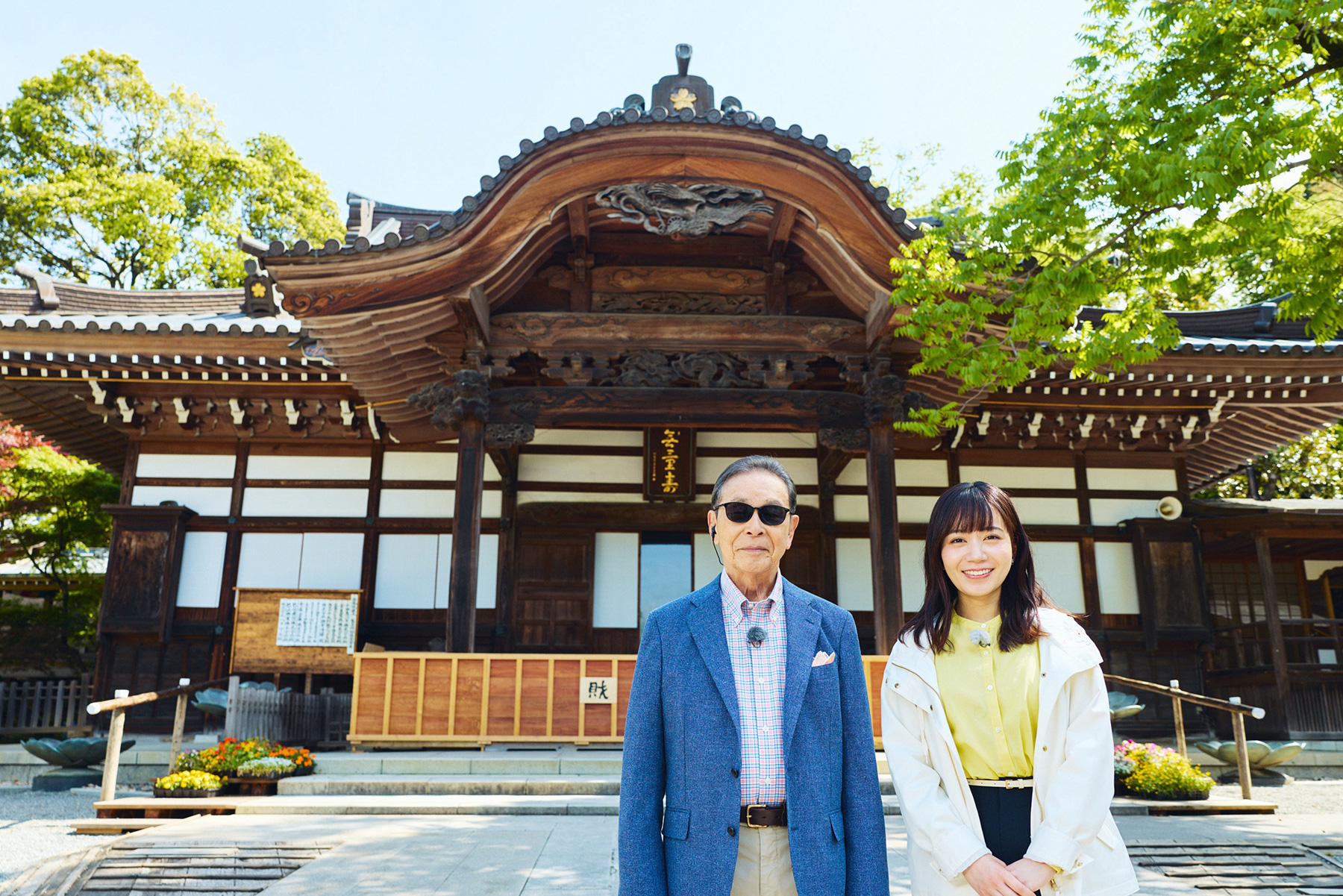
The legend of Jindaiji’s founding is deeply intertwined with local folklore and romance. As the story is traditionally told, Mugon’s father, a powerful local figure, opposed a romance between his daughter and a young man. To keep them apart, the father hid his daughter on an island in the middle of Jindai Lake. However, a giant turtle—moved by the lovers’ plight—reportedly carried the young man across the water to the island to reunite with his beloved. Upon discovering this miraculous feat, the father relented, and the daughter eventually entered the Buddhist priesthood, inspiring the establishment of the temple. The name "Jindaiji" itself hints at these ancient aquatic legends, with characters that translate loosely to "Temple of the Deep Deity" or "Temple of the God of the Deep," closely tied to the region’s rich subterranean water sources.
The Medieval Transformation and Warring States Period
As Japan transitioned through the Kamakura, Muromachi, and Sengoku periods, Jindaiji—like many religious institutions across the Kanto plain—faced cycles of destruction, patronage, and rebuilding. Positioned strategically within the Musashino region, the temple grounds served not only as a spiritual sanctuary but also as a focal point for regional administration and agricultural development.
During the Sengoku period (Warring States period), the surrounding Musashino region was heavily contested by powerful daimyo clans, including the Later Hojo clan based in Odawara. Religious centers often found themselves caught in regional power struggles. Yet, Jindaiji endured, adapting its agricultural practices and monastic structure to survive the turbulence of the 15th and 16th centuries.
The Edo Period and the Birth of Jindaiji Soba
The most profound shift in the daily life and economic survival of the Jindaiji area occurred during the Edo period (1603–1867). Under the Tokugawa shogunate, Edo (modern-day Tokyo) expanded rapidly into a sprawling metropolis, driving agricultural demand across the surrounding Musashino hinterlands.
While the Musashino Plateau’s volcanic ash soil (known locally as Kanto loam) was notoriously difficult to irrigate for standard rice cultivation, it proved remarkably well-suited for growing resilient crops such as buckwheat (soba). Local farmers in the Jindaiji district began cultivating high-quality buckwheat, utilizing the area’s abundant spring water—naturally filtered through layers of volcanic strata—to process and prepare the noodles.

This symbiotic relationship between agriculture, sacred geography, and culinary tradition birthed the legendary Jindaiji Soba. Over the centuries, pilgrims visiting the temple began partaking in the local buckwheat noodles, establishing a culinary tradition that has survived for over 300 years and remains a defining feature of the modern Jindaiji neighborhood.
Supporting Context and Metrics: Geography, Hydrology, and Cultural Impact
To appreciate why the Bura Tamori production team chose Jindaiji for a dedicated 40-minute geographical investigation, it is essential to examine the underlying environmental and structural metrics that define the site.
| Feature / Metric | Description & Significance |
|---|---|
| Establishment Date | Circa 733 AD (Nara Period), making it the second-oldest Buddhist temple in Tokyo after Sensō-ji in Asakusa. |
| Geological Setting | Musashino Plateau; characterized by deep Kanto loam strata and complex aquifer systems. |
| Hydrological Significance | Numerous natural springs (wakimizu) emerge along the terrace cliffs, providing crucial water sources in a historically dry tableland. |
| Cultural Economy | Home to the historic Jindaiji Soba street, featuring dozens of traditional noodle shops operating continuously for centuries. |
| Television Format | 40-minute primetime NHK documentary exploring urban geography, historical layers, and topographical evolution. |
The Science of Springs: Decoding the Musashino Aquifers
One of the primary investigative angles of Bura Tamori is geomorphology—the study of landforms and the processes that shape them. In the upcoming episode, Tamori and his co-hosts examine how the physical geography of Jindaiji dictates its history.
The Musashino Plateau is essentially a massive alluvial fan and diluvial tableland formed by ancient rivers, primarily the Tama River. Over millennia, rivers carved deep valleys into the plateau, creating distinct terrace cliffs (gai-cli or cliff lines). At the base of these cliffs, subterranean water that has filtered down through the porous volcanic soil for decades emerges as crystal-clear natural springs.
For ancient settlers and temple founders, these springs were nothing short of miraculous. In an era before modern plumbing, discovering a reliable, year-round source of fresh water on a dry plateau determined where communities could thrive. Jindaiji Temple was strategically built precisely where these hydrological blessings intersect with the dramatic topography of the plateau’s edge.
Official Statements and Production Insights
While public broadcasting network NHK maintains strict confidentiality regarding the minute-by-minute narrative twists of unreleased episodes, promotional trailers and production notes released by CINRA and NHK’s official programming desk offer clear insight into the tone and thematic focus of the broadcast.
In promotional materials for the August 29 broadcast, Tamori reflects on his on-site discoveries with his trademark wit and philosophical detachment:
"Ultimately, even I am part of the natural world boundary."
This quote encapsulates the core philosophy of Bura Tamori. Rather than viewing history as something confined to textbook dates and museum glass cases, the program treats human civilization as an organic extension of geology. Whether examining why a medieval temple was constructed on a specific terrace edge or tracing how volcanic ash soil gave birth to a multi-century culinary phenomenon, Tamori consistently reminds viewers that human culture is fundamentally shaped by the earth beneath our feet.
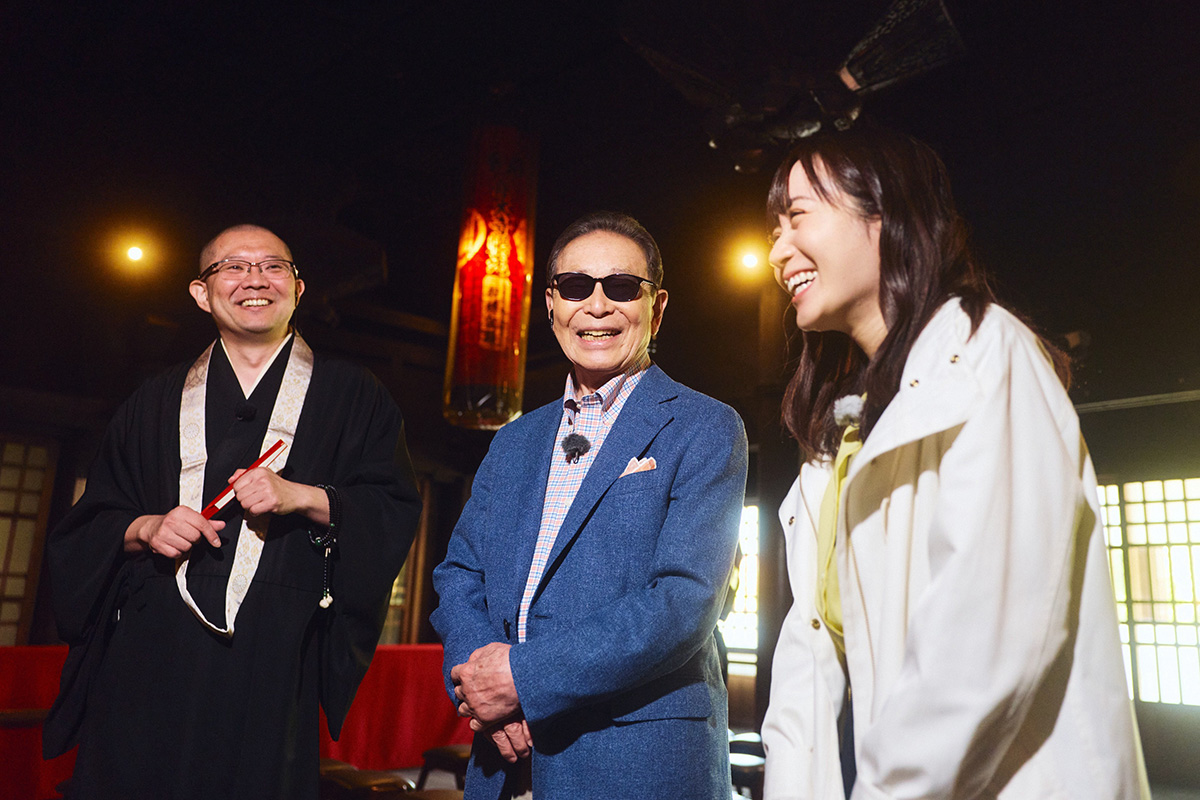
NHK production representatives have emphasized that the upcoming episode will balance rigorous historical scholarship with lighthearted, accessible field observations. By walking the historic temple paths, examining drainage patterns, and interacting with local historians and residents, the program aims to bridge the gap between academic geography and everyday public curiosity.
Future Outlook: Preservation, Tourism, and the Ongoing Legacy of Jindaiji
As Tokyo continues its relentless march toward ultramodern urbanization, historical enclaves like Jindaiji serve as vital cultural and ecological anchors. The upcoming Bura Tamori broadcast arrives at a crucial moment when domestic and international travelers increasingly seek out authentic, slow-travel destinations that reveal the deep historical roots of Japan’s capital.
Balancing Preservation and Tourism
In recent years, the Jindaiji area—bolstered by its proximity to the Jindai Botanical Gardens and the historic temple grounds—has faced the ongoing challenge of balancing heritage preservation with modern tourism. Maintaining the historic streetscapes, protecting the delicate natural springs from urban runoff, and ensuring the continuity of traditional Soba craftsmanship require sustained collaboration between local government bodies, temple authorities, and neighborhood associations.
Programs like Bura Tamori play an invaluable role in this preservation effort. By educating millions of viewers on the hidden geographical and historical complexities of sites like Jindaiji, the show fosters a deeper, more respectful appreciation for cultural heritage. Viewers tuning in on August 29 will not only witness an entertaining television stroll through ancient temple grounds; they will gain a renewed perspective on how nature, water, and human ingenuity have converged in western Tokyo over the span of 1,300 years.
The upcoming episode of Bura Tamori featuring Jindaiji Temple will broadcast on NHK General TV on August 29 at 19:30 JST.







Belum ada komentar. Jadilah yang pertama berkomentar!