

Executive Overview
In the fast-paced ecosystem of digital content creation, few symbols carry as much weight, prestige, and psychological assurance as the verification badge. For creators, it is a testament to legitimacy, an institutional acknowledgment of their digital footprint, and a safeguard against bad actors. For viewers, it serves as a critical trust signal, cutting through the noise of clone accounts, impersonators, and deceptive media.
In September 2019, YouTube—the world’s largest video-sharing platform—found itself at the center of a severe community relations crisis. The platform attempted to overhaul its channel verification program, ostensibly to combat widespread impersonation and clear up pervasive user confusion regarding what the coveted checkmark actually meant. However, the rollout was nothing short of a disaster.
By failing to properly gauge the emotional and professional value creators placed on their verification statuses, YouTube inadvertently stripped thousands of established channels of their badges. The resulting backlash was swift, vocal, and unified. Creators large and small accused the platform of elitism, a lack of transparency, and profound tone-deafness.
Faced with an unprecedented wave of negative press and creator rebellion, YouTube executed a rapid and humbling about-face. In a matter of days, the platform walked back its most controversial proposals, apologized to its creator community, and preserved existing verification statuses. This comprehensive report examines the anatomy of the 2019 YouTube verification crisis: the rationale behind the initial changes, the turbulent chronology of the rollout and subsequent retraction, the deeper metrics surrounding user confusion, and the long-term implications for platform governance.
Detailed Chronology: The Anatomy of a PR Crisis
To understand how a routine administrative update snowballed into a major corporate crisis, one must trace the timeline of events that unfolded in mid-September 2019.
The Initial Announcement: Setting the Stage
On September 18, 2019, YouTube published a sweeping policy update detailing upcoming changes to its channel verification program. The platform’s stated intentions seemed logical on paper. YouTube noted that it received tens of thousands of complaints annually from creators struggling with impersonation. Furthermore, internal research revealed a startling statistic: nearly a third of YouTube users fundamentally misunderstood the meaning of the verification badge. Rather than viewing it as a badge of identity (confirming that a channel belongs to the specific public figure, artist, or company it claims to represent), users frequently interpreted it as an endorsement of content by YouTube itself.
To fix this misalignment, YouTube proposed a two-pronged strategy:
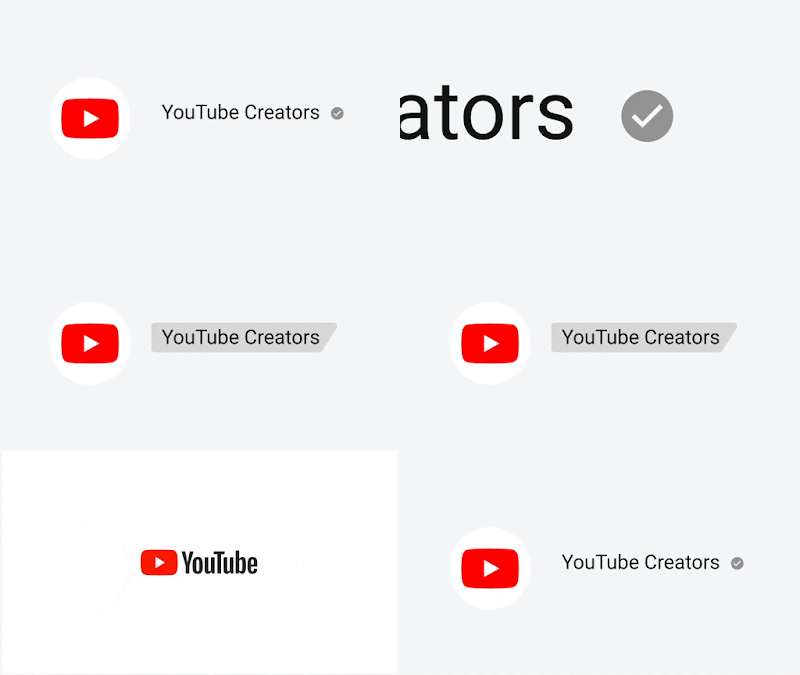
- A New Look: The traditional checkmark—ubiquitous across social media platforms like Twitter (now X) and Instagram—was slated to be replaced. YouTube intended to introduce a redesign that would display more consistently across channel pages, search results, and comment sections while being significantly harder to replicate.
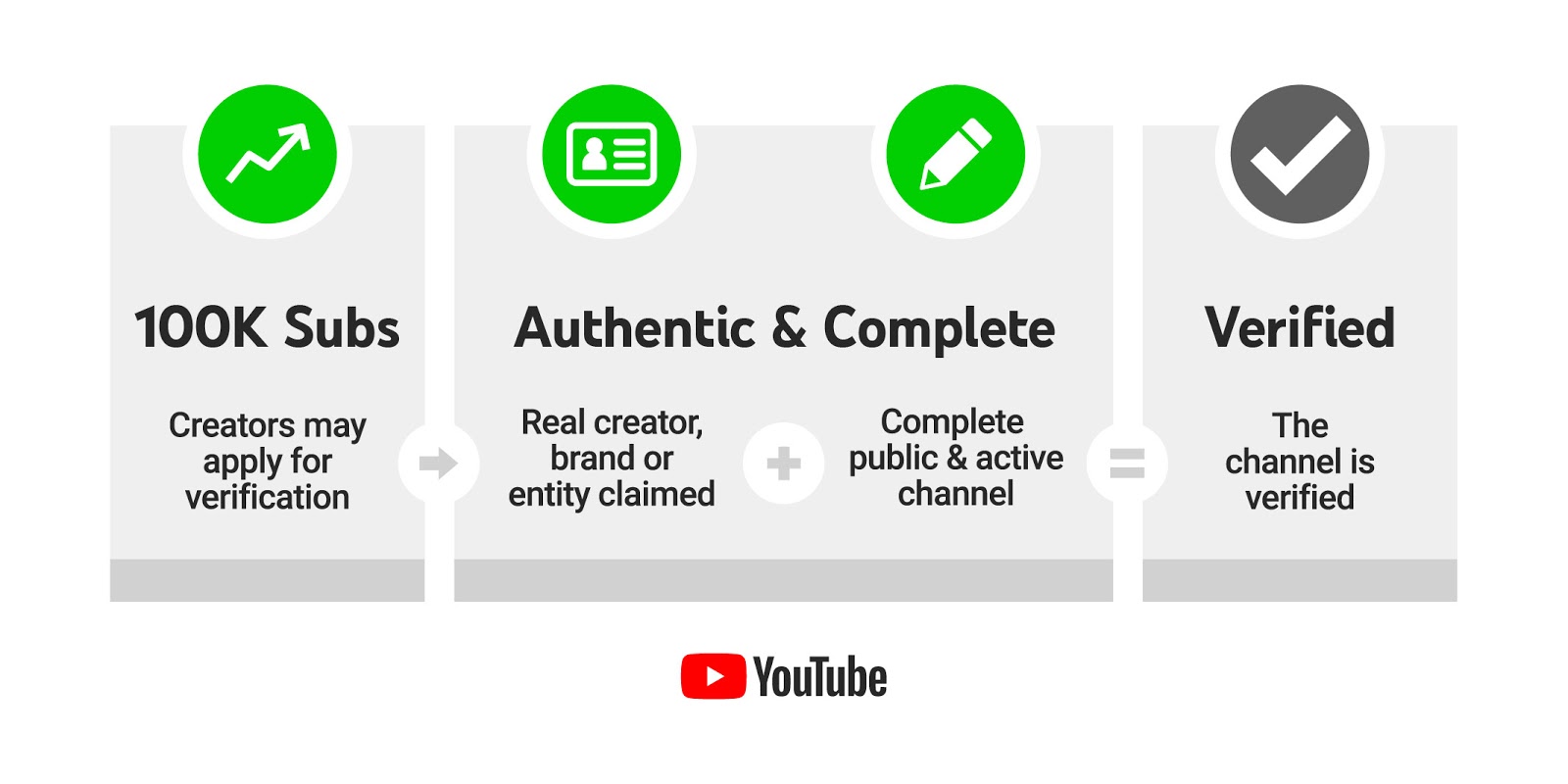
- Stricter Eligibility Requirements: Under the old rules, any channel that crossed the 100,000-subscriber threshold could apply for verification, regardless of whether they faced a genuine risk of impersonation. YouTube announced plans to scrap this subscriber-based threshold. Instead, the platform would pivot toward a proactive verification model that prioritized "prominent channels that have a clear need for proof of authenticity."
The Backlash: Creators Push Back
While the platform’s administrative goals of reducing fraud and user confusion were defensible, the implementation strategy alienated the very backbone of the platform. Under the initial framing of the new policy, millions of creators who had earned their verification badges under the old 100,000-subscriber rule stood to lose them. Channels that had proudly displayed their checkmarks for years were suddenly told they would have to re-qualify under vague, shifting criteria.
Social media platforms erupted. Prominent YouTubers, mid-tier educators, gaming creators, and musicians took to Twitter and, ironically, YouTube itself to voice their outrage. Critics pointed out that removing badges from smaller or niche creators would leave them acutely vulnerable to impersonators—the exact opposite of YouTube’s stated goal. The prevailing sentiment among the creator community was one of betrayal; many felt that YouTube was arbitrarily stripping away a hard-earned status symbol without adequate warning or consultation.
The Rapid Apology and Course Correction
Recognizing the severity of the backlash, YouTube moved with uncommon speed to contain the damage. Less than 24 hours after the initial announcement, on the afternoon of September 20, 2019, YouTube’s leadership published a candid, highly apologetic update.
"While rolling out improvements to this program, we completely missed the mark," the company admitted in a public statement. "We’re sorry for the frustration that this caused and we have a few updates to share."
The pivot was immediate and comprehensive:
- Grandfathering Existing Channels: YouTube conceded that the verification badge meant far more to creators than the company had initially calculated. It announced that channels possessing the verification badge would retain it permanently, sparing them from the anxiety of appeals or retroactive reviews.
- Restoring the 100,000-Subscriber Baseline: Yielding to pressure from the community, YouTube reinstated the historical eligibility baseline. Channels with over 100,000 subscribers would remain eligible to apply for verification when the process reopened.
- Delaying the Redesign: Recognizing that compounding a contentious policy shift with a sudden visual overhaul was a recipe for confusion, YouTube pushed the rollout of the new badge design to the following year.
Supporting Context & Metrics: Identity vs. Endorsement
The friction between YouTube and its creator ecosystem cannot be understood without examining the complex data surrounding digital trust, platform growth, and the psychology of user perception.
The Scale of Impersonation
As YouTube evolved from a quirky video repository into the world’s dominant video search engine and social network, its stakes grew exponentially. By 2019, the platform was hosting billions of hours of content consumed by over two billion active monthly users. This massive scale turned YouTube into a prime target for malicious actors.
Impersonation on YouTube takes many forms. Bad actors frequently spin up fake channels using identical profile pictures, similar usernames, and stolen video content to scam viewers, siphon ad revenue, or spread misinformation. According to internal data cited by YouTube, the platform processed tens of thousands of complaints every year from creators whose identities were being hijacked. Protecting creators was not merely a matter of administrative preference; it was an urgent operational necessity.
The Perception Problem: Why Users Misunderstood the Badge
The core tension driving YouTube’s original policy change was a profound disconnect in how viewers interpreted the verification checkmark. In market research conducted by the platform, nearly 33% of respondents viewed the checkmark as a stamp of approval or quality endorsement from YouTube.
This misconception created systemic liabilities for the platform. When a verified channel produced controversial content, hosted toxic community discussions, or engaged in bad-faith behavior, aggrieved users frequently held YouTube culpable, arguing that the platform had "endorsed" the behavior by granting the channel a checkmark.
Traditional social media platforms navigated this issue by decoupling verification from endorsement in public communications. However, YouTube’s attempt to solve the problem by fundamentally altering the badge criteria created a secondary crisis: it alienated the creators who built the platform’s value proposition in the first place.
Official Statements and Platform Reflection
The September 2019 incident stands as a masterclass in corporate crisis management and the hazards of top-down platform governance. By stepping back and listening to the collective voice of its creator base, YouTube managed to avert a permanent fracture in its relationship with the community.
In its official post-mortem communications, YouTube leadership emphasized a renewed commitment to collaborative policy development. The platform acknowledged that while its data-driven approach to solving impersonation was mathematically sound, it lacked empathy for the human element of content creation. For a creator, a verification badge is not just a database attribute; it is an emotional milestone, a professional credential, and a vital shield in the digital wilderness.
Furthermore, the revised framework established a balanced middle ground. By maintaining the 100,000-subscriber threshold while simultaneously introducing qualitative identity checks, YouTube preserved accessibility for rising creators while retaining the tools necessary to filter out bad-faith actors attempting to game the system.
Future Outlook: The Evolution of Trust and Verification
The events of September 2019 fundamentally shaped how YouTube approaches trust and safety governance to this day. The crisis forced the platform to realize that transparency and community consultation must precede major policy rollouts, rather than serving as damage control after the fact.
As the digital landscape continues to evolve—accelerated by advancements in generative artificial intelligence, deepfakes, and automated content generation—the challenges of identity verification on platforms like YouTube will only intensify. Bad actors now possess sophisticated tools to mimic real human creators with terrifying precision, making robust, reliable verification programs more critical than ever.
Ultimately, YouTube’s 2019 verification misstep serves as a cautionary tale for the entire tech industry. It demonstrated that even when a platform’s intentions are rooted in user safety and clarity, top-down policy changes executed without community empathy are bound to fail. By listening, adapting, and correcting course within a matter of 48 hours, YouTube turned a potential PR catastrophe into an instructive lesson on the vital importance of listening to the digital creators who power the modern internet.



Belum ada komentar. Jadilah yang pertama berkomentar!