

Executive Overview
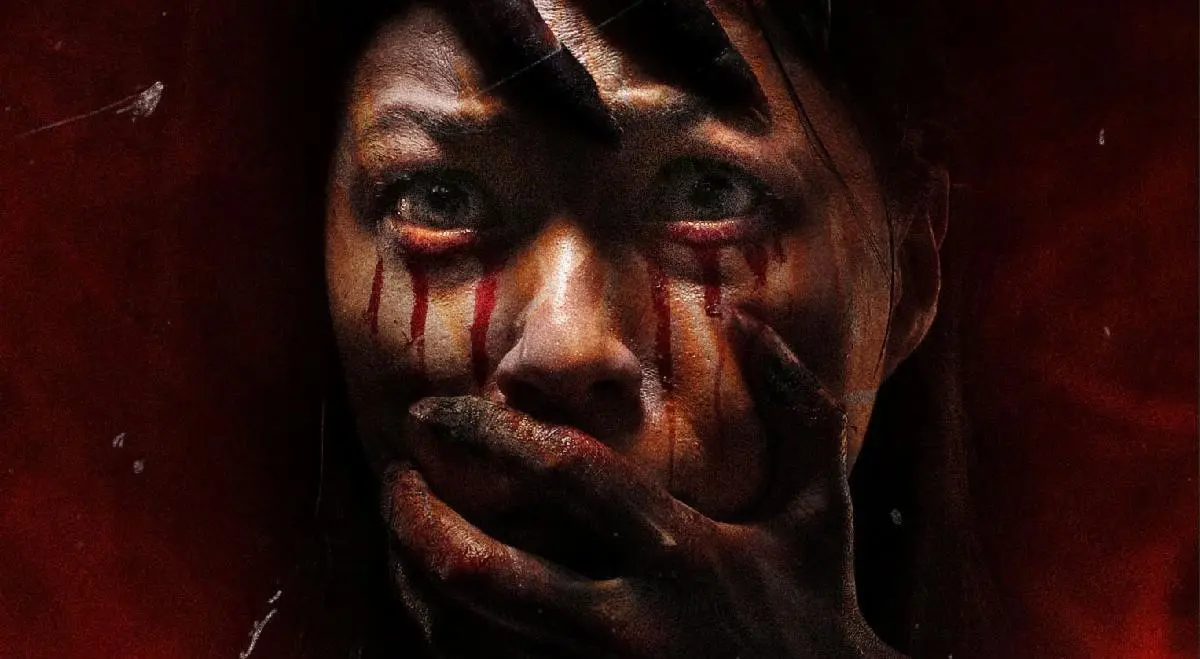
As the cinematic landscape continually seeks fresh narratives that push the boundaries of psychological suspense, independent distribution powerhouse IndiePix Films is preparing to launch one of its most anticipated and formally ambitious titles of the year. Directed by filmmaker Radik Eshimov, the psychological horror-thriller Burning is scheduled to make its exclusive platform premiere on IndiePix Unlimited on September 4, 2026. Ahead of its imminent release, the distributor has unveiled an official trailer that offers audiences a haunting, atmospheric glimpse into a world where reality, grief, and folklore violently collide.
Drawing direct inspiration from the classic Rashomon storytelling tradition, Burning abandons traditional linear narratives in favor of a fractured-truth structure. The film centers on a grieving rural community, a deeply troubled family unit, and a catastrophic house fire that defies simple explanation. As competing eyewitness accounts from local villagers surface, the line between objective fact and collective paranoia begins to dissolve.
By employing an unreliable multi-perspective framework, Eshimov’s feature aims to deliver more than standard genre scares; it positions itself as an arthouse psychological exploration of how communities process trauma, guilt, and superstition. This report provides a comprehensive examination of Burning, exploring its thematic underpinnings, the intricacies of its plot, its structural pedigree, and what its release signifies for the trajectory of independent genre cinema in late 2026.
Detailed Chronology and Plot Anatomy
The narrative ecosystem of Burning is built upon layers of ambiguity, escalation, and psychological decay. Set within an isolated, claustrophobic village where emotional weight dictates the atmosphere as much as the physical environment, the film’s chronology unfolds in a series of tense, overlapping sequences designed to disorient the viewer.
The Catalyst of Grief
The story’s genesis predates the central fire by weeks, plunging the audience directly into the raw aftermath of an unimaginable tragedy. A young family living on the edge of the village has recently buried their firstborn son. In the wake of this devastating loss, normal domestic life fractures entirely.
Rather than processing their sorrow privately, the mother embarks on a desperate, unsettling routine. She wanders from door to door throughout the village, pleading for help that her neighbors cannot comprehend, let alone provide. Her frantic efforts culminate in a sudden, haunting disappearance as she vanishes deep into the dense, brooding trees lining the forest’s edge.
Into this vacuum of maternal absence steps an uninvited and unexplained figure: the father’s mother. Her arrival injects an immediate layer of familial tension and domestic dread into the household, heightening the psychological pressure cooker just as the family unit teeters on the brink of collapse.
The Night of the Fire
The tipping point of the film arrives on a dark, suffocating night when the family home is suddenly consumed by a violent, unrelenting fire. Within the architecture of the film, what actually transpired inside the burning walls during those crucial moments remains shielded from the audience. Instead of showing an objective truth, the film shifts its perspective outward, filtering the catastrophe entirely through the subjective, distorted lenses of the local community.

The Village Shop and the Fractured Truth
Following the disaster, the local village shop transforms into an impromptu tribunal. Here, three primary witnesses gather to trade fragments of the same catastrophic night. In the style of Akira Kurosawa’s cinematic masterpiece Rashomon, each retelling dramatically alters the reality of what occurred:
- The Supernatural Interpretation: Some villagers whisper of an ancient curse, attributing the blaze to dark, otherworldly forces that have long lingered at the forest’s edge.
- The Psychological Interpretation: Others argue that the fire was not driven by magic, but by grief itself—a tangible, monstrous entity born from the parents’ inability to survive the loss of their child.
- The Accusatory Retellings: With every subsequent version of the story shared across the counter, the blame shifts fluidly to a different member of the family. New details emerge that actively contradict and invalidate previous accounts, leaving viewers questioning whether any aspect of the testimonies can be trusted.
By the time the full mosaic of perspectives is assembled, the distinction between historical fact and the community’s collective need to believe a specific narrative has vanished completely. The true horror of Burning resides not in the flames themselves, but in the dark, ambiguous space between what people saw, what they wanted to see, and what the village required to justify its own fears.
Supporting Context and Structural Metrics
To fully appreciate the artistic ambitions of Burning, one must examine the cinematic lineage and distribution framework supporting its arrival. The film represents a deliberate intersection between high-art storytelling techniques and modern genre distribution strategies.
The Rashomon Effect in Modern Horror
The narrative device of conflicting perspectives—named after Akira Kurosawa’s 1950 masterpiece Rashomon—has occasionally been utilized within horror, but rarely as an instrument for psychological deconstruction. By deploying this structural framework, Radik Eshimov forces the audience to act as a jury in a case where every piece of evidence is tainted by bias, trauma, and paranoia.
In Burning, the fractured-truth approach elevates the material above standard jump-scare tactics. The horror is systemic and epistemological; it questions how humans construct reality in the face of insurmountable trauma. This thematic depth aligns the film with a growing wave of elevated horror that prioritizes atmospheric dread and thematic resonance over explicit gore.
IndiePix Unlimited and the Independent Ecosystem
The decision to premiere Burning on IndiePix Unlimited highlights the shifting paradigms of independent film distribution. IndiePix has long carved out a niche as a sanctuary for adventurous, boundary-pushing international and arthouse cinema that might otherwise struggle for visibility within mainstream studio multiplexes.
| Distribution Metric / Detail | Specification |
|---|---|
| Distributor | IndiePix Films |
| Platform | IndiePix Unlimited |
| Release Date | September 4, 2026 |
| Director | Radik Eshimov |
| Genre | Psychological Horror-Thriller |
| Narrative Style | Multi-perspective / Fractured Truth (Rashomon tradition) |
By leveraging a targeted streaming platform release, IndiePix ensures that Burning reaches a dedicated demographic of cinephiles and horror enthusiasts who actively seek out complex, atmospheric storytelling. The digital-first strategy allows for immediate global accessibility, bypassing traditional theatrical gatekeepers while maximizing the film’s word-of-mouth potential across digital communities.
Official Statements and Industry Perspectives
While promotional rollouts for psychological thrillers often rely heavily on conventional marketing tropes, the rollout for Burning has emphasized its artistic merit and unique narrative mechanics. Industry observers and early promotional materials have focused heavily on the film’s oppressive atmosphere and its exploration of grief as a destructive catalyst.
Although formal press statements from director Radik Eshimov have been measured, focusing primarily on the collaborative effort required to pull off a complex, multi-perspective script, distributors have spoken candidly about the film’s challenging nature. Industry insiders note that Burning does not offer easy resolutions. Instead, it invites audiences to sit with discomfort, challenging viewers to interrogate their own assumptions about reliability, truth, and communal scapegoating.
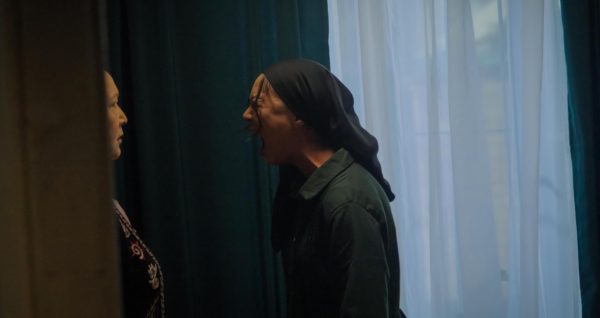
The marketing campaign—anchored by the newly released trailer—has drawn praise for its restraint. Rather than showcasing the entirety of the narrative arc or relying on predictable trailer tropes, the footage establishes mood: the heavy smoke hanging over the village, the unsettling wandering of the grieving mother, the cold and calculating arrival of the grandmother, and the inevitable, roaring inferno that consumes them all.
Future Outlook and Impact on the Genre
As Burning prepares for its September 4, 2026 premiere on IndiePix Unlimited, its performance will likely serve as a bellwether for how deeply audiences are willing to engage with complex, structurally demanding horror narratives in a home-viewing environment.
Elevating the Psychological Thriller
The success of Burning could further validate the appetite for folk-infused, grief-driven horror that operates on an intellectual as well as visceral level. In recent years, audiences have demonstrated an increasing willingness to embrace horror films that utilize genre conventions as a metaphor for deep-seated psychological trauma—exemplified by works such as The Babadook, Midsommar, and Hereditary. Eshimov’s feature taps directly into this lineage, utilizing the remote village setting and the catalyst of a child’s death to explore how isolation breeds collective delusion.
The Role of Indie Platforms in Nurturing Auteur Cinema
Furthermore, the film’s release highlights the vital ecosystem provided by boutique distributors like IndiePix. As major studios increasingly consolidate around high-budget intellectual property and broad four-quadrant releases, independent platforms remain the primary incubator for distinct directorial voices like Radik Eshimov.
If Burning achieves a strong resonance upon its IndiePix Unlimited debut, it will reinforce the viability of platform-specific streaming releases for high-concept arthouse genre films. It proves that specialized audiences are eager to support challenging cinema that respects their intelligence and demands active, analytical viewing.
Conclusion
When the flames finally rise in Burning, they illuminate far more than a burning house; they cast light on the dark corners of a community built on secrets, guilt, and fractured memories. As IndiePix Films delivers the psychological thriller to audiences this coming week, viewers are advised to watch closely, listen carefully, and remember that in a world built on competing lies, the truth is the most dangerous thing of all.



Belum ada komentar. Jadilah yang pertama berkomentar!