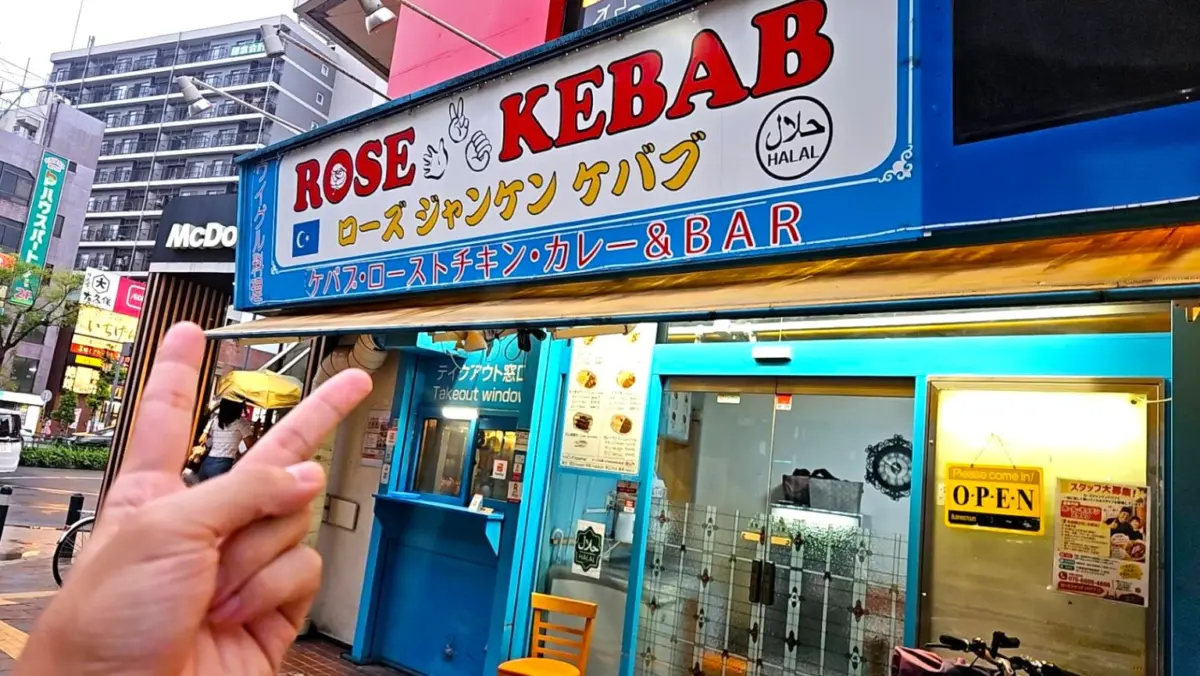
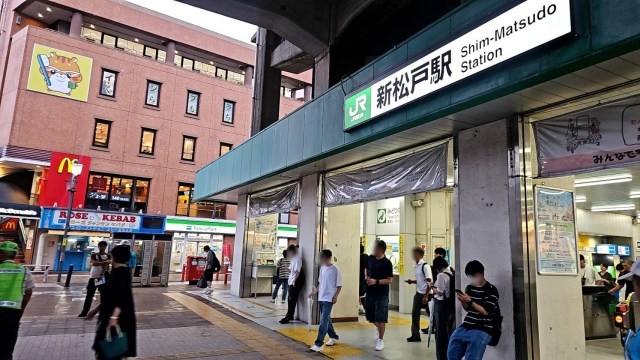
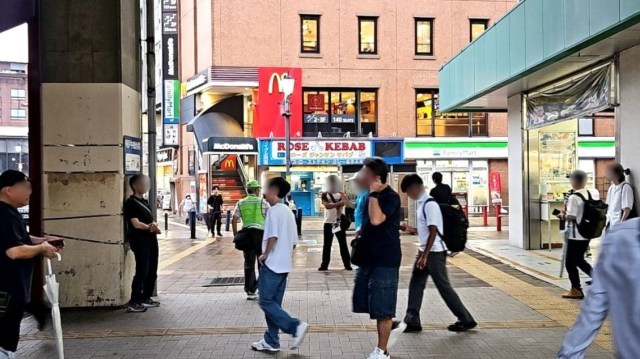
In an era where fast-casual dining and street food operations often prioritize algorithmic efficiency, rapid turnaround times, and transactional anonymity, independent culinary ventures occasionally emerge to disrupt the monotony. Tucked away in the bustling commuter neighborhood surrounding Shin-Matsudo Station in Chiba Prefecture, Japan, a vibrant, bright-blue storefront named Rose Janken Kebab has captured the attention of local food enthusiasts and cultural chroniclers alike.
Far from operating as a standard Middle Eastern street food stall, this intimate establishment injects a deeply rooted element of Japanese domestic culture into its daily operations. By integrating janken—the ubiquitous Japanese variant of rock-paper-scissors—into the purchasing ritual, the restaurant has transformed a routine commercial transaction into an interactive, gamified culinary experience.
When SoraNews24 reporter Takuya Inaba visited the shop during a routine field assignment, he uncovered an operation that transcends gimmickry. Supported by high-grade culinary execution—featuring tender, masterfully marinated chicken and steak-textured sliced beef rather than the processed minced meat typical of the region—Rose Janken Kebab operates on a philosophy of guaranteed positivity. In this establishment, traditional customer service is replaced by a lighthearted wager: win a round of rock-paper-scissors against the staff, and your kebab is generously loaded with extra fillings; lose, and you still receive a complimentary, albeit slightly smaller, portion upgrade.
This comprehensive report examines the structural anatomy, culinary merits, cultural philosophy, and community impact of Rose Janken Kebab, offering a window into how localized street food culture continues to evolve in modern Japan.
Detailed Chronology of the Visit
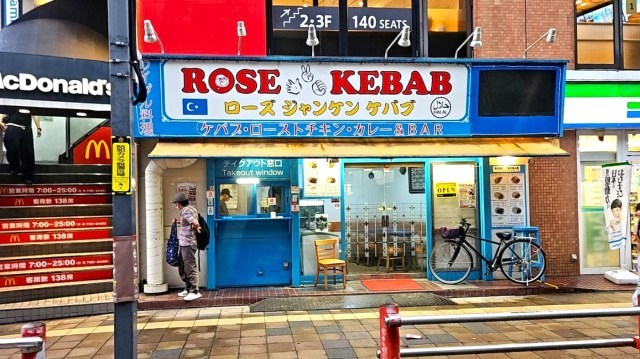
The discovery of Rose Janken Kebab unfolded as a classic instance of journalistic serendipity. Commuting through Chiba Prefecture, reporter Takuya Inaba found his attention arrested by an intensely saturated, bright blue exterior situated just a short walk from the ticket gates of Shin-Matsudo Station. The establishment’s outward-facing signage immediately signaled that this was no ordinary vendor: nestled directly between the words "Rose" and "Kebab" was a graphic illustration depicting the three hand gestures of janken (rock, paper, and scissors).
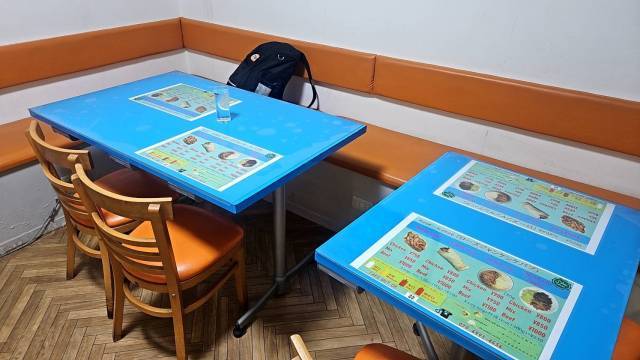
Driven by professional curiosity and an appetite for local gastronomy, Inaba altered his itinerary to investigate the premises. Stepping past the threshold, he encountered a compact yet immaculate interior space designed with coziness in mind. The footprint featured a pair of clean, minimalist dining tables, confirming that the venue accommodates both rapid take-away traffic and intimate sit-down dining.
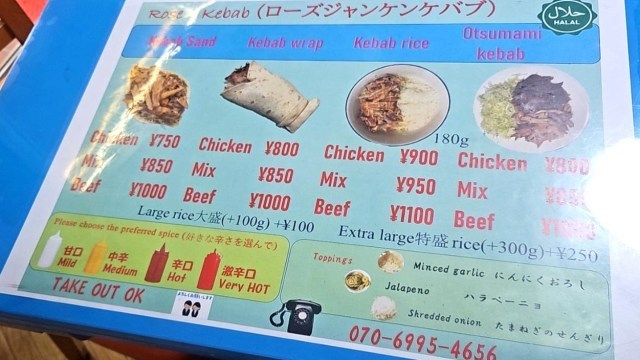
Upon inspecting the menu board above the counter, Inaba noted a reliable array of street food classics. Customers are presented with standard configurations centered around chicken, beef, or a mixed-meat variant. Opting for the Mixed Kebab Sandwich priced at 850 yen (approximately $5.35 USD), Inaba placed his order and retreated to observe the preparation process.
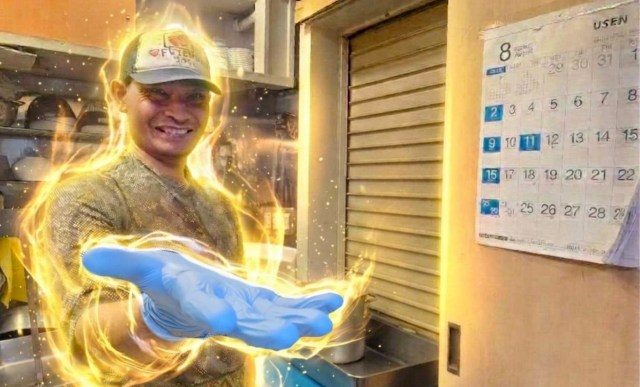
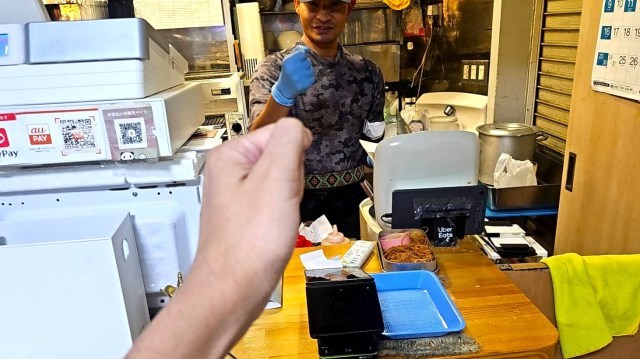
Before the assembly of the sandwich could commence, the staff member behind the counter leaned forward with an infectious grin and issued a challenge:
"Brother, janken?"
Recognizing the cultural weight and psychological nuances of the game—having navigated rock-paper-scissors matches across playgrounds, office break rooms, and schoolyards since childhood—Inaba accepted. The stakes were immediately clarified by the clerk: secure a victory, and the sandwich would be substantially upgraded with free, heavy-handed portions of extra fillings.
With both participants locked in position, the traditional cadence played out:
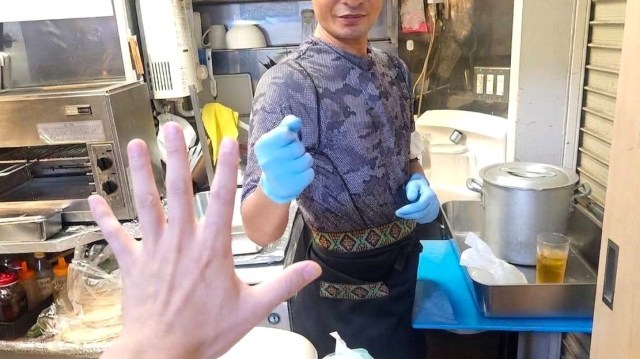
“Janken… pon!”
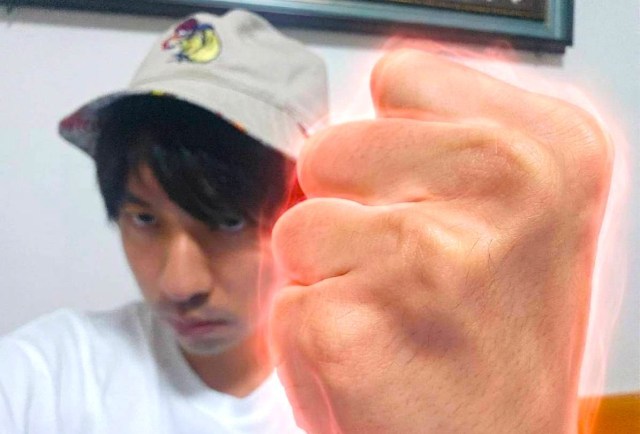
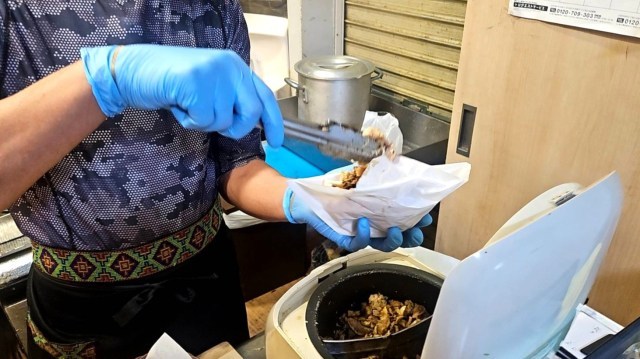
Inaba thrust his hand forward in the "paper" configuration, successfully countering the "rock" fist thrown by the staff member. His victory was met with enthusiastic approval from behind the counter, setting the stage for the culinary payoff. Moments later, the Mixed Kebab Sandwich was handed across the counter. Visually and physically, the impact of the victory was instantly apparent: the sandwich was remarkably heavy, packed to structural capacity with protein and produce.
As Inaba consumed the meal, he documented the sensory profile of the food. The initial bite revealed an intense, satisfying meatiness underpinned by a proprietary sauce boasting a rich initial sweetness followed by a lingering, pleasant spicy kick. Unlike many Japanese kebab operations that rely heavily on homogenous minced beef cylinders, Rose Janken Kebab utilized distinct, generously proportioned slices of beef possessing a satisfying, steak-like chew. Combined with tender, perfectly seasoned chicken, the meal proved far superior to standard fast-food iterations.
Nearing the conclusion of the meal, Inaba engaged the staff in a brief interview to dissect the mechanics of the shop’s signature promotion. Addressing the hypothetical scenario of defeat, the staff member offered a clarifying revelation:
"If you lose, you get a little extra."
This policy solidified the establishment’s ethos: Rose Janken Kebab maintains a strict zero-loser policy. Whether a patron triumphs or falters in the duel of hands, an augmentation of the meal is guaranteed. This interactive dynamic was further underscored when a young child entered the shop to place an order; rather than rushing the transaction, the staff member playfully repeated the game until the child emerged victorious, highlighting an underlying current of community-minded generosity.
Supporting Context & Metrics: Cultural Integration and Culinary Standards
To fully appreciate the significance of Rose Janken Kebab, one must examine the broader socio-cultural ecosystem of street food in Japan, alongside the specific economic and structural metrics of the establishment.
The Cultural Resonance of Janken
Janken (often referred to globally as rock-paper-scissors) is far more than a simple children’s pastime in Japan. It functions as a deeply ingrained social mechanism for conflict resolution, decision-making, and community bonding. From deciding who takes out the trash in a corporate office to determining draft orders in professional sports leagues, janken is culturally coded as an equalizer. By importing this ritual into the culinary exchange, Rose Janken Kebab bridges the traditional cultural divide between customer and service provider, transforming a potentially transactional encounter into a shared moment of human connection.
Economic and Nutritional Metrics
Pricing Accessibility: At 850 yen ($5.35 USD) for a heavily loaded Mixed Kebab Sandwich, the pricing model positions the restaurant competitively within the Tokyo-Chiba commuter belt, offering high caloric density and volume relative to cost.
Operating Hours: The establishment operates from 11:00 AM to 1:00 AM daily, serving not only the daytime commuter and student demographics but also capturing the lucrative late-night nightlife and overtime-worker market exiting Shin-Matsudo Station.
Protein Sourcing & Preparation: A key differentiator identified during the field test is the departure from standard minced meat blocks (kaitori style vertical spits composed of processed, ground fillers). By incorporating sliced, steak-textured beef alongside tender marinated poultry, the establishment elevates the gastronomic baseline of Japanese kebab culture.
Official Statements and Operating Philosophy
While Rose Janken Kebab operates primarily as an independent street food vendor without an expansive corporate PR apparatus, the philosophy articulated by its staff provides profound insight into modern small-business resilience in Japan.
During post-meal discussions, the staff emphasized that the janken challenge is not merely a promotional gimmick designed to inflate social media visibility, but an intentional hospitality strategy. In the words of the attending clerk, the game is designed to "add a bit of fun and excitement to every order."
In a hyper-dense urban environment where consumers are routinely subjected to high-stress commutes and impersonal automated kiosks (such as ticket-vending restaurant machines), the deliberate insertion of interpersonal play acts as a psychological palate cleanser. The management’s adherence to the "guaranteed extra" policy—where even a loss yields a supplemental reward—reflects an overarching business model centered on radical hospitality and unconditional customer affirmation. It communicates to the consumer that the relationship between vendor and buyer is collaborative rather than purely extractive.
Future Outlook & Industry Implications
The emergence and sustained operation of venues like Rose Janken Kebab offer valuable lessons for the broader Japanese food and beverage sector, as well as international street food concepts seeking cultural localization.
Gamification of Retail Dining: As younger consumer demographics increasingly value experiential retail, food establishments that incorporate interactive elements—ranging from conversational challenges to integrated digital or physical games—are uniquely positioned to foster brand loyalty and organic word-of-mouth marketing.
Elevating Immigrant Culinary Fusion: Kebabs in Japan historically arrived via Turkish and Middle Eastern diaspora communities. Innovations that respect traditional flavor profiles (such as the rich, sweet-and-spicy house sauces observed at Rose Janken) while adapting protein textures to local preferences demonstrate a sustainable pathway for cross-cultural culinary evolution.
Resilience of the Neighborhood-Centric Model: While major metropolitan hubs like Shinjuku and Shibuya are dominated by corporate chains and high-turnover franchises, suburban transit hubs like Shin-Matsudo continue to nurture hyper-local, personality-driven culinary gems. These establishments serve as social anchors for their communities.
Conclusion
Rose Janken Kebab successfully demonstrates that street food can be simultaneously delicious, economical, and emotionally resonant. By weaponizing joy and turning a simple sandwich order into a high-stakes (yet entirely consequence-free) duel of rock, paper, and scissors, the establishment has carved out a distinct niche in Chiba Prefecture. For travelers and locals willing to step off the beaten path at Shin-Matsudo Station, the reward is twofold: a masterfully crafted, protein-heavy kebab sandwich, and the unforgettable memory of defeating the house with a well-timed throw of paper.









Belum ada komentar. Jadilah yang pertama berkomentar!