

Executive Overview
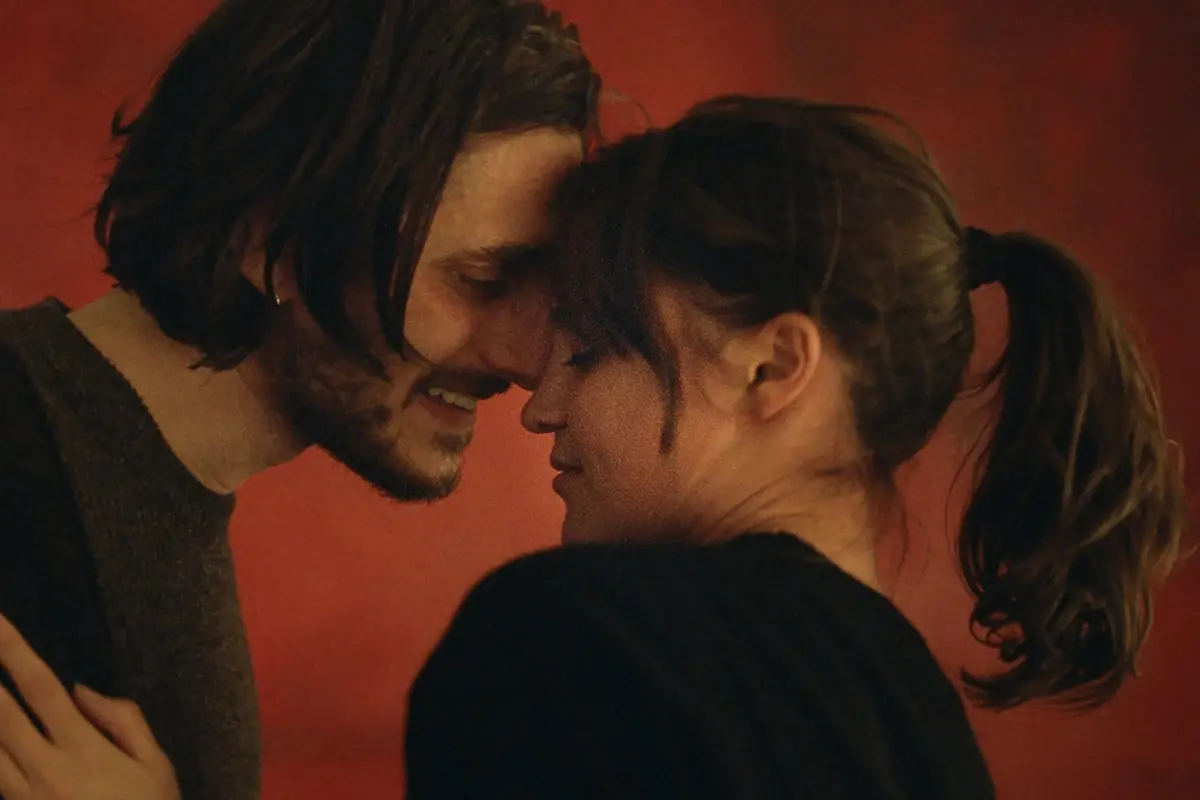
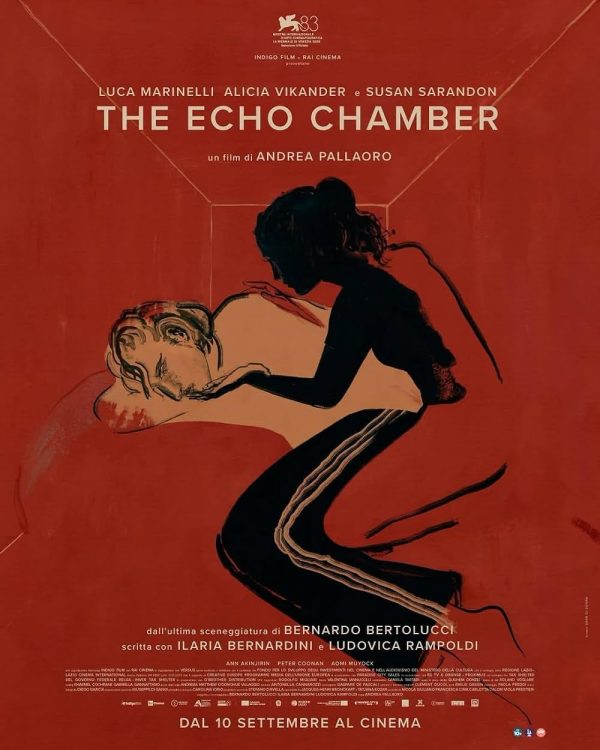
The cinematic landscape of 2026 has been marked by the arrival of high-profile prestige projects, few of which carried the historical and artistic weight—or the subsequent critical division—of Andrea Pallaoro’s romantic drama, The Echo Chamber. Featuring an enviable international ensemble led by Luca Marinelli and Academy Award winner Alicia Vikander, alongside screen icon Susan Sarandon, the film generated massive industry anticipation long before its premiere. At its core, the picture possesses a pedigree that commands attention: its foundational narrative originates from a final, unproduced screenplay by the late, legendary Italian master Bernardo Bertolucci, subsequently adapted and reworked by screenwriters Ilaria Bernardini and Ludovica Rampoldi.
Despite such formidable creative ancestry, The Echo Chamber has emerged as a deeply polarizing work, caught in the tense crossfire between slow-cinema aesthetics and narrative coherence. Billed officially as an intimate love story where "the boundaries between presence and absence, care and dependence, desire and control blur until they dissolve," the film tells the story of Anne (Vikander), a visiting nurse who becomes dangerously fixated on Leo (Marinelli), an ailing music producer. Leo is struggling to coax an aging, reluctant singer-songwriter—played by Sarandon—out of retirement for one final recording project.
However, beneath its polished veneer and atmospheric pretensions, the film struggles mightily with pacing, tonal consistency, and thematic follow-through. Critics have pointed out that while the cast delivers competent, often physically committed performances, they are frequently trapped inside a narrative engine that moves at a punishingly slow crawl—dropping its official title card more than twenty minutes into the runtime—before devolving into a convoluted, confounding final act. This comprehensive retrospective examines the anatomy of The Echo Chamber, exploring its production lineage, structural missteps, acting contributions, and the broader implications of translating a Bertolucci blueprint into contemporary cinema.
Detailed Chronology: From Bertolucci’s Desk to the Silver Screen
To understand the trajectory of The Echo Chamber, one must trace its origins backward through the annals of European cinema. Bernardo Bertolucci, the visionary director behind The Conformist, Last Tango in Paris, and The Last Emperor, left behind a vault of unfilmed treatments and scripts upon his passing in 2018. Among these literary artifacts was a haunting, melancholic blueprint exploring physical decay, artistic obsession, and toxic codependency—themes that dominated the latter half of the auteur’s illustrious career.
When filmmakers Ilaria Bernardini and Ludovica Rampoldi took on the task of adapting Bertolucci’s final screenplay, the project immediately attracted elite European arthouse financing and international talent. Andrea Pallaoro, celebrated for his sensitive, character-driven studies of isolated individuals (Mila, Hannah), stepped into the director’s chair. Pre-production was characterized by a quiet reverence for Bertolucci’s legacy, with the cast and crew openly speaking of the responsibility inherent in bringing a master’s final written words to life.
Principal photography captured striking European interiors and atmospheric recording studios, designed to evoke the claustrophobia of creative burnout and physical confinement. Yet, structural issues reportedly plagued the editorial phase. The final cut showcases a distinct commitment to the tenets of "slow cinema," but crosses the line from meditative to aggressively tedious for mainstream and arthouse audiences alike.
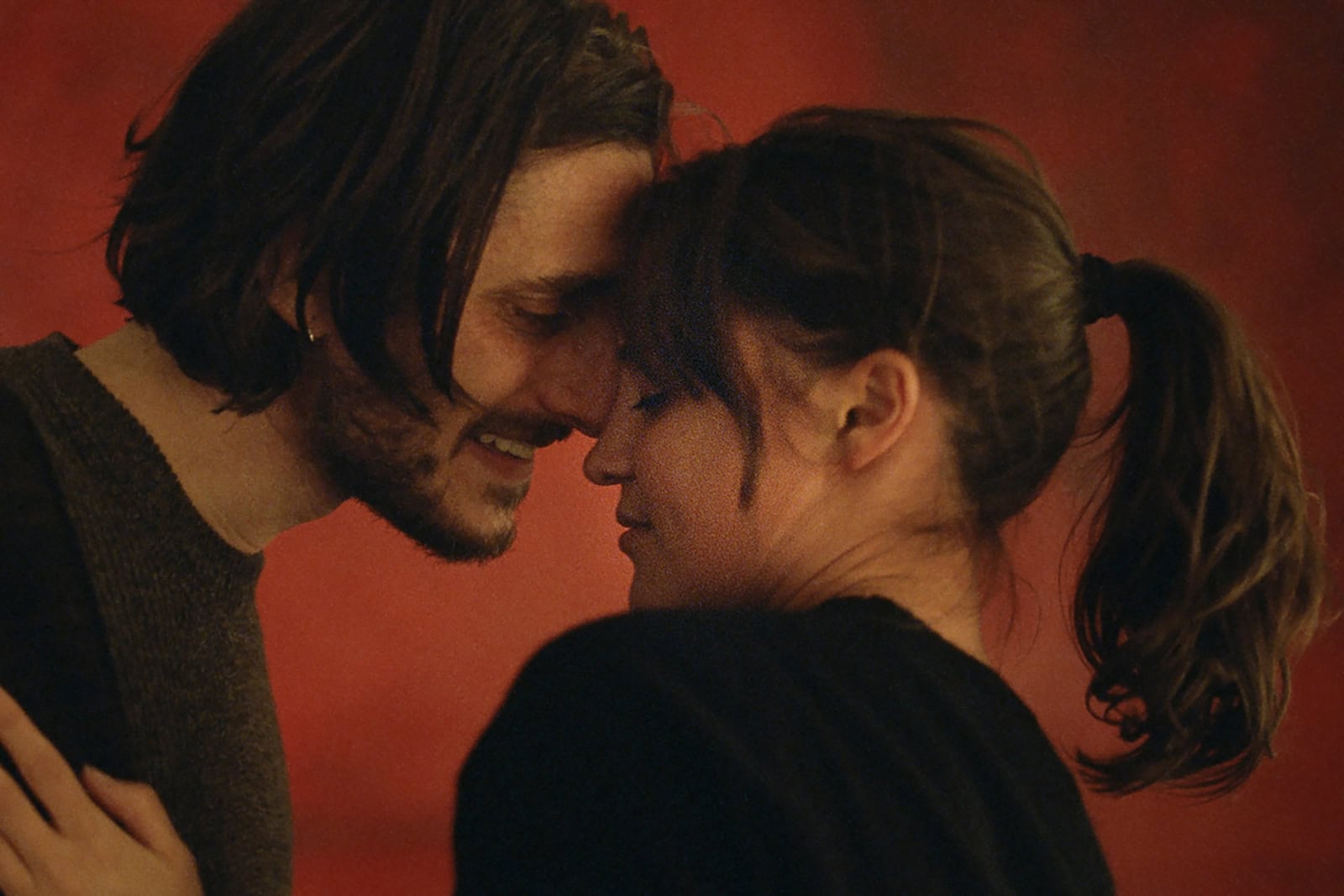
The narrative kicks off with deliberate sluggishness. The opening act lingers interminably on the daily rituals of home healthcare, establishing Leo’s chronic pain and emotional withdrawal. It is nearly a third of the way into the film before the title card finally appears—a stylistic choice that might feel daring in a stylistic masterpiece, but here merely underscores how little narrative momentum has been achieved. The central dynamic—a visiting nurse falling for her charismatic, broken patient—unfolds with astonishingly little logical heat or psychological buildup. Instead, the relationship relies heavily on visual shorthand, such as Anne’s administrative duties (most memorably, the charged administration of pain medication via intramuscular injection) to telegraph a simmering, albeit unearned, sexual tension.
As the production progresses into the second act, the arrival of Susan Sarandon’s character—an over-the-hill songstress brought in for a swan-song recording session—offers a glimmer of thematic expansion. Yet, this subplot is quickly sidelined by the suffocating focus on Anne’s unwavering, increasingly pathological insistence on remaining by Leo’s side. The narrative truly begins to fracture in its final twenty minutes, swerving into convoluted, confounding narrative choices that undermine the psychological realism built up by the actors, ultimately concluding on a jarring, bizarrely executed final note that leaves viewers questioning the thematic thesis of the entire project.
Supporting Context & Metrics: Talent, Themes, and Technical Execution
What makes The Echo Chamber such a fascinating case study in contemporary cinema is the vast chasm between its stellar ingredients and its underwhelming final product.
Cast and Performances
The production managed to assemble an impressive roster of international talent:
- Luca Marinelli as Leo, the ailing music producer. Marinelli commits fully to the physical toll of the role, selling the agonizing deterioration of a once-vibrant artist with absolute sincerity.
- Alicia Vikander as Anne, the nurse whose clinical detachment devolves into suffocating obsession. Vikander navigates a poorly written character arc with professional poise, executing a remarkably bold final scene that demands immense vulnerability.
- Susan Sarandon as the veteran singer-songwriter. Sarandon brings gravitas to a thinly sketched role, even performing several decent musical numbers that inject rare moments of organic life into the picture.
- Supporting Ensemble: Featuring Ann Akinjirin, Peter Coonan, Antonia Fotaras, and Aomi Muyock. Notably, the script attempts to flesh out Leo’s domestic periphery by introducing relatives and a newborn nephew, though these subplots are so clumsily integrated that they feel entirely weightless and disconnected from the central drama.
Thematic Ambitions vs. Execution
On paper, The Echo Chamber tackles sophisticated, harrowing themes:
- Toxic Codependency: The blurring lines between caregiving and emotional imprisonment.
- Substance Dependency: The intersection of chronic physical pain, emotional trauma, and pharmaceutical addiction.
- Artistic Decay: The agonizing process of creating art when both body and mind are failing.
However, the film stumbles in its execution. Rather than deftly handling these complex dynamics, the screenplay treats drug addiction and toxic love through a lens of generic melodrama. The nurse’s complicity in Leo’s downward spiral is introduced haphazardly, preventing the audience from fully grappling with the moral ambiguity of her actions. Furthermore, technical missteps—such as a jarringly intrusive scene where a rock band’s music from a nearby jukebox bleeds into an intimate interior sequence—consistently pull the viewer out of the narrative trance.
Official Statements and Industry Reception
The critical reception of The Echo Chamber has been notably stark, dividing festival circuits and trade publications. Speaking during early promotional windows, director Andrea Pallaoro emphasized the sacred duty of honoring Bertolucci’s final vision.
"We approached this text not as a museum piece, but as a living, breathing exploration of human vulnerability," Pallaoro remarked during press rounds. "Bernardo’s writing stripped away the artifice of human interaction, leaving only raw nerve endings. Our goal was to preserve that absolute honesty on screen."
Despite these noble artistic intentions, early reviews from critics—such as Robert Kojder of Flickering Myth, who awarded the film a modest two-out-of-four-star rating—have highlighted the project’s inability to transcend its clichés. Critics have levied sharp commentary against the film’s pacing:
"There is slow cinema, and then there is this film, which drops the title card 20+ minutes in when not much has even happened… It is an aggressively tedious and mediocre project that only managed to attract star power due to its association with a deceased legend."
Industry analysts have noted that The Echo Chamber serves as a cautionary tale about the perils of adapting posthumous works. Without the original author on set to pivot, restructure, or clarify narrative blind spots during production, even the most talented contemporary filmmakers and adapters can find themselves lost in the echo chamber of a master’s unfinished thoughts.
Future Outlook
As The Echo Chamber rolls out across international theatrical markets and digital streaming platforms, its legacy appears destined to be that of a cinematic curiosity rather than a definitive masterpiece.
For film historians and dedicated cinephiles, the movie will inevitably remain a required text—a unique artifact representing the final creative thoughts of Bernardo Bertolucci filtered through the lens of modern European arthouse sensibilities. For the general public, however, the film’s punishing runtime, sluggish narrative progression, and baffling third-act convolutions may prove too high a barrier to entry.
Looking ahead, the principal creators involved are moving on to greener pastures. Andrea Pallaoro’s next directorial ventures will test whether he can apply the striking visual composition of The Echo Chamber to more dynamically paced narratives. Meanwhile, performers like Alicia Vikander and Luca Marinelli continue to cement their statuses as two of the most daring, risk-tolerant actors of their generation, whose willingness to tackle difficult, uncomfortable material remains undiminished—even when the surrounding framework fails to match their formidable talents.
Ultimately, The Echo Chamber stands as a monument to ambition: a film that aimed to capture the silent, echoing spaces between human souls, but ultimately became trapped within its own hollow acoustics.








Belum ada komentar. Jadilah yang pertama berkomentar!