

Executive Overview
In a striking fusion of high-street retail convenience and centuries-old cultural heritage, Japanese retail titan FamilyMart has officially launched a limited-edition apparel and accessories collection dedicated to one of professional sumo’s most revered figures. The newly released range, integrated into the company’s rapidly expanding Convenience Wear label, pays homage to the legendary yokozuna Chiyonofuji.
Available nationwide across FamilyMart’s sprawling network of Japanese convenience stores (konbini), the collection offers consumers an affordable and stylish gateway into the soul of traditional Japanese athletics. Priced accessibly—with socks retailing at 600 yen (approximately US$4) and premium Imabari-woven hand towels priced at 800 yen—the lineup bridges the gap between everyday utility and high-art memorabilia.
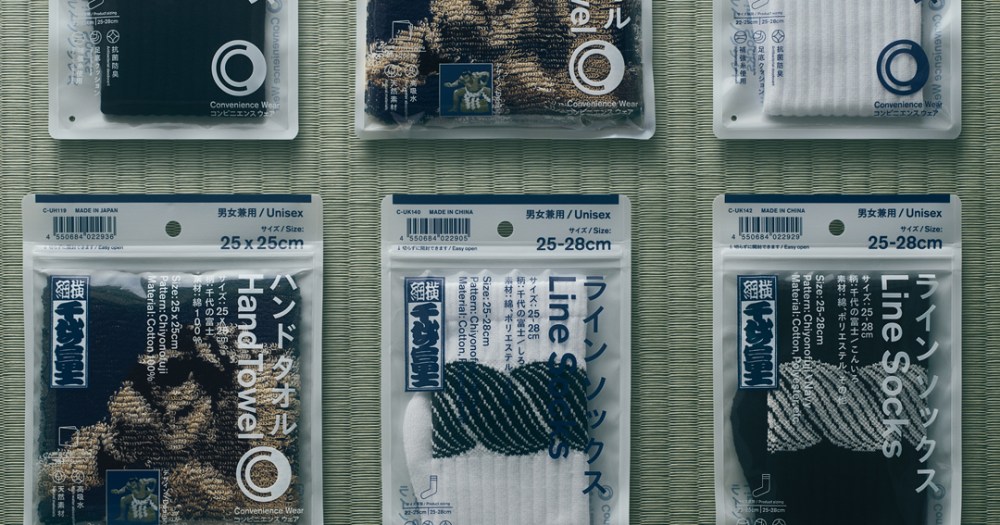
Curated under the creative direction of fashion designer Hiroyuki Ochiai, the collaboration introduces unisex line socks and jacquard-woven hand towels that capture the raw power, elegance, and solemn ritual of the Shōwa-era grand champion. Far from a mere novelty, this release underscores a broader cultural movement within modern Japanese retail: turning everyday convenience store items into vehicles for historical preservation and national pride. As global interest in sumo reaches unprecedented heights, this strategic drop provides both domestic traditionalists and international tourists with a tangible, wearable piece of living history.
Detailed Chronology & Product Rollout
The genesis and execution of the FamilyMart Chiyonofuji collaboration followed a tightly orchestrated timeline designed to maximize consumer anticipation, digital engagement, and physical retail impact across the Japanese archipelago.
Phase One: Early Digital Access (August 25)
Before the physical items ever hit the brightly lit aisles of FamilyMart’s brick-and-mortar storefronts, the retail giant initiated an exclusive online pre-launch. Beginning on August 25, limited quantities of the Chiyonofuji collection were made available via the official FamilyMart Online portal. This digital-first strategy catered to hardcore collectors, fashion enthusiasts, and nostalgic fans across Japan who feared missing out on the physical inventory, which was expected to vanish quickly from store shelves.
Phase Two: Nationwide Retail Launch (August 28)
The official, nationwide rollout commenced on August 28, with the collection hitting FamilyMart stores from Hokkaido down to Okinawa. Due to logistical variations, delivery schedules, and differing store sizes across Japan’s 47 prefectures, launch times fluctuated slightly by region. Early morning queues were reported in major metropolitan hubs like Tokyo and Osaka, where urban commuters and pop-culture aficionados rushed to secure the items before midday.
Phase Three: The Product Lineup
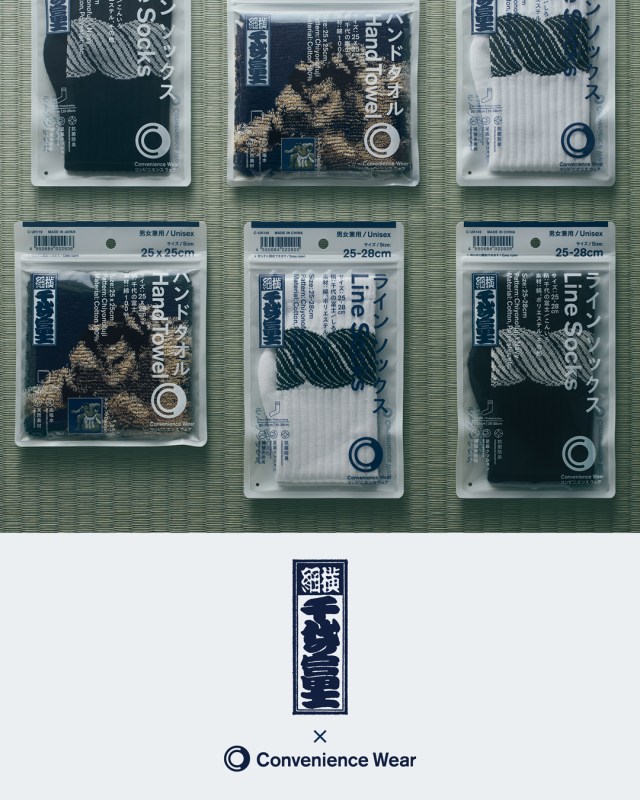
The capsule collection features two distinct categories of items, each engineered with meticulous attention to detail, textile quality, and historical accuracy:
-
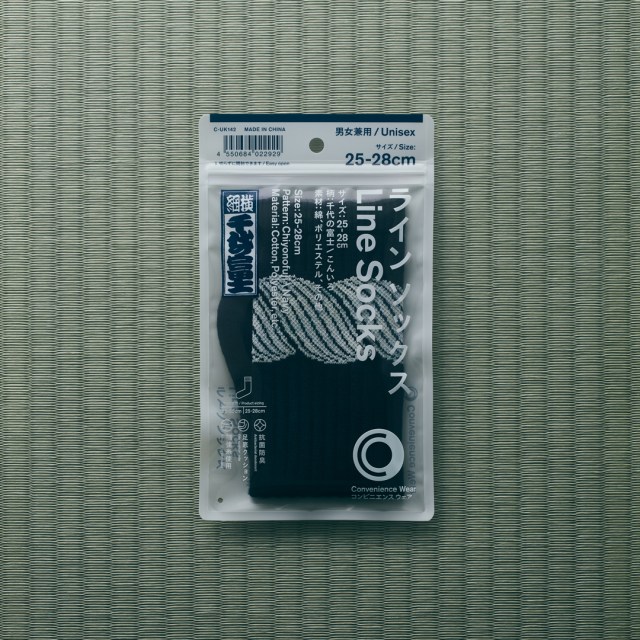
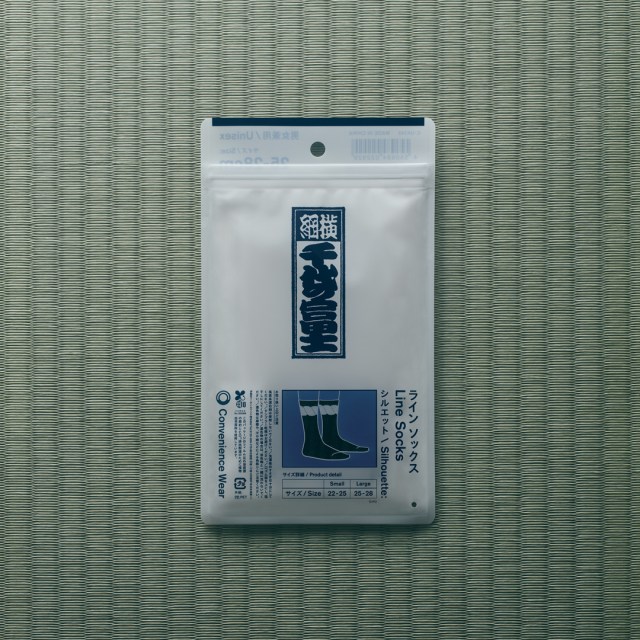
The Chiyonofuji Line Socks (600 JPY / ~$4 USD)
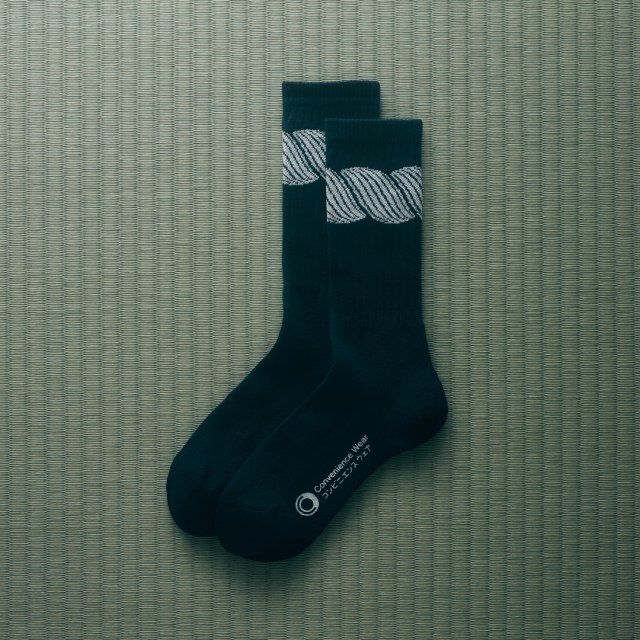
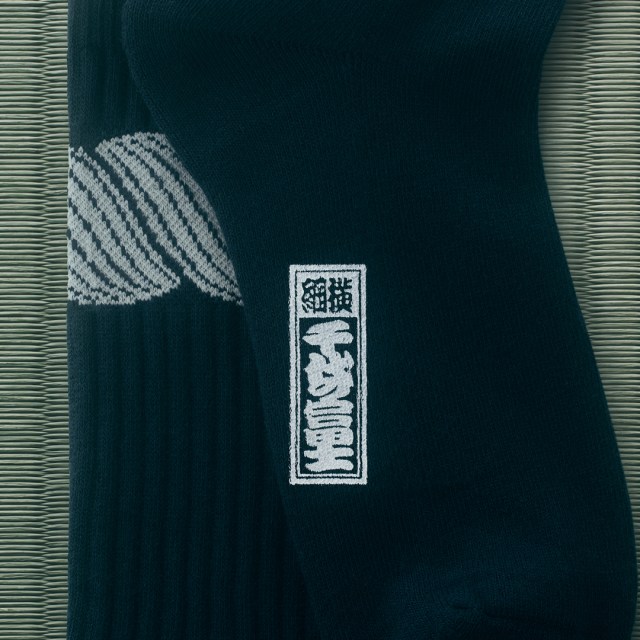
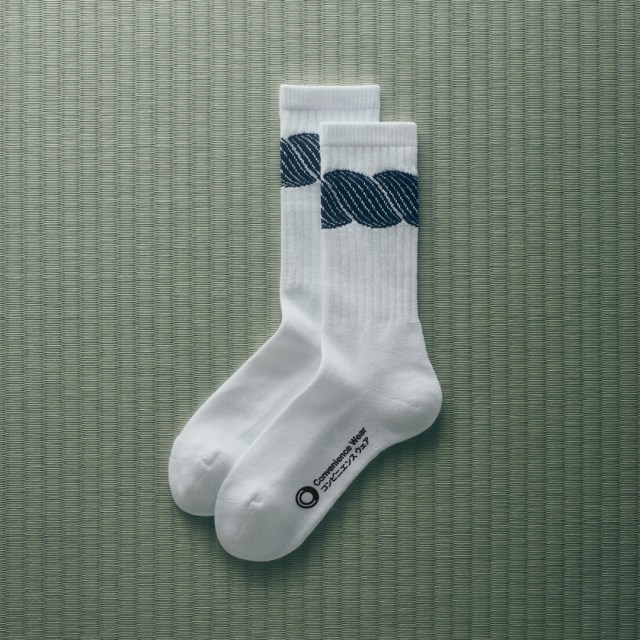
- Design Inspiration: Styled after the sacred shimenawa (rice-straw rope) worn by yokozuna during their ceremonial ring-entering performances (dohyo-iri).
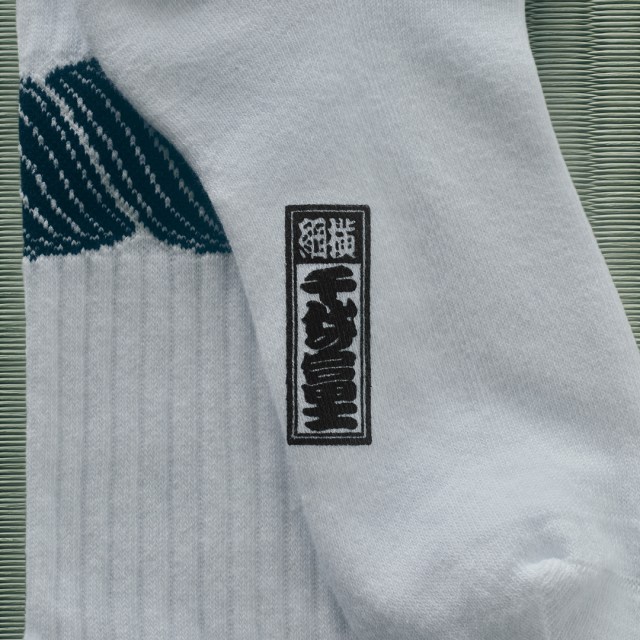
- Aesthetics: Incorporates bold linear elements, traditional color blocking, and the distinctive branding of Chiyonofuji’s name woven directly into the fabric.
- Colorways: Offered in two sophisticated variants—classic white and deep dark blue.
- Sizing & Comfort: Manufactured in two versatile unisex sizes (22–25 cm / 8.7–9.8 inches and 25–28 cm) and treated with specialized antibacterial and deodorizing agents to ensure freshness throughout long summer days.
-
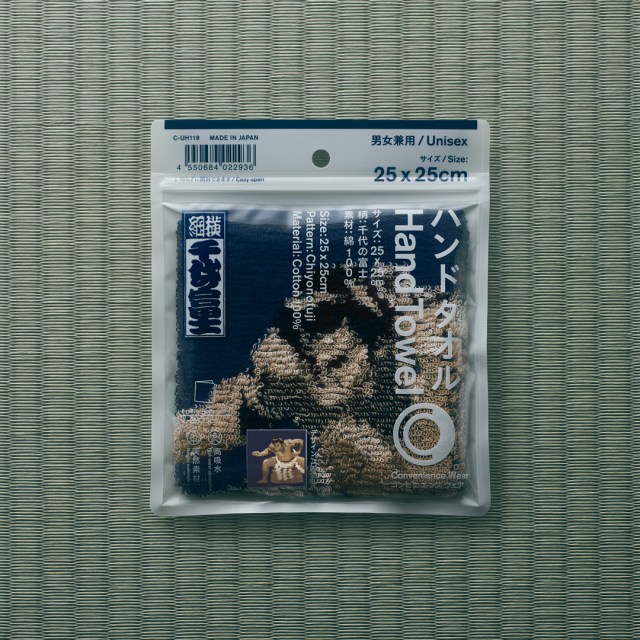
The Chiyonofuji Hand Towel (800 JPY / ~$5.50 USD)
- Manufacturing: Produced in partnership with Imabari, Japan’s premier and most prestigious towel-manufacturing region in Ehime Prefecture, renowned globally for its unmatched softness and water-absorbency standards.
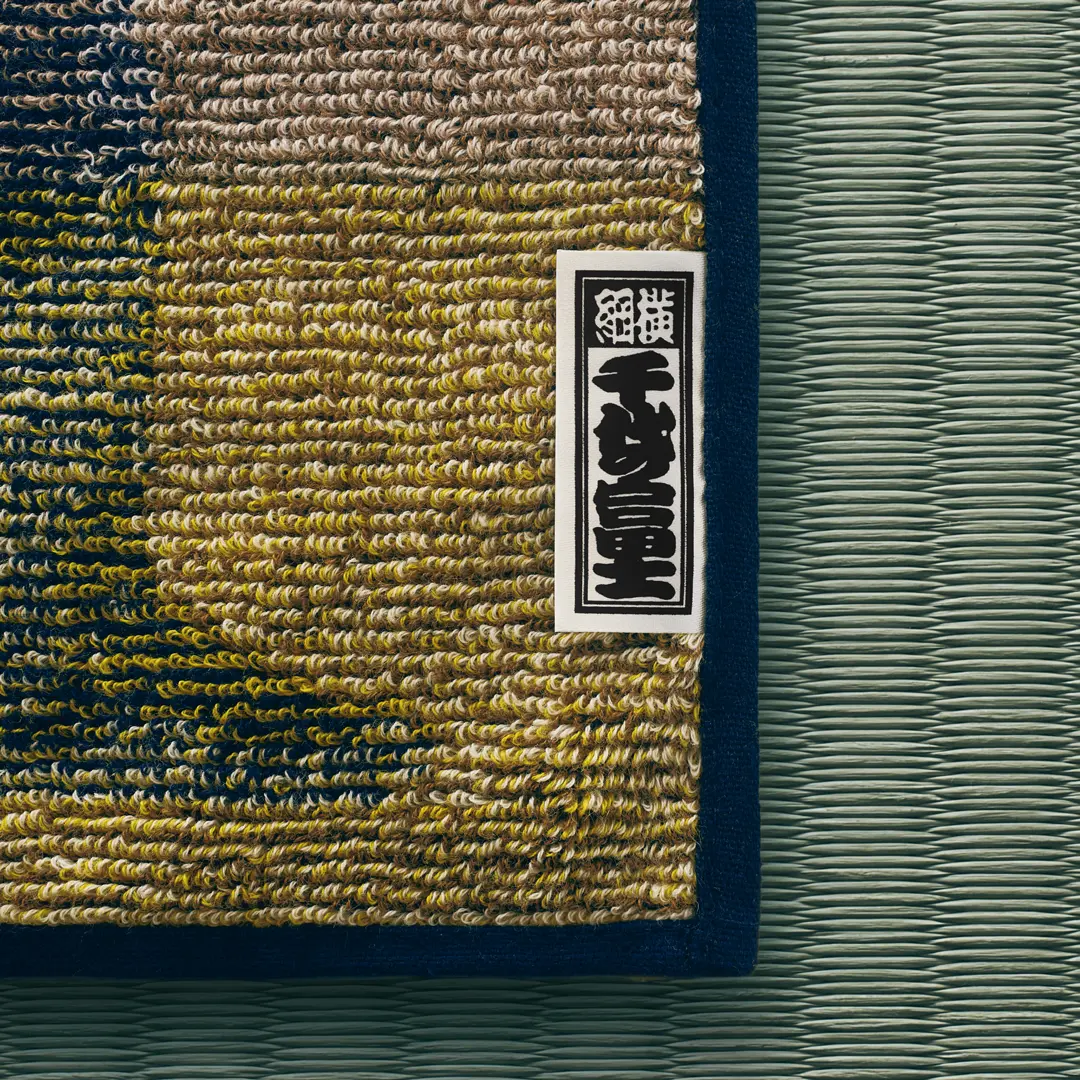
- Aesthetics: Utilizes advanced jacquard-weaving techniques to render a striking, high-contrast portrait of Chiyonofuji in the heat of a legendary bout. The wrestler’s name is gracefully integrated into the border design.
Supporting Context & Metrics: The Legend of Chiyonofuji Mitsugu
To fully comprehend the cultural weight of FamilyMart’s latest fashion venture, one must examine the towering legacy of the man immortalized on the fabric: Chiyonofuji Mitsugu.
Born Mitsugu Akimoto in June 1955 in Hokkaido, Chiyonofuji rose through the grueling ranks of professional sumo to become the sport’s 58th yokozuna (grand champion). While sumo is historically dominated by gargantuan wrestlers who rely heavily on sheer mass to overwhelm opponents, Chiyonofuji carved out his legendary status through a combination of blistering speed, supreme technical mastery, iron-willed discipline, and a remarkably sculpted, muscular physique that earned him the apt nickname "The Wolf" (Kokonoe-beya).
Key Statistical Milestones of an Icon:
- Career Wins: Amassed 1,045 career victories, holding the record for the most wins in professional sumo history for decades.
- Top-Division Championships (Yusho): Secured 31 Emperor’s Cups, placing him near the absolute zenith of all-time tournament victories.
- The 53-Bout Winning Streak: In 1988, he achieved a historic 53-consecutive-match winning streak—one of the longest unbroken runs in modern sumo history.
- Cultural Footprint: He was the first sumo wrestler to be awarded the prestigious People’s Honour Award by the Prime Minister of Japan in 1989.
Even decades after his retirement in 1991 and his untimely passing in 2016, Chiyonofuji remains the archetype of the modern athletic champion. By choosing him for this collaboration, FamilyMart is tapping into a deep well of nostalgic reverence among the generations who watched him dominate television screens during the economic boom of the Shōwa era, while simultaneously introducing his legendary status to younger demographics who view him through a lens of retro-cool aesthetics.
Official Statements & Design Philosophy
The success of FamilyMart’s Convenience Wear line—launched in recent years to challenge traditional apparel paradigms by offering high-quality basics in supermarkets and convenience stores—hinges on its creative leadership. The brand is spearheaded by renowned Japanese fashion designer Hiroyuki Ochiai, whose vision has turned utilitarian items into must-have streetwear.
Speaking on the inspiration behind the Chiyonofuji collection, Ochiai reflected on his own childhood memories:
"When developing this range, my goal was to transport wearers back to the electric atmosphere of the Shōwa era. When I look at the jacquard-woven portrait of Chiyonofuji on these towels and socks, it looks exactly as I remember seeing him command the television screen during epic tournament broadcasts. Sumo is a profound pillar of Japanese culture, and my sincere hope is that this accessible collaboration provides an inviting doorway for people both here in Japan and across the globe to engage with, learn from, and celebrate our rich traditions."
Industry analysts have praised Ochiai’s approach. By blending high-fashion streetwear sensibilities with everyday konbini convenience, FamilyMart has successfully democratized cultural memorabilia. Consumers no longer need to visit specialized gift shops in Tokyo’s Ryōgoku district (the epicenter of sumo culture) to purchase heritage merchandise; they can acquire museum-grade, Imabari-certified textiles alongside their morning onigiri and iced coffee.
Future Outlook: The Intersection of Konbini Culture and Heritage
The FamilyMart x Chiyonofuji release is far more than a seasonal fashion stunt; it serves as a bellwether for the future of Japanese retail marketing.
As Japan’s convenience store sector faces saturation, operators are increasingly turning to strategic intellectual property (IP) collaborations, retro nostalgia, and localized cultural heritage to drive foot traffic and capture high-margin impulse purchases. FamilyMart’s Convenience Wear line has previously made headlines for its trendy socks, moisture-wicking undershirts, and artistic crossovers. By expanding into historical athletics, the brand has unlocked a lucrative new demographic: cultural tourists seeking authentic souvenirs and domestic consumers nostalgic for Japan’s mid-century golden age.
What Lies Ahead?
Industry insiders speculate that the success of the Chiyonofuji line will pave the way for subsequent waves of sports-heritage and historical collaborations within Japan’s konbini ecosystem. With Tokyo grand tournaments drawing massive international crowds and global streaming platforms bringing sumo to millions of overseas viewers, the appetite for culturally resonant apparel is at an all-time high.
For now, shoppers across Japan are advised to act quickly. Given the limited production runs and the viral momentum generated across social media platforms like X (formerly Twitter) and Instagram, these $4 sumo socks and Imabari-woven towels are poised to become legendary collectors’ items in their own right—proving once again that in Japan, culture, fashion, and convenience are never more than a block away.






Belum ada komentar. Jadilah yang pertama berkomentar!