Nestled in the lush, mist-shrouded basin of Mie Prefecture, Iga City remains one of Japan’s most captivating historical destinations. Universally celebrated as the legendary birthplace of the Iga-ryu Ninja, this vibrant yet deeply traditional municipality continues to project a magnetic pull over international travelers and history enthusiasts alike. Far from being relegated to the pages of ancient folklore, the mysterious arts, ingenious architecture, and resilient philosophy of the Iga ninja are meticulously preserved and actively celebrated in modern times.
For travelers seeking an authentic escape from the hyper-modernity of Japan’s sprawling metropolises, Iga offers a seamless, enriching day trip. Situated approximately 1 hour and 30 minutes from Nagoya, the city bridges the gap between historical reverence and accessible modern tourism.
This comprehensive report examines Iga City’s prime cultural attractions—including the architectural marvel of Iga Castle, the world-renowned Iga-ryu Ninja Museum, and the newly established interactive "Bansenshukai" facility. Furthermore, this guide provides an authoritative breakdown of travel logistics, detailing the iconic Iga Railway "Ninja Trains," streamlined express bus networks, and exclusive discount packages designed to optimize the modern traveler’s journey.
Detailed Chronology: From Feudal Strongholds to Modern Cultural Tourism
To truly appreciate the experiential landscape of Iga City today, one must understand the historical milestones that transformed a clandestine warrior province into a global cultural phenomenon.
The Feudal Era: The Rise of the Iga-ryu
12th to 16th Century (The Formation of the Iga Republic): Unlike samurai who pledged absolute allegiance to centralized lords, the warriors of Iga developed localized, self-governing communities (known as jizamurai). Out of necessity in a rugged, politically fragmented region, they refined asymmetrical warfare, espionage, and survival techniques, giving birth to the structured tactical system known as Iga-ryu.
1585 (The Tensho Iga War Aftermath & Castle Construction): Following conflicts with warlord Oda Nobunaga, the region fell under new governance. Renowned military architect Todo Takatora, a master builder who later served Tokugawa Ieyasu, significantly expanded and renovated the local fortifications, establishing the structural grandeur of what is now known as Iga Castle (also referred to as Ueno Castle).
The Modern Era: Preservation and Innovation
Mid-20th Century: Preservation efforts began in earnest to protect the remnants of ninja residences, secret blueprints, and martial arts lineages, eventually paving the way for dedicated cultural tourism.
2018 (Introduction of the Ninja Trains): The Iga Railway launched its iconic fleet of "Ninja Trains," conceptualized by acclaimed manga artist Leiji Matsumoto, injecting pop-culture vibrancy into regional transit.
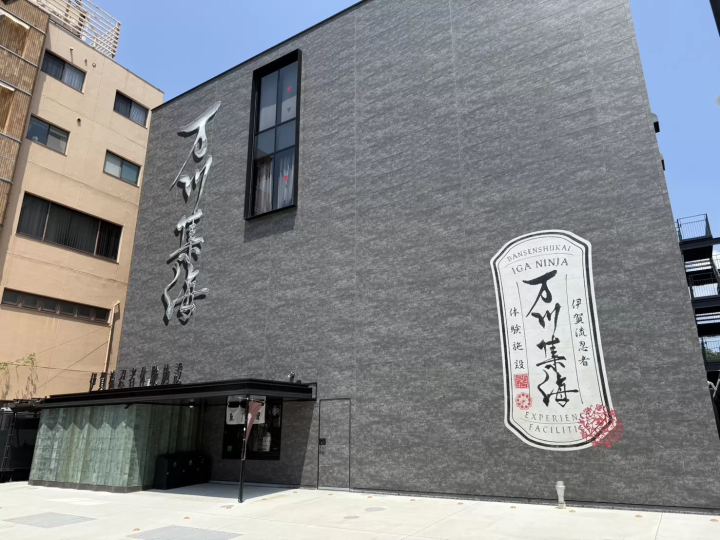
August 2025 (The Opening of "Bansenshukai"): Expanding its tourism infrastructure, Iga welcomed the "Bansenshukai" interactive facility, named after the legendary 17th-century ninja manual. This addition shifted the paradigm from passive museum viewing to active, indoor experiential learning.
Present Day (August 2026): Iga City stands as a premier international tourist hub, seamlessly connecting regional transit corridors from Nagoya to immersive, year-round historical adventures.
Supporting Context & Metrics: Top 3 Must-Visit Attractions in Iga City
Iga’s tourism ecosystem is anchored by three primary landmarks, each offering a distinct perspective on the region’s martial heritage.
+-------------------------------------------------------------------------+
|                       IGA CITY TOURIST ECOSYSTEM                        |
+---------------------------+---------------------+-----------------------+
| Attraction                | Primary Highlight   | Logistics & Access    |
+---------------------------+---------------------+-----------------------+
| 1. Iga Castle             | 30m Ishigaki Walls, | 15-min walk from      |
|    (Hakuhō Castle)        | Todo Takatora armor | Uenoshi Station       |
+---------------------------+---------------------+-----------------------+
| 2. Iga-ryu Ninja Museum   | Trick Ninja House,  | 5-min walk from       |
|                           | Live Action Shows   | Uenoshi Station       |
+---------------------------+---------------------+-----------------------+
| 3. "Bansenshukai"         | Indoor interactive  | Year-round climate-   |
|    Facility               | costume & shuriken  | controlled experience |
+---------------------------+---------------------+-----------------------+
1. Iga Castle (Hakuhō Castle)
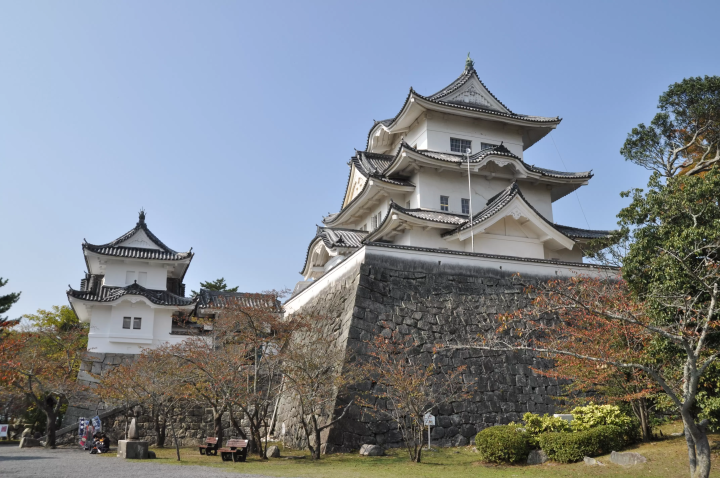
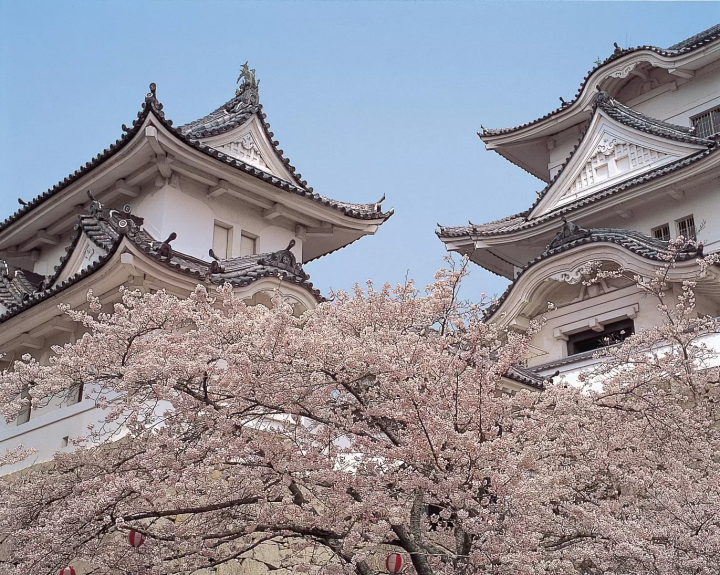
Affectionately known as "Hakuhō Castle" (White Phoenix Castle) due to its striking, elegant white exterior, Iga Castle represents one of the most aesthetically pleasing fortifications in the Kansai region.
Architectural Grandeur: The site is famously anchored by its towering ishigaki (stone walls), which soar to an astonishing height of approximately 30 meters. These megalithic stone ramparts are among the tallest surviving retaining walls in all of Japan, inspiring an immediate sense of awe and medieval impregnability.
Inside the Keep: Rebuilt and modernized while retaining its classic aesthetic, the castle interior functions as a repository for regional history. Visitors can inspect authentic suits of armor and razor-sharp swords associated with the Todo family, alongside rare historical documents detailing the socio-political evolution of Iga.
The Panorama: Ascending to the top floor of the castle tower yields a sweeping, panoramic view of the traditional castle town below, allowing travelers to visually connect historical urban planning with contemporary rural life.
2. The Iga-ryu Ninja Museum
Situated within the verdant boundaries of Ueno Park—just a convenient 5-minute walk from Uenoshi Station on the Iga Railway—the Iga-ryu Ninja Museum is the undisputed epicenter of global ninja studies.
The Ninja House (Karakuri-yashiki): The centerpiece of the museum is an unassuming traditional farmhouse relocated to the grounds. Beneath its humble exterior lies a masterclass in espionage engineering. Visitors are guided through the house by staff demonstrators who reveal ingenious architectural deceptions, including revolving walls, disguised trapdoors, and hidden weapon compartments designed to outwit assassins.
The Exhibition Halls: The museum proper houses an exhaustive collection of genuine historical artifacts, including climbing claws, specialized smoke-rendering compounds, codebooks, and functional espionage tools used by historical operatives.
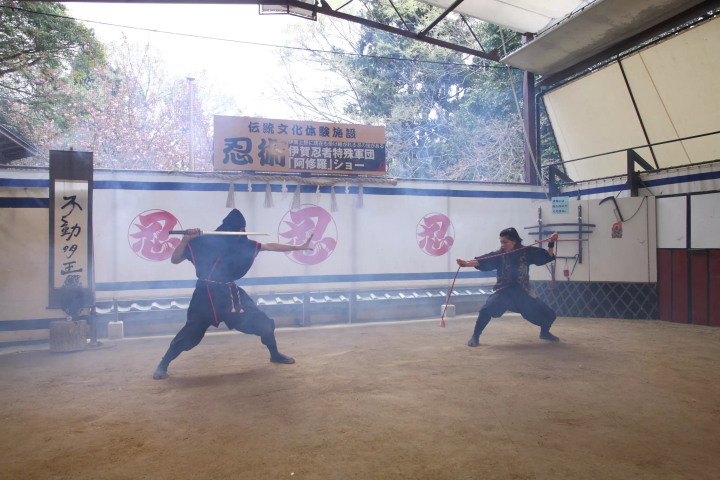
Dynamic Performances and Hands-On Action: Beyond static displays, the museum stages high-energy ninja action shows that vividly demonstrate the lethal efficiency and acrobatic prowess of the craft. Furthermore, guests can step onto the training floor for a shuriken (ninja star) throwing experience (Note: Separate admission/participation tickets apply for the show and shuriken range).
3. "Bansenshukai": The Next Generation of Interactive History
Opened in August 2025, the "Bansenshukai" interactive facility represents the cutting edge of modern cultural tourism in Iga. Taking its moniker from the Bansenshukai—the definitive 17th-century manual compiling the secret tactics, philosophies, and operational methodologies of the Iga and Koka ninja clans—this facility bridges the gap between archive and amusement.
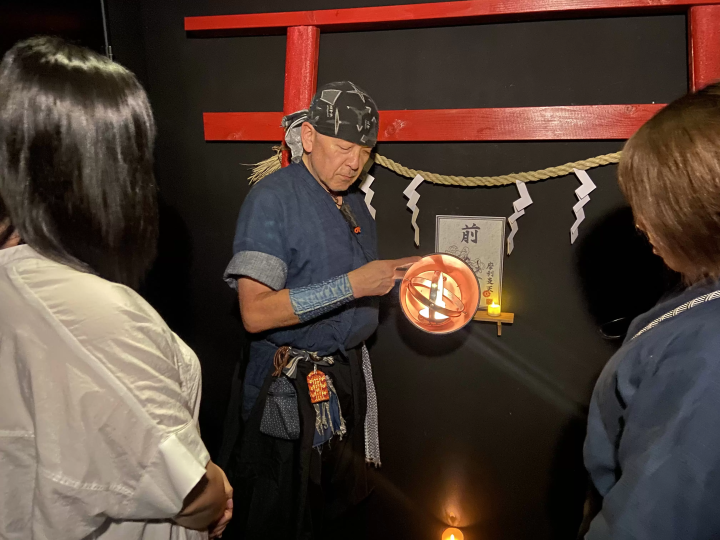
Immersive Learning: Rather than merely looking at relics behind glass, visitors engage directly with the pedagogical traditions of the ninja. The facility offers curated experience plans centered around active participation.
All-Weather Design: Fully optimized for modern travelers, all activities take place within a climate-controlled indoor environment. Complete with state-of-the-art heating and air conditioning, the facility ensures that guests can comfortably engage in costume transformations and physical training regardless of exterior weather conditions—whether navigating torrential summer heat or chilly winter rains.
Logistics & Transportation Access: Journey from Nagoya to Iga
Navigating from the bustling urban sprawl of Nagoya to the historical tranquility of Iga City is remarkably straightforward, with transit networks catering to both rail enthusiasts and efficiency-minded travelers.
Rail Travel & The Legendary "Ninja Trains"
For travelers opting for the railway, the journey from Nagoya involves taking either the JR or Kintetsu mainline services before transferring to the Iga Railway at Tsuge or Iga-Kambe, ultimately arriving at Uenoshi Station.
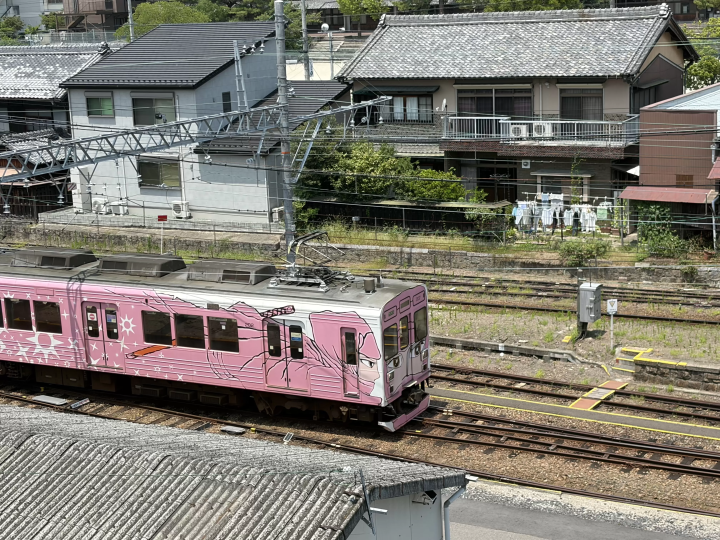
The Iga Railway "Ninja Train" Experience: Introduced in 2018 and conceptualized by legendary manga artist Matsumoto Leiji (creator of Galaxy Express 999), the specialized "Ninja Trains" are a major attraction in their own right. Comprising a three-car fleet painted in striking shades of blue, green, and pink, these carriages feature dynamic exterior graphics and themed interiors that immerse passengers in a sci-fi ninja universe before they even reach the city.
Transit Considerations: While highly picturesque, rail travel requires careful coordination of transfer schedules and attention to local train frequencies, which may be less frequent than major commuter lines.
The Express Bus Alternative: Direct, Smooth, and Convenient
For visitors looking to bypass the complexities of railway transfers, the Mie Kotsu Express Bus offers an exceptionally smooth alternative.
Route and Travel Time: Operating directly between Nagoya and Iga, the express bus completes the journey in approximately 1 hour and 40 minutes (subject to highway traffic conditions).
Operational Flexibility: Advance reservations are not required, allowing travelers to purchase tickets flexibly on the day of travel. Notably, the service guarantees operation even with a single passenger, making it an exceptionally reliable transit link.
Departure Point: The express bus terminal is stationed on the 3rd floor of the Meitetsu Bus Center, directly adjacent to Nagoya Station, ensuring seamless integration for travelers arriving via shinkansen or local lines.
To streamline both budgeting and itinerary planning, regional authorities offer bundled promotional passes. The "Iga Ninja Liner Ticket" and associated regional discount packages intelligently bundle express bus transportation, museum admissions, and specialized ninja experience vouchers into a single, cohesive transaction.
Tourism boards and municipal leaders have continually emphasized the delicate balance between historical authenticity and modern accessibility in positioning Iga City on the global stage.
"Iga City holds a singular place in the global cultural imagination," notes a regional tourism promotion representative speaking on the post-2025 tourism framework. "Our mission has never been to reduce our heritage to mere caricature. By introducing state-of-the-art experiential facilities like the Bansenshukai center alongside the meticulously preserved ramparts of Iga Castle, we invite the world to understand the genuine discipline, science, and historical resilience of the Iga-ryu Ninja. Coupled with our direct express bus corridors from Nagoya, discovering this living history has never been more seamless."
Industry analysts point out that Iga’s strategic investments in climate-controlled indoor attractions—such as the Bansenshukai facility—have successfully insulated the local economy against seasonal weather volatility, ensuring robust, year-round visitor engagement.
Future Outlook
As international tourism to Japan reaches unprecedented heights, regional destinations like Iga City are uniquely positioned to capture the growing demographic of travelers seeking "deep-dive" cultural excursions outside major metropolitan hubs like Tokyo, Kyoto, and Osaka.
Looking forward, municipal authorities plan to expand multilingual digital guide infrastructures across Ueno Park and the Iga-ryu Ninja Museum, further smoothing the navigation path for international visitors. Additionally, collaborative transit initiatives between Mie Kotsu and regional rail operators aim to introduce integrated digital ticketing systems, harmonizing the transition from Nagoya’s transit arteries to Iga’s historical heartland.
For the modern traveler, Iga City represents the ultimate synthesis of past and present. Whether gazing down from the 30-meter stone walls of Hakuhō Castle, unraveling the architectural deceptions of a 400-year-old ninja residence, or riding the rails aboard a Leiji Matsumoto-designed Ninja Train, a day trip to Iga offers an indelible encounter with the shadows of Japan’s feudal past, brought vividly and comfortably into the modern era.









Belum ada komentar. Jadilah yang pertama berkomentar!