

Executive Overview
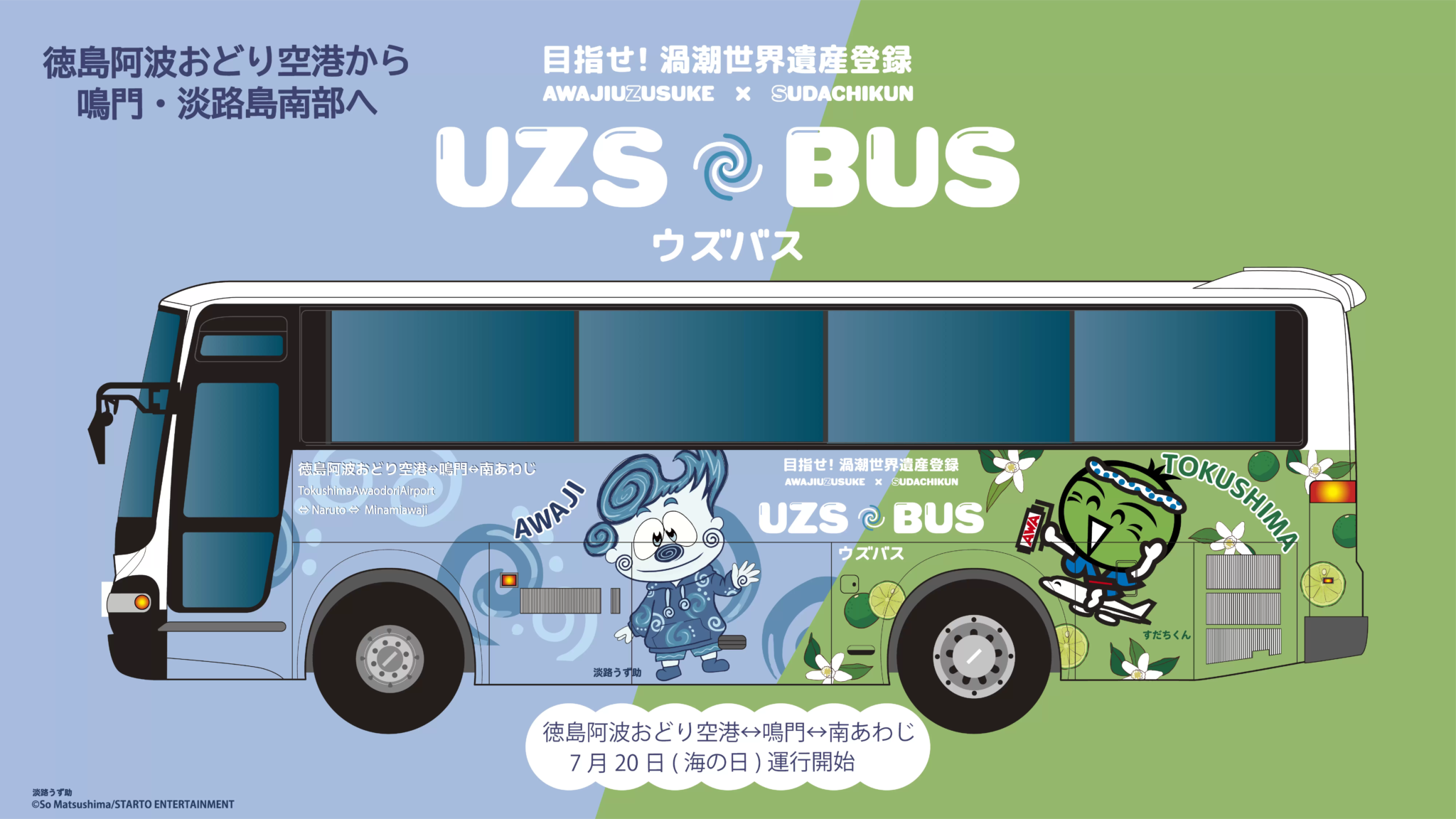
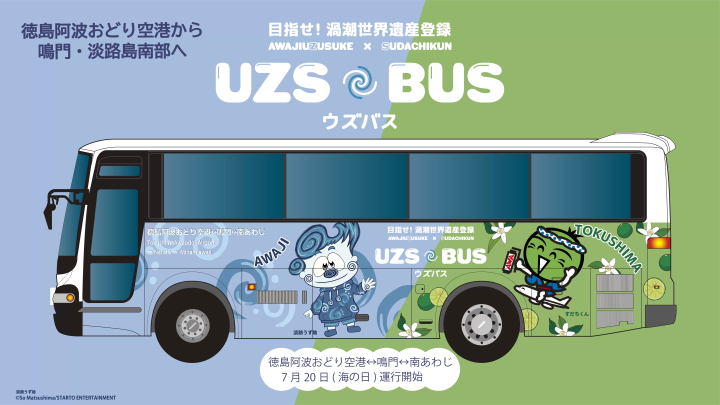
In a significant collaborative initiative bridging regional boundaries, tourism bodies and local governments have officially launched the "UZSBUS"—a specialized limousine bus service designed to seamlessly connect Tokushima Awaodori Airport, Naruto City in Tokushima Prefecture, and southern Awaji Island in Hyogo Prefecture. Debuting to bolster both domestic tourism and corporate travel, this cross-regional transit solution addresses a long-standing logistical gap for travelers aiming to explore the eastern gateway to Shikoku and the southern reaches of Awaji Island.
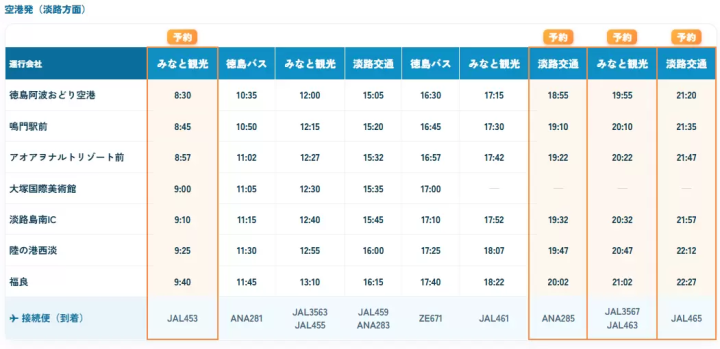
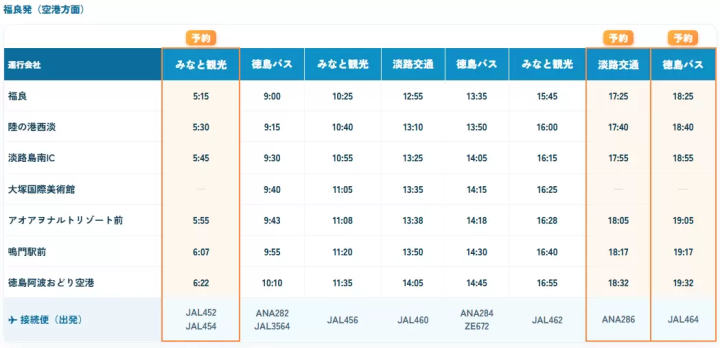
Naruto City, celebrated for its dramatic natural landscapes, world-renowned tidal whirlpools, and cultural milestones such as the Shikoku Pilgrimage, has historically relied on fragmented transit networks to process incoming visitors from the Kansai region via the Naruto and Akashi Strait bridges. The UZSBUS changes this paradigm by synchronizing its schedules directly with commercial flight arrivals and departures at Tokushima Awaodori Airport. Operating 9 inbound and 8 outbound flights daily, the service offers an integrated route spanning key transit hubs, cultural landmarks, and premier resort accommodations.
Beyond basic point-to-point transit, the UZSBUS initiative is reinforced by a robust digital reservation platform, a collaborative regional branding campaign featuring beloved local mascots Sudachi-kun and Awaji Uzusuke (designed by Matsushima of timlesz), and detailed logistical frameworks to accommodate peak holiday travel. This comprehensive report explores the operational mechanics, route specifics, reservation guidelines, and broader socioeconomic impact of the UZSBUS, providing travelers and industry stakeholders with an authoritative guide to this new transportation asset.
Detailed Chronology & Operational Framework
The development and rollout of the UZSBUS represent a multi-agency partnership involving Tokushima Prefecture, Naruto City, and Minamiawaji City in Hyogo Prefecture. Conceived to streamline transit across the prefectural divide, the service was structured to eliminate the friction typically associated with island-to-mainland and airport-to-resort transfers.
Route Alignment and Connectivity
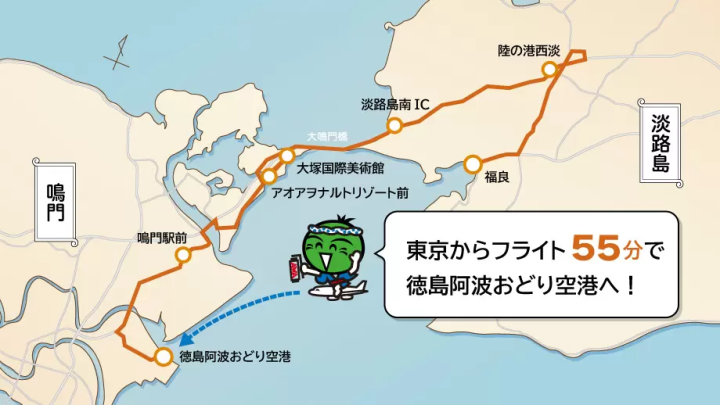
The UZSBUS operates along a carefully curated corridor designed to maximize utility for tourists and business travelers alike. The route is divided into two primary regional clusters that cross the Naruto Strait:
- Tokushima Segment: The service originates and terminates at Tokushima Awaodori Airport, proceeding through Naruto Station, the Aoao Naruto Resort, and culminating at the world-famous Otsuka International Museum of Art.
- Minamiawaji Segment: Extending across the prefectural border into Hyogo Prefecture, the route serves Awaji Island South IC, Rikunominato Nishiawaji, and the port town of Fukura.
Crucially, while the bus facilitates regional exploration between Tokushima and Awaji, local transit regulations stipulate that boarding and alighting are not permitted exclusively within Awaji Island, preserving the service’s primary function as an inter-regional connector.
Flight Synchronization and Frequency
To ensure maximum efficiency, the UZSBUS operates in direct conjunction with commercial flight schedules at Tokushima Awaodori Airport. The operational baseline features:
- 9 daily departures originating from the airport side.
- 8 daily departures originating from Minamiawaji City (Fukura).
Because the timetable is dynamically linked to flight schedules, departure and arrival times fluctuate slightly in response to airline scheduling adjustments. However, the operational integrity of the bus is contingent on on-time flight arrivals; services may not be held or dispatched if an incoming flight suffers a severe, unmanageable delay. Furthermore, in strict adherence to operational schedules, the bus will bypass the Otsuka International Museum of Art stop on days when the museum is closed to the public.
Reservation Protocols and Deadlines
To manage passenger capacity effectively, the UZSBUS employs a hybrid reservation system categorized by specific flight runs:
- Mandatory Reservation Runs: Flights explicitly marked as "Reservation" in the official timetable require advance booking. Unreserved services within this category will not operate if zero bookings are registered.
- Recommended Booking Windows: Even for unreserved runs, advance online booking via the official UZSBUS reservation portal (
uzs-bus.com/book) is strongly advised to prevent being denied boarding in the event of high passenger volume. - Booking Timelines: Reservations can be secured up to 90 days in advance of the travel date. The strict cutoff time for booking or canceling online is 11:59 PM, three days prior to the desired travel date. Cancellations made after this threshold require direct contact with the operating bus company.
Peak Season Exceptions and Travel Advisories
Operating across major bridges and tourist corridors subjects the UZSBUS to seasonal traffic variations. Management has issued specific advisories regarding peak travel windows:
- Peak Holiday Periods: During Obon (August 8–16), Silver Week (September 19–23), and the New Year holidays (December 26–January 3), standard reservations for scheduled flights (specifically the 2nd through 6th flights of the day) are suspended.
- Traffic Delays: During peak seasons and extended weekends, severe traffic congestion along the transit routes—particularly on approaches to the Naruto Strait bridges—can induce significant delays. Passengers departing from Fukura toward the airport are explicitly advised to build substantial buffer time into their itineraries, recommending the selection of earlier bus services to ensure they do not miss outbound flights.
Supporting Context & Metrics: Gateway to Shikoku and Awaji
To understand the strategic importance of the UZSBUS, one must examine the unique geographic and cultural ecosystem of Naruto City and southern Awaji Island. Serving as the eastern gateway to Shikoku, Naruto City occupies a critical geopolitical and tourism juncture.
Natural and Cultural Assets of Naruto
Naruto City is defined by its striking topographical contrast, offering visitors an interplay of rugged coastlines, marine phenomena, and serene mountain sanctuaries. Among its global attractions are:
- The Naruto Whirlpools: Widely recognized as one of the world’s three greatest tidal whirlpool phenomena, the swirling currents created by the narrow Naruto Strait draw hundreds of thousands of maritime sightseers annually.
- The Shikoku 88 Temple Pilgrimage: Naruto holds deep spiritual significance as the starting point of the sacred pilgrimage. Ryozenji Temple (Temple No. 1) and Gokurakuji Temple (Temple No. 2) are both located within the city, welcoming thousands of white-robed pilgrims (henro) each year.
- Traditional Craftsmanship: Visitors engage heavily in hands-on pottery making utilizing Otani ware (Otani-yaki), a traditional craft characterized by its large vessels and earthy glazes.
- Culinary Excellence: Positioned at the convergence of fast-moving straits, Naruto offers an exceptional bounty of fresh seafood, most notably Naruto sea bream (tai) and wakame seaweed.
- The Awa Odori Festival: As part of Tokushima Prefecture, Naruto shares in the cultural heartbeat of Japan’s most famous traditional dance festival, celebrated with fervor across the region.
Hospitality Infrastructure
The integration of the Aoao Naruto Resort bus stop into the UZSBUS route directly connects air travelers to a dense cluster of premier accommodations in Naruto City. Hotels and traditional inns accessible via this stop include:
- Aoao Naruto Resort
- Bay Resort Hotel Naruto Kaigetsu
- Naruto Grand Hotel Kaigetsu
- Kaigetsu Annex Seaside Hotel Taimaru Kaigetsu
- Ryokan Koen Mizuno
- Resort Hotel Moana Coast
Collaborative Regional Branding
In a bid to unify the marketing efforts of Tokushima Prefecture and Minamiawaji City, the UZSBUS project incorporates prominent regional mascots. The collaborative campaign features Sudachi-kun (Tokushima’s citrus-inspired mascot) alongside Awaji Uzusuke, a character designed by Matsushima Matsushima of the popular entertainment group timlesz. These characters adorn promotional materials, digital portals, and select operational assets to foster a cohesive cross-prefectural tourism identity.
Frequently Asked Questions (FAQ)
To assist travelers in navigating the logistics of the new service, the operating committee has released an official FAQ framework:
- Is a reservation absolutely necessary?
It varies depending on the specific service. For services explicitly marked "Reservation" in the timetable, advance bookings are mandatory. For all other services, while not strictly required, advance online booking is highly recommended to secure seating against potential sell-outs. - Until when can I make a reservation?
The booking deadline is firmly set at 11:59 PM, three days prior to the scheduled travel date. Passengers may book flights ranging from the current day up to 90 days in advance via the digital portal. - Can I cancel my reservation?
Cancellations can be processed independently through the online reservation page until 11:59 PM, three days before the travel date. For cancellations or modifications requested past this deadline, travelers must contact the bus operating company directly.
Future Outlook & Industry Implications
The launch of the UZSBUS marks a progressive step in regional transportation planning within Western Japan. By establishing a direct, flight-synchronized limousine service that spans Tokushima Awaodori Airport, Naruto, and southern Awaji Island, regional authorities have effectively dismantled the administrative and logistical barriers that often hinder multi-destination travel in rural and semi-rural prefectures.
As domestic and international tourism rebounds toward full recovery, seamless multi-modal transit solutions like the UZSBUS will play an instrumental role in dispersing economic benefits from major transit hubs into surrounding cultural and natural enclaves. Future evaluations of the service will likely monitor passenger volume metrics during peak holiday seasons, potential timetable expansions, and the feasibility of integrating digital ticketing across wider regional rail and ferry networks. For now, travelers heading to the eastern gateway of Shikoku can anticipate a streamlined, highly coordinated journey that turns a historically complex cross-strait transit into a effortless component of their itinerary.
For real-time timetable adjustments, detailed fare tables, and direct access to the booking portal, travelers are advised to visit the official UZSBUS Reservation Site and consult the Naruto City Official Travel Guide.




Belum ada komentar. Jadilah yang pertama berkomentar!