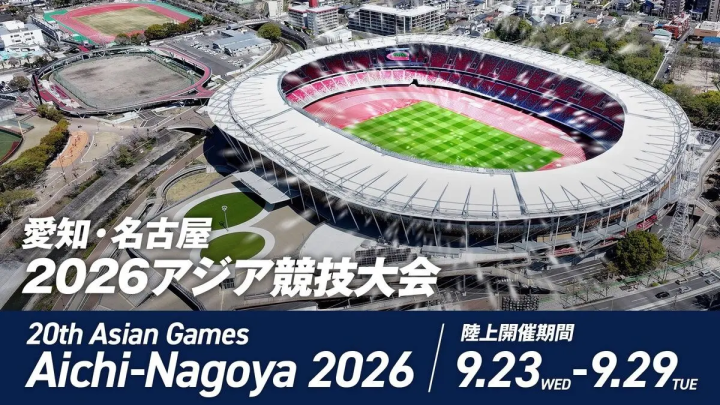
As the global sporting calendar builds toward its next major milestone, the international community turns its attention to Japan. From September 19 to October 4, 2026, the Aichi Prefecture and the city of Nagoya will jointly host the 20th Asian Games (Aichi-Nagoya 2026). This prestigious multi-sport quadrennial event marks a historic homecoming for the continent’s premier athletic competition, returning to Japan for the first time in 32 years since the Hiroshima Games in 1994.
The upcoming Games represent an unprecedented logistical, structural, and cultural undertaking. Spanning 16 days of official competition—with select group-stage matches kicking off as early as September 14—the event will bring together elite delegations from approximately 45 Asian nations and territories. Athletes will contest 469 gold-medal events across 43 diverse sports, utilizing an expansive footprint of 54 specialized competition venues distributed primarily throughout Aichi Prefecture, with supplementary arenas located in regional hubs such as Tokyo, Shizuoka, Osaka, and Gifu.
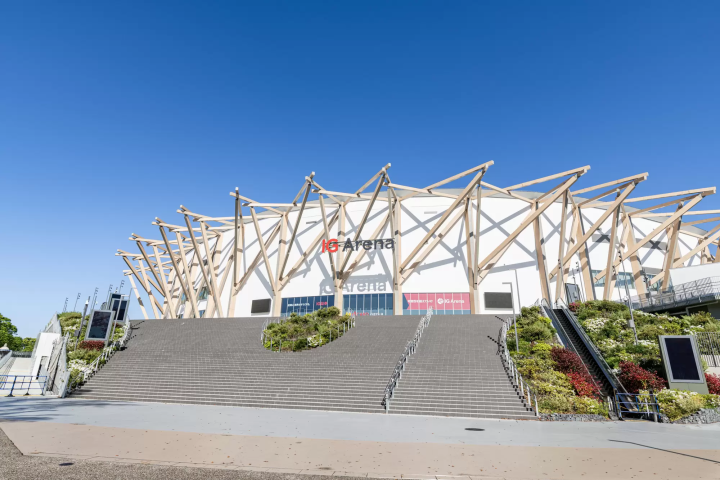
Beyond the sheer athletic spectacle, the Aichi-Nagoya 2026 Games arrive at a critical juncture for international sports administration. Organizers have prioritized a modern framework centered around sustainable venue utilization, cutting-edge digital broadcasting integration, and regional economic revitalization. By leveraging existing infrastructure alongside state-of-the-art developments like the Aichi International Arena (IG Arena), the organizing committee aims to set a benchmark for fiscal and environmental responsibility in mega-event hosting.
Detailed Chronology: Schedule of Events and Key Milestones
The competitive timeline of the Aichi-Nagoya 2026 Asian Games is structured to maximize spectator engagement while accommodating the complex physiological recovery needs of world-class competitors. While the official Opening Ceremony is scheduled for Saturday, September 19, 2026, at the Nagoya Mizuho Park Athletics Stadium, early-stage tournament play begins days prior.
Pre-Ceremony and Opening Phase
September 14, 2026: Women’s soccer group-stage fixtures commence, setting an early tone for the tournament and allowing regional venues to test operational readiness.
September 16, 2026: Men’s soccer group-stage matches begin, featuring high-profile regional clashes including the U-21 Japan national team’s opening fixture against Hong Kong, China, at Toyota Stadium.
September 19, 2026: The official Opening Ceremony takes place at Paloma Mizuho Stadium, marking the formal commencement of the 16-day athletic festival.
Mid-Tournament Highlights (Core Sports Week)
The heart of the Games features simultaneous high-intensity competitions across core Olympic disciplines and regional specialties:
Swimming (September 20–25): Hosted at the world-class Tokyo Aquatics Centre, elite individual medley specialists like Tomoyuki Matsushita will chase podium finishes across the 200m and 400m medley disciplines, culminating in finals sessions broadcast nationwide.
Gymnastics (September 21–25): Staged at the Nagoya Civic General Gymnasium (Rainbow Hall), reigning apparatus masters including Daiki Hashimoto will contest the team, all-around, and individual apparatus finals.
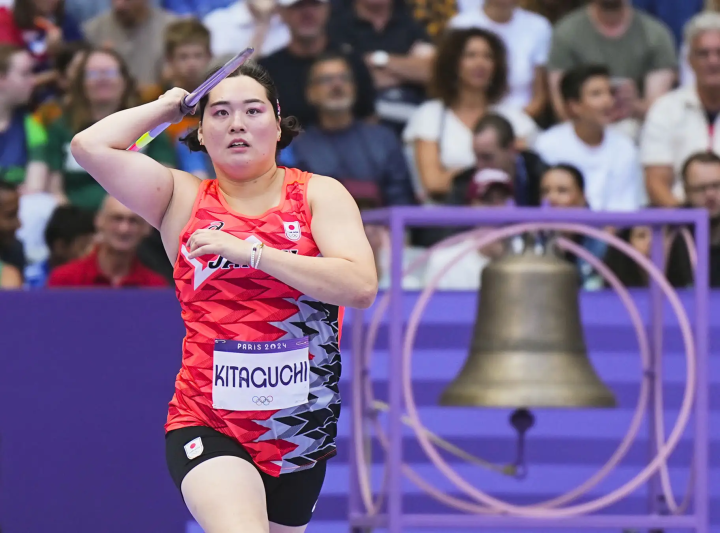
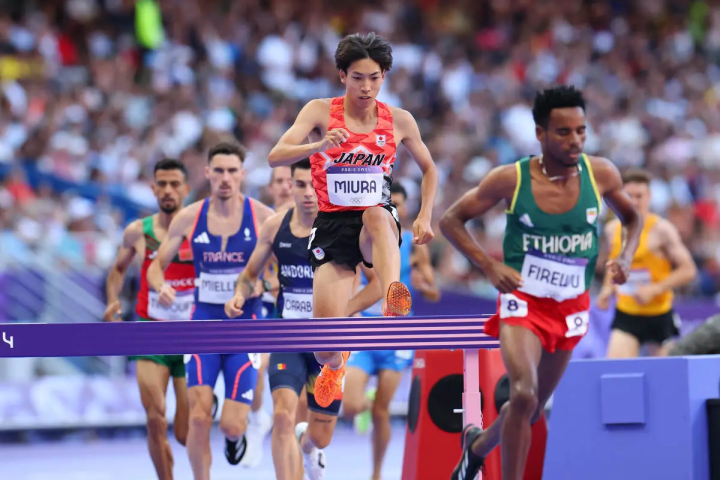
Track and Field / Athletics (September 26–28): Taking center stage at the newly revitalized Nagoya Mizuho Park Athletics Stadium, marquee events will feature global stars such as Haruka Kitaguchi (Women’s Javelin Throw), Rashid Muratake (Men’s 110m Hurdles), and Ryuji Miura (Men’s 3000m Steeplechase).
Closing Phase
September 30, 2026: Technical sports reach their zenith, including the Men’s 10m Platform diving finals featuring Olympic silver medalist Rikuto Tamai at the Tokyo Aquatics Centre.
October 4, 2026: The Closing Ceremony officially concludes the 20th Asian Games, passing the torch to the host city of the next quadrennial installment.
Supporting Context & Metrics: Infrastructure, Economics, and Logistics
The operational architecture of the Aichi-Nagoya 2026 Asian Games relies on a sophisticated matrix of logistical planning, transportation networks, and infrastructural investment.
A total of 54 venues have been designated to host the 43 sports. The distribution is strategically decentralized to minimize congestion within central Nagoya while maximizing the utilization of pre-existing regional assets:
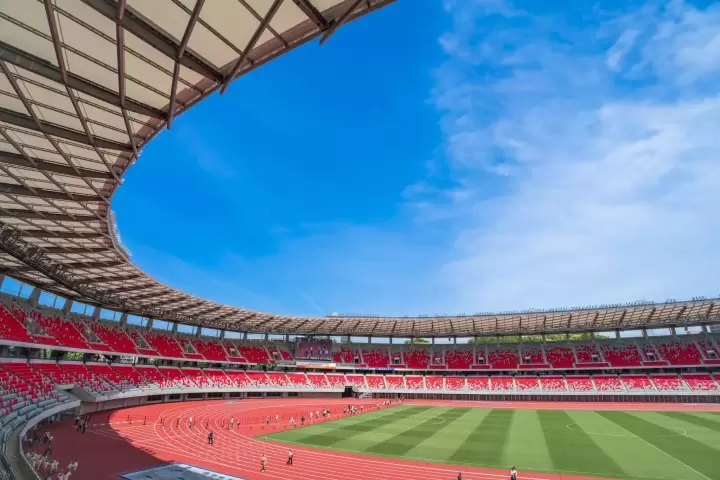
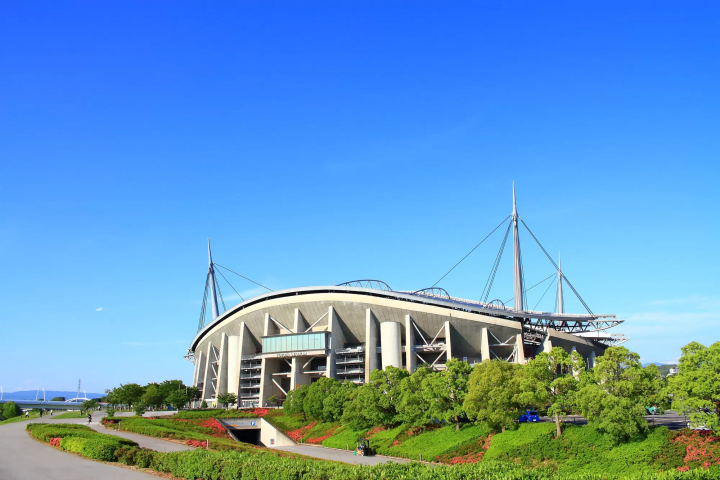
Nagoya Mizuho Park Athletics Stadium (Paloma Mizuho Stadium): Serving as the symbolic heartbeat of the Games, this venue hosts the ceremonies and track-and-field events. Located approximately 30–35 minutes from Nagoya Station via the Sakuradori and Meijo subway lines, it sits comfortably within the urban transit grid.
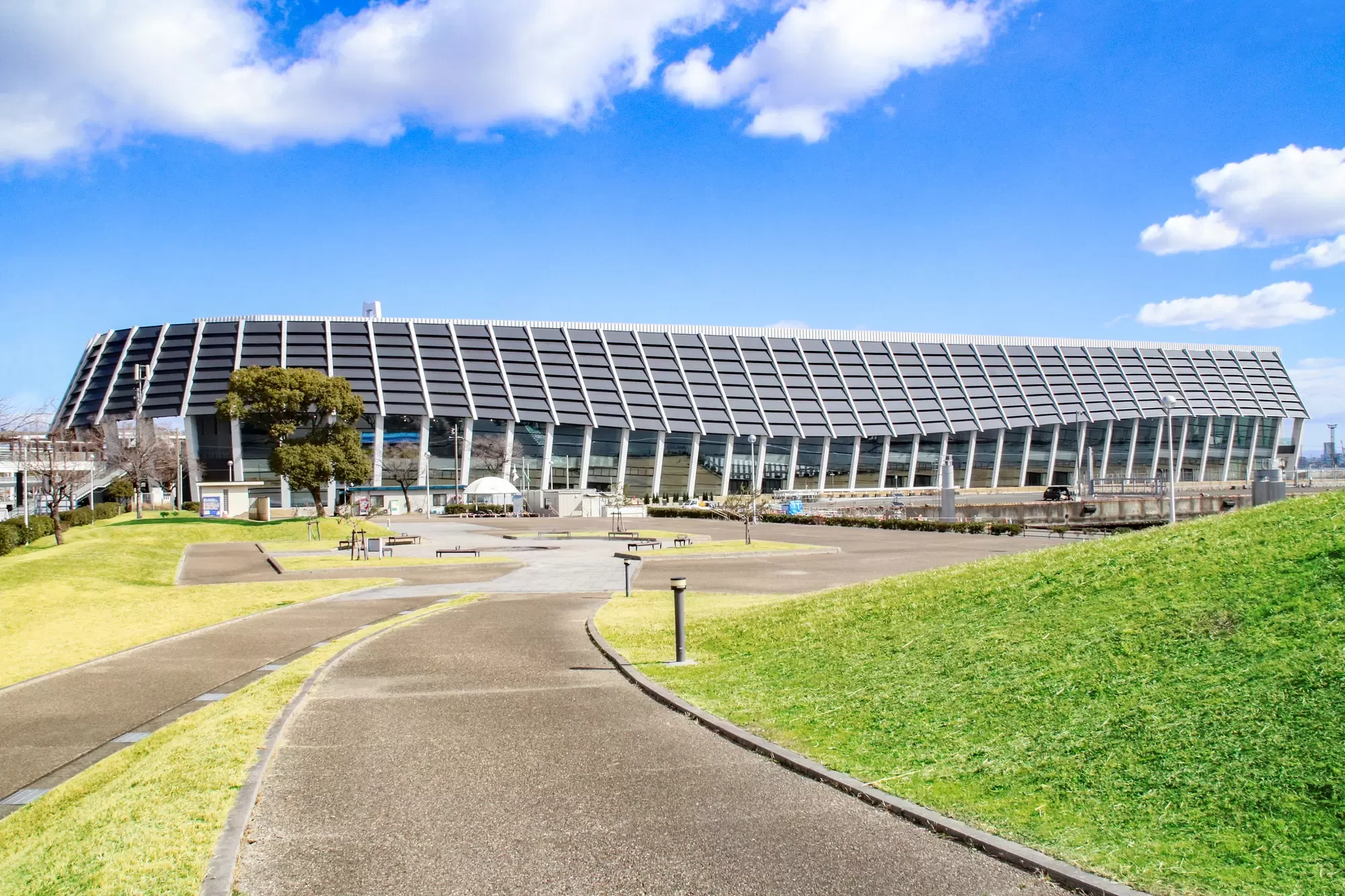
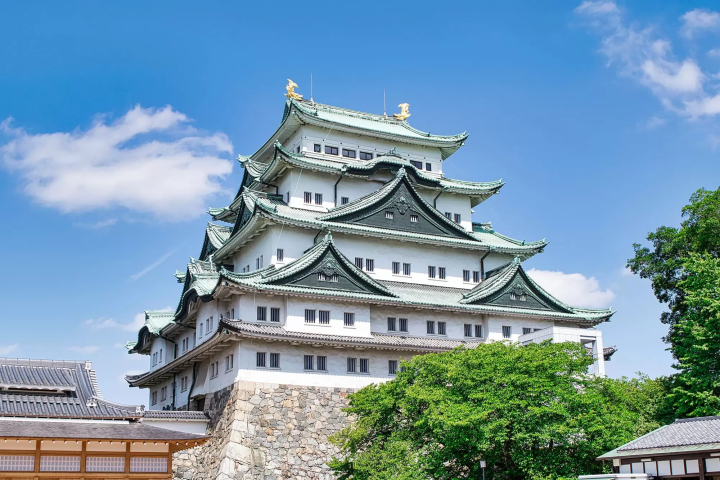
Aichi International Arena (IG Arena): Situated near Nagoya Castle in Meijo Park, this newly constructed architectural marvel hosts high-demand indoor sports like basketball and judo. Its proximity to Sakae makes it a focal point for spectator foot traffic.
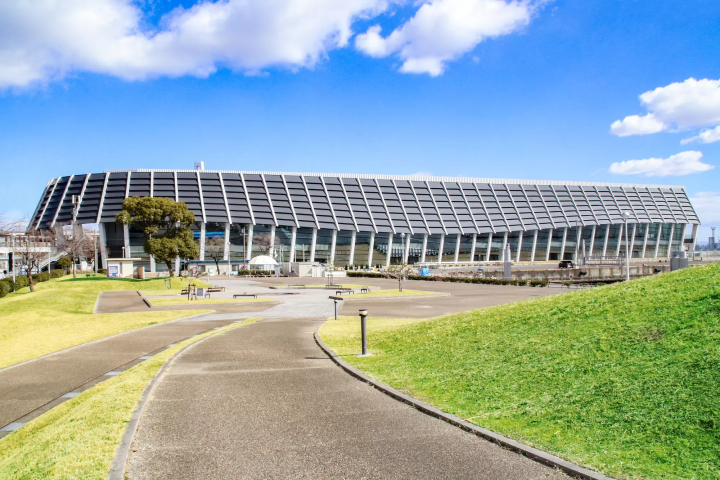
Port Messe Nagoya: Positioned in Minato Ward, this expansive exhibition center transitions into a dedicated sport-climbing and technical event arena, linked directly via the Aonami Line from Nagoya Station in under 30 minutes.
Toyota Stadium: With a seating capacity exceeding 40,000, this premier football cathedral in Toyota City hosts major soccer showdowns, including the men’s tournament final.
Ticket Sales and Access Economics
To manage high anticipated demand, the organizing committee has deployed a multi-tiered ticketing ecosystem. While official digital sales channels remain the primary point of acquisition, physical box offices within Nagoya City will cater to walk-up spectators. Same-day tickets will be issued contingent on venue capacity, though structural sell-outs are projected for high-profile sessions involving Team Japan in soccer, gymnastics, swimming, and athletics.
Official Statements & Stakeholder Perspectives
As preparations enter their final phase, leadership figures from the Olympic Council of Asia (OCA), the Japanese Olympic Committee (JOC), and local government authorities have issued statements emphasizing the transformative potential of the Games.
Hideaki Ohmura, Governor of Aichi Prefecture and head of the organizing committee, underscored the regional vision for the event:
"The Aichi-Nagoya 2026 Asian Games are much more than a fortnight of athletic competition. They represent a generational opportunity to showcase our prefecture’s rich industrial heritage, cultural depth, and modern infrastructure to a global audience. We are committed to delivering an inclusive, environmentally sustainable event that leaves a lasting legacy for the citizens of Aichi and the broader Asian sporting community."
Sports administrators have similarly highlighted the competitive caliber expected on home soil. With Japanese athletes coming off strong performances at recent international world championships and the Paris Olympic cycle, domestic expectations have never been higher. Analysts project that Team Japan will field one of its largest and most competitive delegations in history, leveraging local climate familiarity and fan support to challenge traditional powerhouses like China and South Korea across the medal tables.
Future Outlook: Legacy, Tourism, and Beyond
The true measure of any mega-sporting event is found in its post-games legacy. For Nagoya and the surrounding Chubu region, the 2026 Asian Games serve as a catalyst for urban renewal and international tourism development.
Economic and Tourism Integration
Tourism authorities anticipate an influx of hundreds of thousands of international and domestic visitors. To capture this economic momentum, regional planners have curated integrated tourism pathways connecting athletic venues with world-class cultural landmarks:
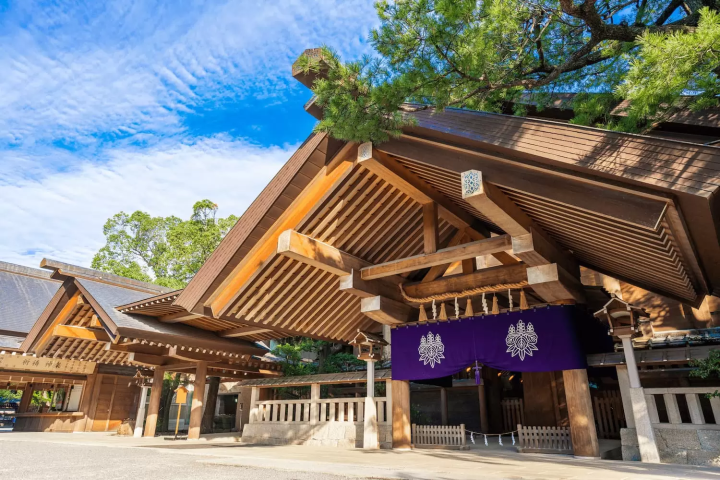
Nagoya Castle & Atsuta Shrine: Historical anchors offering deep insights into Samurai heritage and spiritual traditions.
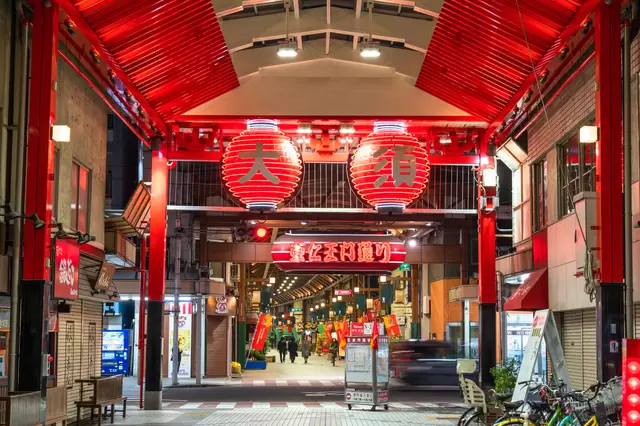
Osu Shopping Street & Sakae: Vibrant commercial zones providing culinary immersion into distinct local specialties (such as miso katsu and hitsumabushi).
Ghibli Park: Located in nearby Nagakute City, this globally renowned attraction dedicated to Studio Ghibli serves as a powerful magnet for pop-culture tourists extending their stay beyond the competition dates.
Broadcasting and Digital Reach
Recognizing shifts in media consumption, the domestic broadcasting partnership with the TBS Network ensures comprehensive, multi-platform coverage. From traditional television linear broadcasts to advanced digital streaming portals, fans worldwide will have uninterrupted access to live feeds, replay analysis, and athlete profiles, cementing the digital footprint of the Aichi-Nagoya Games.
As the countdown to September 19, 2026, continues, all systems are operational. The Aichi-Nagoya Asian Games stand ready to write a brilliant new chapter in the storied history of Asian sport, bridging cultures through athletic excellence and unwavering hospitality.














Belum ada komentar. Jadilah yang pertama berkomentar!