

Executive Overview
Netflix is aggressively continuing its multi-year evolution from a pure-play streaming pioneer into a diversified digital entertainment powerhouse. In its latest strategic maneuver targeting younger demographics, the company has officially released Netflix Playground, a dedicated standalone application for Apple’s iPhone and iPad. Mirroring the user-centric, friction-free ecosystem pioneered by services like Apple Arcade, Netflix Playground offers a curated library of ad-free mini-games completely devoid of microtransactions, in-app purchases, and external data tracking.
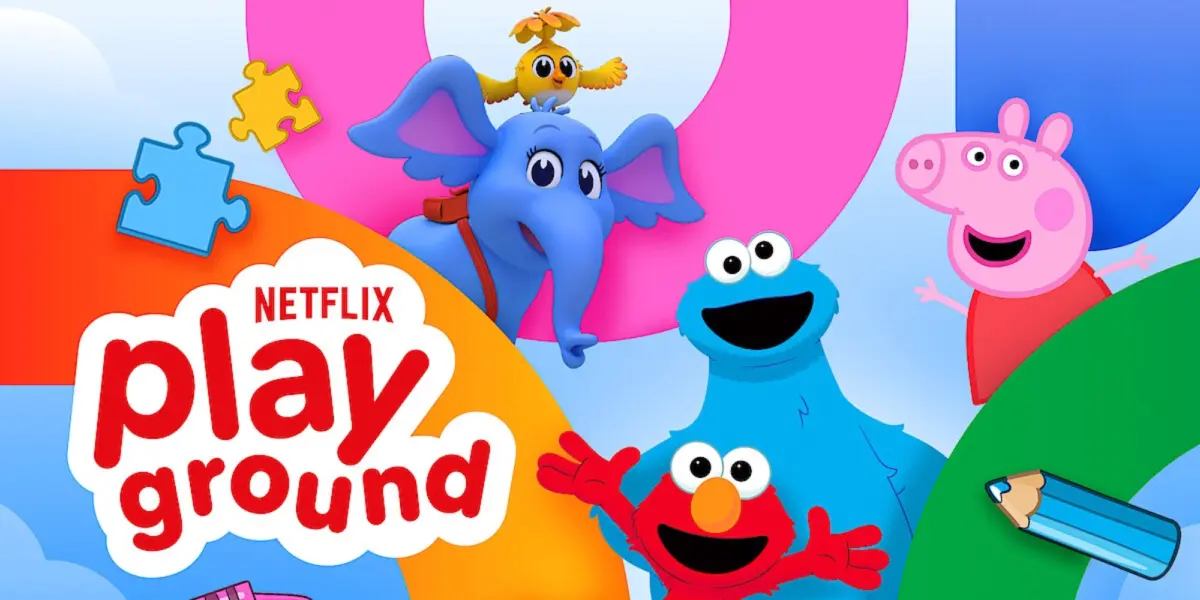
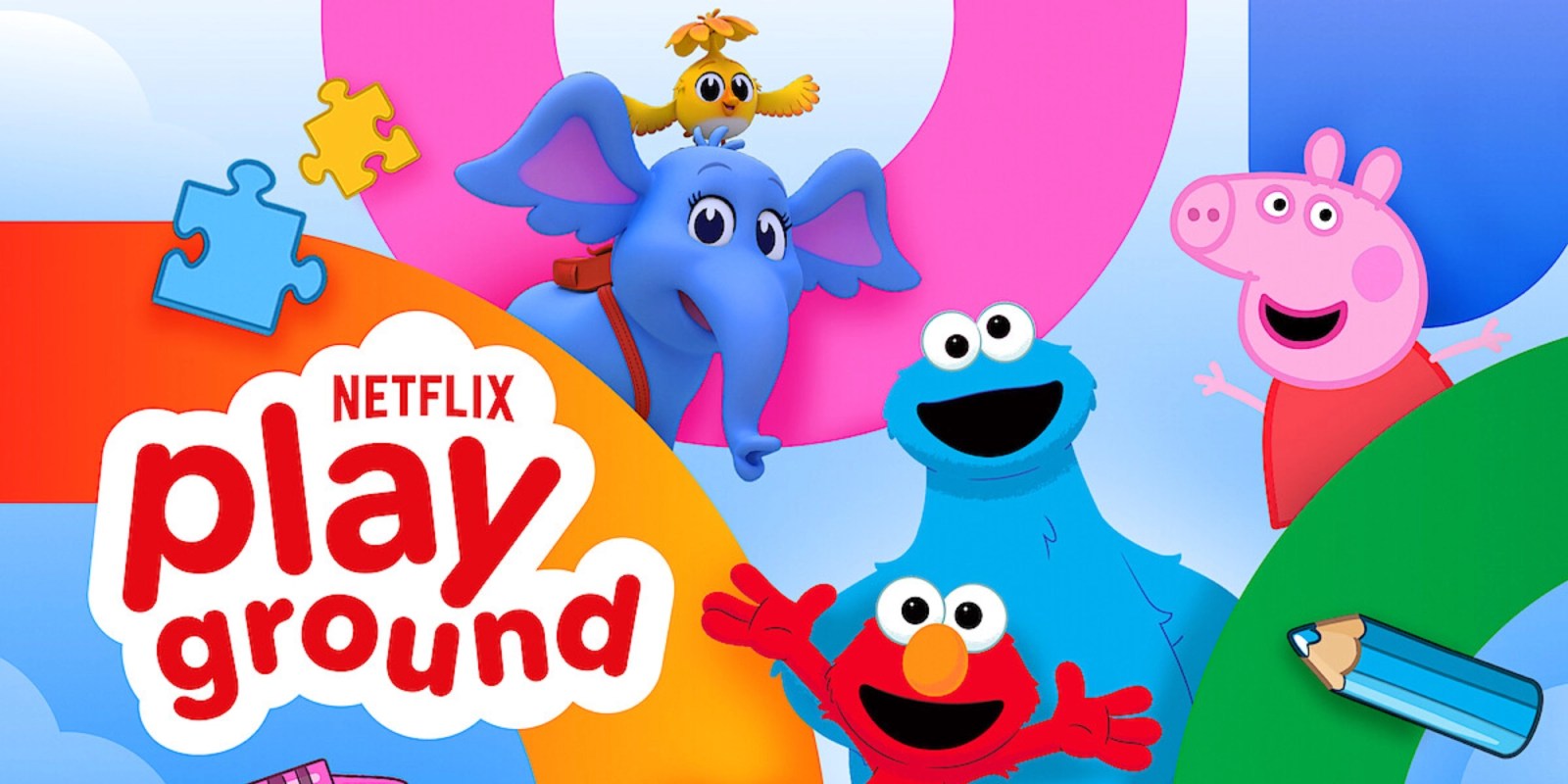
Designed specifically for toddlers and young children, the platform leverages powerhouse children’s media franchises—including Peppa Pig, Sesame Street, and Dr. Seuss—to create a safe, engaging, and walled-garden digital environment. Crucially, Netflix has structured the service to be universally accessible, making access to Netflix Playground standard across all active membership tiers rather than locking it behind premium paywalls. By combining offline playability, recognizable character IP, and a child-safe UX model, Netflix is positioning itself to capture a dominant share of the early-childhood digital entertainment market, presenting a formidable challenge to traditional kids’ gaming platforms and educational app stores alike.
Detailed Chronology: The Evolution of Netflix Gaming
To understand the strategic significance of Netflix Playground, it is necessary to examine how the streaming giant systematically constructed its gaming division, transforming it from a speculative side project into a core pillar of its subscription value proposition.
The Genesis of Netflix Gaming (2021–2022)
Rumors regarding Netflix’s entry into the interactive entertainment space began swirling in earnest in early 2021, spurred by executive hires from the broader video game industry, including former Electronic Arts and Facebook executive Mike Verdu. By November 2021, Netflix officially launched its mobile gaming initiative globally for Android and iOS devices.
Initially, the strategy was modest: subscribers could download mobile games directly through the primary Netflix app, which would then redirect them to respective app stores to download standalone titles. These early games were predominantly tied to Netflix’s original intellectual property, most notably Stranger Things: 1984 and Stranger Things 3: The Game. The core value proposition was clear: games were included at no additional cost with a standard subscription, featured zero advertisements, and contained no in-app purchases—a direct rebuttal to the aggressive monetization strategies dominating the contemporary mobile gaming landscape.
Expanding the Portfolio and Platform Reach (2023–2024)
As consumer adoption slowly gained traction, Netflix realized that relying solely on its native streaming app interface constrained discovery. Throughout 2023 and 2024, the company aggressively expanded its catalog, branching out from casual puzzle titles to critically acclaimed indie hits and narrative-driven experiences, such as Oxenfree II: Lost Signals, TMNT: Shredder’s Revenge, and Grand Theft Auto: The Trilogy – The Definitive Edition.
Simultaneously, Netflix began experimenting with television-based gaming and cloud streaming beta tests, allowing subscribers to use their smartphones as controllers while playing games on smart TVs, streaming sticks, and web browsers. However, internal metrics quickly revealed a distinct user behavior: family-oriented content, particularly interactive experiences for younger demographics, consistently drove high engagement and retention rates. Parents were actively searching for screen time alternatives that did not expose their children to predatory microtransactions or disruptive banner advertisements.
The Birth of the Dedicated Hub Strategy (2025–2026)
Recognizing that the primary Netflix app was cluttered with adult-oriented content, horror films, and mature dramas—making it an imperfect launcher for a six-year-old child—leadership greenlit the development of segmented application hubs.
The culmination of this strategy is Netflix Playground. Released on iOS in April 2026, the app represents a structural shift in how Netflix delivers interactive content. Instead of scattering children’s games across the primary Netflix app or burying them within general search results, Netflix Playground centralizes kid-friendly interactive media into a singular, purpose-built destination. By isolating this content into a dedicated environment, Netflix has optimized the user experience for both children (who benefit from simplified navigation) and parents (who enjoy total peace of mind regarding safety and content appropriateness).
Supporting Context & Metrics: The Mechanics of Netflix Playground
A granular look at the architecture, feature set, and content pipeline of Netflix Playground reveals a product meticulously engineered for usability, parental control, and low-friction adoption.

Launch Lineup and Intellectual Property Powerhouses
At its debut, Netflix Playground launches with a focused selection of seven distinct mini-games. Rather than rolling out generic or unbranded titles, Netflix has secured licensing agreements with some of the most recognizable and trusted preschool entertainment brands in the world. The initial launch roster includes:
- Peppa Pig-themed interactive puzzles and mini-games
- Sesame Street educational and developmental activities
- Dr. Seuss imaginative reading and play experiences
Furthermore, Netflix has published an aggressive roadmap detailing incoming additions scheduled for release throughout the remainder of the year. Confirmed future titles will feature heavyweight children’s properties such as:
- Gabby’s Dollhouse
- KPop Demon Hunters
- PJ Masks
- My Little Pony
- PAW Patrol
Universal Membership Inclusion
In an era where streaming services frequently carve up features into tiered pricing structures—charging extra for ad-free experiences, 4K streaming, or specialized libraries—Netflix has chosen a surprisingly consumer-friendly path for this release. Netflix Playground access is included in every active membership tier. Whether a subscriber utilizes the budget-friendly ad-supported tier or pays for the premium ultra-HD tier, the complete Netflix Playground library is unlocked from day one. This inclusive strategy ensures maximum market penetration and prevents subscriber alienation among families utilizing lower-cost subscription plans.
Offline Capabilities and Storage Management
Recognizing that tablets and smartphones are frequently utilized during travel, road trips, or in environments with unstable Wi-Fi connections, Netflix has engineered the application with robust offline functionality.
Each mini-game within Netflix Playground can be downloaded individually. This modular download system is a critical technical consideration for mobile devices utilized by children, which often have constrained local storage capacities. Instead of forcing parents to download a massive, monolithic application containing every available game, the modular approach allows users to download only the specific characters and games their children are actively playing. Once downloaded locally to an iPhone or iPad, the mini-games operate entirely offline, requiring no active internet connection to function.

Official Statements and Industry Implications
While Netflix has historically maintained a guarded posture regarding its internal gaming analytics, the messaging surrounding the launch of Netflix Playground underscores a deliberate pivot toward family-friendly digital engagement.
In official companion press releases and blog posts published via Netflix Tudum, company representatives emphasized that the primary design philosophy behind Netflix Playground was rooted in trust, safety, and creative enrichment.
"Parents today are exhausted by the constant minefield of modern mobile gaming—unending pop-up ads, accidental in-app purchases running up credit cards, and opaque data collection practices," noted a representative close to Netflix’s product development team. "With Netflix Playground, we wanted to build a sanctuary. It is an environment where kids can dive into worlds inhabited by their absolute favorite characters—from Peppa Pig to PAW Patrol—while parents enjoy absolute confidence that the experience is 100% ad-free, completely secure, and included at no extra cost in their subscription."
Industry analysts have been quick to point out the broader competitive implications of this launch. By entering the dedicated children’s gaming market with an ad-free, zero-transaction model, Netflix is throwing down the gauntlet against traditional app store ecosystems dominated by freemium monetization models. Traditional app publishers rely heavily on psychological manipulation techniques—such as gating progress behind paywalls or using bright, flashing buttons to trick children into making accidental microtransactions. Netflix Playground completely eliminates this economic friction, potentially shifting consumer expectations permanently regarding what family-oriented digital entertainment should look like.
Furthermore, the launch serves as a direct counterweight to Apple Arcade. While Apple Arcade is a standalone subscription service costing $6.99 per month, Netflix Playground leverages an existing entertainment subscription that hundreds of millions of households already pay for monthly. For families already subscribing to Netflix for television and movie streaming, the addition of a high-quality, safe, and branded gaming hub for children represents an undeniable incremental value add that strengthens overall subscriber retention (reducing churn).

Future Outlook: What Lies Ahead for Netflix’s Gaming Ecosystem?
The rollout of Netflix Playground on iOS is widely viewed by tech analysts as a testbed for a broader, multi-platform strategy. As the application stabilizes and user engagement metrics are compiled, several key trajectories are expected to define the future of the platform:
1. Android and Smart TV Expansion
While the initial rollout has targeted Apple’s ecosystem via the App Store for iPhone and iPad, it is an industry certainty that Netflix will port the Playground interface to Android tablets, smartphones, and potentially smart TV operating systems. Extending the modular, kid-friendly hub to Android will instantly multiply the app’s addressable market by a factor of several hundred million devices.
2. Deepening Transmedia Integration
Netflix’s unique superpower lies in its ability to cross-pollinate intellectual property across multiple mediums. As original kids’ series continue to drop on the main streaming platform—such as upcoming seasons of Gabby’s Dollhouse—expect the companion mini-games within Netflix Playground to launch in lockstep synchronization. This transmedia marketing loop creates a powerful feedback mechanism: children watch the show on Netflix, immediately want to interact with the characters via Netflix Playground, and remain securely within the Netflix ecosystem for hours on end.
3. Educational and Developmental Evolution
As the catalog expands beyond purely narrative mini-games, industry insiders speculate that Netflix may incorporate more structured early-childhood educational tools into the Playground ecosystem. By partnering with early-learning developers and educational institutions, Netflix could position Playground not just as a diversionary entertainment app, but as a foundational developmental tool for preschoolers, further cementing its value in family households.
Conclusion
Netflix Playground represents a mature, calculated step in Netflix’s ongoing gaming experiment. By narrowing its focus to a demographic that values safety, familiarity, and uninterrupted play above all else—and backing that vision with powerhouse intellectual property—Netflix has crafted a compelling digital playground that promises to keep both kids and parents happily engaged for the foreseeable future.





Belum ada komentar. Jadilah yang pertama berkomentar!