

Executive Overview
In an era defined by fractured digital ecosystems, managing a modern gaming habit has become an organizational challenge. Whether you own a PlayStation 5, a Nintendo Switch, a high-end gaming PC, or bounce between subscription services like Xbox Game Pass and Apple Arcade, your entertainment is scattered across walled gardens. While platform-specific utilities like Apple’s Game Center or Steam’s built-in library offer localized management, they fail to provide a unified overview for multi-platform enthusiasts.
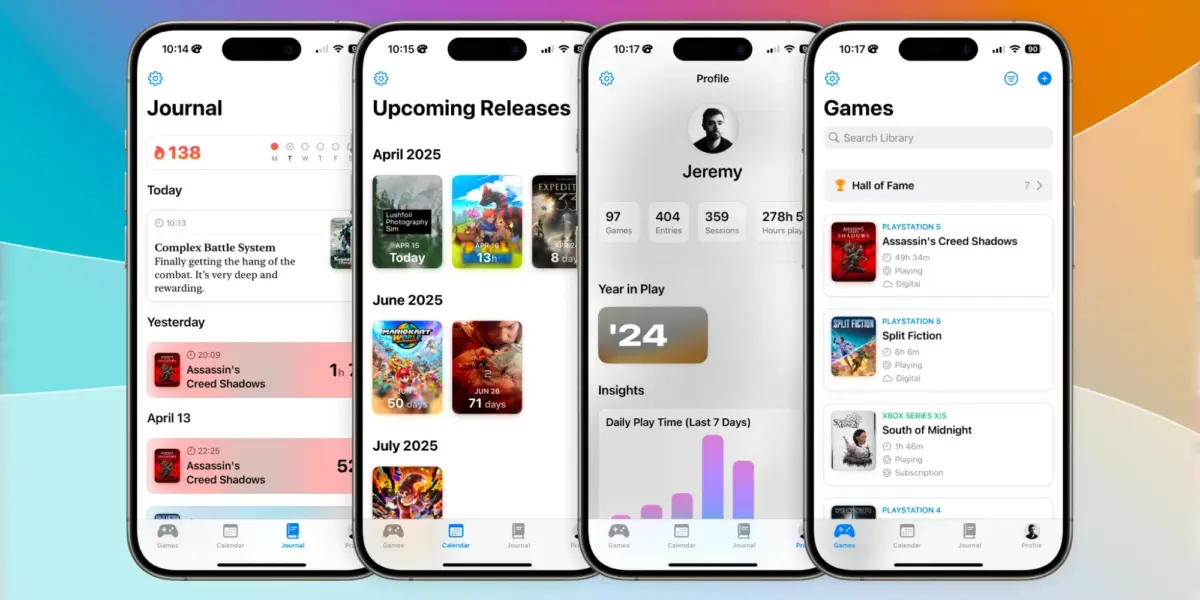
Enter GamePal, a meticulously designed companion application for the iPhone that aims to serve as the single source of truth for your digital and physical entertainment footprint. Developed to bridge the gaps between disparate gaming platforms, GamePal functions as an all-in-one cataloging, tracking, and journaling suite. By leveraging robust third-party databases like IGDB, the app automates the tedious aspects of collection management while offering deep customization, time-tracking metrics, and seamless iCloud integration.
This comprehensive analysis explores GamePal’s architecture, feature set, user experience, and its potential to redefine how gamers curate, monitor, and reflect upon their interactive media libraries.
Detailed Chronology & Feature Breakdown
The Birth of a Unified Ecosystem
The fragmentation of gaming libraries has accelerated over the past decade. With the decline of physical media and the meteoric rise of digital storefronts, cloud gaming, and subscription-based libraries, players rarely keep their entire collections under one roof. Recognizing this friction, independent developers have frequently attempted to build centralized trackers, but many suffer from clunky user interfaces, manual-heavy data entry, or a lack of modern ecosystem integration.
GamePal enters the market with a clear mission: to streamline the chaos. From its initial setup, the application focuses on speed and aesthetic fidelity. Upon launching the app on an iOS device running iOS 17 or later, users are greeted with a clean, minimalist dashboard designed around modern Apple design paradigms.
Effortless Ingestion and Metadata Automation
One of the historical hurdles of cataloging video games has been the sheer labor required to input titles, release dates, box art, and platform specifications manually. GamePal bypasses this friction by integrating directly with IGDB (Internet Game Database).

When a user wishes to add a title to their library, the process is streamlined to a matter of seconds:
- Search: The user types the name of the game into the search bar.
- Metadata Retrieval: GamePal instantly pulls official box art, high-resolution screenshots, developer information, plot synopses, and release dates.
- Classification: The user assigns the specific platform (e.g., PC, PS5, Switch, Xbox Series X, iOS), their current playing status (Backlog, Playing, Completed, Dropped), and their ownership format (Physical, Digital, Subscription).
This categorization engine allows players to instantly filter their libraries based on arbitrary parameters. Want to see every physical Nintendo Switch game you own versus the titles sitting in your digital Steam backlog? GamePal handles these queries effortlessly.
Beyond Curation: Session Logging and Personal Journals
GamePal transcends being a mere digital bookshelf by incorporating active engagement metrics. Recognizing that gaming is a time-investment hobby, the application features a robust session-tracking utility.
Players can log their playtime sessions, creating an accurate historical record of how many hours they invest in specific titles. This feature directly addresses a common modern dilemma: choice paralysis and time management. By providing clear visual data on time spent, GamePal helps players evaluate whether they are actually progressing through their backlogs or endlessly cycling through multiplayer loops.
Furthermore, the app functions as a personal gaming journal. Users can attach custom star ratings, write detailed personal notes, and record their thoughts or milestones for every title they touch. This transforms the app from a cold database into an intimate diary of a gamer’s interactive journey.
Supporting Context & Metrics: The Modern Gamer’s Dilemma
To understand the necessity of an app like GamePal, one must examine the macro-trends of the contemporary video game industry. According to recent market research from entertainment analysts, the average consumer’s gaming library has expanded by over 300% over the last decade, driven largely by:

- Digital Distribution Sales: Frequent deep-discount sales on platforms like Steam, the PlayStation Store, and Nintendo eShop encourage impulse purchasing, leading to massive backlogs of unplayed games—colloquially known as the "Steam Backlog Phenomenon."
- Subscription Fatigue: Services such as Xbox Game Pass, PlayStation Plus Extra, EA Play, and Apple Arcade constantly rotate titles in and out. Keeping track of what is available, what has left the service, and what you actually own independently requires dedicated tracking.
- Cross-Platform Fragmentation: Gamers today rarely stick to a single piece of hardware. A typical enthusiast might play indie titles on a Nintendo Switch during commutes, narrative blockbusters on a PlayStation 5 at home, and strategy games on a custom PC.
Metrics indicate that over 65% of modern gamers experience anxiety or decision paralysis when faced with their collective digital libraries. Tools like GamePal serve a therapeutic role, restoring a sense of agency and organization to what has otherwise become an overwhelming consumer landscape.
Technical Architecture & Ecosystem Integration
While rich feature sets are vital, a companion app lives or dies by its technical reliability. GamePal is built natively for Apple’s hardware ecosystem, taking full advantage of modern iOS capabilities to ensure a frictionless user experience.
iCloud Synchronization and Offline Resilience
Data sovereignty and reliability are paramount for personal archives. GamePal utilizes iCloud sync, ensuring that a user’s library, play logs, and notes are automatically updated across all connected Apple devices—whether that’s an iPhone, an iPad, or future potential form factors.
Crucially, the app features robust offline functionality. If a user is commuting underground, traveling on an airplane, or situated in an area with poor cellular coverage, GamePal remains fully operational. Cached metadata and locally stored library data ensure that users can update their logs, check notes, or browse their backlogs without an active internet connection.
iOS-Native Enhancements
To blend seamlessly into the user’s daily workflow, GamePal incorporates several staple iOS features:
- Widgets: Users can pin their current playing status, backlogs, or quick-launch stats directly to their iPhone Home Screen or Lock Screen.
- Custom App Icons: Acknowledging the enthusiast community’s love for aesthetic customization, the app offers a variety of alternative icons to match different iOS Home Screen themes.
- Interactive Notifications: Timely reminders and updates keep users engaged with their goals without feeling overly intrusive.
Monetization and Availability
GamePal is structured around a freemium monetization model designed to lower the barrier to entry while offering advanced utility for power users.

- Free Tier: Casual players can download the app at no cost from the App Store and manage a standard collection with core organizational tools.
- Platinum Subscription: For hardcore enthusiasts managing extensive, multi-hundred-game libraries who require advanced filtering, expanded tracking metrics, and priority features, GamePal offers a paid "Platinum" subscription tier.
System Requirements: GamePal requires an iPhone running iOS 17 or later, ensuring it can leverage modern system APIs for optimal performance, smooth animations, and battery efficiency.
Future Outlook
As the boundaries between hardware ecosystems continue to blur and cloud streaming gains further traction, the need for independent, platform-agnostic management tools will only intensify. Companies like Sony, Microsoft, and Nintendo have little incentive to build bridges between their respective digital empires; their primary goal is user retention within their own ecosystems.
This leaves a wide-open lane for third-party developers like the creators of GamePal. By positioning itself as a neutral, beautifully designed, and functionally rich aggregator, GamePal is well-positioned to become the definitive digital companion for modern gamers.
Future updates could potentially expand into iPadOS and macOS optimizations, deeper social sharing features for comparing libraries with friends, or expanded API integrations with external gaming profiles (such as Steam or Xbox achievements). Regardless of where the industry heads, one thing is certain: keeping track of your virtual worlds just got a whole lot easier.









Belum ada komentar. Jadilah yang pertama berkomentar!