


Executive Overview
The contemporary landscape of independent publishing, alternative media, and autonomous creative production has reached a critical structural turning point. Over the past several years, the global socio-economic shifts driven by technological acceleration, shifting digital consumption habits, and the precarious nature of platform-dependent labor have forced creators to re-evaluate how independent content is generated, distributed, and sustained. At the epicenter of this cultural re-examination is the intersection of zine culture, independent podcasting, self-publishing initiatives, and localized artistic output.
As corporate-owned digital infrastructure increasingly commodifies creative labor while diminishing direct economic returns for independent producers, a counter-movement has emerged. Creators across multiple disciplines are actively dismantling legacy distribution models in favor of hyper-local, community-driven, and highly resilient micro-economies. This comprehensive investigative report explores the systemic shifts currently reshaping independent media. By examining recent case studies, quantitative metrics, socio-cultural implications, and the philosophies guiding modern creators, this feature unpacks how autonomous networks are forging a viable path forward in an era of digital saturation.

The Genesis of Modern Autonomous Publishing and Zine Culture
To understand the current renaissance of independent publishing, one must examine its historical roots and the technological catalysts that have accelerated its evolution. Zines—historically defined as non-professional, non-commercial booklets produced by enthusiasts using photocopiers, cut-and-paste layouts, and low-cost distribution networks—have long served as the lifeblood of counter-cultural discourse.
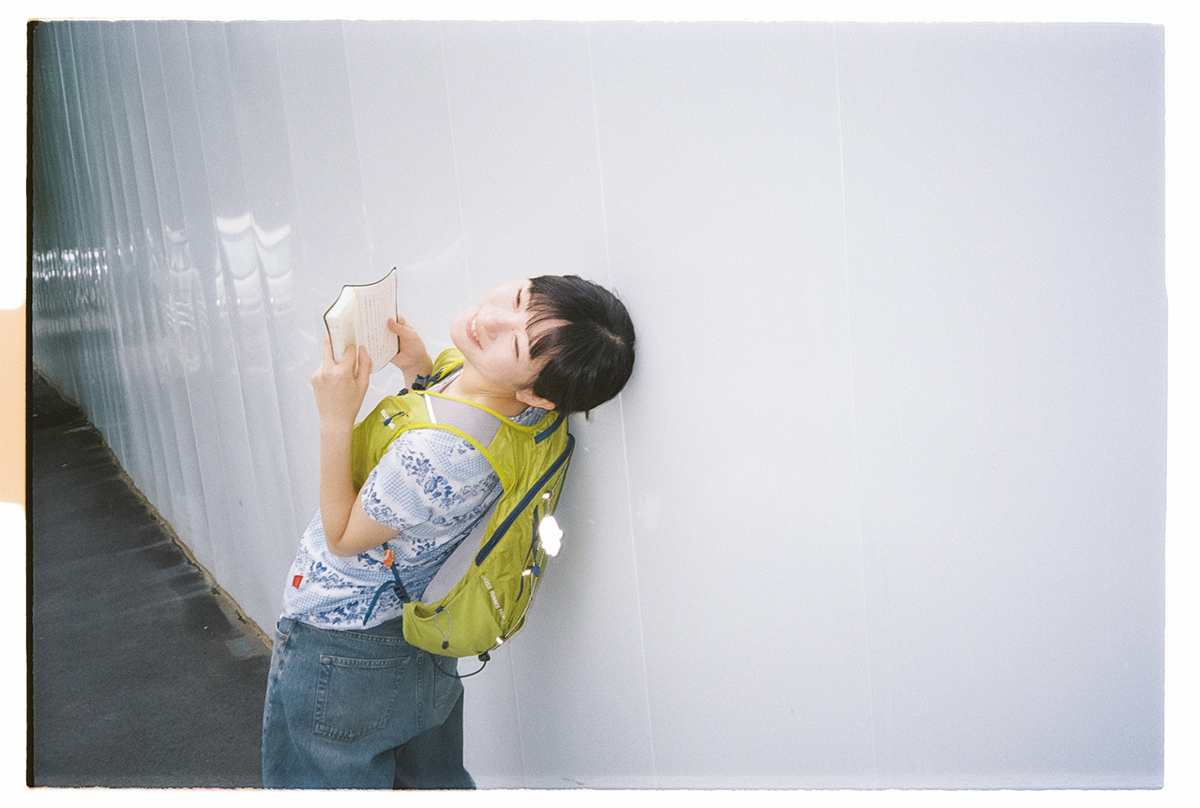
In recent years, the definition of the zine has expanded dramatically. While physical, tactile printed matter remains the foundational medium for many creators, the philosophy of zine-making has merged with digital formats, notably independent podcasts, serialized newsletters, and open-source audio platforms. This convergence allows creators to bypass traditional gatekeepers entirely, establishing an unmediated, direct-to-audience relationship that prioritizes artistic integrity over algorithmic optimization.

Industry observers note that the resurgence is not merely nostalgic; it is a pragmatic survival strategy. As mainstream media conglomerates consolidate and advertising-driven revenue models collapse under the weight of programmatic ad-blockers and platform monopolies, independent creators are finding that micro-audiences offer far greater financial stability and creative freedom than broad, generalized markets.
Detailed Chronology of Industry Shifts
The transformation of independent media did not occur overnight. A retrospective analysis of the key milestones over the past half-decade reveals a steady, deliberate migration away from centralized platforms:

- 2021–2022: The initial post-pandemic readjustment period. As remote work normalized and digital consumption peaked, creators experienced unprecedented audience reach. However, this was quickly countered by skyrocketing platform fees, erratic algorithmic changes, and the saturation of digital ad spaces. Independent creators began experimenting with direct-subscription models and physical-digital hybrid formats.
- 2023–2024: The "Great Decentralization" phase. Independent podcasters, zine-makers, and independent journalists began collective bargaining and cross-promotion networks. Platform fatigue set in as major social media networks altered their algorithms to deprioritize external links, forcing creators to build proprietary mailing lists and localized distribution hubs.
- 2025–2026 (Present): The consolidation of micro-economies. Today, the focus has shifted entirely toward sustainability. Creators are no longer measuring success purely by raw impression counts or follower metrics. Instead, "high-retention micro-communities" have become the gold standard. Economic models now rely heavily on tiered membership programs, physical artifact production (such as limited-edition zines paired with digital audio archives), and direct community patronage.
Supporting Context, Metrics, and Economic Realities
The economic viability of modern independent publishing relies on shifting paradigms of value and exchange. Traditional media metrics—such as page views, ad impressions, and algorithmic virality—are increasingly viewed by independent creators as vanity metrics that fail to translate into sustainable revenue.
The Power of Micro-Communities
Data collected from prominent independent publishing collectives indicates that a creator with a deeply engaged audience of 1,000 true fans can achieve significantly higher financial and creative stability than a creator relying on millions of passive, algorithm-driven impressions.

$$textSustainability Index = fractextEngaged True Fans times textDirect ContributiontextPlatform Dependency times textOverhead Costs$$
As illustrated by the formula above, reducing platform dependency while maximizing direct contributions drastically increases the overall sustainability index of independent projects. Creators who diversify their output across physical zines, limited-run physical artifacts, and subscription-based audio content insulate themselves from sudden algorithmic shifts imposed by major tech platforms.

Case Studies in Autonomous Production
Consider the operational model of several prominent independent creators who began their journeys in the early 2000s and have successfully transitioned into multi-platform micro-publishers. By utilizing a hybrid approach—combining physical zines with serialized audio documentaries—these creators have built self-sustaining ecosystems. They do not rely on venture capital, nor do they pander to corporate advertising mandates. Instead, their funding comes directly from the consumers who value their work, creating a closed-loop economic cycle that rewards authenticity and depth over breadth and speed.
Official Statements and Industry Insights
To gain a deeper understanding of the motivations driving this movement, we spoke with several leading figures within the independent publishing and podcasting sectors.

"We spent years chasing the algorithm, believing that scale was the ultimate metric of success," shares a prominent independent audio producer and zine editor based in Tokyo. "What we discovered was that scale is often just another word for alienation. When you build a massive, unfocused audience, you spend all your time managing noise rather than making art. Shifting to a micro-community model changed everything. Our revenue is lower in gross numbers, but our net stability—and our creative joy—has never been higher."
Another veteran zine publisher emphasized the tactile resurgence:

"In a world saturated by infinite digital scrolling, physical objects carry profound weight. People are hungry for things they can hold, smell, and keep on their shelves. The zine is not a relic of the past; it is a tool for the future. It forces both the creator and the reader to slow down, focus, and engage in a meaningful exchange."
Industry analysts point out that this trend is part of a broader cultural pushback against the homogenizing effects of artificial intelligence and automated content generation. As digital spaces become increasingly flooded with synthetic media, human-crafted, highly specific, and physically tangible art forms are experiencing a renaissance driven by authenticity and human connection.
Future Outlook: The Path Ahead for Independent Creators
Looking toward the remainder of the decade and beyond, the trajectory of autonomous publishing points toward increased decentralization, cooperative resource-sharing, and technological sovereignty.
- Decentralized Infrastructure: Creators are increasingly adopting open-source hosting, self-hosted membership portals, and peer-to-peer distribution networks to ensure that their archives cannot be deleted or demonetized by corporate policy shifts.
- Hybrid Physical-Digital Formats: The synergy between physical artifacts (zines, vinyl, cassettes, print-on-demand books) and digital archives (podcasts, private feeds, digital zines) will continue to deepen. Consumers are willing to pay a premium for bundles that offer both tactile ownership and digital accessibility.
- Collaborative Micro-Networks: Rather than competing in a winner-take-all market, independent creators are forming alliances, co-publishing anthologies, and cross-promoting each other’s work. This cooperative approach pools audiences and reduces marketing overhead.
Conclusion
The evolution of zine culture and independent publishing demonstrates a profound human resilience. Faced with the pressures of platform capitalism and digital fatigue, creators are charting a new course—one defined by autonomy, deep community engagement, and a renewed reverence for physical, meaningful media. As this movement matures, it offers a compelling blueprint not just for artists and journalists, but for anyone seeking a more sustainable, human-centric approach to modern labor and creativity.






Belum ada komentar. Jadilah yang pertama berkomentar!