TOKYO — For generations of television viewers across Japan, the chime of a gentle opening theme song—featuring a cherubic child riding atop a cheerful dragon—was the universal signal to gather around the family hearth. That iconic television milestone, Manga Nihon Mukashi Banashi (Animated Japanese Old Tales), has officially reached its monumental 50th-anniversary milestone.
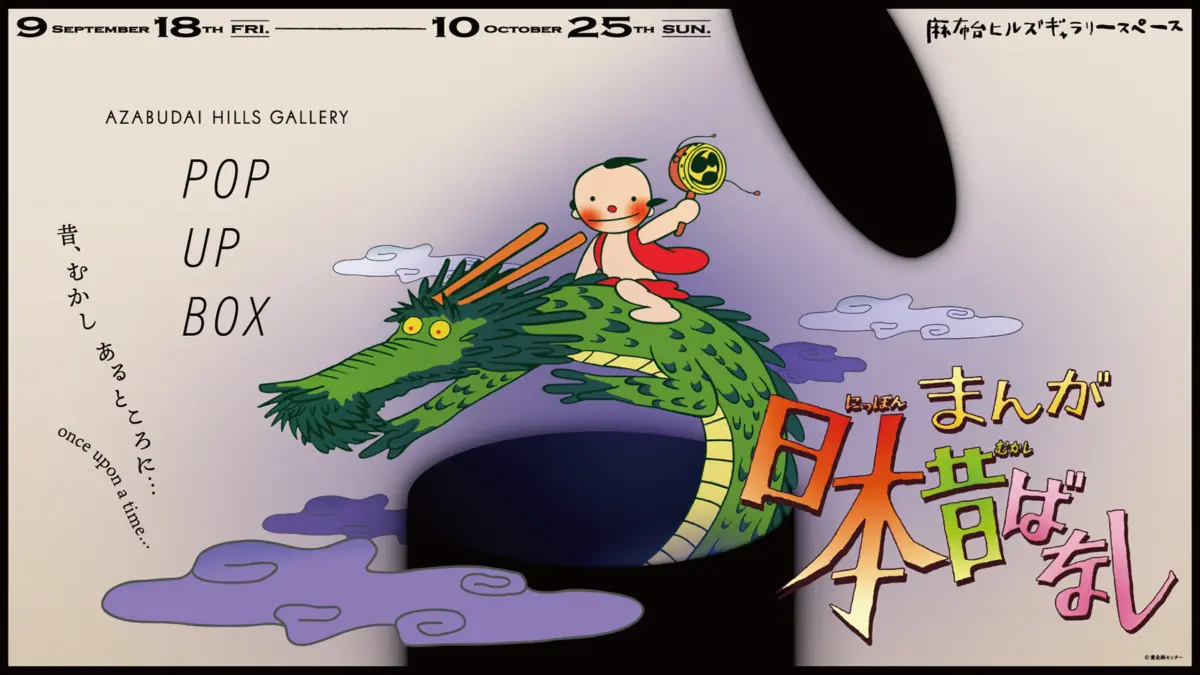
To commemorate half a century of cultural preservation, artistic storytelling, and national nostalgia, a major retrospective exhibition has opened its doors. Running from September 18 at the prestigious Azabudai Hills Gallery POP UP BOX, the immersive event titled 「まんが日本昔ばなし展」麻布台ヒルズで開催。「龍と子」「にんげんっていいな」のフォトスポット登場 invites both longtime fans and a new generation of visitors to step directly into the painted world of Japanese folklore.
Featuring an astonishing array of original production materials, meticulously curated interactive zones, and lovingly recreated photo installations, this exhibition stands as a definitive tribute to one of the most enduring television programs in broadcast history.
Executive Overview: A Half-Century Cultural Cornerstone
First broadcast in 1975, Manga Nihon Mukashi Banashi transcended the medium of children’s television to become a pillar of Japanese cultural identity. Across its historic run, the series produced an awe-inspiring total of 1,470 distinct episodes. By bringing regional folk tales, moral fables, and supernatural legends from across Japan’s 47 prefectures into living rooms nationwide, the series fulfilled a vital archival mission.
As the property celebrates its 50th anniversary, the current retrospective at Azabudai Hills captures the collective memory of a nation. The exhibition design treats the anime not merely as a nostalgic Saturday morning cartoon, but as a sophisticated artistic achievement. Rare production cells, storyboards, and director’s notes are placed on public display, offering unprecedented transparency into the craftsmanship that defined an era of hand-drawn animation.
The exhibition is structured to appeal to a broad demographic. Adults who grew up watching the series find themselves immediately transported to their childhoods, while younger visitors—many of whom may only know the property through pop-culture osmosis or modern streaming revivals—are introduced to the foundational storytelling templates of Japanese folklore.
The journey through the Azabudai Hills POP UP BOX is designed as an experiential timeline, guiding visitors through the developmental history, production artistry, and cultural impact of the series.
Stepping Into the Animation: Iconic Photo Spots
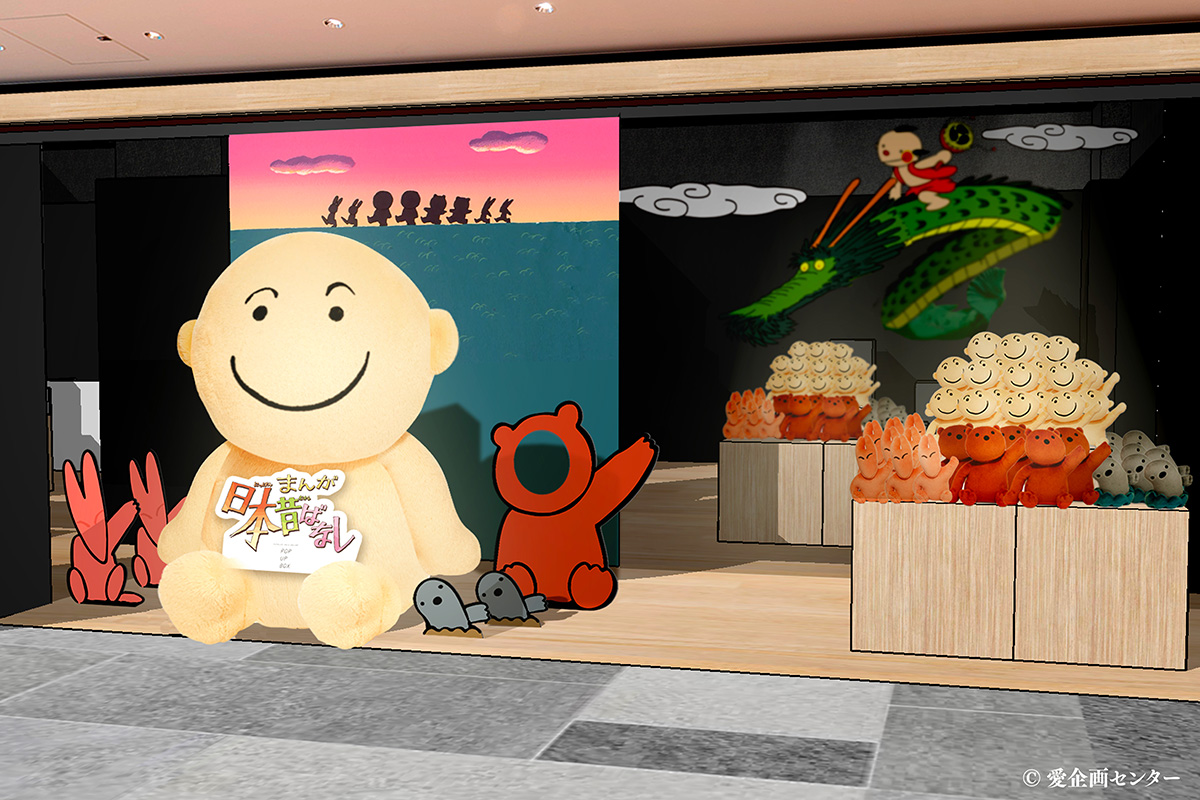
One of the most anticipated features of the exhibition is the inclusion of large-scale, immersive photo installations that bring beloved visual motifs into the physical world.
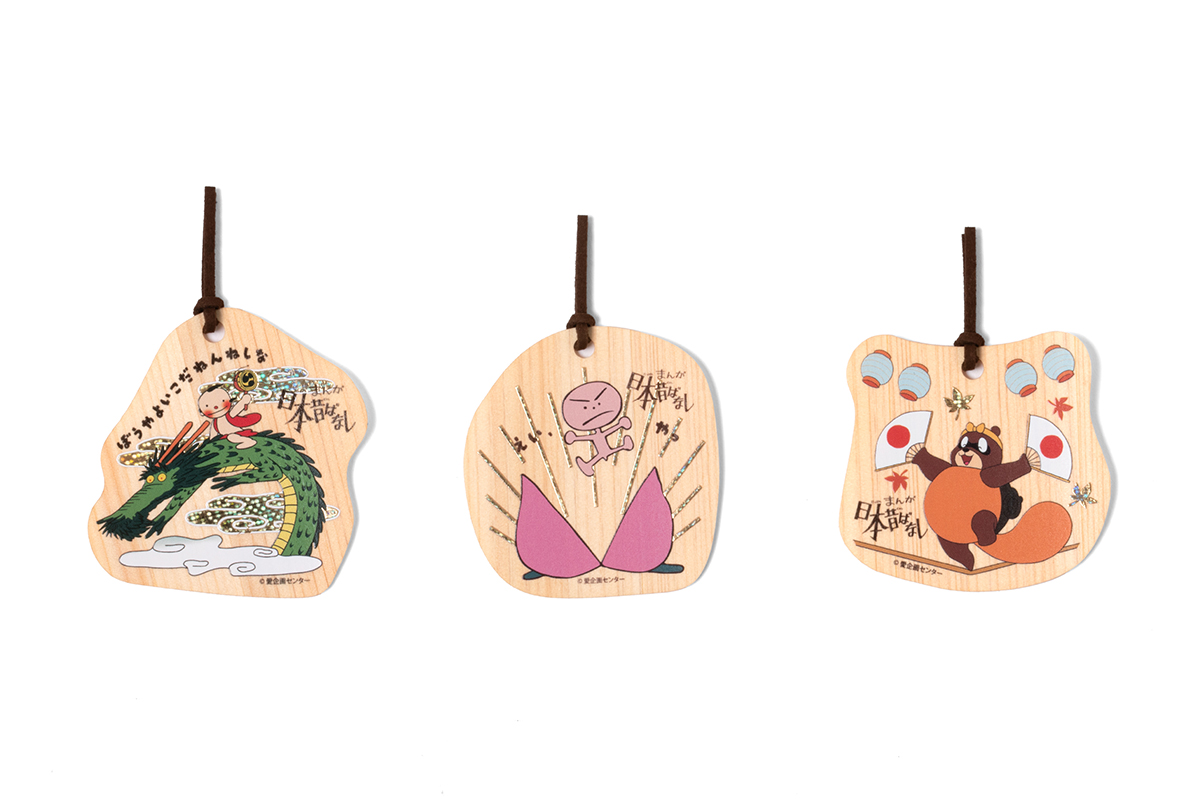
The Dragon and Child (龍と子): Visitors are greeted by a breathtaking recreation of the series’ iconic opening imagery, allowing them to pose alongside the mythical dragon and the child rider who famously flew across television screens every week.
"Ningen tte Ii na" (にんげんっていいな): Paying homage to one of the most beloved ending themes in anime history, this dedicated zone recreates the cozy, heartwarming aesthetic of the woodland creatures singing about the joys of human life, providing an irresistible backdrop for families and photography enthusiasts.
Behind the Cel: Production Archives on Display
Moving beyond the interactive installations, the core of the exhibition is dedicated to the physical artifacts of animation production. For decades, the inner workings of traditional cel animation have remained largely behind the scenes. This exhibition breaks new ground by curating an extensive collection of primary source materials:
Original Storyboards and Layouts: Visitors can inspect the raw architectural blueprints of individual episodes, observing how directors translated complex regional oral histories into tight, emotionally resonant narrative structures.
Production Cels and Background Art: The exhibition showcases over 1,800 authenticated production cels and hand-painted watercolor backgrounds. These pieces highlight the distinct painterly style of the series—a deliberate choice that distanced Manga Nihon Mukashi Banashi from standard commercial anime, opting instead for a warm, storybook-like visual texture.
Script Archives: Complete bound collections of broadcast scripts spanning the show’s multidecade run are displayed in glass vitrines, annotated with producer notes, voice-acting cues, and editorial adjustments.
Supporting Context & Metrics: The Scale of a Legend
To understand the weight of the Azabudai Hills exhibition, one must comprehend the monumental scale of the television series it honors. Manga Nihon Mukashi Banashi was never just a weekly broadcast; it was a nationwide cultural institution.
Metric / Feature
Detail
Broadcast Debut
1975
Total Episode Count
1,470 episodes
Geographic Scope
Folklore gathered from all 47 prefectures of Japan
Archival Artifacts on Display
Over 1,800 original production cels, storyboards, and background paintings
Featured Interactive Zones
Multiple photo spots, including "Dragon and Child" and "Ningen tte Ii na" installations
Venue
Azabudai Hills Gallery POP UP BOX
The series was unique in its production philosophy. Rather than relying on a revolving door of commercial animators, the core creative team—spearheaded by key directors and producers who dedicated decades to the project—maintained an uncompromising standard of quality. The storytelling framework deliberately avoided heavy-handed moralizing, instead presenting human nature, human folly, and supernatural retribution with a gentle, often bittersweet realism that resonated deeply with audiences of all ages.
Official Statements and Curatorial Vision
The curation of the Azabudai Hills exhibition required a delicate balance between archival preservation and public accessibility. Speaking at the opening preview, the curatorial team emphasized the urgency of preserving these physical artifacts for future generations.
"Animation in the pre-digital era was a tactile, labor-intensive art form. Every cel on display represents countless hours of human dedication—brushstrokes applied by artists who understood that they were not merely making a cartoon, but passing down the oral heritage of Japan," noted a representative from the exhibition committee.
"As digital media increasingly dominates our daily lives, bringing people back into a physical space to experience the warmth of hand-painted folklore feels more vital than ever. This exhibition is a love letter to the storytellers, the animators, and the millions of viewers who kept the hearth fire burning for fifty years."
Industry analysts have also praised the timing of the exhibition. In an era where classic intellectual properties are frequently rebooted with high-gloss CGI or modern aesthetic overhauls, the Manga Nihon Mukashi Banashi exhibition chooses a different path: honoring the unvarnished, artisanal integrity of the original Shōwa-era broadcasts.
Future Outlook: Preserving Folklore for the Next Generation
As the doors of the Azabudai Hills POP UP BOX remain open through September 18, industry watchers are observing the public reception closely. The massive turnout during the opening days underscores a powerful sociological truth: despite rapid technological advancements in entertainment, the fundamental human desire for shared, communal storytelling remains unchanged.
Plans are currently underway to evaluate whether select portions of the exhibition archive can travel to other regional cultural centers across Japan following the conclusion of the Tokyo engagement. Furthermore, academic institutions have expressed renewed interest in partnering with the production archives to digitize and catalog the thousands of regional folktales featured in the series, ensuring that the oral histories collected by the creators half a century ago will be preserved in perpetuity.
For those in Tokyo, a visit to Azabudai Hills offers more than just a trip down memory lane—it provides a rare, tangible encounter with the artistic soul of Japanese animation history. As the dragon from the opening theme continues to look down from the gallery walls, it serves as a silent reminder that some stories are simply too profound to ever fade away.











Belum ada komentar. Jadilah yang pertama berkomentar!