

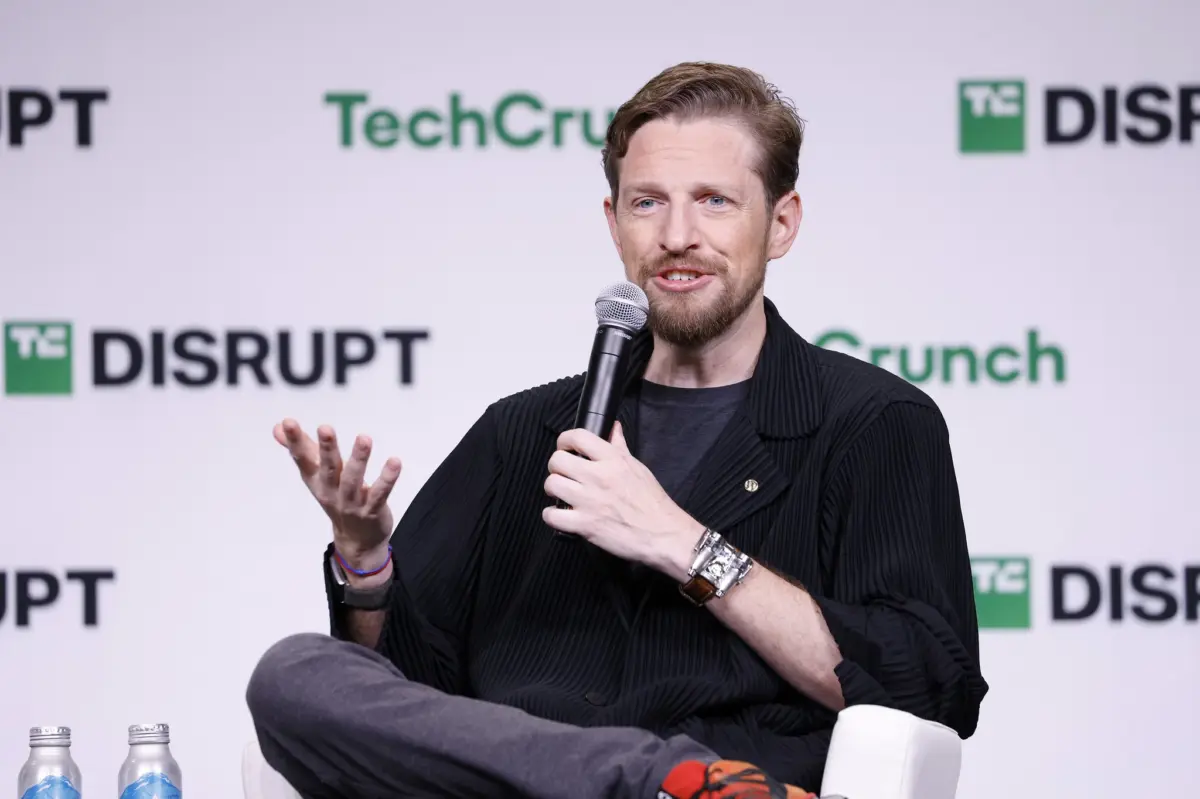
In a dramatic boardroom coup that has sent shockwaves through the tech and open-source communities, Matt Mullenweg—the visionary co-creator of WordPress and the long-serving CEO of Automattic—has been placed on an involuntary paid leave of absence by his own board of directors. The stunning development was first revealed to employees via an internal Slack message sent by Mullenweg himself, abruptly removing the central figure who has steered the commercial parent company of WordPress.com, WooCommerce, Tumblr, and Pocket Casts since its inception in 2003.
According to internal communications reviewed by tech publication TechCrunch and corroborated by independent sources, Chief Financial Officer Mark Davies has been appointed interim CEO. While Davies and the board have moved quickly to reassure stakeholders, the sudden ouster marks a watershed moment for Automattic. For over two decades, Mullenweg’s personal brand and executive direction have been inextricably linked to the company’s identity and its stewardship of the broader WordPress ecosystem.
The boardroom maneuver comes at a precarious time for Automattic, which has spent the past several years mired in high-stakes litigation, internal rebellions, workforce reductions, and escalating controversies over open-source governance. Although representatives for the non-profit WordPress.org project have insisted that day-to-day operations for the open-source software remain insulated from the corporate drama, the commercial fallout within Automattic is already proving profound. Reactions among current and former employees range from cautious optimism and relief to deep anxiety over the future stability of the multi-brand tech giant.
Detailed Chronology: How the Boardroom Coup Unfolded
The sequence of events leading to Mullenweg’s suspension unfolded with breakneck speed, leaving the executive little time to mount a defense or rally internal support.
The Wednesday Slack Revelation
On a Wednesday morning, employees across Automattic opened their Slack workspace to find a bombshell message posted by Mullenweg in an all-company channel. In the post, Mullenweg informed his staff that he would be absent from a scheduled corporate meeting the following day. More critically, he disclosed that CFO Mark Davies had orchestrated a behind-the-scenes maneuver alongside board members Ann Dunwoody, Toni Schneider, and Sue Decker to vote him out of power.
"And the biggest news: I won’t be able to make the [meeting] tomorrow," Mullenweg wrote. "[Mark Davies] has conspired with Ann Dunwoody, Toni, and Sue Decker behind my back and they voted to put me on a paid leave of absence. I voted against that. Wishing Mark and all of you the very best."
Mullenweg further clarified that Davies had been voted in as interim CEO by the rest of the board. Highlighting the speed and secretive nature of the vote, Mullenweg noted that he received the formal resolution a mere 50 minutes before the meeting commenced. His repeated requests for even a few hours to have the document reviewed by independent legal counsel were flatly denied by the board.
Confirmation from the Board and Executives
Following Mullenweg’s public disclosure, former Automattic CEO (who served from 2006 to 2014) and current board member Toni Schneider confirmed to investigative outlet 404 Media that the disciplinary action was indeed initiated directly by the board. Meanwhile, Davies stepped into the communication channels to reassure employees, confirming that despite being stripped of executive operational duties, Mullenweg technically retains his seat on Automattic’s board of directors.
Automattic subsequently formalized the leadership change in an official statement emailed to media outlets:
"Matt Mullenweg is currently on leave from Automattic. Mark Davies, Automattic’s CFO, will lead the company as interim CEO. The Board has full confidence in Mark’s leadership and in the team’s ability to execute against the company’s priorities."
Parallel assurances were issued to the open-source community. Mary Hubbard, Executive Director of the WordPress.org project, posted a message clarifying the operational firewall between the commercial entity and the non-profit project. "Matt remains the leader of the WordPress project and I remain Executive Director of WordPress. Our teams, priorities, and work continue as planned," Hubbard wrote, attempting to calm anxieties among developers and contributors who rely on the software.
Supporting Context & Metrics: Years of Tumult, Lawsuits, and Internal Strife
To understand why Automattic’s board finally elected to bench its charismatic and historically untouchable founder, one must examine the cascading crises that have plagued the company over recent years. Mullenweg’s tenure, once defined by exponential growth and community goodwill, had increasingly become characterized by scorched-earth legal battles and internal friction.
The WP Engine Feud and Escalating Litigation
At the heart of Automattic’s recent turmoil is its bitter, multi-front war with WP Engine, a major WordPress web hosting competitor. The dispute erupted publicly when Mullenweg publicly accused WP Engine of profiting immensely from the open-source WordPress project without contributing adequate resources or labor back to the community. Mullenweg demanded that WP Engine pay a punitive royalty fee equivalent to 8% of its monthly gross revenue simply for utilizing the WordPress brand name.
When negotiations broke down, the conflict spilled over into the courts. WP Engine filed a sweeping lawsuit against Automattic and Mullenweg in October 2024, alleging severe defamation, extortion, and an abuse of corporate power. Automattic fired back with robust counterclaims later that year, accusing WP Engine of extensive trademark misuse and bad-faith commercial practices.
The legal entanglement only deepened in February when new court filings revealed that Automattic had allegedly drawn up plans to target as many as 10 additional hosting and technology competitors with similar royalty demands. The expansive legal exposure has dragged Automattic’s reputation into unchartered waters, causing profound unease among corporate partners and enterprise clients.
Employee Rebellions and the "Quit with Severance" Ultimatum
The strain of Mullenweg’s leadership style and public crusades eventually turned inward, creating deep fractures within Automattic’s workforce. As the battle with WP Engine escalated in late 2024, tensions reached a boiling point during an all-hands meeting. In an extraordinary move, Mullenweg invited any employees who disagreed with his strategic direction or management ethos to resign immediately, offering a generous severance package to incentivize their departure.
The gamble backfired in terms of retention: 159 employees took Mullenweg up on his offer and walked away from the company en masse, citing irreconcilable differences with executive leadership and a toxic corporate culture.
Open-Source Community Backlash and Threats
Mullenweg’s combative approach was not confined to corporate competitors; it also targeted the grassroots volunteers who form the bedrock of the WordPress ecosystem. Last year, Mullenweg threatened to forcibly deactivate the accounts of several prominent members of the open-source WordPress.org community. The threat came after those members publicly announced plans to spearhead a new, forked version of the open-source software—a traditional and permitted right within the open-source software ethos. The move alienated core developers and drew sharp condemnation from open-source advocates worldwide.
Workforce Reductions and Financial Restructuring
Compounding the cultural strain, Automattic executed a sweeping round of layoffs in April 2025, cutting approximately 16% of its global staff. Crucially, these reductions did not spare long-tenured personnel; sources indicated that many employees who had dedicated over a decade of service to building the company were let go, intensifying a pervasive sense of instability and low morale.
The Spark That Lit the Fuse: Timing and Speculation
Industry observers and insiders have scrambled to pinpoint the exact catalyst behind the board’s sudden decision to pull the trigger now. One prevailing theory points to Mullenweg’s annual attendance at the Burning Man festival, which concluded on September 7. Observers within the tech sector have long noted that Mullenweg frequently returns from the desert event inspired by radical "new ideas"—some of which may have alarmed risk-conscious board members who felt the company needed stability rather than another unpredictable strategic pivot.
Official Statements and Reactions: Cautious Relief Meets Deep Uncertainty
The immediate internal reaction to Mullenweg’s suspension has been complex and heavily fragmented. According to industry insiders speaking with TechCrunch, alumni of Automattic have been actively reaching out to current employees to gauge the internal mood.
While a faction of the workforce reportedly described themselves as "ecstatic" or profoundly "relieved" by the removal of a leader whose recent public crusades had alienated staff and partners alike, others voiced significant anxiety. For many, the forced ouster of a founder introduces a dangerous vacuum of authority, raising fears about corporate restructuring, strategic drift, and future layoffs under interim leadership.
Financial leadership, meanwhile, is projecting an image of absolute continuity. In his new capacity as interim CEO, Mark Davies has emphasized that Automattic’s core commercial priorities—spanning WordPress.com enterprise hosting, the WooCommerce e-commerce platform, Tumblr, and Pocket Casts—will proceed without interruption.
The board has expressed full faith in Davies’ administrative capabilities, hoping that a steady, corporate-minded operator can calm jittery investors, de-escalate ongoing courtroom drama, and repair frayed relationships within the tech ecosystem.
Future Outlook: Navigating Uncertainty for Automattic and WordPress
As the dust settles on this unprecedented boardroom coup, Automattic faces a defining crossroads. The immediate road ahead will test whether a major tech company can successfully decouple its operational identity from a founding CEO who has defined its culture for more than two decades.
1. The Fate of Ongoing Litigation
The most pressing challenge for interim CEO Mark Davies will be managing the labyrinth of lawsuits involving WP Engine and other potential competitors. Whether the board intends to pursue a more conciliatory legal strategy—potentially scaling back Mullenweg’s aggressive royalty demands—remains to be seen. A softening of Automattic’s legal posture could pave the way for a settlement, neutralizing a costly and brand-damaging distraction.
2. Healing the Open-Source Rift
While Mary Hubbard has worked to insulate the non-profit WordPress.org project from corporate turbulence, the psychological damage done to the broader open-source community will require sustained diplomatic effort to repair. Restoring trust among core contributors, developers, and hosting partners who felt alienated by Mullenweg’s heavy-handed governance will be essential to ensuring WordPress retains its dominant market share in content management systems.
3. Internal Culture and Employee Morale
Automattic’s workforce is currently reeling from years of ideological battles, severance departures, and layoffs. Davies must move quickly to rebuild psychological safety within the organization, assure remaining staff of their job security, and foster a collaborative corporate culture that distances itself from the erratic volatility of recent years.
4. Mullenweg’s Next Move
Though stripped of executive powers, Matt Mullenweg retains his seat on Automattic’s board of directors and remains the symbolic leader of the WordPress project. Whether he will use his board leverage to agitate for his reinstatement, challenge the legality of the board’s maneuver, or quietly accept a diminished advisory role remains one of the great unknowns in Silicon Valley.
For now, the era of unbridled founder rule at Automattic has officially come to a screeching halt. As Mark Davies takes the helm, the global tech community watches closely to see whether the company can heal its internal wounds, navigate its legal minefields, and secure a stable future for the infrastructure powering over forty percent of the web.





Belum ada komentar. Jadilah yang pertama berkomentar!