

Executive Overview
The landscape of mobile and web-based gaming has experienced a profound structural shift over the past half-decade. Driven by the runaway success of phenomena like Wordle, the daily crossword resurgence, and bite-sized logic challenges integrated into platforms like Apple News+, consumers increasingly gravitate toward low-friction, high-reward digital pastimes. These experiences are specifically architected to fit into the fractured micro-moments of daily life—commuting, waiting in line, or winding down before sleep—while offering a reliable psychological hook that encourages long-term retention.
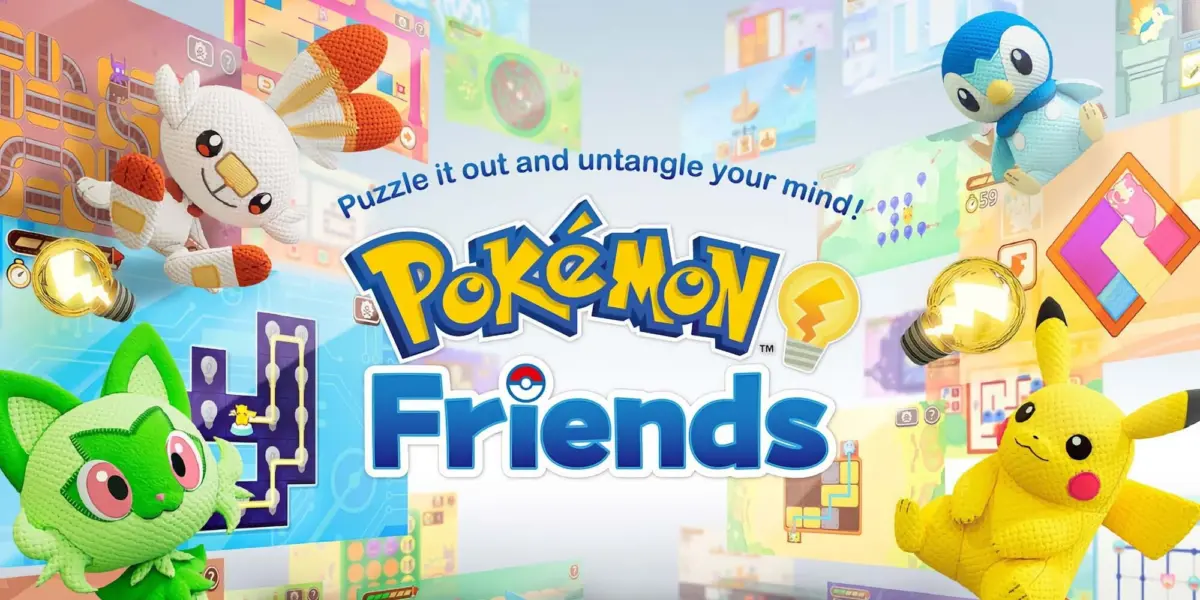
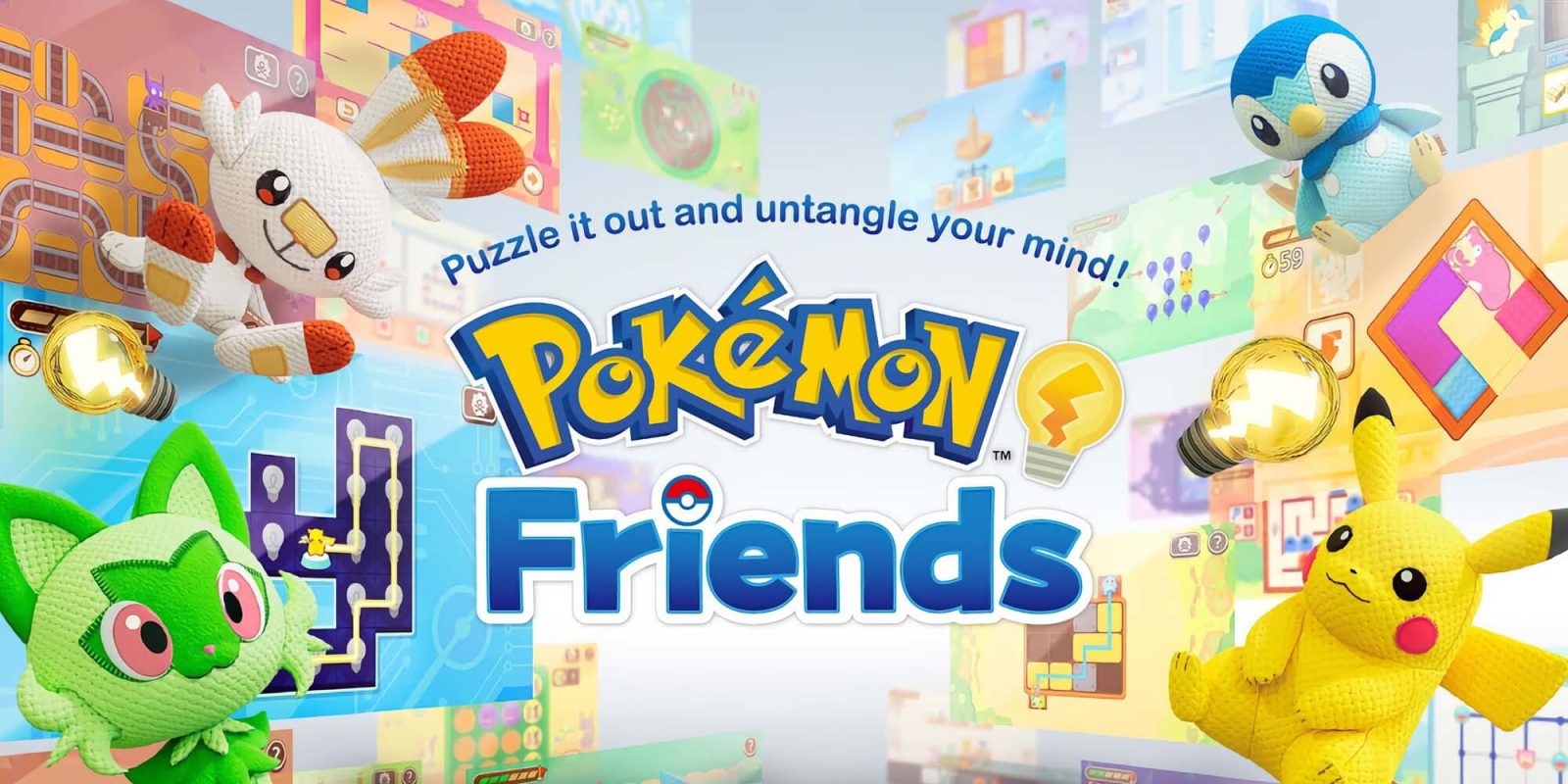
Enter Pokémon Friends, the latest official offering to grace the App Store, published by The Pokémon Company. Breaking away from the high-octane competitive battles of Pokémon UNITE or the augmented-reality mapping mechanics of Pokémon GO, this new title leans aggressively into the "cozy gaming" genre. Blending accessible brainteasers with a charming arts-and-crafts aesthetic, Pokémon Friends invites players to solve daily puzzles, earn virtual yarn, craft digital plushies, and curate their own personalized virtual rooms.
Available now as a free download on iOS devices, the game represents a calculated expansion of the Pokémon intellectual property (IP) into the realm of mindful, low-stress daily rituals. While free-to-play mechanics and optional in-app purchases anchor its business model, the core experience is designed to be a soothing sanctuary for fans of all ages. This report provides a comprehensive analysis of Pokémon Friends, exploring its gameplay loops, the broader industry trends fueling its release, its economic and psychological foundations, and what its arrival signifies for the future of casual mobile gaming.
Detailed Chronology: The Journey to Pokémon Friends
The release of Pokémon Friends is not an isolated event; rather, it is the culmination of years of shifting development priorities within major gaming conglomerates toward accessible, daily-engagement formats.
The Rise of the Micro-Puzzle Era
To understand the context of Pokémon Friends, one must examine the modern renaissance of daily puzzles. For decades, daily brainteasers were largely sequestered within the printed pages of morning newspapers. However, the viral explosion of Josh Wardle’s Wordle in late 2021—and its subsequent acquisition by The New York Times—proved that digital consumers hungered for a singular, communal daily puzzle that could be completed in under five minutes.
Tech giants and media publishers quickly took note. Apple began integrating curated daily puzzles and word games into Apple News+, transforming its news aggregation app into a retention ecosystem. Other developers realized that combining the comfort of familiar intellectual properties with gentle, non-punitive puzzle mechanics could capture an audience segment largely ignored by hardcore action titles.
Conceptualization and Development
While The Pokémon Company has historically experimented with casual mobile titles—ranging from puzzle games like Pokémon Shuffle and Pokémon Café ReMix to sleep-tracking utilities like Pokémon Sleep—none have targeted the specific intersection of "cozy crafting" and daily logic puzzles quite like Pokémon Friends.
Development focused heavily on tactile satisfaction. The creative team recognized that modern players often suffer from notification fatigue and "battle pass anxiety" found in live-service multiplayer games. Pokémon Friends was conceptualized as an antidote to this burnout. By removing timers, failure states, and competitive leaderboards, the developers built a digital space defined by gentle pacing and rewarding visual feedback.
The App Store Launch
The game officially debuted on the iOS App Store, immediately drawing attention from tech and gaming publications alike. Its stealth-drop style release underscored its status as a companion app—a digital ritual meant to be opened alongside morning coffee or an evening wind-down routine, rather than a title designed for marathon gaming sessions. Early adopters quickly populated social media channels with screenshots of their customized virtual rooms, showcasing collections of meticulously crafted virtual plushies.
Supporting Context & Metrics: The Economics of Cozy Gaming
The "cozy gaming" phenomenon is no longer a niche subculture; it is a multi-billion-dollar economic force. Understanding the metrics behind this movement illuminates why Pokémon Friends is strategically positioned to thrive in the current market.
The Demographics of Casual Mobile Players
Market research data from mobile intelligence firms consistently demonstrates that the demographic profile of mobile gamers has broadened significantly. While young adults and teens remain core consumers, older millennials, Gen Z, and older demographics represent a massive, highly engaged segment of the casual gaming market.
- Low Friction, High Retention: Games that require less than 10 minutes of daily investment consistently boast higher 30-day and 90-day retention rates than complex mid-core titles, provided they establish a strong habit-forming loop.
- The Power of Nostalgia: The Pokémon franchise, approaching three decades of cultural dominance, commands one of the most dedicated cross-generational fan bases in history. Pairing nostalgic creature designs with modern comfort mechanics creates an irresistible value proposition.
The Gameplay Loop: From Brainteaser to Virtual Sanctuary
The core gameplay mechanics of Pokémon Friends are intentionally straightforward, prioritizing accessibility over steep learning curves:
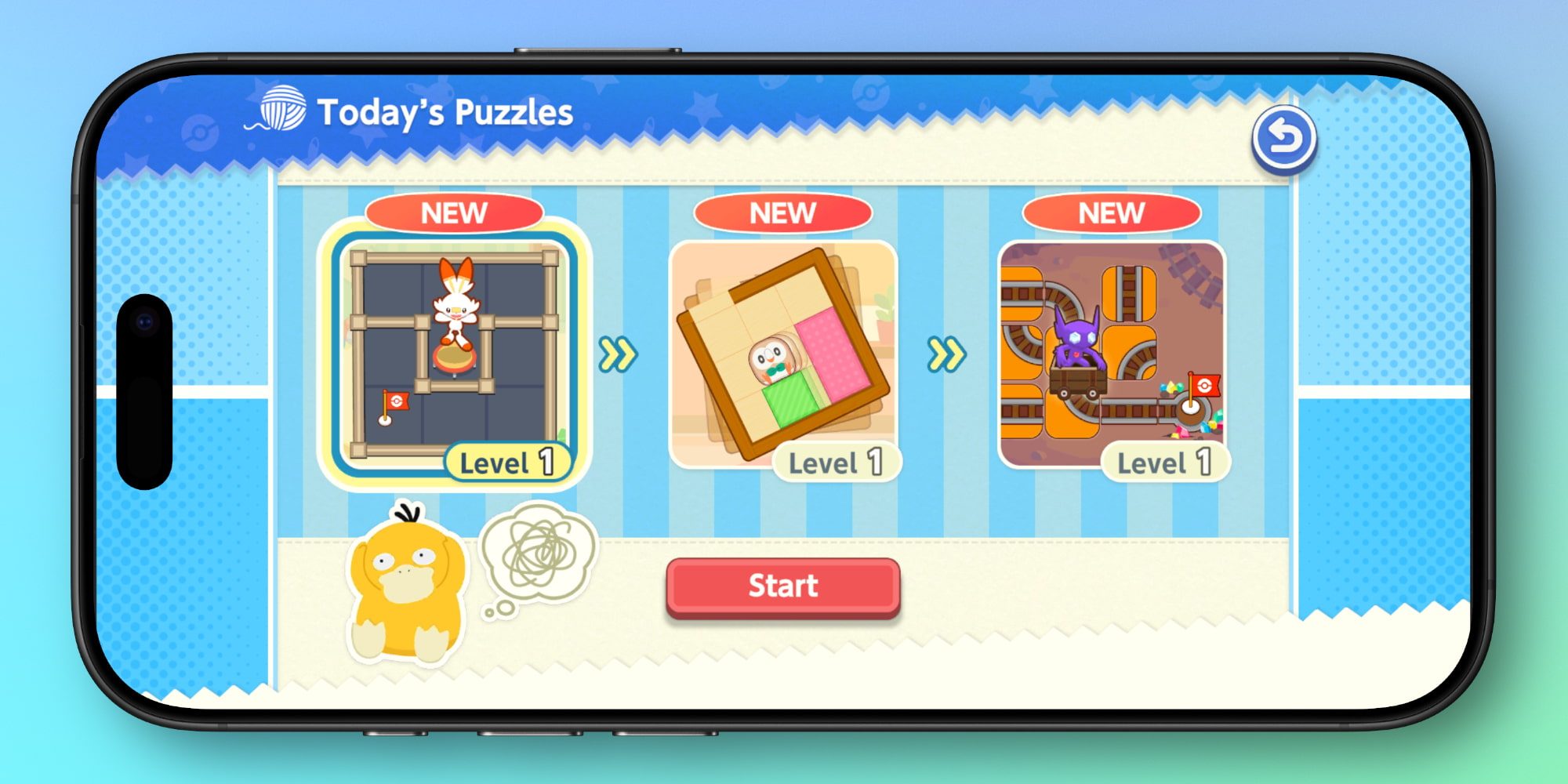
- Daily Brainteasers: Players are greeted each day with fresh puzzles designed to stimulate cognitive function without inducing frustration. These challenges serve as the primary engine for progression.
- Yarn Acquisition: Successful puzzle completion rewards the player with virtual yarn. This economic currency bridges the gap between mental effort and physical (digital) creation.
- Crafting and Customization: The earned yarn is spun into adorable Pokémon plushies. Once crafted, these plushies can be arranged within a fully customizable virtual room, giving players creative agency over their digital environment.
Monetization and In-App Purchases
- Pokémon Friends utilizes a hybrid freemium model. The core game is free to download and play, ensuring a zero-bar-to-entry user acquisition funnel. However, the app incorporates optional In-App Purchases (IAPs). While details on the exact monetization vectors continue to evolve as players explore the storefront, such systems typically allow users to accelerate their crafting processes, acquire exclusive cosmetic items for their virtual rooms, or secure rare yarn variants.
Industry analysts note that cosmetic monetization in cozy games is uniquely effective because players form emotional attachments to their digital spaces and avatars. Unlike pay-to-win mechanics—which often alienate communities—cosmetic and convenience microtransactions in a single-player or passive-social environment tend to be well-received if priced fairly.
Official Statements and Industry Perspective
While The Pokémon Company has maintained a measured communications strategy regarding the rollout of Pokémon Friends, industry insiders and consumer reactions provide a clear picture of the game’s reception and corporate intent.
Shifting Horizons for The Pokémon Company
In recent investor briefings and public addresses, executives from Nintendo, Game Freak, and The Pokémon Company have emphasized the importance of diversifying the brand’s digital portfolio. With Pokémon GO continuing to generate steady revenue through location-based mechanics and Pokémon Sleep proving that lifestyle integration apps can succeed, Pokémon Friends is viewed as a natural extension of the brand’s ecosystem.

"Our goal has always been to create touchpoints that enrich the daily lives of our fans," noted a representative close to the mobile publishing sector of the franchise. "With Pokémon Friends, we wanted to explore a space where relaxation, creativity, and mental refreshment take center stage. It is about creating a quiet moment of joy in a busy world."
Developer Philosophy: Designing for Mental Well-Being
Game designers working within the cozy gaming sector frequently highlight the psychological necessity of non-punitive design. In a statement regarding the philosophy behind Pokémon Friends, UI and UX designers emphasized the removal of high-stakes failure mechanics.
"When players open Pokémon Friends, we do not want them to feel stressed about losing a streak, failing a level, or letting down a team," design leads noted during early preview discussions. "Every action a player takes should feel like forward momentum. Whether you solve a puzzle in thirty seconds or three minutes, the reward is waiting for you. That psychological safety net is crucial for modern digital health."
Future Outlook: What’s Next for Pokémon Friends and the Cozy Mobile Space?
As Pokémon Friends establishes its footing on the iOS App Store, industry watchers are eager to project its trajectory and evaluate its implications for the broader mobile gaming ecosystem.
Potential Content Expansions and Updates
Given the vastness of the Pokémon National Pokédex—spanning over a thousand distinct creatures across multiple generational regions—the content pipeline for Pokémon Friends is practically infinite. Future updates are widely anticipated to include:

- Seasonal Events: Holiday-themed yarn colors, limited-edition plushie patterns, and specialized room decorations.
- Expanded Puzzle Varieties: Introduction of new puzzle types, difficulty tiers, or cooperative community goals to keep the daily engagement loop fresh.
- Android Port: While currently lighting up the iOS App Store alongside tools like Apple News+ puzzle integrations, an eventual expansion to Android devices is considered an inevitability to maximize market penetration.
The Broader Impact on Mobile App Ecosystems
The success of Pokémon Friends reinforces a broader trend: utility and relaxation are driving the next wave of app store downloads. As users grow increasingly fatigued by hyper-monetized gacha games and aggressive advertising models, apps that prioritize user well-being, aesthetic charm, and respectful pacing will likely capture disproportionate market share.
Furthermore, Apple’s ongoing emphasis on curated puzzle content—highlighted by initiatives within Apple News+ and highlighted developer spotlights on the App Store—creates a synergistic environment where titles like Pokémon Friends can thrive.
Conclusion
Pokémon Friends is more than just a clever brand extension; it is a carefully calibrated digital sanctuary designed for an era that desperately needs moments of quiet respite. By marrying the intellectual property power of Pokémon with the addictive, low-friction satisfaction of daily micro-puzzles and virtual crafting, The Pokémon Company has delivered a compelling addition to the iOS ecosystem. Whether you are a lifelong Trainer who remembers the original 151 or a casual puzzle enthusiast looking for a charming new morning routine, Pokémon Friends invites you to slow down, solve a puzzle, and spin some yarn—one digital plushie at a time.









Belum ada komentar. Jadilah yang pertama berkomentar!