

Executive Overview
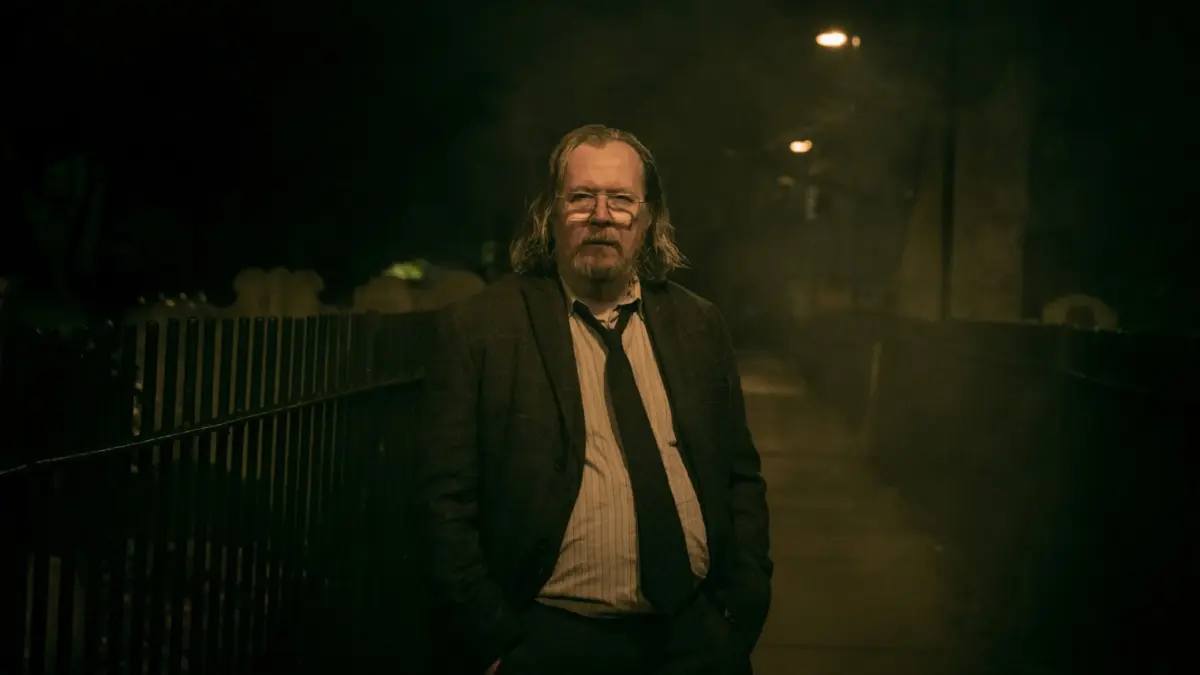
Apple TV+’s critically acclaimed spy-thriller flagship, Slow Horses, has returned for its sixth season with a ferocity that threatens to break the already-frayed nerves of MI5’s most dysfunctional rejects. Following a high-octane premiere that re-established the bleak, cynical landscape inhabited by the personnel of Slough House, the second episode—aptly steeped in tension and paranoia—maintains a breakneck pace. Reviewer Chris Connor notes that while the narrative juggles an exceptionally dense web of interconnected subplots, it manages to sustain a high level of narrative cohesion and stylistic integrity.
Season 6 wastes no time in leveraging the fallout from Frank Harkness’s chilling reappearance. As the MI5 hierarchy scrambles to contain the damage, the "slow horses" find themselves once again thrust onto the razor’s edge of mortal danger. From mysterious deaths among former Slough House associates to shadowy media moguls manipulating the halls of power, Episode 2 layers complex, multi-layered conspiracies over personal betrayals.
The crowning achievement of the episode, however, arrives in its final moments: a breathtaking twist that pulls a beloved character back from the dead, breathing fresh life into the overarching mythology of the series. By balancing high-stakes espionage with the trademark dark humor and gritty realism established by author Mick Herron, Slow Horses continues to prove why it remains one of the premier dramatic offerings on television today.
Detailed Chronology of Episode 2: Puzzles, Paranoia, and Pacing
The Aftermath of Frank Harkness and the Slough House Scramble
The episode opens in the immediate wake of the seismic events set in motion during the season premiere. With Frank Harkness—the sociopathic puppet master from previous seasons—casting a long, menacing shadow over British intelligence once more, the operational posture at Slough House shifts immediately to full alert. Jackson Lamb’s team of administrative discards is forced to confront the harsh reality that their mundane exile has, once again, intersected with a lethal, high-level conspiracy.
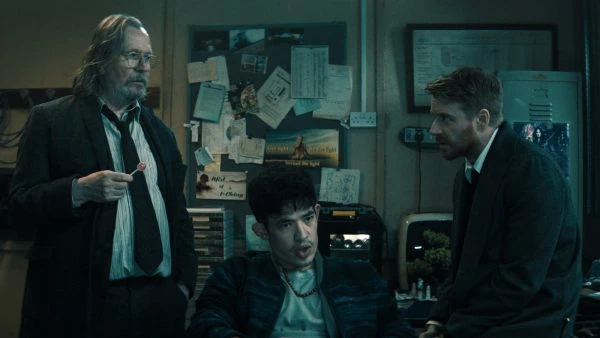
News reaches the team that multiple former personnel associated with Slough House have turned up dead under suspicious circumstances. Recognizing the urgency, Jackson Lamb deploys Coe and Shirley Deker to investigate the grim pattern. Meanwhile, River Cartwright—ever the epicenter of familial and professional chaos—dives deeper into unauthorized detective work alongside Lamb.
The investigation quickly reveals a terrifying institutional vulnerability: Moira informs the team that Slough House has been entirely scrubbed and erased from the internal archives. This digital erasure points directly toward Harkness’s systemic manipulation and a shadowy ex-operative (known colloquially within the intelligence ecosystem as an "ex-dog"). Whether these dead agents are victims of an unfortunate, deadly coincidence or pawns in a much wider, coordinated conspiracy remains one of the season’s most gripping ambiguities.

Taverner, Flyte, and the Media Mogul
Away from the damp, decaying corridors of Slough House, the political chess match at Regent’s Park is reaching a boiling point. The evolving dynamic between Emma Flyte and the newly entrenched First Desk, Diana Taverner, serves as one of the standout narrative highlights of the episode. Flyte represents a rigid, field-tested style of law enforcement, while Taverner is fighting tooth and nail to retain absolute control over an intelligence apparatus that is rapidly slipping through her fingers.
However, Taverner’s formidable grip on power faces an unexpected and public threat. She finds herself cornered into a high-profile media interview orchestrated by Damien Cantor, a slick, enigmatic media mogul brilliantly brought to life by Harry Lloyd. Cantor’s introduction injects a terrifying new variable into the espionage ecosystem: the weaponization of the public narrative against the deep state.
As the interview unfolds, viewers are left questioning whether Taverner has inadvertently backed herself into a journalistic corner from which even her Machiavellian intellect cannot extract her. Compounding this mystery is a lingering financial subplot: What exactly was the substantial sum of money Taverner recently borrowed used for, and who holds the mortgage on her compliance?
Supporting Context & Metrics: The Mechanics of Slow Horses Season 6
To fully appreciate the narrative architecture of Slow Horses Season 6, it is vital to examine the production metrics, source material fidelity, and structural choices that enable the series to consistently punch above its weight class.
| Metric / Parameter | Detail / Status |
|---|---|
| Platform | Apple TV+ |
| Source Material | Based on the Slough House novel series by Mick Herron |
| Showrunner / Lead Writer | Will Smith (adapting alongside the established writers’ room) |
| Key Cast Additions (S6) | Harry Lloyd as Damien Cantor |
| Returning Fan Favorites | Gary Oldman, Jack Lowden, Kristin Scott Thomas, Saskia Reeves, Jonathan Pryce |
| Pacing / Structure | High-density narrative; compressing multiple book plots into a tight episodic arc |
Maintaining the Spirit of Joe Country and the Books
Adapting Mick Herron’s dense, character-driven novels into a visual medium is no small feat. Herron’s prose relies heavily on internal monologues, biting British satire, and a melancholic appreciation for bureaucratic failure. Season 6 manages to preserve this unique flavor—colloquially referred to by fans and critics alike as the spirit of Joe Country and Slough House—even while taking calculated creative liberties.
While television adaptations frequently stumble when attempting to compress complex literary mysteries into compressed runtimes, Slow Horses excels by prioritizing character motivation over exposition. The inclusion of Damien Cantor expands the universe outward, exploring how modern corporate media intersects with state-sanctioned espionage. Furthermore, the decision to force the entire Slough House crew to "go dark" tests their fragile camaraderie, providing unexpected moments of competence from characters like Roddy Ho, who manages—against all statistical odds—to avoid completely letting the team down.
Official Statements and Critical Reception
The critical response to the opening arc of Slow Horses Season 6 has been overwhelmingly positive, with industry analysts praising the show’s ability to maintain narrative momentum six seasons deep without feeling fatigued.
"The second episode continues at a breakneck pace as we begin to get some answers to questions posed in the opener… Cramming more surprises in the first third of the season than most shows do in their entire run, while the pace remains high and the quality for the most part stands up."
— Chris Connor, Flickering Myth
Industry insiders have also lauded the strategic casting choices for Season 6. Harry Lloyd’s portrayal of Damien Cantor has been singled out as a masterclass in modern corporate menace, perfectly balancing charm and intimidation.
Meanwhile, production executives at Apple TV+ have emphasized that the series remains a cornerstone of their prestige drama slate. By retaining the core creative team and honoring the psychological depth of Mick Herron’s source novels, Slow Horses has successfully carved out a permanent legacy in the modern television landscape.
Future Outlook: The Return of Sid Baker and What Lies Ahead
The Resurrection of a Fan Favorite
The emotional and narrative peak of Episode 2 arrives in its closing moments, delivering a twist that has sent shockwaves through the fandom. River Cartwright, racing frantically to the source of a series of mysterious phone calls, comes face-to-face with none other than Sid Baker (played by Olivia Cooke).
For context, Sid was presumed dead early in the series’ run after suffering a severe head wound during an undercover operation. While readers of Mick Herron’s novels knew that Sid’s ultimate fate carried more nuance, her absence from the television adaptation had largely been accepted as a permanent casualty of scheduling conflicts, particularly given Olivia Cooke’s burgeoning Hollywood career.
Sid’s sudden, dramatic return not only subverts expectations but fundamentally alters River’s emotional trajectory for the remainder of the season. Her reappearance raises immediate, pressing questions: Where has she been hiding? Who was behind her staged disappearance? And how does her return tie into the sprawling conspiracy engineered by Frank Harkness?
Anticipation for the Rest of Season 6
As Episode 2 fades to black, the narrative table is set for an explosive middle stretch of the season. With Slough House erased from the archives, Diana Taverner trapped in a high-stakes media chess match, and the ghosts of the past (both literal and metaphorical) returning to haunt them, the stakes have never been higher for MI5’s reject squad.
Viewers can anticipate deeper dives into the institutional corruption plaguing Regent’s Park, increased friction between Jackson Lamb and his corporate superiors, and the slow-burning fallout of River and Sid’s reunion. If the first two episodes are any indication, Slow Horses Season 6 is poised to deliver one of the most intellectually stimulating and heart-pounding runs in modern television history.


Belum ada komentar. Jadilah yang pertama berkomentar!