

Executive Overview
In an era defined by ubiquitous digitalization, no digital storefront, municipal database, or niche portal appears immune to the escalating tide of global cybercrime. Over the past week, Japan has experienced an unprecedented wave of high-profile data breaches and malicious network intrusions. From major corporate infrastructure—such as the massive leak impacting 6.6 million customers of the nationwide car rental and parking conglomerate Times, involving compromised names, email addresses, and driver’s license data—to the exposure of user credentials on the Burger King app, the nation’s digital attack surface has proven alarmingly porous.
Yet, as massive enterprises grapple with multi-million-user record leaks, cyberattacks are simultaneously trickling down to the most unexpected corners of local government. The latest incident to capture public attention and online dark humor emanates from Susaki, a picturesque coastal city of approximately 20,000 residents nestled in Kochi Prefecture, Shikoku.
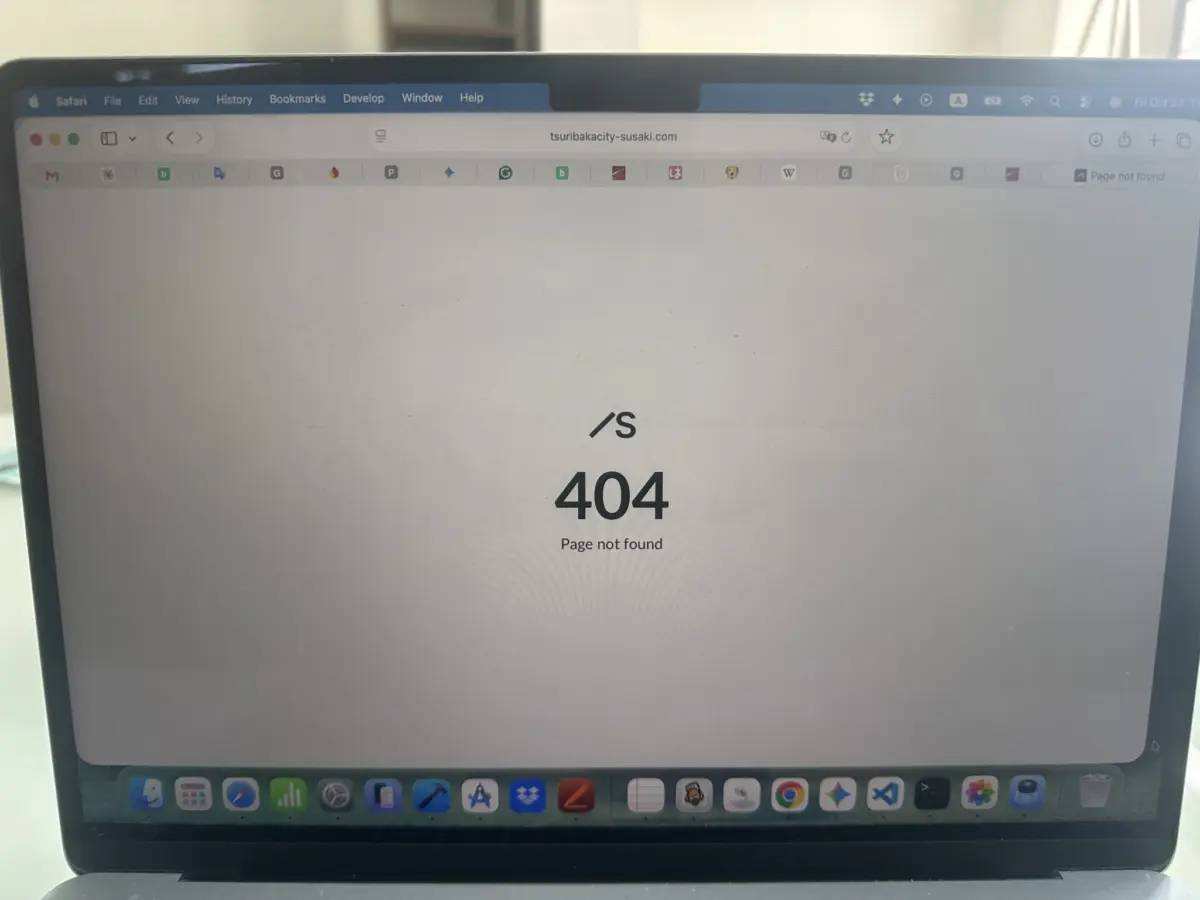
The municipality’s niche municipal fishing information portal, grandly titled Tsuri-Baka City Susaki (Fishing-Crazy City Susaki), was recently targeted in a cyberattack. The breach originated not from municipal negligence within the city hall, but from a third-party server management company based in Tokyo. Upon discovering the unauthorized network breach, the Tokyo-based vendor alerted the municipal fishing bureau on October 16, prompting an immediate emergency shutdown of the portal while digital forensics teams initiated a comprehensive investigation.
While headline-grabbing cyberattacks typically boast staggering metrics of compromised personal identifiable information (PII), the Susaki fishing portal breach offers a stark, almost darkly comedic contrast. According to official municipal records, the total number of individuals potentially impacted by the compromise of the site’s inquiry form between July 2025 and July 2026 stands at a staggering three people.
This investigative report examines the chronology of the Susaki municipal breach, the broader landscape of Japan’s escalating cyber-security crisis, the socioeconomic implications for small municipalities navigating digital transformation, and the public’s wry, internet-driven response to a data leak of microscopic proportions.
Detailed Chronology: From Tokyo Servers to Kochi’s Coastline
The sequence of events leading to the shutdown of Fishing-Crazy City Susaki highlights the complex, interconnected supply chains underpinning modern local government IT infrastructure. Like many rural municipalities across Japan, the city of Susaki outsourced the technical hosting and server management of its specialized tourism and fishing portal to an external information technology vendor located in the nation’s capital, Tokyo.
The Attack Vector and Discovery
- October 16: The Tokyo-based server management firm detected anomalous network traffic and unauthorized access attempts targeting the infrastructure hosting several client websites, including the Susaki municipal fishing portal. Recognizing a potential security compromise, the vendor immediately alerted the municipal authorities in Kochi Prefecture.
- Mid-October (Immediate Response): Acting in accordance with national cybersecurity guidelines and standard incident response protocols, the Susaki municipal government ordered the immediate suspension of the Tsuri-Baka City Susaki website. All external access points, including public-facing pages, local attraction databases, and user interaction portals, were taken offline to prevent lateral movement by the threat actor and to preserve digital forensic artifacts.
- Post-Incident Investigation Phase: As of this writing, the website remains entirely dark. Cybersecurity specialists retained by the Tokyo vendor are conducting log analyses, vulnerability assessments, and system integrity checks to determine the exact vector of the breach, whether malicious payloads were deployed, and whether any data was successfully exfiltrated beyond the compromised staging environment.
The abrupt offline status of the portal has created a minor information vacuum within the local fishing community. Estimates suggest that at least one prospective angler—relying on official municipal channels rather than decentralized internet forums or word-of-mouth chatter—may have been temporarily hindered in their quest for hyper-local tidal charts, seasonal catch reports, and regulated fishing zone notifications.
Supporting Context & Metrics: The Scale of Exposure
To contextualize the Susaki incident, one must examine the precise parameters of the data exposure alongside the broader macroeconomic and digital environment of contemporary Japanese cybersecurity.
The Anatomy of the Susaki Breach
The vulnerability lies specifically within the website’s customer interaction architecture: its digital inquiry and feedback form. According to forensic audits of the submission database spanning a full operational year—from July 2025 through July 2026—the categories of potentially compromised data include:
- Full names of inquiring individuals
- Electronic mail addresses
- Telephone numbers
- The specific contents and text queries submitted through the form
However, the statistical footprint of this breach defies modern expectations of cybercrime. Municipal records indicate that no more than three unique individuals utilized the inquiry form during the entire twelve-month window.
While the exact nature of these three inquiries remains shielded by privacy protocols and municipal discretion, cyber-analysts specializing in rural tourism patterns deduce that the submissions likely encompassed queries regarding:
- Real-time fish biting activity and species migration patterns in Susaki’s coastal waters.
- Licensing requirements, local fishing permits, and restricted maritime zones.
- Recommendations for local culinary establishments willing to clean, prep, and cook a visitor’s daily catch.
The Macro-Environment: Japan Under Siege
The Susaki incident does not occur in a vacuum. It forms a single pixel in a much larger, highly volatile mosaic of cyber-attacks affecting Japanese institutions throughout October 2026. Major incidents reported concurrently include:
- The Times Car Rental & Parking Breach: A massive digital intrusion compromising the personal records of approximately 6.6 million users, including names, contact emails, and sensitive identity verification documents such as driver’s licenses.
- The Burger King Japan App Incident: Unauthorized access to user databases resulting in the exposure of registered customer profile details.
- Countless Unnamed Small-to-Medium Enterprise (SME) Breaches: Security researchers note a dramatic uptick in credential stuffing, ransomware deployment, and supply chain attacks targeting secondary and tertiary IT vendors across the Japanese archipelago.
When juxtaposed against the theft of millions of records from corporate giants, a municipal portal leaking data belonging to three anglers highlights a sobering reality: threat actors and automated botnets are sweeping Japanese IP spaces indiscriminately. Automated vulnerability scanners do not differentiate between multi-billion-yen conglomerates and rural municipal tourism boards; they exploit unpatched vulnerabilities wherever they are found.
Official Statements and Public Reaction
The disclosure of the Susaki breach by local media outlets—including Kochi Shimbun Plus and aggregate coverage on tech-culture blogs such as Hachima Kiko—sparked an immediate and colorful wave of commentary across Japanese social media platforms.
The Internet Reacts: Humor as a Defense Mechanism
Faced with the relentless daily drumbeat of massive corporate data leaks, Japanese netizens seized upon the microscopic scale of the Susaki breach as both comic relief and a poignant commentary on modern digital paranoia. Rather than provoking outrage, the revelation that only three people were affected generated widespread amusement and internet meme culture.

Representative comments collected from public forums and social media threads include:
“Wouldn’t it be easier just to apologize to those three people directly over the phone? Why subject the entire prefecture to a press release?”
“Maybe the municipal government can organize an all-expenses-paid group fishing trip for all three victims so they can commiserate together.”
“In terms of sheer data volume, this breach is on a completely different level from anything we’ve seen before—in reverse!”
“Honestly, it takes immense institutional guts for a city government to come forward and publicly confess to a breach affecting three people. I have to respect that level of bureaucratic transparency.”
“It’s genuinely terrifying that even hyper-niche municipal fishing sites are getting hit by hackers. No digital sanctuary remains safe.”
“If the inquiry handler’s job involves reading messages from those three people all day, I’d like to apply for that position. Sounds peaceful.”
Bureaucratic Transparency vs. Proportional Disclosure
From an administrative governance perspective, the City of Susaki and its Tokyo-based IT vendor faced a regulatory dilemma familiar to modern compliance officers: the mandate for absolute transparency versus operational proportionality. Under Japan’s Act on the Protection of Personal Information (APPI) and guidelines issued by the Personal Information Protection Commission (PPC), any confirmed or suspected unauthorized access involving personal data necessitates formal notification protocols, public disclosures, and remediation pathways—regardless of whether the affected user base numbers in the millions or can be counted on one hand.
By choosing to publicly disclose the breach, Susaki authorities demonstrated adherence to strict legal frameworks, ensuring that even the smallest stakeholder is afforded the right to know when their digital footprint has been touched by an external security incident.
Future Outlook: Lessons from the Susaki Incident
As the digital transformation of regional Japanese municipalities (chihou sousei) accelerates—pushing local governments to digitize tourism, agriculture, and fisheries to attract urban remote workers and foreign tourists—cybersecurity vulnerabilities at the municipal level will remain a critical public policy challenge.
1. Supply Chain Resilience for Local Governments
The Susaki breach underscores a structural vulnerability: rural municipalities frequently lack the internal technical personnel required to architect, monitor, and secure complex web infrastructure. Consequently, they rely on third-party vendors headquartered in major urban centers like Tokyo. Future municipal IT procurement must incorporate rigorous, mandatory cybersecurity auditing standards for third-party vendors, ensuring that smaller regional portals are held to the same defensive standards as core governmental databases.
2. The Irony of Exceptional Content
In a retrospective evaluation of the incident, digital commentators offered a tongue-in-cheek hypothesis: the exceptionally low inquiry volume (three submissions in twelve months) might paradoxically be evidence of the website’s overwhelming success. A portal so comprehensive, deeply detailed, and meticulously curated that it preemptively answers every conceivable question an angler might harbor leaves zero room for inquiry.
While framed humorously, this observation highlights the value of high-quality digital content architecture. When information is clear, accessible, and exhaustive, user friction is minimized.
3. Conclusion: Defense Through Quality Information
As Japanese society navigates an increasingly hostile cyberspace where data leaks have become a grim statistical inevitability, the Susaki incident serves as a unique parable. It reminds us that while technological fortifications will inevitably be tested by sophisticated threat actors, the ultimate resilience of a community lies in its commitment to transparency, thorough communication, and an unyielding dedication to providing stellar information—whether on corporate databases or municipal fishing guides. In these times of tenuous cybersecurity, perhaps our most resilient line of defense is simply knowing our waters so well that even the hackers leave with nothing more than a profound appreciation for local angling.






Belum ada komentar. Jadilah yang pertama berkomentar!