

Executive Overview
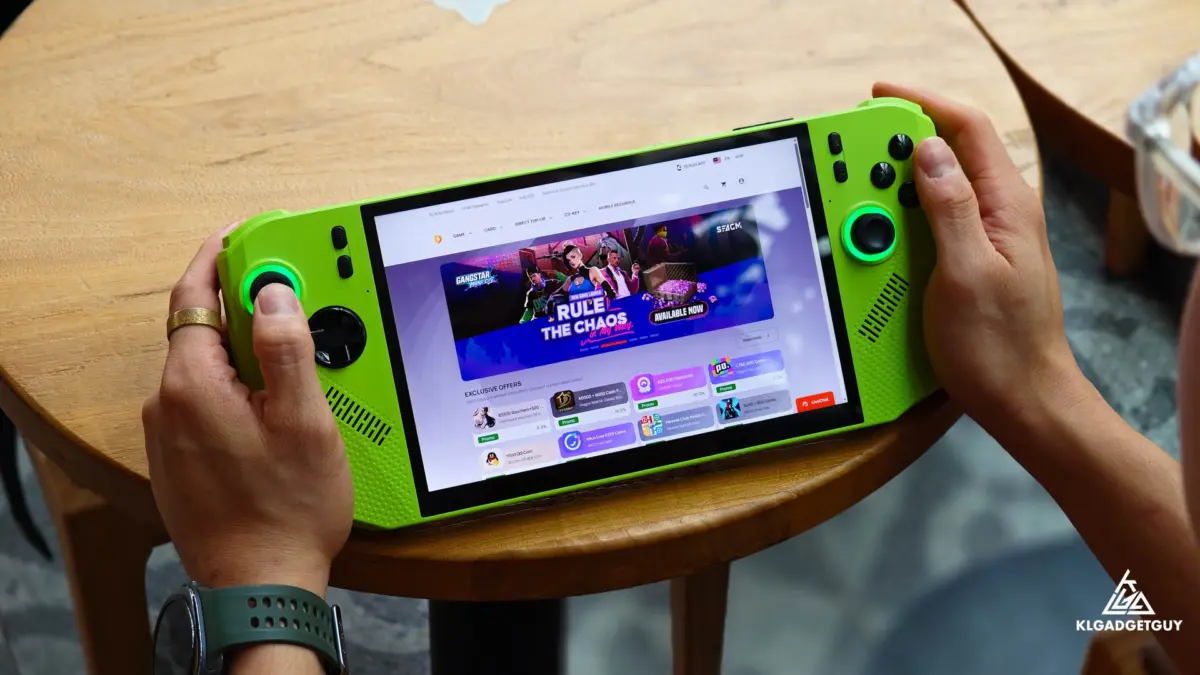
The unboxing of a new gaming device—whether it is a high-performance gaming laptop, a portable handheld console, a specialized smartphone, or a living-room television rig—remains one of the most exciting rituals in modern consumer technology. Immediately following the initial setup, configuration, and firmware updates, users are met with a universal priority: populating the hardware with software, titles, subscriptions, and downloadable content (DLC).
However, state-of-the-art hardware represents only half of the complete interactive entertainment experience. The modern gamer requires an ongoing pipeline of games, season passes, expansive expansions, and, increasingly, in-game currencies to unlock the full potential of their devices. In an era defined by multi-platform gaming—where an individual might play a competitive shooter on a PC, a role-playing title on a console, and a live-service battle royale on a smartphone—managing the digital commerce side of the hobby has become remarkably fragmented.
Enter digital marketplace aggregators such as SEAGM, which seek to resolve this friction. Instead of forcing consumers to jump haphazardly between dozens of native storefronts to acquire Steam Wallet credit, PlayStation Network (PSN) cards, Nintendo eShop vouchers, or direct title top-ups, these unified platforms aggregate a massive array of global gaming products into a single, centralized ecosystem. This report examines the evolution of digital gaming commerce, the underlying causes of friction in native storefronts, the strategic advantages of unified marketplaces, and the future outlook for cross-platform digital distribution.
Detailed Chronology: The Evolution of Digital Gaming Commerce
To understand the current reliance on digital aggregation platforms, it is necessary to examine how the delivery and monetization of video games have evolved over the past three decades.
[Physical Era: 1990s - Early 2000s]
--> Cartridges, Discs, Retail Stores
       |
[Early Digital Era: Mid 2000s - 2010s]
--> Platform Monopolies (Steam, Xbox Live, PSN) & Direct Credit Cards
       |
[Fragmented Mobile & Cross-Platform Era: 2010s - Present]
--> Live-Service Microtransactions, Multi-Device Play, Regional Friction
       |
[The Aggregator Solution: Modern Day]
--> Centralized Hubs (SEAGM), Alternative Payment Methods, Prepaid Budgets
1. The Physical-to-Digital Transition (Late 1990s – Early 2010s)
For decades, acquiring video games meant visiting a brick-and-mortar retail store to purchase physical cartridges, optical discs, or PC CD-ROMs. Payment was straightforward: cash, check, or credit card exchanged for a tangible product.
The launch of digital distribution services—most notably Valve’s Steam platform in 2003, followed by Xbox Live Marketplace and the PlayStation Network—gradually dismantled physical retail dependency. While this shift eliminated trips to the store and enabled instant game delivery, it also tied consumers directly to proprietary, closed-ecosystem digital storefronts.
2. The Rise of the Live-Service and Mobile Economy (2010s)
As broadband speeds increased and smartphones evolved into formidable gaming powerhouses, the industry shifted toward free-to-play models supported by microtransactions and live-service updates. Games like Mobile Legends: Bang Bang, PUBG Mobile, and Genshin Impact required players to make frequent, small-scale purchases of in-game currencies (Diamonds, UC, Primogems).
Concurrently, mainstream gamers increasingly adopted cross-platform habits. A consumer might play on a Windows PC during the day, a Sony PlayStation in the evening, and an Android or iOS device during their commute. Each platform enforced its own payment gateway, creating an administrative maze for users attempting to budget or fund their gaming habits.
3. The Emergence of Unified Digital Marketplaces (Present Day)
Faced with platform fragmentation, regional pricing barriers, and security concerns regarding storing credit card information across multiple disparate accounts, modern consumers began turning to third-party digital marketplaces. Platforms like SEAGM evolved from niche regional key-resellers into comprehensive global hubs providing localized payment methods, instant code delivery, and cross-platform asset acquisition under one virtual roof.
Supporting Context & Metrics: Why Gamers Seek Alternatives to Direct Storefronts
While purchasing directly from native publishers (such as Steam, Nintendo, Sony, or Microsoft) remains the default path for many, structural inefficiencies in the global digital economy continue to drive users toward third-party aggregators.
1. Payment Method Limitations and Financial Security
Global digital commerce assumes universal access to international credit and debit cards. In practice, however, banking infrastructure varies wildly by region. Many consumers lack internationally accepted credit cards, or they encounter restrictive banking barriers that block cross-border digital transactions.
Furthermore, cybersecurity fatigue is a measurable trend among digital consumers. Storing primary credit card details across five, ten, or fifteen different gaming and entertainment accounts significantly increases exposure to data breaches and unauthorized charges. Aggregator platforms mitigate this risk by acting as a single secure intermediary, allowing users to leverage localized e-wallets, regional banking partners, or prepaid gift cards without exposing sensitive financial data to multiple gaming corporations.
2. Regional Restrictions and Currency Friction
Geoblocking and currency volatility present continuous challenges for international gamers. A player residing in one country may wish to gift content to a friend abroad, or access a specific regional digital good that their local storefront does not adequately support. Aggregator platforms specialize in bridging these geographic divides by offering region-specific digital gift cards, codes, and currency top-ups with transparent redemption parameters.
3. Budget Control and Family Management
In an era where microtransactions and automatic subscription renewals can easily lead to accidental overspending, financial predictability is paramount. Prepaid digital spending serves as an effective budgeting tool. Rather than maintaining an open-ended credit card link on a child’s console or smartphone, parents can purchase fixed-value digital gift cards or specific increments of game credit through platforms like SEAGM. This establishes a hard financial ceiling, ensuring that entertainment expenditure remains strictly controlled.
Official Industry Perspectives & Strategic Value
Industry analysts and marketplace operators emphasize that third-party digital platforms do not exist to supplant native storefronts like Steam or the PlayStation Store; rather, they serve as complementary gateways that enhance overall market liquidity and user accessibility.
The Convenience Factor for Multi-Platform Users
The primary value proposition of platforms like SEAGM is the elimination of administrative friction. Consider a typical modern gamer:
- The Desktop/Laptop Player: Purchases AAA titles and indie releases primarily through Steam or the Epic Games Store.
- The Mobile Gamer: Spends daily hours in competitive multiplayer environments like Mobile Legends or PUBG Mobile, requiring continuous micro-transactions for cosmetic items and progression passes.
- The Console Gamer: Relies on periodic renewals of network subscriptions (PlayStation Plus, Nintendo Switch Online) alongside digital wallet top-ups.
Navigating three or four separate ecosystems, each with its own authentication protocols, currency conversions, and checkout interfaces, consumes unnecessary time. A centralized marketplace condenses these disparate tasks into a single transaction flow.
Promotional Value and Loyalty Ecosystems
Beyond raw convenience, aggregator platforms frequently deploy aggressive promotional strategies, including seasonal discounts, localized promotional pricing, and coupon distribution hubs. These initiatives often provide cost-saving alternatives that run parallel to, or surpass, native platform sales. Savvy consumers routinely cross-reference prices between native storefronts and aggregators to optimize their digital purchasing power.
Future Outlook: The Trajectory of Digital Gaming Distribution
As the gaming hardware landscape continues to expand—spurred by the proliferation of specialized handheld PCs (such as the Steam Deck and its competitors), cloud-streaming devices, and high-end mobile gaming ecosystems—the volume of digital transactions will only accelerate.
Several key trends are poised to shape the future of digital gaming commerce:
- Hyper-Localized Payment Integration: As emerging markets mature, digital marketplaces will place an even greater emphasis on hyper-local payment rails, including instant bank transfers, region-specific QR-code payment systems, and carrier billing.
- Instant Delivery Automation: The expectation of instantaneous gratification means that digital keys, PINs, and direct in-game currency top-ups must be processed and delivered via automated API integrations within seconds of payment confirmation. Platforms that fail to maintain sub-minute delivery speeds will struggle to retain market share.
- Enhanced Security and Compliance: With increasing global regulatory scrutiny regarding digital assets, consumer data privacy, and anti-fraud measures, authoritative aggregator platforms will need to invest heavily in robust verification protocols and transparent consumer protection frameworks.
Conclusion
Hardware innovation guarantees that our gaming devices—whether portable, mobile, or stationary—will continue to deliver breathtaking graphical fidelity and processing speeds. Yet, a high-performance machine remains inert without a steady stream of games, expansions, and digital currency to power it.
While native storefronts will always form the foundational architecture of digital gaming, platforms like SEAGM offer an indispensable layer of convenience, security, and flexibility. By consolidating cross-platform purchases, expanding localized payment choices, and simplifying the acquisition of in-game currencies for titles like Mobile Legends and PUBG Mobile, these unified marketplaces serve as an essential utility for the modern gamer.
For anyone navigating the complex, multi-device ecosystem of contemporary interactive entertainment, keeping a trusted digital aggregator bookmarked is no longer just an alternative—it is a strategic necessity.







Belum ada komentar. Jadilah yang pertama berkomentar!