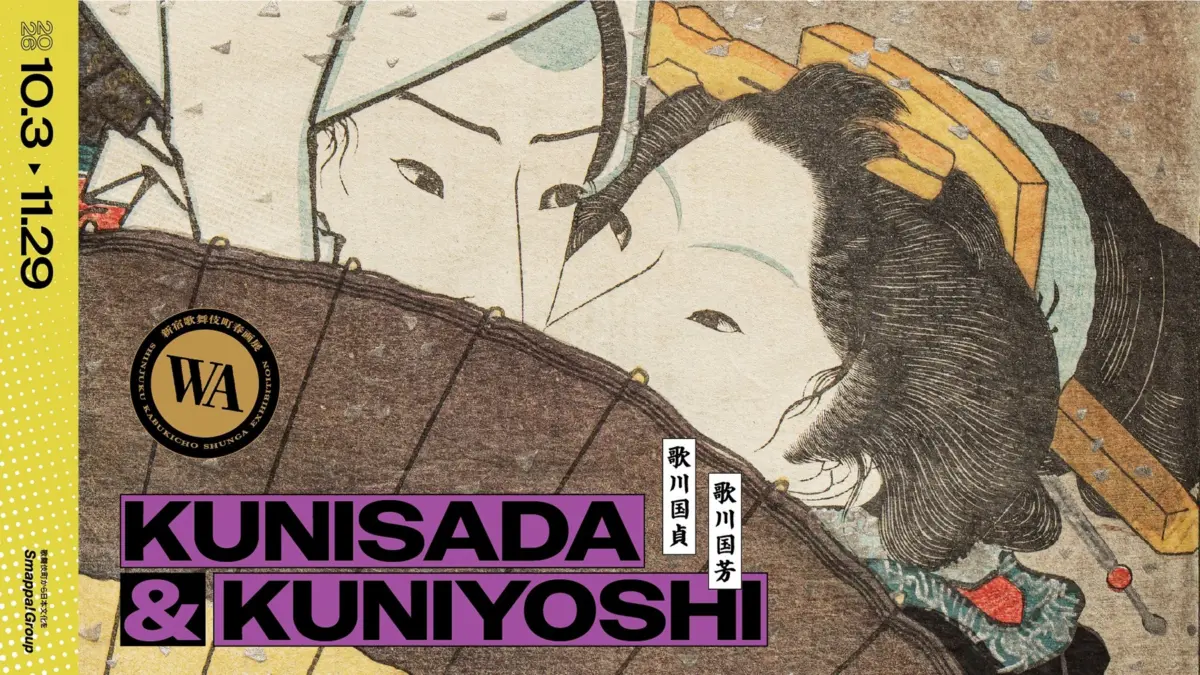
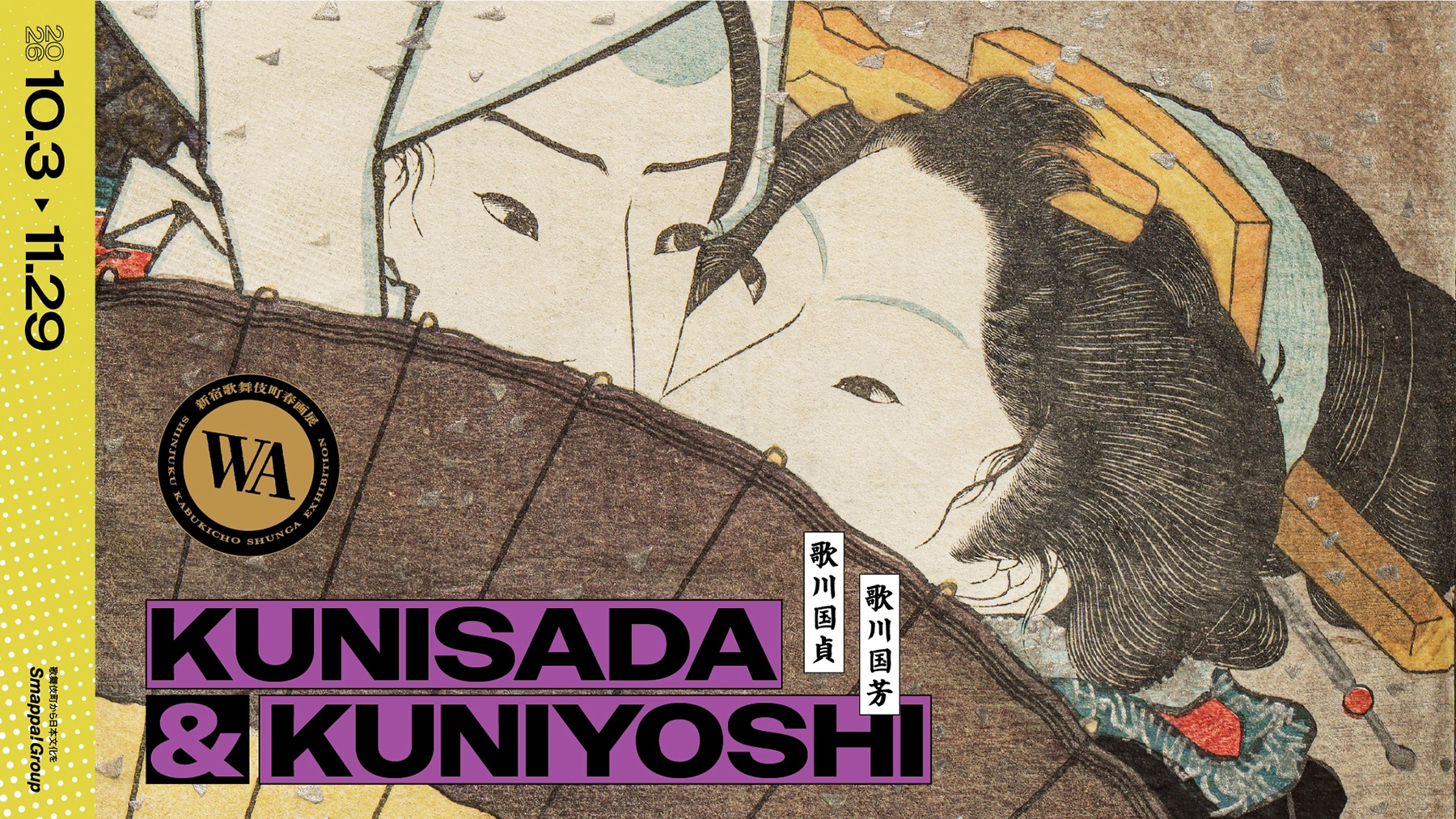
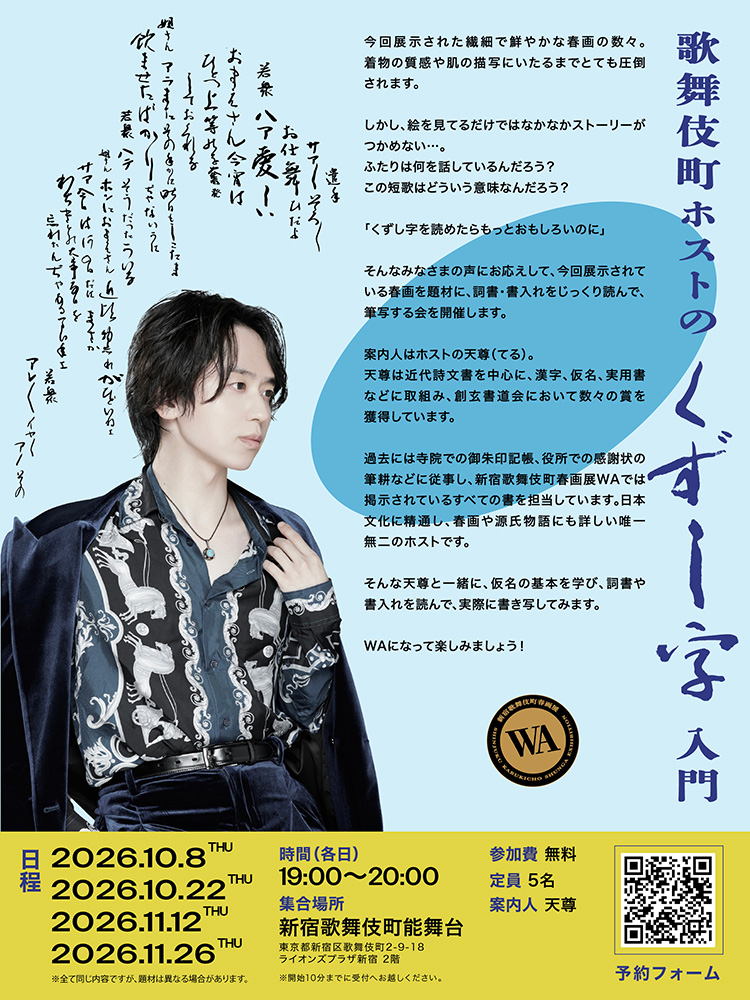
In a bold and culturally resonant move that bridges centuries of traditional Japanese artistry with the pulsing, modern heartbeat of Tokyo’s entertainment district, Smappa!Group has officially launched its landmark cultural initiative, "WA" (和). Opening its doors on October 3, the exhibition represents a profound exploration of shunga—the historically rich, erotically charged woodblock prints of the Edo period—reimagined through a contemporary lens.
Hosted within the vibrant landscape of Kabukicho, the exhibition is curated by the globally renowned artist collective Chim↑Pom from Smappa!Group, a collaboration that immediately signals the project’s ambition. Rather than treating historical artifacts as sterile museum pieces locked behind glass, "WA" deliberately integrates centuries-old artistic expressions with the modern social fabric of Japan’s nightlife capital. By juxtaposing the delicate, intricate lines of 19th-century masters like Kitagawa Utamaro and Katsushika Hokusai with contemporary urban commentary, the exhibition forces viewers to confront evolving notions of intimacy, bodily autonomy, and the socio-cultural architecture of desire.
This extensive feature delves into the architecture of the "WA" exhibition, examining the historical weight of shunga, the socioeconomic implications of hosting such an avant-garde cultural project in Kabukicho, and the broader institutional dialogue surrounding sexuality, censorship, and public art in 21st-century Japan.
Detailed Chronology: From Edo-Period Masterpieces to Kabukicho’s Neon Glow
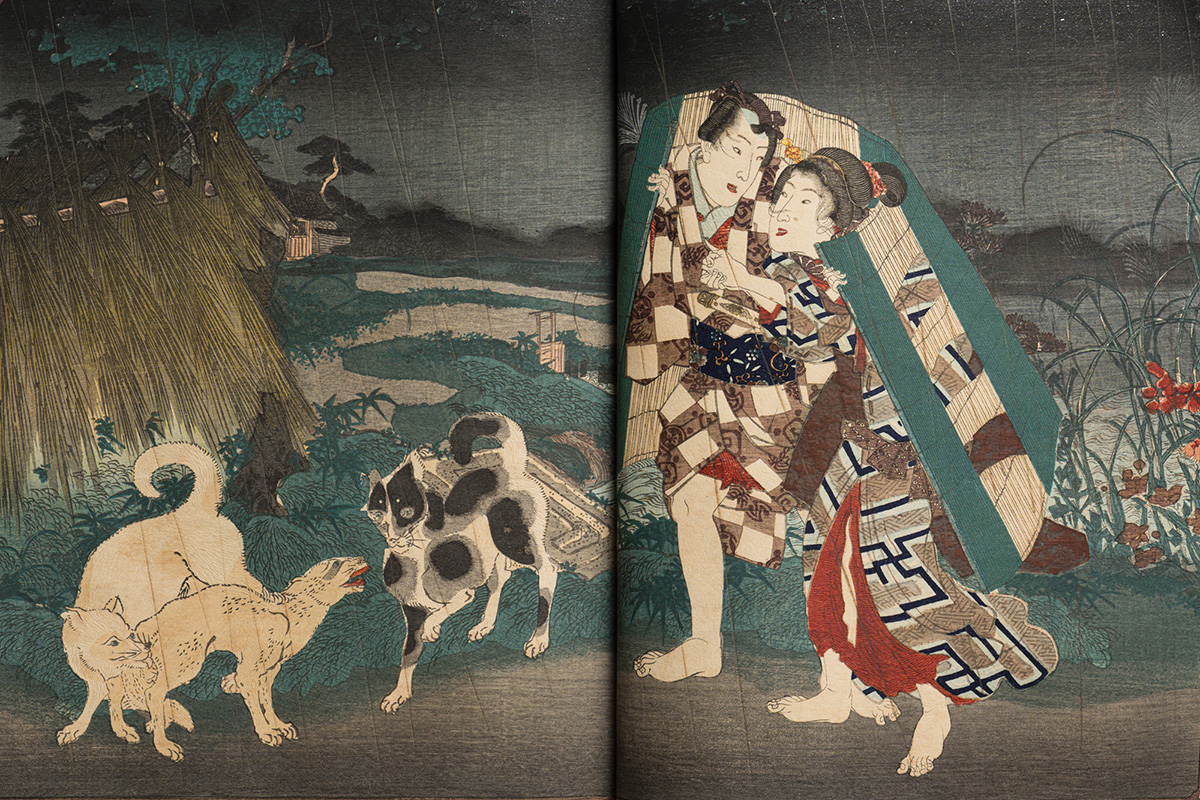
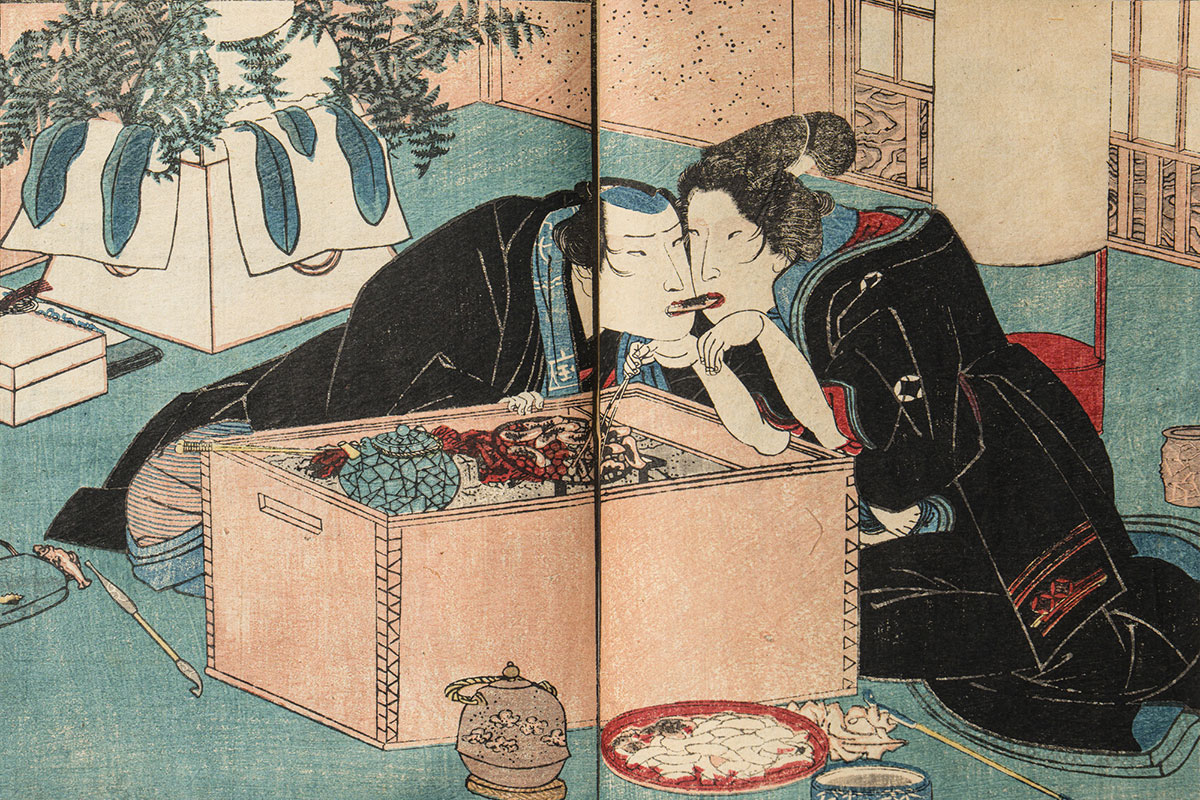
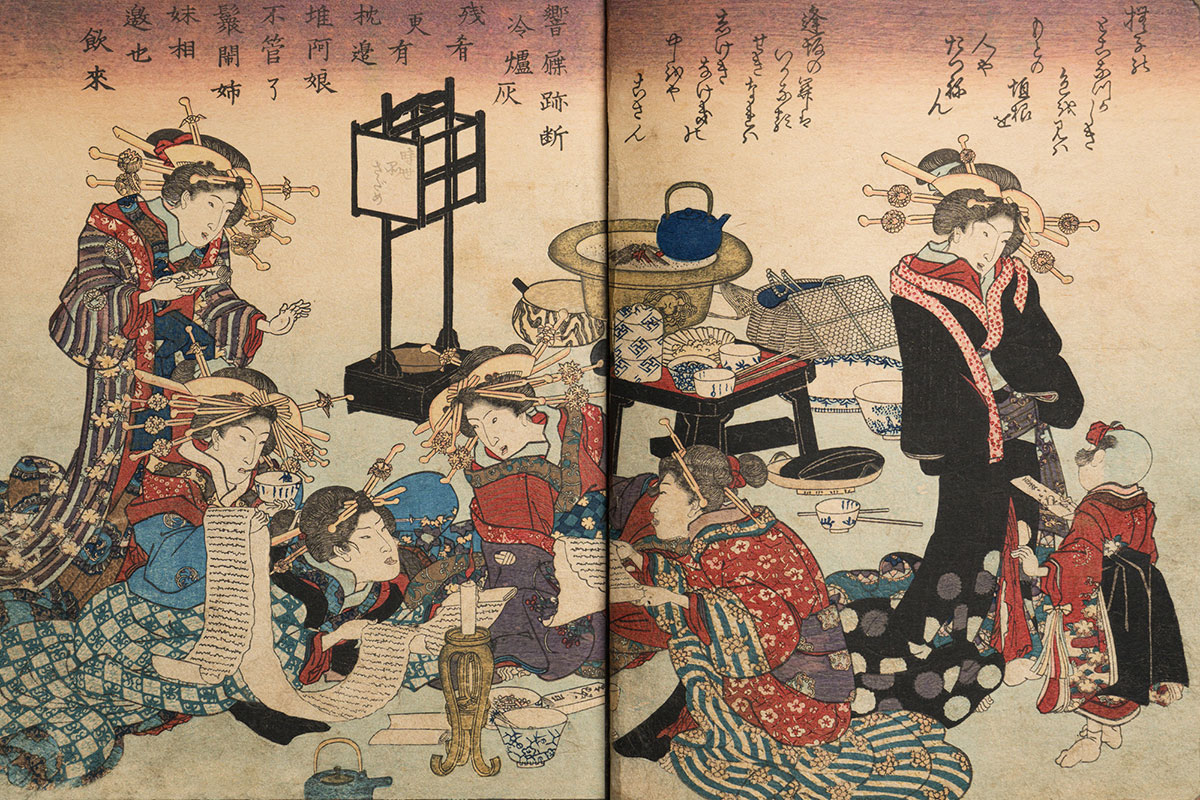
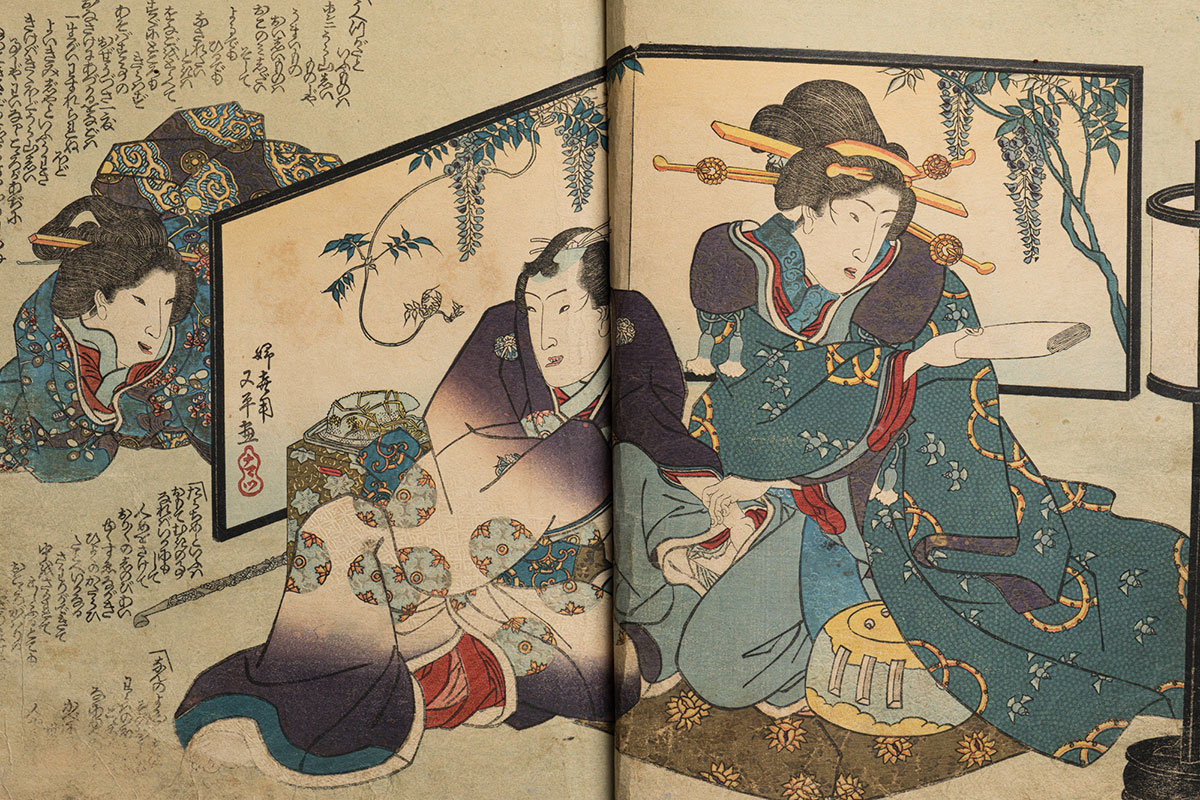
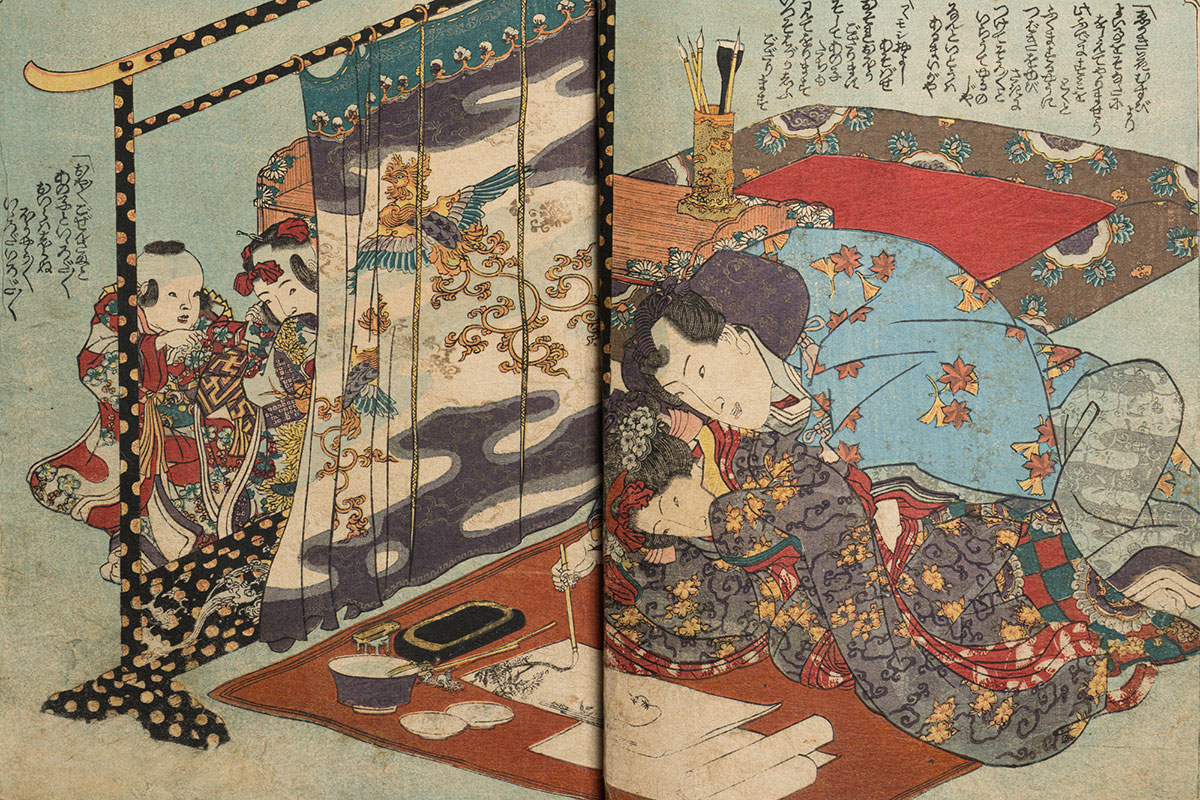
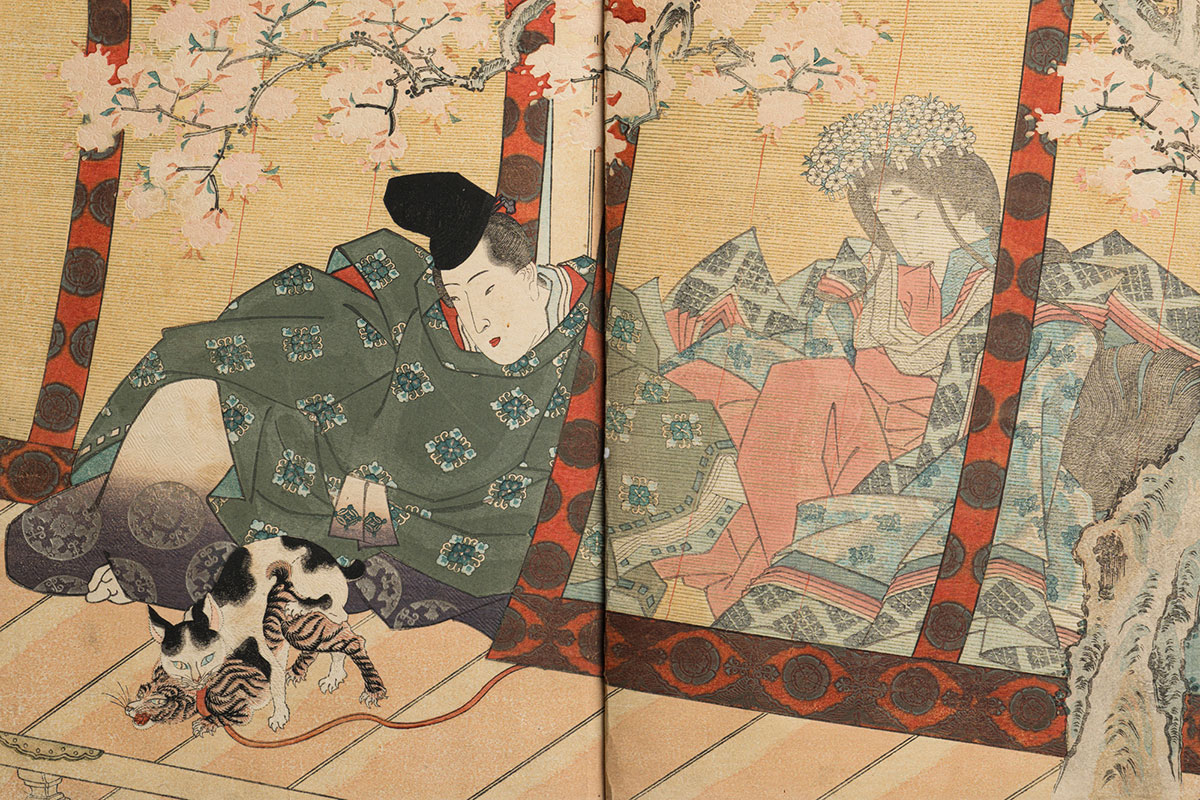
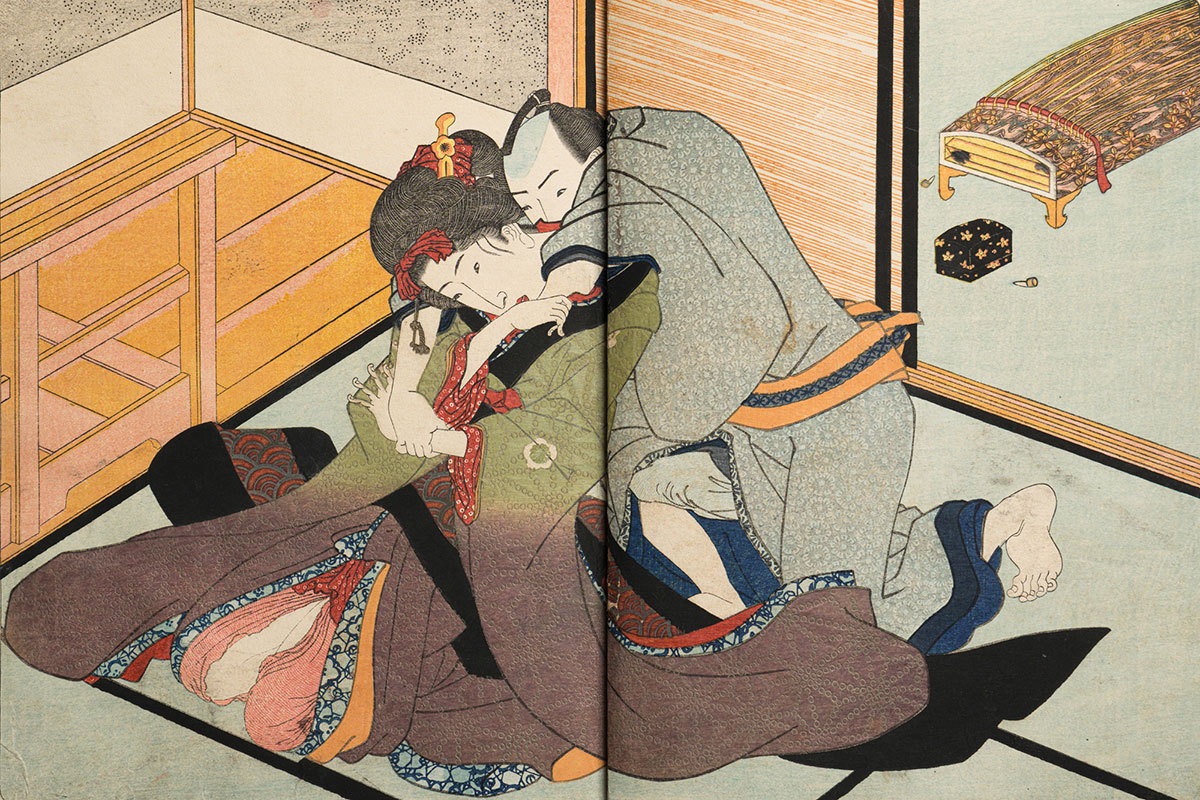
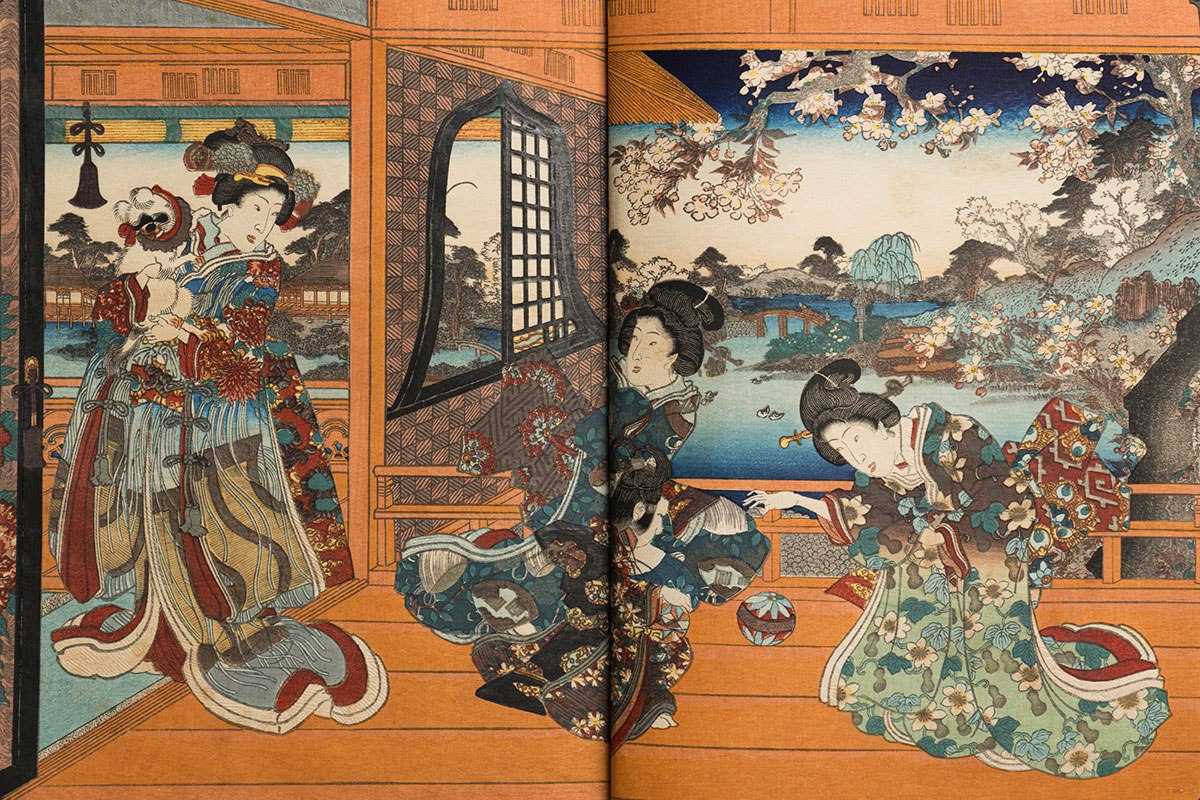
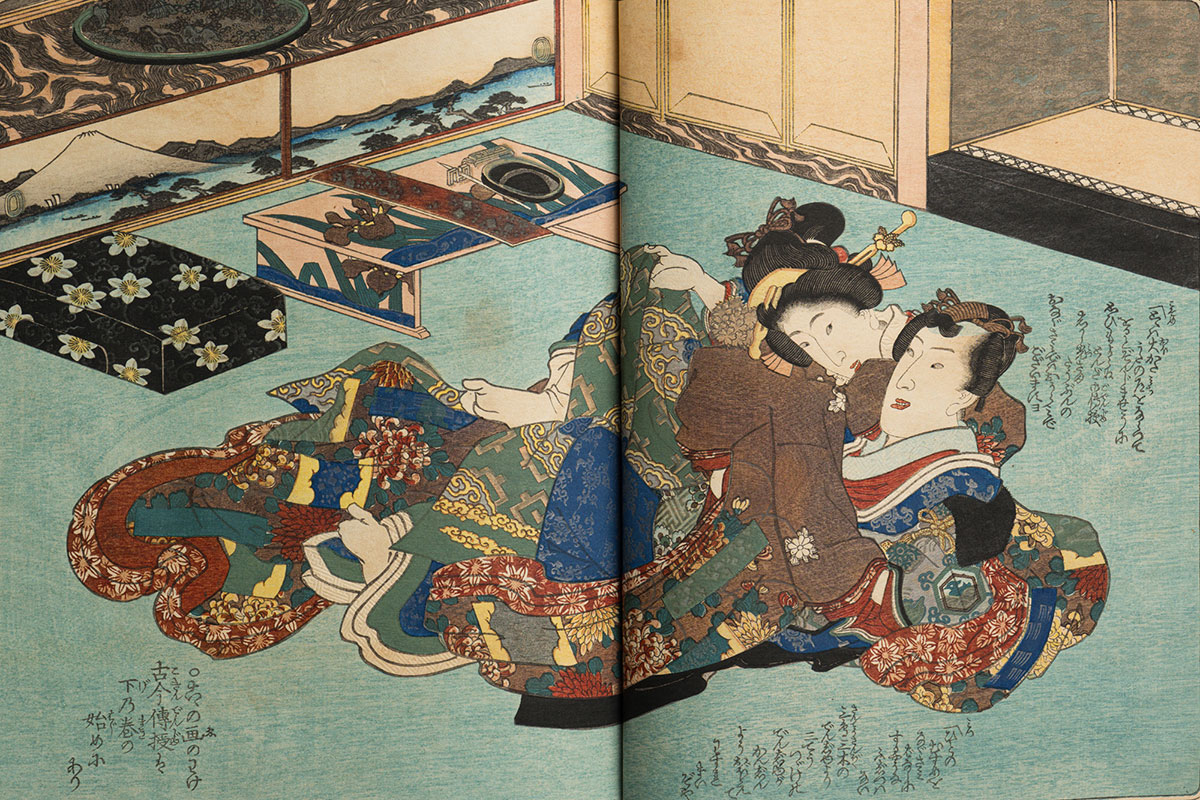
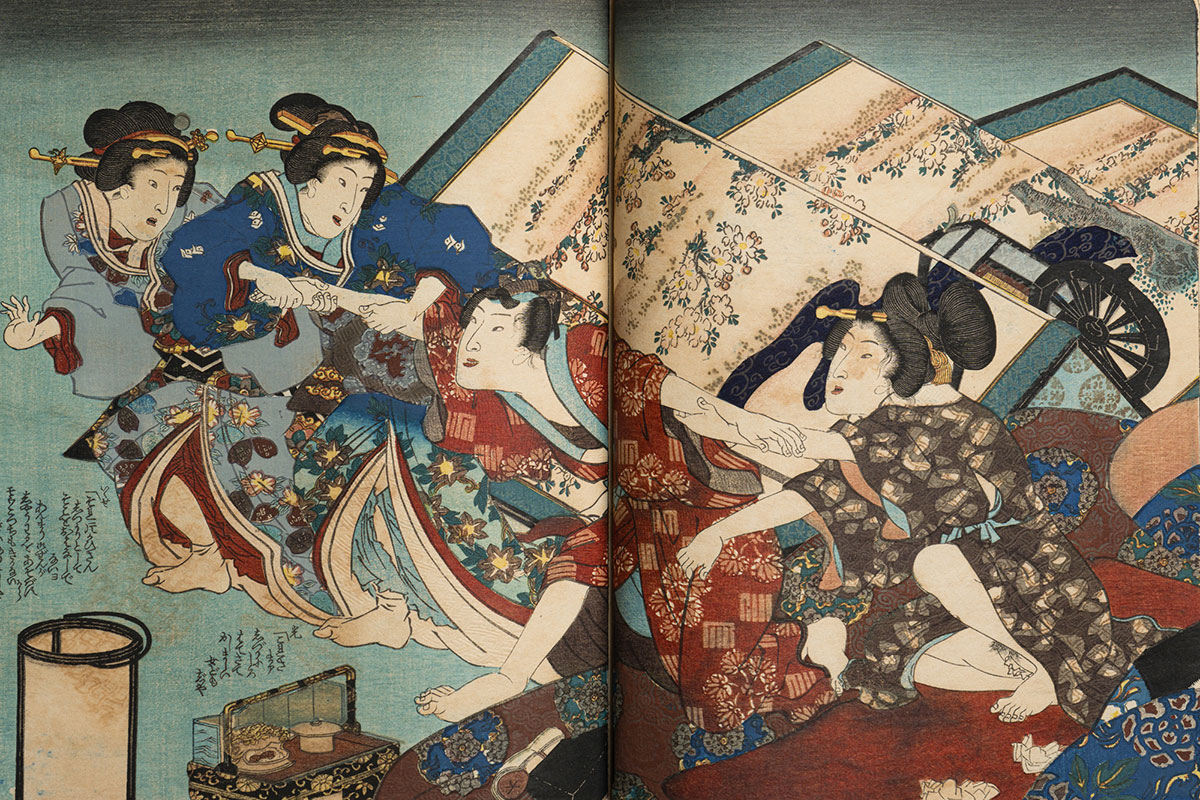
To fully appreciate the scope of "WA," one must understand the historical trajectory of shunga ("spring pictures"), a genre of Japanese art that flourished during the Edo period (1603–1867). Far from being marginalized as mere pornography, shunga was produced by some of the most celebrated ukiyo-artists of the era, enjoying widespread popularity across all strata of Japanese society—from merchants and samurai to courtesans and intellectuals.
[1603–1867: Edo Period] ──> [2026: Smappa!Group Initiative] ──> [Future Outlook]
• Rise of Ukiyo-e & Shunga      • Launch of "WA" Exhibition      • Redefining Public Discourse
• High Art across all classes   • Curated by Chim↑Pom            • Normalizing Intimacy & Art
The Golden Age of Ukiyo-e Erotica
During the Edo period, peace and economic prosperity under the Tokugawa shogunate fostered a vibrant urban culture known as ukiyo ("the floating world"). Within this hedonistic milieu, shunga emerged as a sophisticated artistic medium characterized by vibrant colors, exquisite line work, and often witty narrative subtexts.
Kitagawa Utamaro (1753–1806): Renowned for his exquisite depictions of women (biji-ga), Utamaro’s shunga works captured the psychological nuances of female desire with unprecedented sensitivity.
Katsushika Hokusai (1760–1849): Best known globally for The Great Wave off Kanagawa, Hokusai also contributed masterworks to the shunga genre, blending naturalistic precision with unbridled imagination, most famously in works like The Dream of the Fisherman’s Wife.
Despite occasional government edicts and sumptuary laws aimed at moral policing, the production and consumption of shunga remained largely resilient throughout the Edo period. It was viewed not merely as titillation, but as a celebratory facet of human vitality, humor, and artistic virtuosity.
Bringing the Past into the Present: The Kabukicho Context
Fast-forward to October 2026, and the ethos of the floating world has found a new physical home in Shinjuku’s Kabukicho district. Smappa!Group—an organization deeply entrenched in the nightlife and cultural fabric of Shinjuku—has transformed standard perceptions of adult entertainment venues by injecting high-level artistic discourse directly into the district’s veins.
The exhibition space, located discreetly yet accessibly within Kabukicho, serves as a physical and ideological bridge. Visitors stepping off the neon-lit streets are immediately enveloped in an atmosphere where past and present converse. The juxtaposition is striking: the delicate, expressive linework of centuries-old woodblock prints hangs against the backdrop of modern Kabukicho, a district perpetually navigating the delicate balance between vice, commerce, and human connection.
Supporting Context & Metrics: Navigating Censorship and Modern Sensibilities
The realization of the "WA" exhibition required navigating a complex labyrinth of legal, social, and logistical hurdles. In contemporary Japan, depictions of explicit genitalia remain subject to strict censorship laws under Article 175 of the Penal Code. Consequently, exhibiting historical shunga requires meticulous curatorial precision, legal compliance, and educational framing.
Curatorial Strategy and Public Engagement
Smappa!Group and Chim↑Pom have approached this challenge not by hiding behind opaque legal compliance, but by turning the exhibition into an open dialogue about censorship, bodily freedom, and artistic expression.
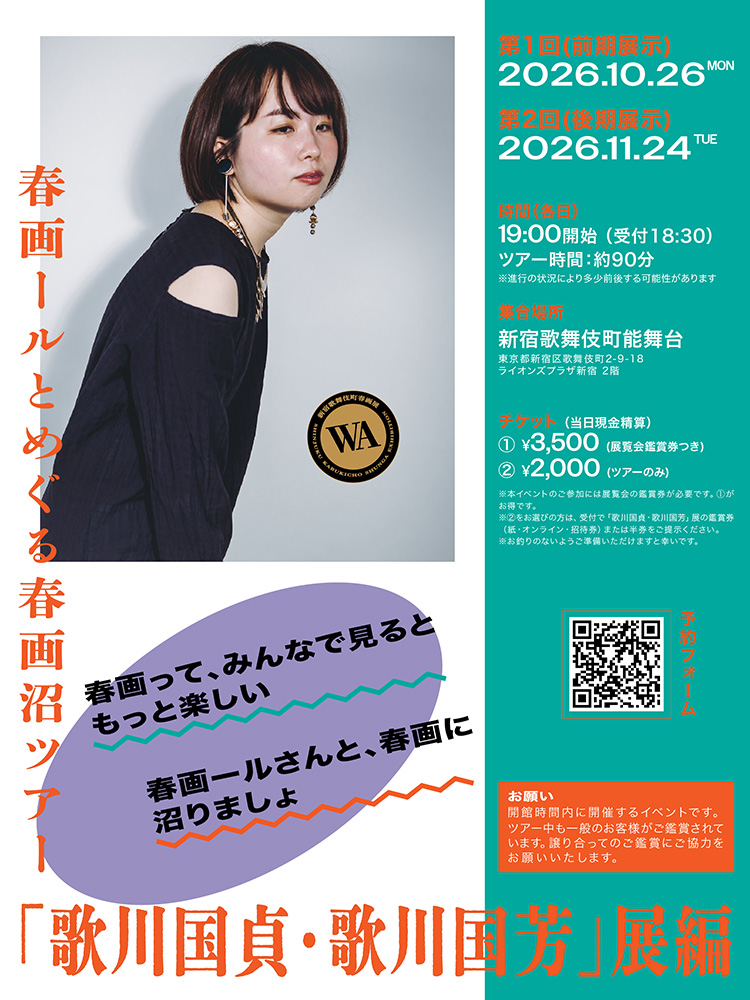
Educational Framework: Docents and specialized guides are stationed throughout the venue to contextualize the historical works, ensuring visitors understand the cultural, political, and economic conditions that birthed them.
Demographic Reach: Early attendance metrics indicate a remarkably diverse demographic. Unlike traditional art exhibitions skewed toward older demographics, "WA" has successfully drawn a significant proportion of visitors in their late teens to their 30s—a generation increasingly vocal about gender politics, personal autonomy, and artistic freedom.
Integration with Local Infrastructure: The exhibition works in tandem with local institutions, including the Kabukicho Information Center, serving as a cultural anchor that encourages tourists and locals alike to engage with the district beyond its conventional nightlife offerings.
Strict Age Verification and Safety Protocols
Given the explicit nature of the artwork, strict regulatory measures have been implemented:
Age Restriction: Admission is strictly limited to individuals aged 18 and older. Valid government-issued photo identification is rigorously checked at the entrance.
Respectful Environment: Comprehensive security and support staff ensure a safe, respectful environment for all patrons, mitigating potential disruptions while maintaining an open, uninhibited viewing experience.
Official Statements and Curatorial Vision
The curatorial hand of Chim↑Pom from Smappa!Group is evident in every corner of the exhibition. Known for their provocative, socially engaged contemporary art practices, the collective viewed the invitation to curate "WA" as an urgent opportunity to challenge contemporary taboos.
"We live in an era where digital spaces are increasingly sanitized, and expressions of physical intimacy are routinely flagged, censored, or moralized," notes a representative from Chim↑Pom. "By bringing these Edo-period masterpieces into the heart of Kabukicho, we are not simply displaying historical artifacts; we are holding up a mirror to contemporary society. Shunga reminds us that human desire, humor, and vulnerability are timeless. Through ‘WA’, we aim to reclaim the body and its pleasures from the shadows of modern prudishness."
Smappa!Group leadership has echoed these sentiments, emphasizing that the corporate mission extends beyond standard commercial nightlife ventures into active cultural stewardship. By funding and organizing "WA," the group seeks to elevate the cultural discourse of Shinjuku, positioning Kabukicho not just as a nightlife entertainment district, but as a crucible for avant-garde thought and historical reclamation.
Future Outlook: Redefining Cultural Tourism in Shinjuku
As the "WA" exhibition continues its run through the autumn season, its long-term implications for Shinjuku and Japan’s broader cultural landscape are already coming into focus.
Destigmatizing Adult Culture: By framing erotic woodblock prints within a legitimate art-historical and contemporary fine art context, "WA" paves the way for more nuanced public conversations about sexuality, art, and censorship in Japan.
Revitalizing Urban Tourism: The exhibition serves as a blueprint for how entertainment districts can integrate high culture to attract a sophisticated, intellectually curious global audience. It challenges international visitors to look past superficial stereotypes of Kabukicho and engage with its rich layers of history and subculture.
A Continuing Legacy: Given the overwhelming initial success and media attention surrounding "WA," Smappa!Group has hinted at future cultural programming that will continue to explore the intersections of historical Japanese art, contemporary subcultures, and urban sociology.
In an age where cultural spaces are often homogenized for mass consumption, "WA" stands as a defiant, beautiful testament to the power of art to provoke, educate, and liberate. For anyone willing to look beneath the neon surface of Kabukicho, the floating world is more alive than ever.
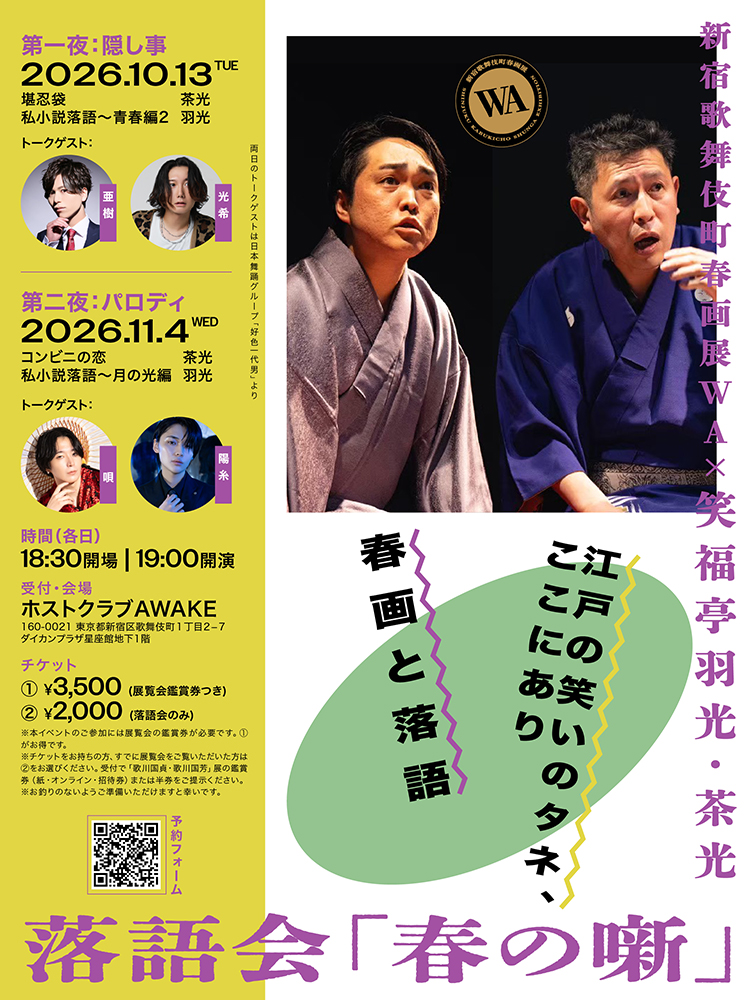
For further details on ticket reservations, exhibition hours, and special events, visitors can access the official Smappa!Group Shunga Exhibition Portal.







Belum ada komentar. Jadilah yang pertama berkomentar!