

Executive Overview
The video-sharing giant YouTube has found itself at a historic crossroads. In a comprehensive yearly address directed squarely at its global community of content creators, platform leadership pulled back the curtain on a transformative 2018—a year defined by explosive commercial growth juxtaposed with public relations crises and steep institutional learning curves.
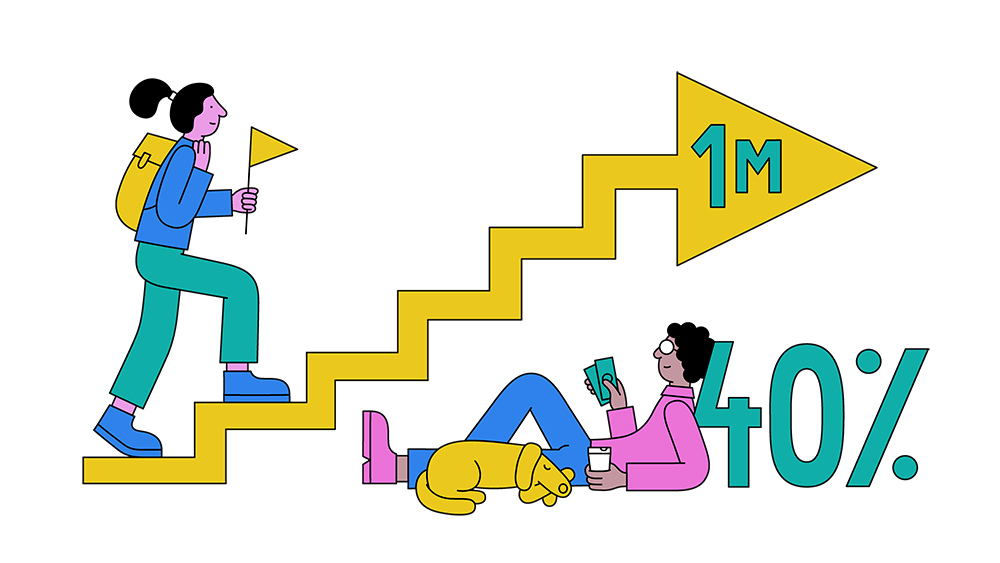
While the platform celebrated monumental milestones, such as a near-doubling of channels crossing the coveted one-million-subscriber threshold and a greater than 40% surge in creators earning five- and six-figure incomes, the company faced harsh realities. Most notably, the 2018 "YouTube Rewind" compilation cemented its legacy as the most disliked video in internet history—a glaring symptom of a widening disconnect between corporate summaries and the lived experiences of digital creators.
Looking ahead, platform executives have laid out a strict, three-pronged strategic vision for 2019:
- Doubling down on creator and artist financial success,
- Radically improving communication channels and engagement models, and
- Aggressively stepping up corporate responsibility regarding content moderation, misinformation, and digital well-being.
This comprehensive report breaks down the multifaceted challenges YouTube faced, the macroeconomic realities of the emerging creator economy, and the policy shifts that will dictate the future of digital media production.
Detailed Chronology: The Growing Pains of 2018
To understand where YouTube is heading in 2019, one must examine the turbulent landscape of the previous twelve months. The year 2018 was characterized by an unprecedented dichotomy: explosive financial gains for top-tier creators running parallel to intense scrutiny over content safety, platform manipulation, and brand alienation.
The Adpocalypse Recovery and Brand Safety
The year began under the heavy cloud of the "Adpocalypse"—a period where many major global advertisers paused their spending on YouTube following revelations that their brand advertisements were appearing alongside extremist, hateful, or inappropriate content. For months, creators experienced sudden and often unexplained demonetization, driving widespread financial anxiety across the community.
In response, YouTube mobilized engineering and policy teams to overhaul its machine learning classifiers. The company worked tirelessly to rebuild trust with enterprise brands, introducing safer ad placements and more transparent content guidelines. By late 2018, the majority of major advertisers had returned, and YouTube reported a 40% increase in the accuracy of its automated monetization icons. Furthermore, the platform introduced a streamlined human review and appeal process for creators wrongfully flagged by automated systems, though acknowledges that achieving absolute precision remains an ongoing technical battle.
The Backlash Over YouTube Rewind 2018
Perhaps the most visceral wake-up call for the platform’s executive team came in December 2018 with the release of YouTube Rewind 2018: Everyone Controls Rewind. Designed as an annual celebration of internet culture, the video was heavily criticized by both viewers and creators for ignoring platform legends, downplaying major community milestones, and focusing instead on corporate-friendly tropes and mainstream influencers.
The resulting backlash shattered records, making it the most disliked video on the entire internet. Platform executives openly conceded that the video felt "cringey" and failed to accurately reflect the true pulse of the YouTube community. The misstep served as a catalyst for a promise: executive leadership pledged to tell a more authentic story of digital culture in the subsequent annual reviews.
Battling Misinformation and Policy Enforcement
Beyond monetization and culture, 2018 forced YouTube to confront its societal footprint. As more users began utilizing the platform as their primary news source, bad actors capitalized on breaking news cycles to spread conspiracies and disinformation.
In a pivot toward responsible growth, YouTube introduced structural product interventions. These included informational cards appended to conspiracy-heavy videos and breaking news shelves powered exclusively by authoritative, mainstream journalistic sources. Additionally, the company enforced stringent penalties on creators whose off-platform actions or malicious content jeopardized the collective trust built between users, creators, and advertisers.
Supporting Context & Metrics: The Maturation of the Creator Economy
Despite regulatory and cultural hurdles, the foundational economics of the YouTube ecosystem proved remarkably resilient. The platform has successfully transitioned from a hobbyist video-sharing site into a robust, global creator economy capable of driving tangible macroeconomic value.
Financial Diversification and Expansion
Recognizing that reliance on advertising alone leaves creators vulnerable to market fluctuations, YouTube aggressively expanded its alternative revenue streams throughout 2018.
- Subscriptions: YouTube Music and YouTube Premium were rolled out aggressively, expanding from just 5 launch countries at the start of 2018 to 29 countries by year’s end.
- Fan Funding & Merchandise: Features such as Super Chat, Channel Memberships, and integrated Merchandise shelves were expanded globally. The subscriber threshold required for creators to unlock Channel Memberships was slashed from 100,000 down to 30,000, opening up recurring monthly revenue streams to a wider tier of mid-sized creators. Merch shelf access was similarly opened to all eligible global creators.
The Global Economic Footprint and Article 13
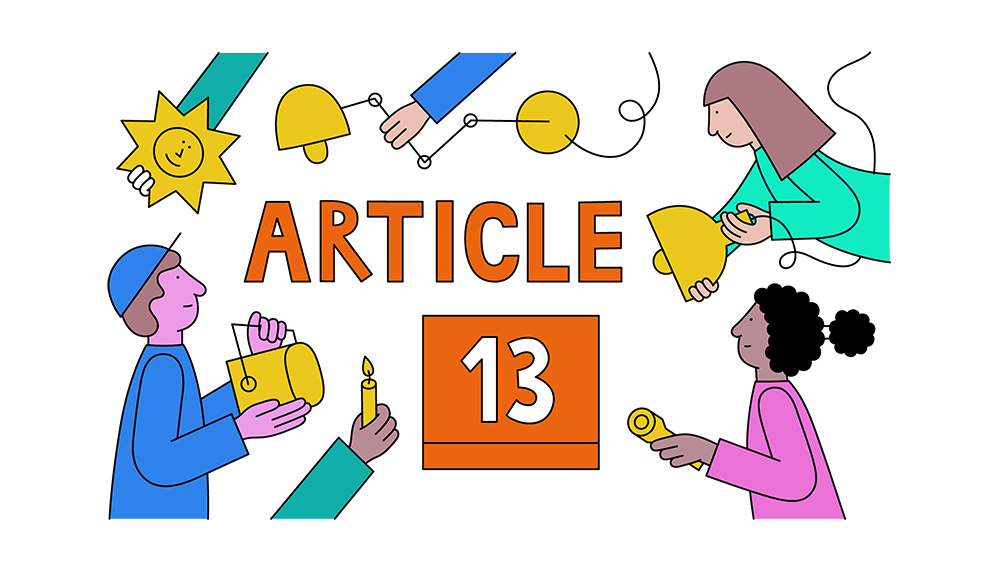
The economic gravity of the creator class became a central talking point in geopolitical debates, most notably surrounding the European Union’s controversial Directive on Copyright in the Digital Single Market, commonly known as Article 13.
YouTube creators across Europe launched an unprecedented advocacy campaign, utilizing videos, op-eds, and social media to warn policymakers of the unintended censorship machinery the directive could unleash. A historic 4.6 million European citizens signed a Change.org petition, while hundreds of millions viewed protest-related content.
Platform leadership actively lobbied legislators in Strasbourg, highlighting hard economic data. For instance, in France alone, over 190 channels surpassed the one-million-subscriber mark, with total EU channels hitting that milestone growing by 70% year-over-year. The fight over Article 13 underscored a critical institutional realization: traditional lawmakers frequently underestimate the scale and economic viability of the modern digital creator workforce.
Official Statements & Strategic Priorities for 2019
Armed with the data and lessons of the past year, YouTube executives have established three uncompromising pillars to guide operational development throughout 2019.
1. Supporting Creator and Artist Success
Monetization remains the absolute lifeblood of the platform. Building on the algorithmic classifier upgrades achieved in 2018, YouTube has promised to refine decision-making algorithms further to reduce false-positive demonetization. The overarching goal is clear: provide a stable, predictable, and lucrative environment where digital entrepreneurs can build sustainable media companies.
2. Improving Communication and Engagement
Communication gaps have historically strained relations between YouTube management and the creator base. To bridge this divide, the platform is rolling out YouTube Studio as the definitive, centralized dashboard for all creators. Packed with features like "Known Issues" widgets, real-time news alerts, and granular metrics such as thumbnail click-through rates, the new home base aims to eliminate guesswork.
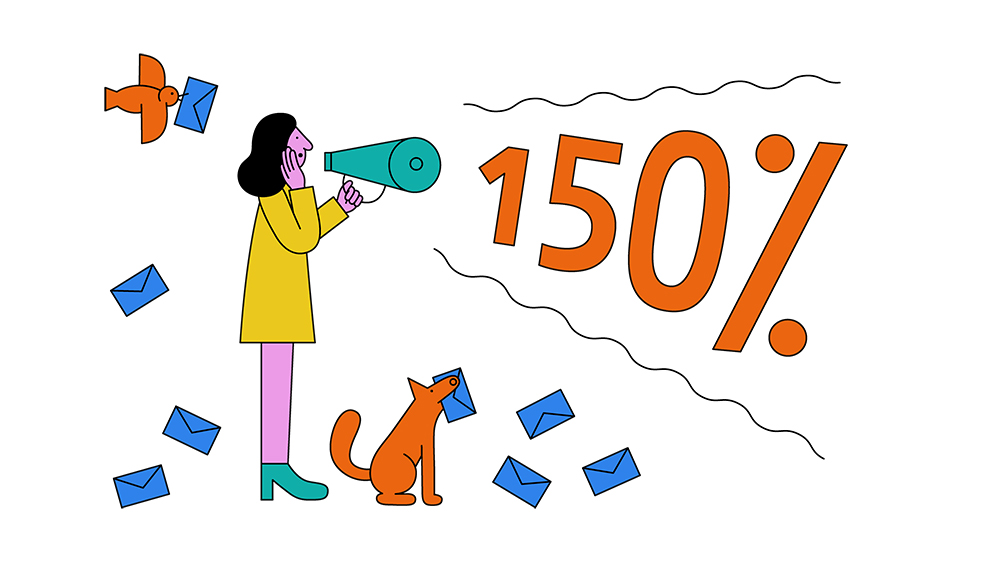
Furthermore, YouTube has operationalized its community outreach. Social media response rates were increased by 150% in 2018, with response times slashed by 50%. In-person engagement also surged, with the company hosting over 480 events connecting with more than 18,000 creators through Fanfests, workshops, and Creator Summits.
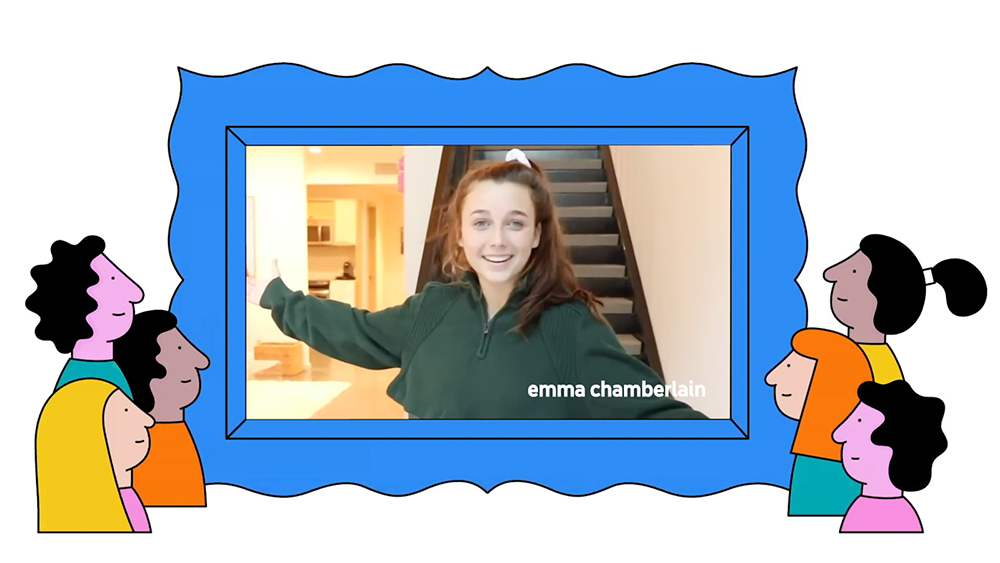
On the viewer engagement front, new interactive formats like Premieres have transformed passive viewing into shared community events. Artists and creators alike—from pop superstar Ariana Grande (whose "thank u, next" premiere drew a staggering 829,000 concurrent viewers) to digital stars like Lele Pons and Emma Chamberlain—demonstrated the massive potential of real-time community participation. Community posts and Stories were also democratized, pushing down access barriers to encourage tighter creator-viewer loops.
3. Living up to Corporate Responsibility
As YouTube integrates deeper into the fabric of global society, corporate accountability has taken center stage. This priority manifests across three vital sectors:
- Journalism and News: Through the Google News Initiative YouTube Innovation Funding program, the platform awarded grants to 87 media organizations to help them scale and modernize their video production capabilities. Breaking news and authoritative source shelves were expanded to 31 countries.
- Policy Clarity: In response to creator frustrations regarding ambiguous rule enforcement, YouTube launched targeted updates clarifying policies surrounding custom thumbnails, external links, pranks, and dangerous challenges. Educational channels like Creator Insider were deployed to explain complex moderation topics, such as the handling of profanity.
- Philanthropy and Education: Programs like YouTube Giving and the inaugural
#YouTubeGiving Weeksaw over 40 creators collaborate to raise funds for eight distinct charities. Concurrently, the platform invested heavily in the burgeoning "EduTubers" ecosystem, establishing a dedicated Learning Fund to award grants to 65 educational creators tasked with developing multi-session, structured learning curricula.
Future Outlook: Challenges and Opportunities on the Horizon
As YouTube strides further into 2019, the path forward is as daunting as it is promising. The platform is no longer merely a repository for user-generated cat videos; it is a primary global news source, an economic engine supporting hundreds of thousands of independent businesses, and a cultural town square.
The challenges ahead are formidable. Balancing the absolute necessity of free expression with the heavy moral and legal obligation to suppress hate speech, misinformation, and radicalization requires surgical precision. Regulatory battles in Europe and abroad will continue to test the legal frameworks of user-generated content hosting. Meanwhile, managing creator expectations around algorithmic transparency and fair compensation will remain a perpetual balancing act.
Yet, the fundamental strength of YouTube lies in its community. The resilience of its creators, the voracious appetite of its billions of viewers, and the willingness of platform leadership to openly confront past missteps—such as the debacle of Rewind 2018—signal a maturing ecosystem. If YouTube can successfully execute its 2019 roadmap, balancing institutional responsibility with unbounded creative freedom, the platform will cement its status not just as a dominant media titan, but as a enduring pillar of the modern digital age.






Belum ada komentar. Jadilah yang pertama berkomentar!