

Executive Overview
Japan’s tourism boom has long been heralded as an economic triumph, revitalizing regional economies and injecting billions of yen into local businesses. However, as the boundaries between sacred stewardship and commercial enterprise continue to blur, a deeply unsettling contradiction has emerged at the heart of the country’s most revered spiritual sanctuaries.
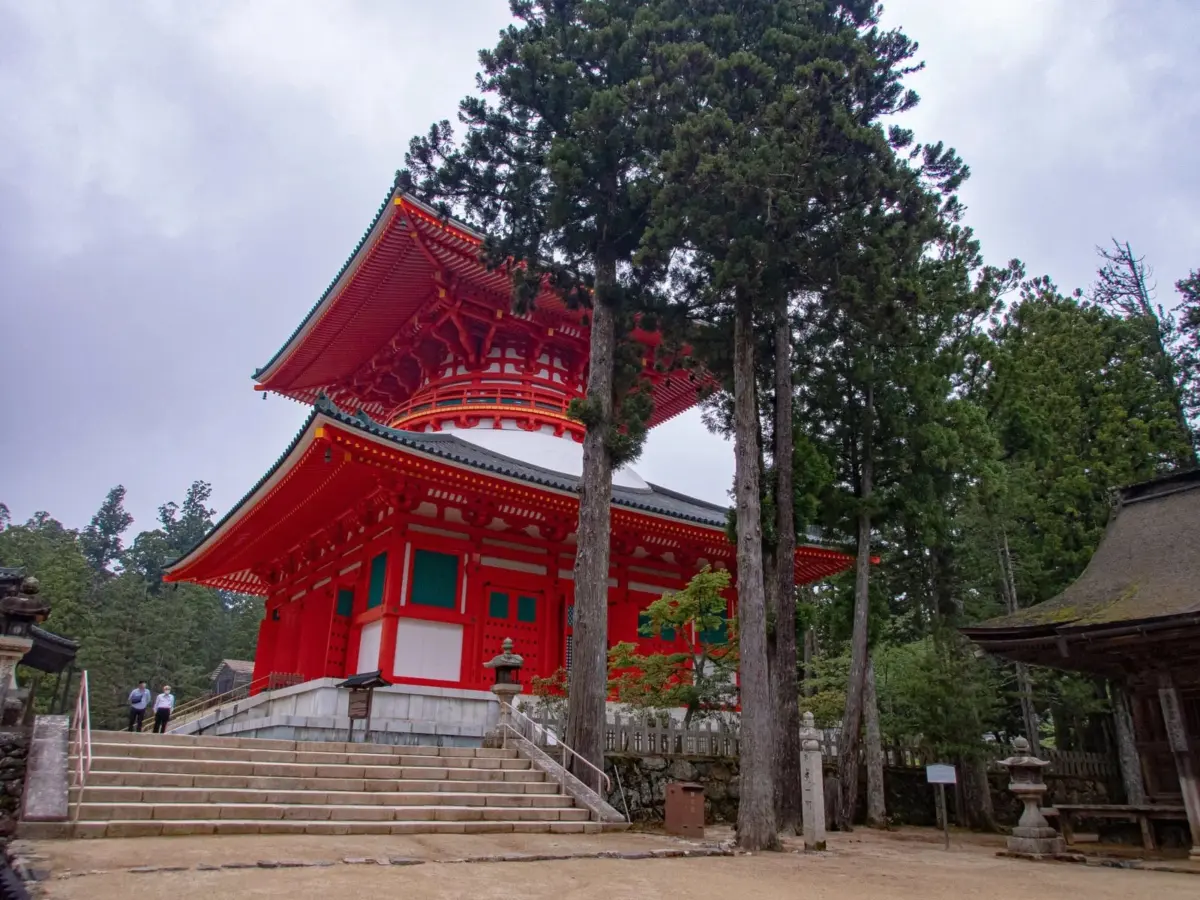
Mount Koya (Koyasan), nestled deep within the misty, cedar-clad mountains of Wakayama Prefecture, stands at the epicentre of this cultural and financial reckoning. A UNESCO World Heritage site and the sacred headquarters of Shingon Buddhism, the mountain has drawn pilgrims and spiritual seekers for over a millennium. In recent years, however, it has also become a premier destination for international travelers eager to experience shukubo—traditional temple lodgings offering vegetarian cuisine (shojin ryori), morning prayer services, meditation, and sutra copying.
This collision of ancient monastic tradition and modern global tourism hit a critical breaking point when the Osaka Regional Taxation Bureau revealed the results of a sweeping tax audit. Investigators found that multiple religious corporations operating shukubo on Mount Koya had collectively underreported more than 100 million yen (approximately $650,000 USD) in taxable income over a multi-year period. The scandal has triggered widespread public debate, raising urgent questions about financial transparency, the morality of profiting from sacred spaces, and whether institutions protected by religious tax exemptions are crossing the line into aggressive, profit-driven enterprise.
Detailed Chronology: The Investigation and Financial Misconduct
The unfolding controversy began making national headlines on September 10, when investigative reports from major Japanese publications, including the Yomiuri Shimbun and Sankei Shimbun, detailed the findings of an intensive probe by the Osaka Regional Taxation Bureau.
The Audit and Findings
Tax authorities launched targeted investigations into more than ten religious corporations operating traditional lodging facilities on Mount Koya. The results were startling: more than half of the audited temple organizations were found to have failed to properly declare income derived from their accommodation operations.
Under Japanese tax law, the legal distinction regarding religious institutions is clear:
- Tax-Exempt Revenue: Income directly tied to core religious activities—such as donations, offerings (o-fusei), and the sale of protective amulets or talismans—is exempt from taxation.
- Taxable Business Revenue: Income generated through commercial enterprises, including running lodging facilities, gift shops, or restaurants, is classified as profit-making business revenue (shueigyo) and is subject to standard corporate taxation.
Despite this legal clarity, several temples failed to properly separate their sacred donations from their lucrative hospitality revenues.
The Case of Sojiin Temple
The most egregious violation centered on Sojiin, a prominent temple on the mountain. Over a three-year period, tax authorities discovered that approximately 90 million yen of the temple’s lodging income had been funneled away from proper accounting channels.
Investigators revealed that the family of the chief priest used this underreported revenue to cover personal, non-religious living expenses. Because these funds were effectively diverted as undeclared personal remuneration rather than reinvested into the upkeep of the temple or reported as taxable corporate income, the religious corporation was slapped with roughly 40 million yen in combined back taxes and heavy administrative penalties.
The revelation sent shockwaves through the local monastic community and ignited fierce public criticism across Japan, where traditional expectations of asceticism and selflessness still heavily influence public perception of religious leaders.
Supporting Context & Metrics: The Modernization and Commodification of Mount Koya
To understand how temple lodgings transitioned from humble pilgrim outposts to high-end boutique retreats, one must examine the dramatic socioeconomic shifts reshaping Japan’s tourism sector.
The Scale of Mount Koya’s Hospitality Industry
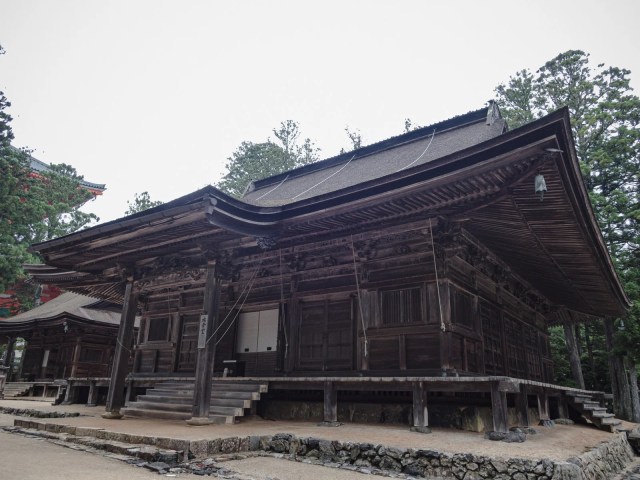
Mount Koya is an architectural and spiritual marvel, boasting 117 temples scattered across its sacred plateau. Of these, 51 temples actively operate shukubo.
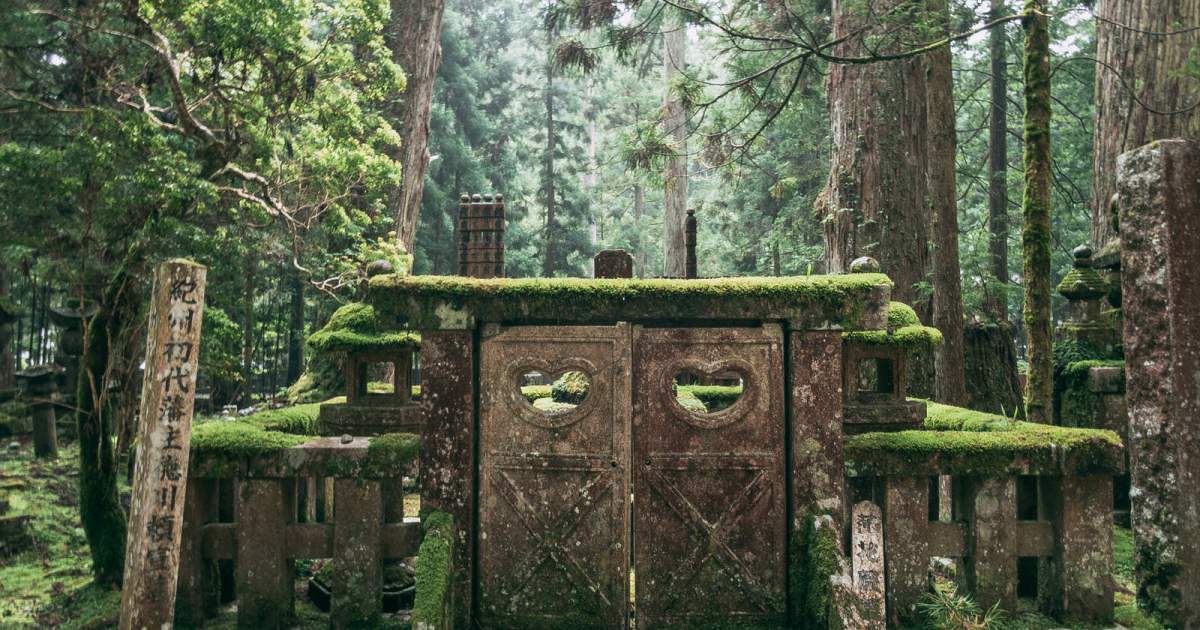
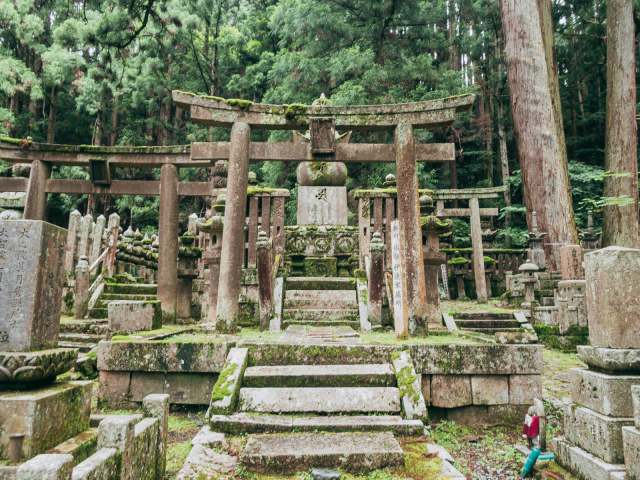
The post-pandemic tourism surge has supercharged demand. In 2025 alone, approximately 117,500 foreign guests stayed overnight on the mountain—representing a robust 10-percent year-on-year increase. International tourists, drawn by travel guidebooks and social media content showcasing the serene, misty graveyards and ancient wooden halls, view a night at a shukubo as an unmissable bucket-list experience.
From Humble Pilgrimage to Luxury Ryokan Experience
The financial evolution of these lodgings over the decades is staggering:
- Four Decades Ago: According to the Koyasan Shukubo Association, a standard one-night stay complete with two vegetarian meals cost approximately 7,000 yen per person in the mid-1980s.
- Pre-Pandemic Era: As recently as four years ago, many temple rooms were still reasonably priced, commanding rates of 20,000 to 30,000 yen per person.
- The Modern Era: Today, fueled by soaring demand and a depreciating Japanese yen that makes luxury travel exceptionally affordable for Western and Asian tourists alike, prices have skyrocketed. Some prime rooms on Mount Koya now cost more than 150,000 yen (approx. $1,000 USD) for two adults per night.
This price explosion has been heavily accelerated by government post-pandemic tourism subsidies, which allowed several temples to upgrade their aging facilities. Wi-Fi installations, modern heated flooring, spa-like bathing facilities, and meticulously redesigned traditional gardens have transformed some shukubo into properties that bear a closer resemblance to high-end, exclusive ryokan (traditional Japanese inns) than the austere monastic quarters once used by wandering monks.
Official Statements and Stakeholder Perspectives
The tax scandal has forced a reluctant dialogue among monastic leaders, local tourism associations, and everyday citizens regarding the commercial trajectory of Japan’s sacred landmarks.
The Monastic Dilemma: Maintenance vs. Commercialization
Defenders of the temple accommodations argue that running a hospitality business within a centuries-old wooden complex is an extraordinarily capital-intensive endeavor. Monasteries require constant, highly specialized maintenance to preserve historical architecture, pay administrative and kitchen staff, source high-end local ingredients for shojin ryori, and manage utility costs for sprawling grounds.
From the perspective of temple administrators, charging market rates is not an act of greed, but a pragmatic necessity required to ensure financial survival and fund the preservation of cultural heritage for future generations. Furthermore, supporters note that temples operating businesses are simply responding to a shifting tourist demographic—visitors who arrive with higher expectations for comfort and are explicitly willing to pay top dollar for an exclusive, curated cultural experience.
Public Backlash and Consumer Skepticism
Despite these operational justifications, the public response has been deeply critical. Domestic travelers and cultural purists have voiced profound discomfort over the shifting ethos of Japan’s religious institutions.
Common refrains echoing across Japanese media and social platforms include:
- "Are temples supposed to be profit-seeking corporate entities?"
- "When a night costs over 150,000 yen, the spiritual atmosphere is overshadowed by luxury consumerism."
Critics point out that while commercialization may keep the temple coffers full, it risks alienating domestic pilgrims and eroding the spiritual authenticity that made Mount Koya a sacred destination in the first place. When religious institutions begin behaving like luxury hotel chains—while simultaneously enjoying tax-advantaged statuses originally designed to protect spiritual sanctuaries—the social contract between the temple and the public is strained.
Future Outlook: Accountability, Transparency, and the Road Ahead
The tax evasion scandal at Sojiin and the broader audit of Mount Koya’s shukubo operators serve as a wake-up call for religious organizations across Japan. As the country continues to navigate an unprecedented influx of international tourism, structural and operational reforms will be critical to maintaining public trust.
1. Enhanced Financial Transparency
Religious corporations can no longer treat commercial revenues with casual accounting practices. Tax authorities have signaled that oversight over businesses run by religious entities—such as accommodations, parking lots, and rental properties—will remain aggressive. Temples engaging in commercial hospitality must implement rigorous corporate governance, separating sacred tithes and offerings from hospitality revenues to ensure absolute compliance with national tax laws.
2. Redefining the Balance of Heritage and Hospitality
Monastic leaders face the delicate task of self-regulation. To stave off further regulatory crackdowns and public backlash, temple associations on Mount Koya must establish ethical pricing guidelines and reinvestment transparency reports. Demonstrating clearly that tourism revenues are being channeled directly into architectural preservation, community welfare, and religious training—rather than inflated personal lifestyles—will be vital in restoring moral authority.
3. Managing Overtourism and Cultural Integrity
Ultimately, Mount Koya represents a fragile intersection of faith, history, and global commerce. As the weak yen continues to fuel foreign spending, the challenge for religious authorities is to ensure that the pursuit of tourism revenue does not fundamentally cannibalize the spiritual soul of the mountain. Without proactive reform, the very sanctuary that draws travelers to its misty peaks risks losing the sacred essence that makes it irreplaceable.








Belum ada komentar. Jadilah yang pertama berkomentar!