

Executive Overview
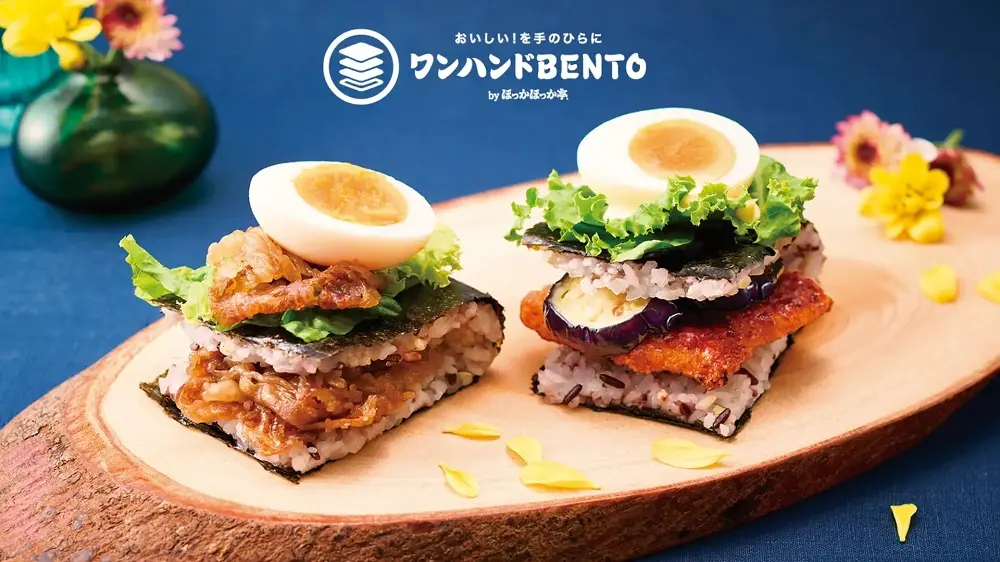
In the fast-paced, highly competitive landscape of Japanese convenience dining, clever marketing often walks a fine line between culinary genius and linguistic absurdity. Nowhere is this more apparent than in the latest offerings from One-hand Bento by Hokkahokka-tei, a bold, contemporary spinoff of the venerable national bento chain Hokkahokka-tei. Following a wildly successful run at the Expo 2025 world’s fair in Osaka, the brand established its permanent flagship location inside the bustling Abeno Harukas entertainment complex this past April.
As the calendar turns toward the crisp autumn months, the establishment is introducing its inaugural seasonal line: the One-hand Bento Tsukimi Wagyu and the One-hand Bento Tsukimi Chicken, both priced at an accessible 756 yen (approximately US$4.75). However, these new releases have sparked a delightful debate among food critics and linguistics enthusiasts alike. A closer inspection of the product reveals a fascinating paradox: the items are neither true tsukimi (moon-viewing) dishes, nor are they technically bento (boxed lunches), nor can they realistically be consumed with one hand without creating a culinary catastrophe.
Despite these charming contradictions, the sheer indulgence of the ingredients—ranging from locally sourced Naniwa black wagyu beef to tender teriyaki chicken and grilled eggplant—ensures that these hefty, folded rice creations are destined to conquer the autumn palate. This report explores the origins of the phenomenon, dissects the linguistic ironies of its marketing, examines the cultural significance of tsukimi cuisine in Japan, and evaluates what the future holds for this unconventional dining concept.
Detailed Chronology
From National Chain to World Stage: The Birth of a Concept
Hokkahokka-tei has long been a household name across Japan, supplying millions of busy commuters, students, and families with warm, comforting boxed lunches. However, adapting to modern consumer habits requires constant reinvention. When the global spotlight shone on Osaka for Expo 2025, the brand’s executive team recognized an opportunity to trial a radical new format.
Instead of the traditional compartmentalized plastic box, developers engineered a folded, self-contained edible package: a generous bed of rice, vegetables, and premium meats folded over on itself, designed to bridge the gap between traditional bento culture and ultra-portable street food. The concept, christened the "one-hand bento," resonated deeply with international tourists and domestic fairgoers who demanded high-quality flavors without the encumbrance of sitting down with chopsticks and a multi-compartment tray.
The Permanent Transition to Abeno Harukas
Buoyed by the immense popularity and heavy foot traffic generated during Expo 2025, Hokkahokka-tei made the strategic decision to transition the temporary exhibition booth into a permanent storefront. In April 2026, One-hand Bento by Hokkahokka-tei officially opened its doors inside Abeno Harukas—one of Osaka’s most prominent architectural and commercial landmarks.
Positioned in the heart of the city’s vibrant culinary scene, the shop quickly captured the attention of local office workers and shoppers. As summer transitioned into autumn, the establishment faced its first major seasonal milestone: the annual tsukimi (moon-viewing) marketing window, a period during which fast-food chains and family restaurants across Japan inundate the market with egg-centric menu items.
The Autumn 2026 Tsukimi Launch
Capitalizing on this lucrative seasonal tradition, the brand developed two distinct variations for the autumn menu:
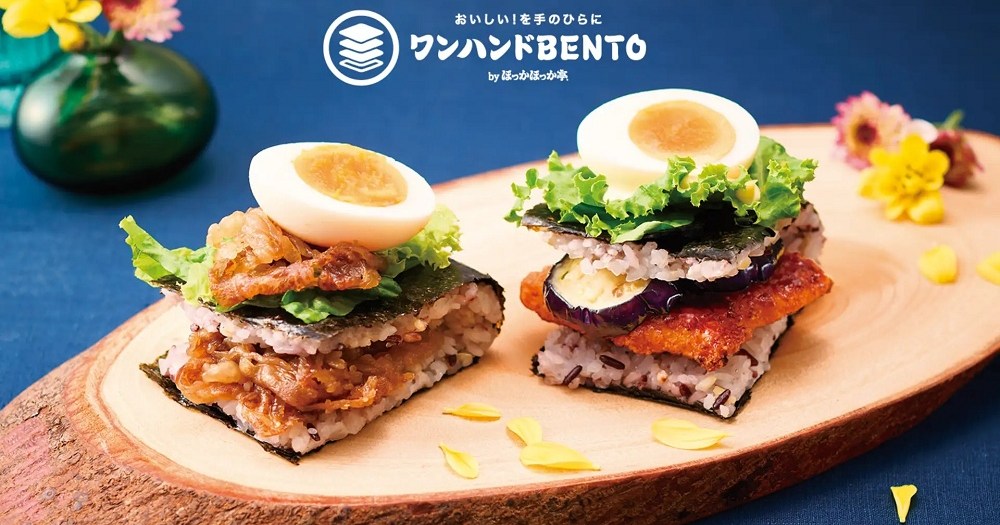
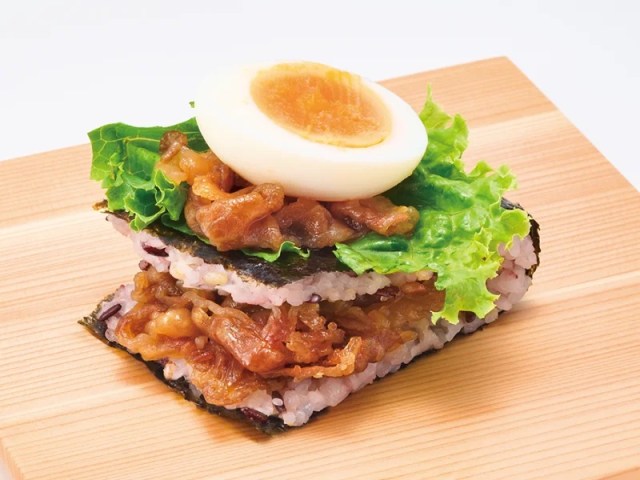
- One-hand Bento Tsukimi Wagyu: Featuring premium Naniwa kurogyu (Osaka Prefecture black wagyu beef) simmered in a rich, sweet-and-savory sukiyaki broth, crowned with half a boiled egg.
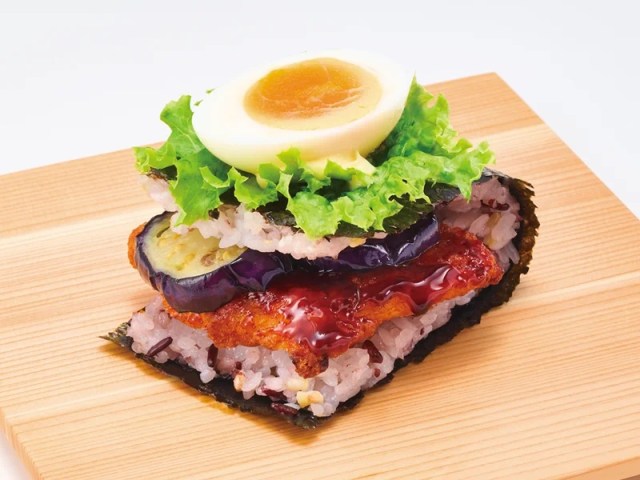
- One-hand Bento Tsukimi Chicken: Showcasing savory teriyaki chicken enhanced with a hint of spicy mayonnaise, paired with sliced grilled eggplant, and similarly topped with half a boiled egg.
While these flavor profiles were engineered to satisfy heartier autumn appetites, their rollout immediately invited scrutiny regarding their nomenclature.
Supporting Context & Metrics
The Cultural Weight of Tsukimi Cuisine
To understand the humor behind the naming controversy, one must examine the culinary tradition of tsukimi. Originating centuries ago during the mid-autumn festival (Chushu no Meigetsu), the practice of moon-viewing in Japan historically involved paying homage to the harvest moon.
Culinarily, tsukimi made its formal debut in the culinary lexicon via noodle dishes, where a raw egg yolk dropped into a steaming bowl of udon or soba served as an edible facsimile of the luminous full moon hanging in the night sky. Over the decades, the concept expanded dramatically across the Japanese fast-food landscape:
- Burgers: Chains like McDonald’s Japan and Wendy’s Japan routinely introduce autumn seasonal burgers utilizing round, fried eggs to mimic the moon.
- Pizzas and Sandwiches: Pizza Hut Japan and Mos Burger have similarly leveraged the aesthetic, utilizing circular soft-boiled or poached eggs in their limited-edition autumn releases.
The core visual requirement for any tsukimi dish has always been roundness—a singular, circular orb that reflects the fullness of the autumn moon. Consequently, placing a half-sliced boiled egg atop a meat-laden rice parcel breaks every unspoken rule of tsukimi iconography, as a crescent or half-moon shape bears little resemblance to the full moon celebrated during harvest rituals.
Deconstructing the "Bento" and "One-Hand" Paradox
Beyond the seasonal naming conventions, the very descriptor One-hand Bento collapses under mild scrutiny:
- Is it a Bento? In Japanese culinary terminology, a bento inherently implies a boxed meal—traditionally presented within a rigid container featuring separate partitions for rice, proteins, and pickled vegetables. While these offerings certainly contain rice and savory accompaniments (much like an onigiri or musubi rice ball), the complete absence of a protective box or wrapping leaves purists questioning the validity of the bento classification. Furthermore, these are exceptionally large rice formations, packed with dense, gourmet fillings far exceeding the modest contents of a standard convenience store rice ball.
- Can it truly be eaten with one hand? The physical dimensions of the item allow it to rest comfortably in the palm of one’s hand. However, the engineering of the product presents a fundamental flaw regarding consumption dynamics. Because the decadent toppings—whether sukiyaki-simmered wagyu or teriyaki chicken, spicy mayo, and eggplant—rest entirely exposed on the exterior summit of the rice mound, attempting to grasp the item with a single hand guarantees a messy disaster. Closing one’s fingers around the parcel results in an immediate, forceful squeeze directly into the toppings, driving fingers straight into rich meat juices or egg yolks.
Dining patrons are thus forced to utilize a two-handed approach: either carefully plucking away the toppings to consume them independently before tackling the rice base, or stabilizing the precarious stack with both hands while nibbling delicately from the top down like a bird.
Pricing and Economic Accessibility
Despite the linguistic gymnastics and structural challenges, the pricing strategy remains highly competitive within the urban Japanese market. Both the Tsukimi Wagyu and Tsukimi Chicken varieties retail for 756 yen (approximately US$4.75). For a meal featuring locally sourced regional beef (Naniwa kurogyu) or high-grade poultry paired with sophisticated vegetables, the price point offers exceptional value, positioning the brand as an accessible luxury for everyday commuters.
Official Statements and Industry Reception
While Hokkahokka-tei corporate representatives have not formally addressed the semantic debates raised by food journalists, promotional materials emphasize the brand’s commitment to delivering hearty, satisfying, and innovative comfort food.
Industry analysts tracking the convenience and takeout sector have noted that whimsical naming conventions and deliberate minor controversies often serve as powerful organic marketing tools. In the social media era, items that invite debate—such as a "one-hand" meal that requires two hands, or a "moon-viewing" dish featuring a half-egg—generate viral engagement far more effectively than conventionally named products.
Food critics across Tokyo and Osaka have echoed this sentiment, universally praising the flavor profiles while playfully mocking the semantics. Reviews highlight that while the items may fail strict dictionary definitions of their titles, the culinary execution more than compensates for any taxonomic confusion.
Future Outlook
As One-hand Bento by Hokkahokka-tei navigates its crucial first autumn season at the Abeno Harukas location, the outlook for the brand remains exceptionally bright. The success of the Expo 2025 trial combined with the strong initial reception of the Tsukimi line suggests that the concept has substantial staying power in Japan’s hyper-competitive food service industry.
Moving forward, industry insiders anticipate several key developments for the brand:
- Seasonal Menu Expansion: Building on the success of the autumn tsukimi rollout, the company is expected to develop winter-exclusive variants, potentially incorporating warming broths, root vegetables, or seasonal seafood into the signature folded-rice format.
- Geographic Scaling: Given the positive brand awareness generated in Osaka, executives are likely evaluating expansion opportunities into other major metropolitan hubs, such as Tokyo, Nagoya, and Fukuoka, targeting high-density commuter transit nodes.
- Packaging Innovations: To resolve the "one-hand" ergonomic dilemma, product developers may introduce specialized, peel-away paper sleeves or structural wrappers that allow consumers to genuinely consume the meal single-handedly without sacrificing the toppings.
Ultimately, while language purists may continue to debate whether a half-egg constitutes a moon and whether an unwrapped rice mountain qualifies as a boxed lunch, the consuming public votes with its appetite. The One-hand Bento proves that when food tastes this extraordinary, rigid definitions simply melt away.



Belum ada komentar. Jadilah yang pertama berkomentar!