

Executive Overview
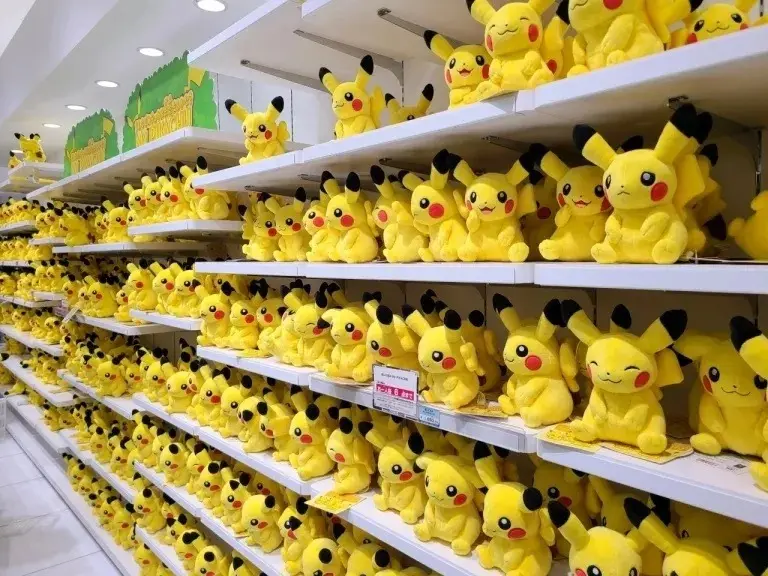
The Pokémon Company has officially announced a watershed moment for its global retail strategy. After decades of undisputed cultural dominance in Japan—where the franchise spans roughly two dozen specialized brick-and-mortar storefronts ranging from compact satellite shops to sprawling multi-floor megastores—the multinational entertainment titan is setting its sights on a historic international milestone. London, United Kingdom, has been selected as the host city for the very first permanent Pokémon retail destination outside of Asia.
While the Pokémon brand has cultivated a massive, devoted audience across Europe and the Americas through video games, trading card games (TCG), animated series, and temporary pop-up installations, this upcoming permanent location marks the beginning of a profound structural shift. Currently, permanent Pokémon specialty stores exist exclusively in Japan, alongside two key Asian international hubs in Taipei, Taiwan, and Singapore. The London project will make the United Kingdom the fourth country globally to house a permanent storefront, signaling a maturation of the brand’s direct-to-consumer physical footprint in the West.
However, eager trainers must exercise patience. According to the official announcement released by The Pokémon Company, the grand opening of the London destination is slated for 2029. The substantial runway between the announcement and the ribbon-cutting ceremony points to a development of significant scale, complexity, and ambition. Industry insiders and brand loyalists alike anticipate that this will not be a modest souvenir shop, but rather an immersive, large-scale retail experience designed to rival the flagship Pokémon Centers of Tokyo, Osaka, and Shibuya.
Furthermore, this London venture is not an isolated experiment. The Pokémon Company has confirmed that it intends to launch "several" additional permanent branches outside of Asia in the coming years, transforming the franchise’s retail strategy into a truly global operation.
Detailed Chronology: The Evolution of Pokémon Retail
To fully appreciate the significance of London’s upcoming permanent store, it is necessary to examine the evolutionary timeline of Pokémon’s physical retail strategy. The journey from localized Japanese novelty shops to international retail behemoths spans nearly three decades.
The Genesis in Japan: From "Pokémon Center" to Cultural Institution
The concept of the Pokémon Center was born out of the explosive, nationwide phenomenon that followed the release of Pokémon Red and Green (released internationally as Red and Blue) in the late 1990s. In 1998, the very first Pokémon Center opened its doors in the Nihonbashi district of Tokyo. Designed as a haven for fans to purchase exclusive merchandise, trade cards, and participate in community events, the store was an instant success.
Over the next twenty-five years, The Pokémon Company refined its retail taxonomy in Japan, eventually categorizing its physical shops into three distinct tiers:
- Pokémon Center Megastores: Massive, experiential retail destinations (such as the famed Pokémon Center Shibuya or Tokyo DX) that feature life-sized statues, interactive digital displays, cafes, and exclusive merchandise lines.
- Pokémon Stores: Moderately sized specialty shops typically located in transit hubs or regional shopping centers, offering a curated selection of popular merchandise.
- Pokémon Center Satellites: Compact, highly efficient kiosks or small-format shops designed for quick stops and high-turnover inventory.
Today, these roughly two dozen locations stretch from the snowy northern expanses of Hokkaido down to the tropical climate of Okinawa, serving as vital cultural touchstones for multiple generations of Japanese fans.
Venturing Beyond Asia: Pop-Ups, Temporary Shops, and Regional Pioneers
For the vast majority of the franchise’s history, international fans outside of Asia were forced to rely on online import stores, third-party resellers, or temporary pop-up shops to acquire authentic, region-exclusive Pokémon Center merchandise.
While international pop-ups—such as temporary Pokémon Centers in London (celebrating the launch of Pokémon Sword and Shield in 2019) and various cities across North America—drew massive crowds and demonstrated undeniable consumer demand, they were fleeting. Fans would line up for hours in the cold, only for the shops to vanish after a few weeks.
The first major cracks in Asia’s retail exclusivity occurred with the establishment of permanent stores in Singapore and Taipei (Taiwan). These locations proved that the operational model of a Pokémon Center could thrive outside of Japan within Asian markets. However, the hurdle of crossing over into Western continents—where licensing, real estate, supply chains, and localized consumer preferences present vastly different regulatory and financial challenges—remained uncrossed until now.

The London Milestone: 2029 and Beyond
The announcement of the London store represents the culmination of years of quiet logistical planning. By planting a permanent flag in the U.K. capital by 2029, The Pokémon Company is signaling that Western markets are ready for dedicated, permanent brick-and-mortar integration. While specific district locations, floor square footage, and architectural designs have yet to be disclosed, the timeline suggests a multi-year development cycle involving large-scale commercial real estate acquisition, localized product manufacturing, and bespoke structural design.
Supporting Context & Metrics: The Scale of the Pokémon Phenomenon
To understand why The Pokémon Company is investing heavily in permanent Western storefronts, one must examine the staggering economic and cultural metrics underpinning the franchise.
A Pop-Cultural Juggernaut
Since its inception by creator Satoshi Tajiri and Game Freak in 1996, Pokémon has steadily grown to become the highest-grossing media franchise of all time, eclipsing historic giants like Mickey Mouse, Star Wars, and Hello Kitty. Cumulative lifetime revenue estimates for the franchise exceed $100 billion, driven by a diversified business model that spans:
- Video Games: Over 480 million software units sold globally across handheld and console generations.
- The Trading Card Game (TCG): Billions of cards printed in dozens of languages, experiencing historic collector booms in recent years.
- Animation & Media: Over 1,000 anime episodes, numerous theatrical films, and streaming dominance.
- Licensed Merchandise: Everything from apparel and stationery to high-end collectibles and ubiquitous plushies.
The Economics of Experiential Retail
In the modern retail landscape, traditional brick-and-mortar stores face immense pressure from e-commerce. However, fan-centric experiential retail—often referred to as "retailtainment"—is thriving. Pokémon Centers in Japan are not merely places to buy products; they are pilgrimage sites. Fans visit to take photos with life-sized Pokémon statues, trade cards with fellow trainers, and purchase region- and anniversary-exclusive items that cannot be found anywhere else in the world.
Bringing this experiential model to London addresses a massive, passionate Western consumer base that has historically had to pay exorbitant shipping fees and import duties or rely on secondary-market scalpers to secure official merchandise. By establishing a permanent European anchor in London, The Pokémon Company can capture direct-to-consumer revenue while deepening emotional brand loyalty.
Official Statements and Strategic Insights
In its official communication regarding the expansion, The Pokémon Company emphasized that the London storefront is designed to be much more than a standard retail outlet.
According to the official announcement published on the Pokémon official website, the London location is envisioned as a premier "Pokémon retail destination" and "the ultimate destination for Pokémon fans and include a variety of exclusive merchandise and one-of-a-kind experiences for Trainers of all ages."
This phrasing is deliberate. By highlighting "one-of-a-kind experiences," corporate leadership is signaling that the London store will incorporate the interactive elements that make Japanese Pokémon Centers legendary. Whether this includes localized mascot appearances, interactive gaming kiosks, trading card play areas, or exclusive London-themed merchandise featuring Pikachu wearing traditional British attire (similar to the bowler-hat and trench-coat designs featured during the 2019 London pop-up), fans can expect a deeply tailored cultural experience.
Furthermore, corporate statements have underscored that London is merely the vanguard. By confirming plans to launch "several" other branches outside of Asia, The Pokémon Company has opened the door to speculation regarding which global cities might follow. Potential candidates in North America (such as New York or Los Angeles) and additional European capitals are likely being evaluated as the company tests the viability and operational logistics of its Western expansion.
Future Outlook: What Lies Ahead for International Trainers
As the global community digests the news of the 2029 opening, several key questions remain for fans, retail analysts, and industry observers:
- Location and Architectural Design: Where within London will the store settle? Premium retail spaces in districts like Soho, Covent Garden, or near major transit hubs are prime candidates for high-traffic tourist and local foot traffic.
- Exclusive Product Lines: How will manufacturing and supply chains be managed to ensure that London exclusives remain desirable without triggering the severe inventory shortages and scalper queues that plagued past pop-up events?
- The Rollout of Subsequent Stores: Which Western cities will be chosen for the "several other branches" promised by corporate leadership? The success or failure of the London flagship will likely serve as the ultimate litmus test for future global brick-and-mortar investments.
Conclusion
The announcement of London’s permanent Pokémon store marks a historic turning point for a franchise that has spent nearly thirty years conquering global pop culture primarily through screens, cards, and imported goods. For European trainers, the wait until 2029 will undoubtedly be filled with anticipation, speculation, and excitement. Yet, as the old adage goes, if there is anyone worth waiting for in the world of entertainment, it is Pikachu and the enduring, joyful community of Pokémon trainers worldwide.






Belum ada komentar. Jadilah yang pertama berkomentar!