

Executive Overview
In a milestone announcement for the global pop-culture phenomenon, The Pokémon Company has officially confirmed that London, United Kingdom, will be the home of its first-ever permanent retail destination outside of Asia. Slated to open its doors in 2029, this ambitious project marks a massive leap forward for the franchise’s international brick-and-mortar retail strategy.
For decades, the physical Pokémon shopping experience has been largely restricted to Japan—where roughly two dozen specialty stores stretch from Hokkaido in the north to Okinawa in the south—with only a few select footholds elsewhere in Asia, specifically in Taipei and Singapore. The upcoming London location will break new geographic ground, establishing the United Kingdom as only the fourth country globally to house a permanent, official Pokémon retail hub.
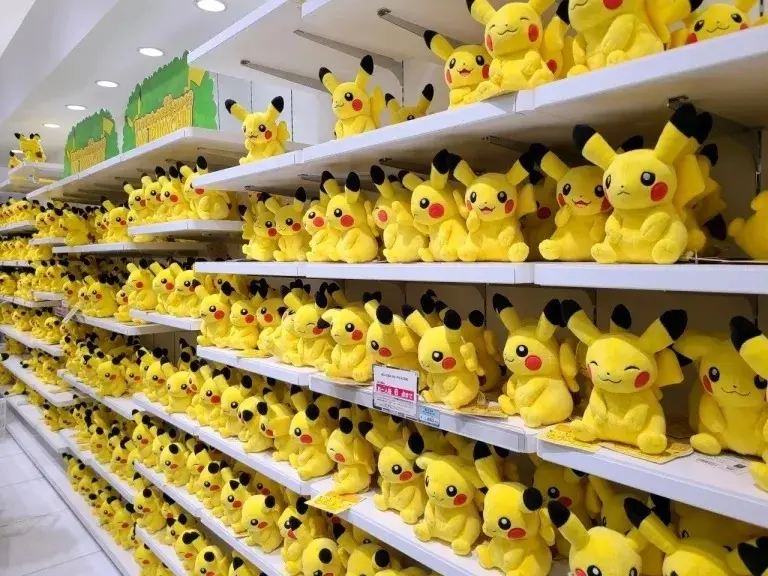
Described by corporate representatives as "the ultimate destination for Pokémon fans," the flagship store promises to feature a diverse array of exclusive merchandise, bespoke experiential zones, and interactive environments designed for Trainers of all generations. While exact details regarding the store’s precise square footage, architectural layout, and precise neighborhood placement remain under wraps, the extensive lead time leading up to the 2029 launch underscores the sheer scale and ambition of the undertaking. Furthermore, executives have signaled that London is merely the vanguard of a broader international expansion, with plans already underway to introduce several additional permanent stores across Western markets in the years to come.
Detailed Chronology: From Regional Niche to Global Empire
To fully appreciate the gravity of a permanent Pokémon retail flagship opening in London, one must examine the deliberate, multi-decade evolution of the franchise’s physical footprint.
The Japanese Foundation (1998–2010s)
When Game Freak and Nintendo introduced Pocket Monsters Red and Green to Japanese consumers in 1996, few could have predicted the cultural tidal wave that would follow. By 1998, the first-ever physical iteration of what would become the Pokémon Center opened in Tokyo’s Nihonbashi district. Conceived not merely as a shop, but as a community hub for trading card game (TCG) players, video game competitors, and passionate collectors, the store proved an instant success.
Over the next twenty years, The Pokémon Company refined its retail taxonomy within Japan, categorizing its physical shops into three distinct tiers:
- Pokémon Center Megastores: Sprawling, experiential retail environments (such as the landmark Shibuya and Tokyo Station branches) featuring life-sized statues, exclusive high-end apparel, and community event spaces.
- Pokémon Stores: Moderately sized retail outlets typically found in transit hubs and regional shopping malls, catering to travelers and local families looking for core merchandise.
- Pokémon Center Satellites: Highly compact, kiosk-style setups focusing on quick-turnaround merchandise and regional exclusives.
The Slow Creep Outside Asia (2019–Present)
Despite achieving multi-billion-dollar status in North America and Europe via video games, the animated series, and the wildly popular TCG, physical retail expansion outside of Asia remained surprisingly conservative. For the longest time, Western fans relied on temporary pop-up shops, convention exclusives, and online storefronts like the Pokémon Center e-commerce site.
The first permanent international expansion outside of Japan materialized slowly. The Pokémon Company established permanent footprints in Singapore and Taipei (Taiwan), proving that dedicated brick-and-mortar stores could thrive in Asian metropolitan hubs outside domestic borders.
Western markets, however, remained untapped for permanent physical retail, save for brief promotional pop-ups—such as the wildly successful London pop-up store that coincided with the launch of Pokémon Sword and Shield in 2019. That temporary installation drew massive, snaking queues and underscored the immense, pent-up demand British fans had for an authentic, immersive physical shopping experience. The 2029 London announcement represents the culmination of these lessons, serving as the first true permanent bridgehead into Western territory.
Supporting Context & Metrics: The Scale of the Pokémon Phenomenon
The decision to invest heavily in a multi-year development cycle for a London flagship is backed by hard economic data and cultural metrics. Pokémon stands comfortably as the highest-grossing media franchise of all time, outstripping giants like Mickey Mouse, Star Wars, and Marvel.
Global Financial Footprint
Since its inception, cumulative revenue for the Pokémon franchise has surpassed $100 billion. This staggering figure is sustained by four distinct pillars:

- The Trading Card Game (TCG): Experiencing historic booms over the last half-decade, with billions of cards printed annually in dozens of languages to meet unprecedented global demand.
- Video Games: Mainstream releases like Pokémon Scarlet and Violet routinely shift over 20 million units within their launch windows, proving the enduring vitality of the core RPG formula.
- Mobile Gaming: Titles such as Pokémon GO continue to generate hundreds of millions of dollars annually while mobilizing millions of active players in urban centers worldwide.
- Licensed Merchandise: From high-end fashion collaborations with luxury brands to ubiquitous plush toys, the physical goods market remains an engine of continuous profit.
The British Market Appeal
London was chosen not by accident, but as a strategic gateway to Europe. As a premier global financial, cultural, and tourist hub, London attracts millions of international visitors annually alongside a massive, highly engaged domestic fan base. The enduring success of the UK’s regional video game communities, comic conventions, and specialty pop-culture retailers makes it an ideal testing ground for The Pokémon Company’s first Western flagship.
Furthermore, the UK has long served as a crucial bellwether for Western pop-culture trends. A successful flagship in London establishes a high-profile cultural embassy that can easily sway neighboring European markets, paving the way for future continental expansions.
Official Statements and Corporate Vision
While formal press releases have been measured in their disclosures, statements from The Pokémon Company’s leadership paint a vivid picture of what fans can expect come 2029.
In official communications released via the corporate web portals, representatives emphasized that the London project is designed to transcend traditional retail:
"This will not be merely a store, but a comprehensive retail destination crafted to be the ultimate home for Pokémon fans in the UK and beyond. We are designing spaces that feature a wide variety of exclusive merchandise alongside one-of-a-kind, immersive experiences tailored for Trainers of all ages."
Industry analysts note the careful phrasing regarding "experiences." In modern retail, physical stores must offer something that e-commerce cannot replicate. Japanese Pokémon Centers are renowned for their jaw-dropping interior aesthetics—such as the sleeping, life-sized Snorlax figures, towering displays of regional starter plushies, and interactive photo-op installations. Translating this philosophy to London means the 2029 store is expected to function as a tourist attraction in its own right, drawing foot traffic comparable to major London landmarks.
Future Outlook: What to Expect Between Now and 2029
The timeline leading up to the grand opening in 2029 is exceptionally long for a retail project, pointing toward a complex development phase. Building a flagship Pokémon Center of this magnitude involves navigating several key phases:
1. Site Selection and Architectural Design (2026–2027)
Securing a prime central London location—whether within a major retail complex like Westfield, a historical district, or a dedicated high-street storefront—requires extensive negotiation. Once secured, architects will face the challenge of blending quintessential London architecture with the vibrant, unmistakable aesthetic of the Pokémon brand.
2. Exclusive Product Development (2027–2028)
Just as Japanese stores boast regional exclusives (such as the Tokyo-exclusive Pikachu dressed as a pilot or Osaka-exclusive chef Pikachu), the London store is expected to launch with bespoke merchandise tailored specifically to British culture, landmarks, and folklore—potentially drawing inspiration from the Galar region introduced in Pokémon Sword and Shield, which was heavily modeled after the United Kingdom.
3. Global Expansion Rollout (2028 and Beyond)
Crucially, corporate statements have confirmed that London is just the first of "several" international stores planned outside of Asia. While specific cities have not yet been named, market watchers speculate that major North American hubs (such as New York or Los Angeles) and additional European capitals are likely candidates in the post-2029 pipeline.
The Wait for Trainers
A three-year wait may test the patience of European fans who have waited nearly thirty years for a permanent storefront, but the deliberate pacing signals a commitment to quality over speed. When the doors finally open in 2029, it will mark the beginning of a bold new chapter for a franchise that continues to redefine what it means to be a global cultural phenomenon. Until then, Trainers across the UK and Europe can only watch, wait, and prepare their Poké Balls for a historic retail arrival.







Belum ada komentar. Jadilah yang pertama berkomentar!