In a stunning convergence of high-speed transit innovation and high-concept pop artistry, Japan Central Railway (JR Central) has partnered with legendary J-pop superstar Hikaru Utada to launch its most luxurious offering to date. The centerpiece of this high-profile collaboration is a brand-new commercial spot featuring Utada inside the Tokaido Shinkansen’s upcoming "Supreme Class" private cabins—a pioneering travel concept that fundamentally redefines the passenger experience on Japan’s busiest and most iconic bullet train corridor connecting Tokyo and Osaka.
Aptly titled "Intentions," Utada’s unreleased promotional single serves as the atmospheric heartbeat of JR Central’s new "Good Day Express" marketing campaign. Drawing direct inspiration from Virginia Woolf’s seminal 1929 feminist essay, A Room of One’s Own, the collaboration explores modern themes of personal autonomy, solitude, and the emotional boundaries required to protect one’s inner peace. For JR Central, the partnership transcends traditional celebrity endorsements; it serves as a philosophical alignment between the artist’s meditation on personal space and the railway operator’s multimillion-dollar investment in hyper-private, premium travel infrastructure.
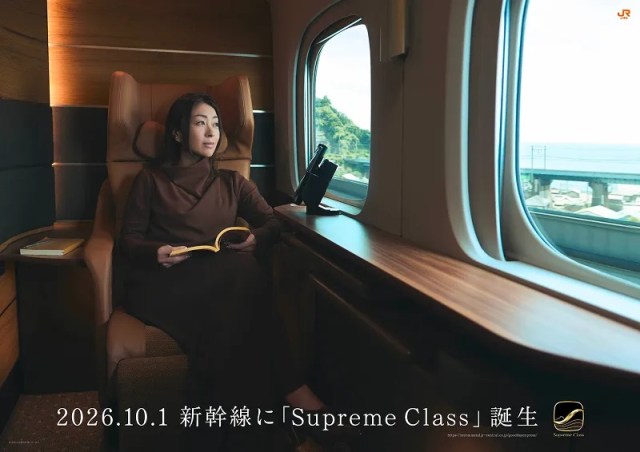
Set to officially debut on October 1, the Supreme Class cabins promise to transform standard rail travel into an ultra-exclusive sanctuary. By introducing private, single- and double-occupancy enclosures equipped with advanced acoustic dampening, customized climate controls, and ergonomic reclining furniture, JR Central is targeting business executives, privacy-seeking dignitaries, and luxury travelers who demand absolute seclusion while hurtling across the Japanese countryside at speeds exceeding 285 kilometers per hour.
Detailed Chronology: From Concept to Cultural Phenomenon
The genesis of this unexpected cultural crossover traces back to early summer, setting off a rapid chain of events that has captured the imagination of rail enthusiasts and music fans alike.
June 2024: The Announcement of the Supreme Class
The journey began when JR Central officially altered the landscape of Japanese domestic travel by announcing the introduction of private "Supreme Class Cabins" to the Tokaido Shinkansen fleet. Operating along the heavily congested artery linking Tokyo, Nagoya, and Osaka, the N700S series trains were slated to undergo retrofits to accommodate dedicated, enclosed private spaces. For decades, the Shinkansen had prioritized maximum seating density and efficiency; this marked a dramatic paradigm shift toward hyper-personalized luxury.
August 2024: Pre-Launch Immersive Displays
Before the general public could book a ticket, JR Central engineered a clever experiential marketing rollout. Beginning in mid-August, full-scale replica models and interactive try-before-you-ride displays were deployed at major transit hubs, most notably Tokyo Station. Commuters and curious travelers were invited to step inside mock-ups of the private cabins, testing the customizable lighting panels, high-speed dedicated Wi-Fi, and plush seating arrangements weeks before the official commercial rollout.
Late August: The Hikaru Utada Collaboration Unveiled
The campaign reached its crescendo with the simultaneous release of two commercial spots (a 60-second full version and a 30-second cut) starring Hikaru Utada. Filmed on location inside a functioning Shinkansen retrofitted with the Supreme Class interior, the commercial shattered conventional advertising norms by blending moody, introspective lyricism with industrial design. Utada’s new track, "Intentions," was broadcast to the public for the first time, instantly sparking viral speculation across social media platforms regarding the song’s official streaming release date in the autumn.
Artistic Inspiration and Lyrical Analysis: A Room of One’s Own on Rails
At the heart of the "Good Day Express" campaign is a profound intellectual dialogue between Utada’s songwriting and Virginia Woolf’s early 20th-century feminist discourse. In A Room of One’s Own, Woolf posited that intellectual freedom and creative output are inextricably linked to financial autonomy and physical space—specifically, the right to lock a door against the outside world.
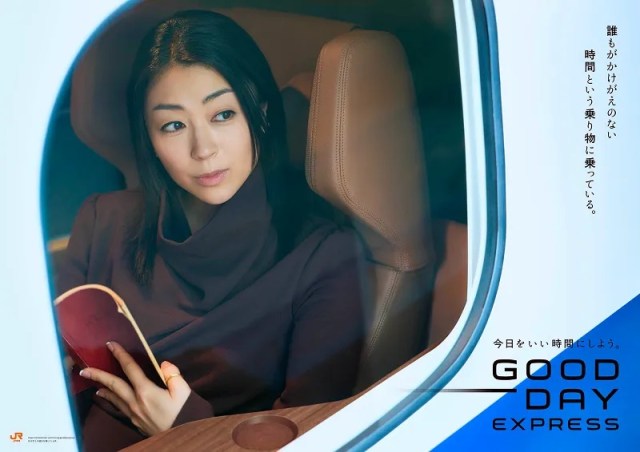
Utada adapted this foundational thesis for the modern era, asking what the contemporary "rules for being free" look like in an hyper-connected society defined by relentless digital noise and constant surveillance. In the commercial, these themes manifest visually and textually. Utada is seen sitting by the high-speed window of the Shinkansen, composing prose in a notebook—a direct visual homage to Woolf’s writing life, transposed onto a bullet train streaking through the nocturnal Japanese landscape.
The lyrical composition of "Intentions" further bridges the gap between internal introspection and physical transit:
“Jibun dake no heya hitotsu, chiisana uchu ga fukuramu”
(A room of one’s own, a small universe expands)
“Watashi to watashi no dairogu, tokidoki Vajinia Urufu”
(A dialogue between myself and me, sometimes with Virginia Woolf)
(I came but I’m not gonna stay, I’m good)
“Jiyu de aru tame no ruru”
(The rules for being free)
(Got bills to pay, not gonna wait for you to change)
“I used to give you all of my affection / Even when you stopped paying me attention”
Music critics and literary analysts have noted the brilliant juxtaposition within these verses. The Shinkansen, typically a vehicle for communal, shared transit where passengers are subjected to the collective hum of business travelers and tourists, becomes momentarily neutralized. Inside the Supreme Class cabin, the physical speed of the train contrasts sharply with the psychological stillness experienced by the occupant. The "small universe expands" precisely because the boundary of the private room keeps the chaotic external world at bay.
Supporting Context & Operational Metrics: Engineering the Supreme Class
To fully appreciate the cultural weight of the campaign, one must examine the engineering marvel that inspired it. The Tokaido Shinkansen is the backbone of Japan’s economic mobility, carrying hundreds of thousands of passengers daily between the nation’s political capital and its primary commercial powerhouse.
Cabin Specifications and Amenities
The Supreme Class cabins have been engineered to address a growing demographic of high-net-worth individuals, confidential business negotiators, and passengers seeking respite from public exposure. Key features include:
Occupancy Options: Configurable for both single travelers and pairs, ensuring absolute privacy for solo executives or collaborating partners.
Acoustic Isolation: Advanced sound-dampening materials isolate the interior from the roar of the rails and ambient carriage noise, creating a near-silent environment ideal for phone calls, virtual meetings, or deep focus.
Environmental Control Panel: Occupants retain granular control over independent air-conditioning zones, adjustable LED lighting schemes, and the ability to mute or manage onboard automated announcements.
Connectivity: Dedicated, encrypted Wi-Fi networks bypassing the congestion of standard public carriage routers, ensuring uninterrupted data streams for high-level enterprise operations.
Campaign Metrics and Digital Reach
The release of the campaign videos via JR Central’s official YouTube channels and corporate press portals generated unprecedented engagement figures within the first 48 hours. The 60-second spot, blending cinematic lighting with Utada’s haunting vocals, trended immediately across regional social media networks. By leveraging Utada’s massive cross-generational appeal—spanning fans of their early 2000s breakout hits to contemporary listeners of their critically acclaimed experimental pop albums—JR Central successfully repositioned a piece of heavy rail infrastructure as a coveted lifestyle brand.
Official Statements and Corporate Vision
Executives at JR Central have emphasized that the Supreme Class initiative is not merely an exercise in upselling premium tickets, but a strategic evolution in customer-centric service design.
"The modern traveler’s definition of luxury has fundamentally shifted," noted a senior representative from JR Central’s marketing division during the initial project reveal. "Speed and punctuality remain our baseline promises, but emotional value—specifically the luxury of time, privacy, and mental space—is what our premium customers increasingly demand. Partnering with Hikaru Utada allowed us to articulate this intangible philosophy in a way that dry technical specifications never could."
For her part, Utada has expressed enthusiasm for the unique parameters of the project. In press notes accompanying the campaign launch, the artist reflected on how the creative process mirrored the physical experience of modern travel: the necessity of shedding emotional baggage to protect one’s creative core. The realization that freedom requires "the courage to let go of things in order to protect what needs protecting" formed both the emotional core of the song "Intentions" and the narrative arc of the commercial’s protagonist.
Future Outlook: The October 1 Launch and Beyond
As the October 1 rollout date approaches, anticipation among frequent Tokaido Shinkansen riders has reached fever pitch. The introduction of the Supreme Class cabins marks a watershed moment for Japanese rail travel, signaling a permanent diversification of service tiers on trunk high-speed rail lines.
Industry analysts are closely monitoring the rollout to determine whether private cabins will eventually be expanded to the Sanyo, Tohoku, or Hokuriku Shinkansen networks operated by rival Japan Railways group companies. If passenger uptake matches the viral enthusiasm generated by the Hikaru Utada "Good Day Express" campaign, private rail enclosures could quickly transition from a novelty experiment into an indispensable standard for premium long-distance transit across the entire archipelago.
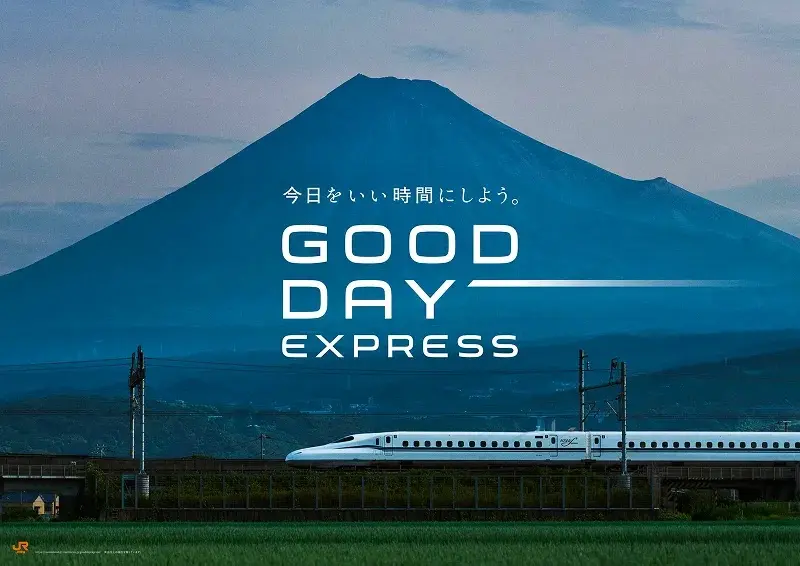
For now, travelers looking to experience their own "room of one’s own" while cruising past Mount Fuji at 285 kilometers per hour will soon have their chance. With "Intentions" set for its full autumn streaming release and the Supreme Class cabins opening for reservations, JR Central has successfully turned a routine commute into an immersive masterclass in modern luxury and artistic expression.









Belum ada komentar. Jadilah yang pertama berkomentar!