

Executive Overview
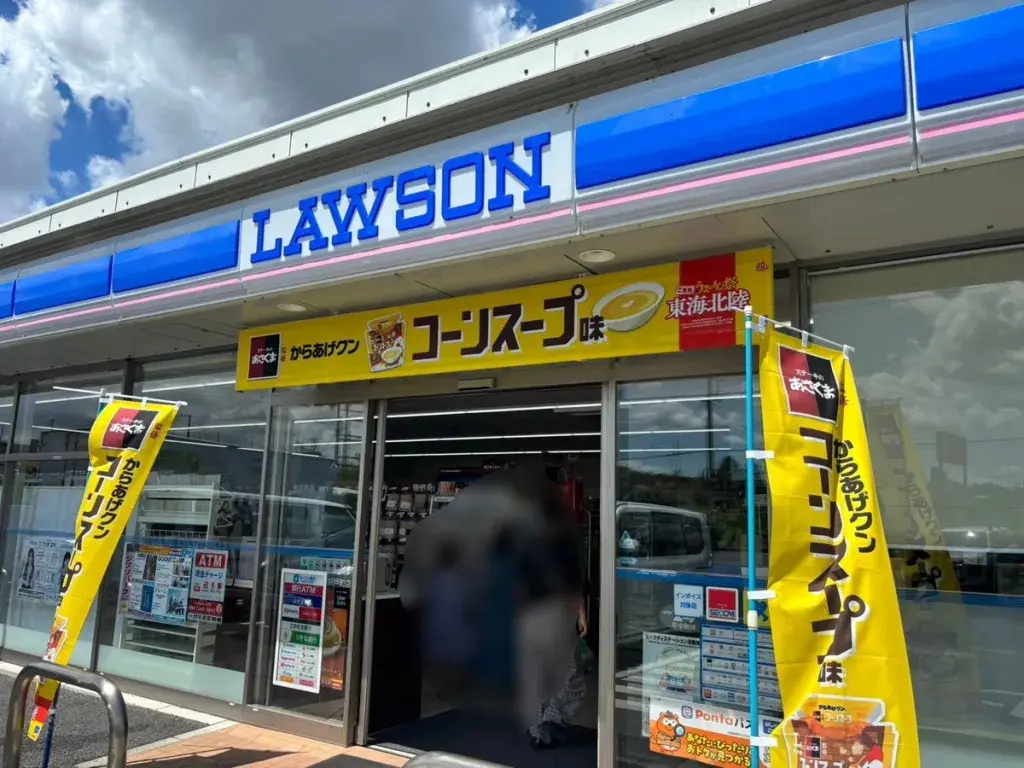
Japan’s convenience store landscape—known colloquially as the konbini world—stands as a marvel of modern retail logistics, culinary experimentation, and cultural integration. Among the pantheon of hot-counter snacks that dominate this ecosystem, Lawson’s proprietary Karaage-kun holds a legendary status. Introduced decades ago, these bite-sized, ethically packaged nuggets of Japanese-style fried chicken have secured a permanent place in the hearts, minds, and lunchboxes of consumers across the Japanese archipelago.
However, the secret to the enduring success of the Karaage-kun franchise lies not merely in its reliable, gold-standard original recipe, but in Lawson’s aggressive, cyclical deployment of seasonal, highly localized, and cross-branded flavor profiles. In a recent masterclass of regional culinary marketing, Lawson has partnered with Asakuma—a historic, Nagoya-born Western-style steak restaurant chain celebrated across central Japan for its iconic, comfort-driven dishes—to launch a limited-edition series of products.
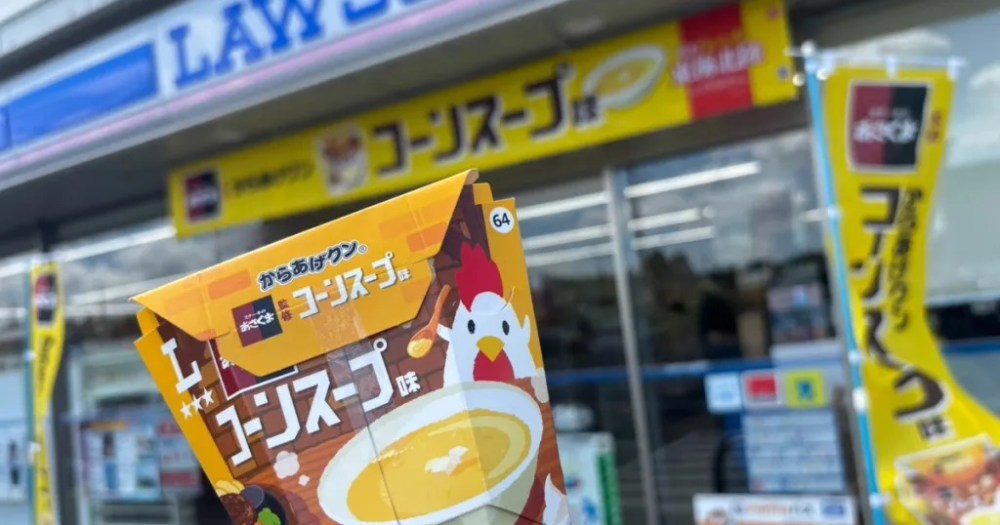
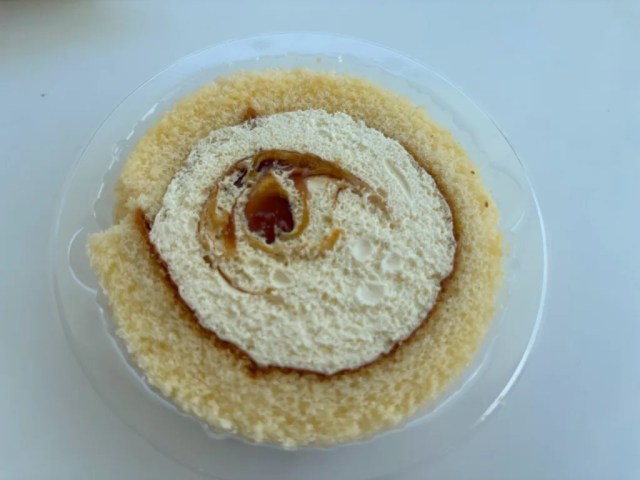
At the vanguard of this collaboration is the Asakuma Corn Soup-Flavored Karaage-kun, a flavor experiment that bridges the gap between classic Japanese yoshoku (Western-influenced Japanese cuisine) and street-food indulgence. Priced at 298 yen (approximately $1.90 USD), this regional delicacy is flanked by a companion dessert: a 248-yen purin (custard pudding) roll cake that translates Asakuma’s signature dessert legacy into a handheld pastry.
While these items represent a triumph of flavor balancing and nostalgic appeal, they also highlight a growing trend in Japanese retail: hyper-local product exclusivity. Available only in select prefectures spanning the Tokai and Hokuriku regions, this collaboration transforms a simple convenience store run into a localized treasure hunt, reinforcing the symbiotic relationship between regional pride, tourism, and fast-casual gastronomy.
Detailed Chronology of the Collaboration
The Genesis of a Regional Partnership
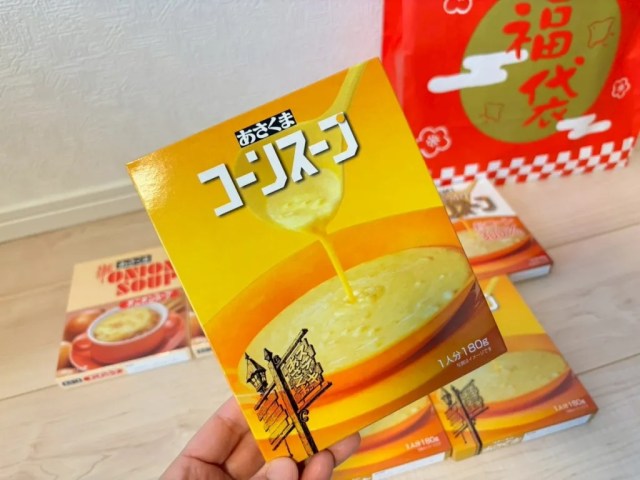
The journey toward the Asakuma Corn Soup Karaage-kun began long before the first box hit Lawson’s heated checkout counters. Asakuma, a restaurant institution founded in Nagoya, has spent decades cultivating a fiercely loyal customer base through its distinctively rich, slightly sweet, and immensely comforting corn soup. While Japanese corn soup (frequently referred to as corn potage) is a ubiquitous comfort food found in vending machines nationwide during colder months, Asakuma’s proprietary recipe has achieved cult status, prompting the restaurant to bottle and sell it independently of its steakhouse operations.
Lawson’s regional product development team, constantly tasked with discovering ways to leverage regional identity for national retail success, identified Asakuma as the ideal partner for a Tokai-Hokuriku exclusive campaign. The objective was clear: capture the distinct, creamy sweetness of Asakuma’s signature soup and integrate it into Lawson’s most popular fried chicken format without compromising the structural integrity or savory profile of the meat.
The Launch and Tasting Experience
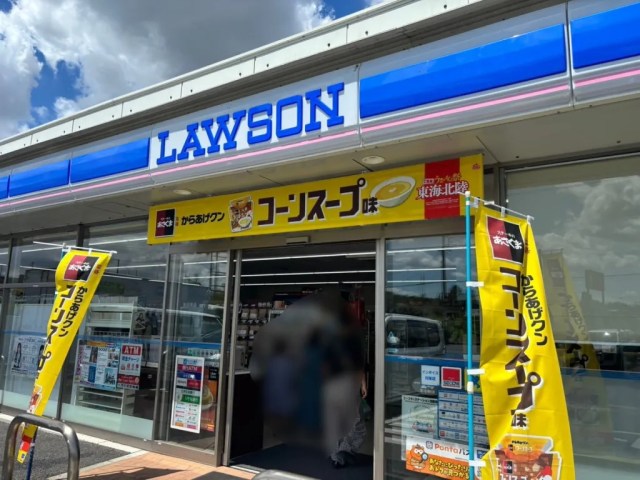
Upon the rollout of the product in late August, culinary researchers and fast-food enthusiasts flocked to Lawson outlets across Aichi, Shizuoka, Gifu, Toyama, Ishikawa, Fukui, and parts of Mie prefecture.
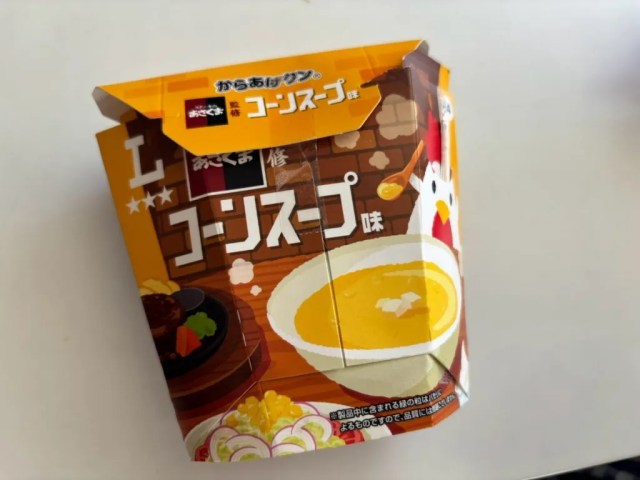
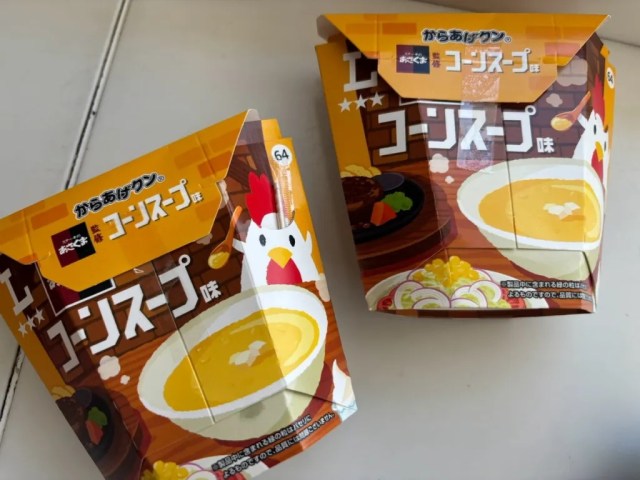
Upon peeling back the flap of the custom-branded Asakuma packaging—which proudly displays the restaurant’s historic emblem—testers reported an immediate, aromatic wave of rich corn soup. Rather than relying on aggressive or synthetic flavorings, the culinary chemistry of the Karaage-kun succeeded by leveraging the natural sweetness of sweet corn to accentuate the savory, umami-rich notes of the fried chicken. The result was a surprisingly harmonious flavor profile that generated immediate repeat purchases among consumers, many of whom noted that a single box proved entirely insufficient for their cravings.
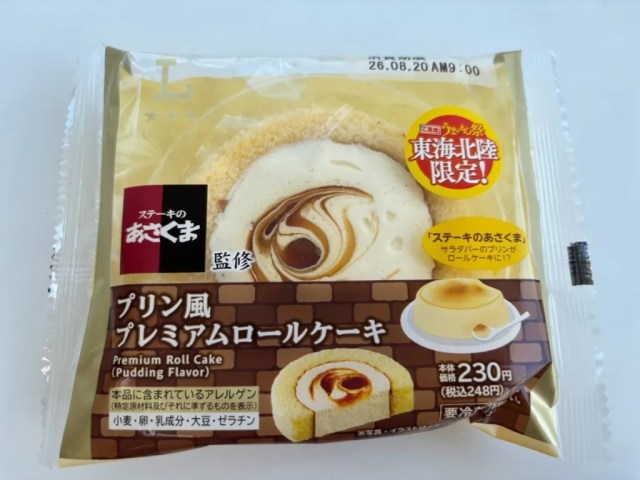
Capitalizing on this momentum, Lawson also introduced the Asakuma Purin Roll Cake. Utilizing Nagoya’s renowned regional egg supply to create a rich, custard-forward sponge cake and cream filling, finished with a bittersweet caramel drizzle, the dessert successfully translated the restaurant’s signature post-steak treat into a convenient, shelf-stable bakery item priced at 248 yen.
Supporting Context & Metrics
The Konbini Fried Chicken Economy
To understand the significance of Lawson’s latest regional gambit, one must analyze the economic and cultural weight of konbini hot snacks in Japan. Industry metrics indicate that over-the-counter fried chicken generates billions of yen annually across the "Big Three" convenience store chains: Lawson, Seven-Eleven, and FamilyMart.
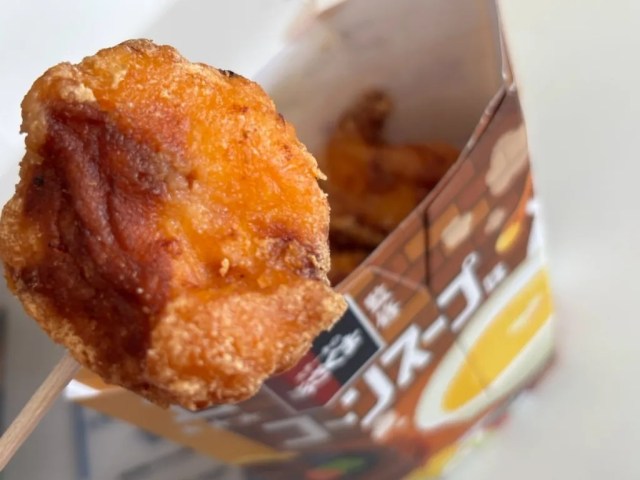
Each chain has its flagship contender—FamilyMart boasts the cult-favorite Famichiki, while Lawson relies on Karaage-kun. Since its debut in 1986, Lawson has sold billions of Karaage-kun units, iterating through dozens of variations ranging from standard cheese and spicy red pepper to bizarre, headline-grabbing regional collaborations infused with local citrus, regional soy sauces, and now, classic Western-style soups.
The Power of Hyper-Localization
Lawson’s decision to restrict the Asakuma collaboration to the Tokai and Hokuriku regions—covering prefectures such as Aichi, Shizuoka, Gifu, Toyama, Ishikawa, and Fukui—is a calculated marketing strategy known as chiiki gentei (region-limited).
By refusing to roll out the product nationwide, Lawson achieves several strategic goals:
- Perceived Exclusivity: Consumers within the target region feel a sense of local pride and urgency to purchase the items before they cycle out of inventory.
- Tourism Incentive: Domestic travelers traversing central Japan are incentivized to make pit stops at convenience stores specifically to sample items unavailable in Tokyo or Osaka.
- Cross-Promotional Synergy: The inclusion of other regional partnerships running concurrently—such as chicken cutlet sandwiches produced in cooperation with Nagoya’s legendary chicken wing specialist Furaibo—turns Lawson stores into hubs of regional culinary exploration.
| Metric / Feature | Detail |
|---|---|
| Primary Product | Asakuma Corn Soup-Flavored Karaage-kun |
| Price Point | 298 yen (~$1.90 USD) |
| Companion Product | Asakuma Purin Roll Cake |
| Dessert Price | 248 yen (~$1.58 USD) |
| Geographic Availability | Tokai and Hokuriku Regions (Aichi, Shizuoka, Gifu, Toyama, Ishikawa, Fukui, and parts of Mie) |
| Partner Institution | Asakuma (Nagoya-origin Steakhouse Chain) |
Official Statements and Industry Insights
While corporate press releases from Lawson corporate headquarters emphasize the "comforting harmony of traditional Western-style dining and fast-casual convenience," food science analysts point to a broader shift in consumer preferences toward nostalgic, comforting flavor profiles.
In statements regarding the development of the corn soup seasoning, Lawson’s product development division noted that translating a liquid soup into a powdered seasoning coat for fried chicken required rigorous testing. The primary challenge was preventing the natural sugars in the corn powder from burning during the flash-frying and holding processes in the store’s heated display cases. By fine-tuning the starch-to-sugar ratio, the development team achieved a coating that caramelizes slightly without imparting a burnt or acrid taste.
Restaurant representatives from Asakuma expressed enthusiasm over the partnership, noting that introducing their legacy flavors to a younger demographic through convenience store channels has driven increased brand awareness and renewed interest in their physical brick-and-mortar steakhouses across central Japan.
Future Outlook
The success of the Lawson x Asakuma collaboration signals a robust future for hyper-local convenience store gastronomy in Japan. As domestic tourism continues to rebound and international visitors increasingly seek authentic, off-the-beaten-path culinary experiences, the intersection of regional restaurant heritage and konbini accessibility represents a high-growth sector for retail innovation.
Industry watchers predict that Lawson will likely expand its collaborative framework, potentially introducing successful regional items to rotational national campaigns or spinning off seasonal variations of other regional culinary staples. However, the true magic of the Asakuma Corn Soup Karaage-kun remains tethered to its geographic roots. For travelers willing to venture beyond the metropolitan corridors of Tokyo and Kansai into the scenic heartland of Tokai and Hokuriku, the reward is a culinary crossover that redefines what comfort food can achieve within the humble confines of a convenience store wrapper.






Belum ada komentar. Jadilah yang pertama berkomentar!