

Executive Overview
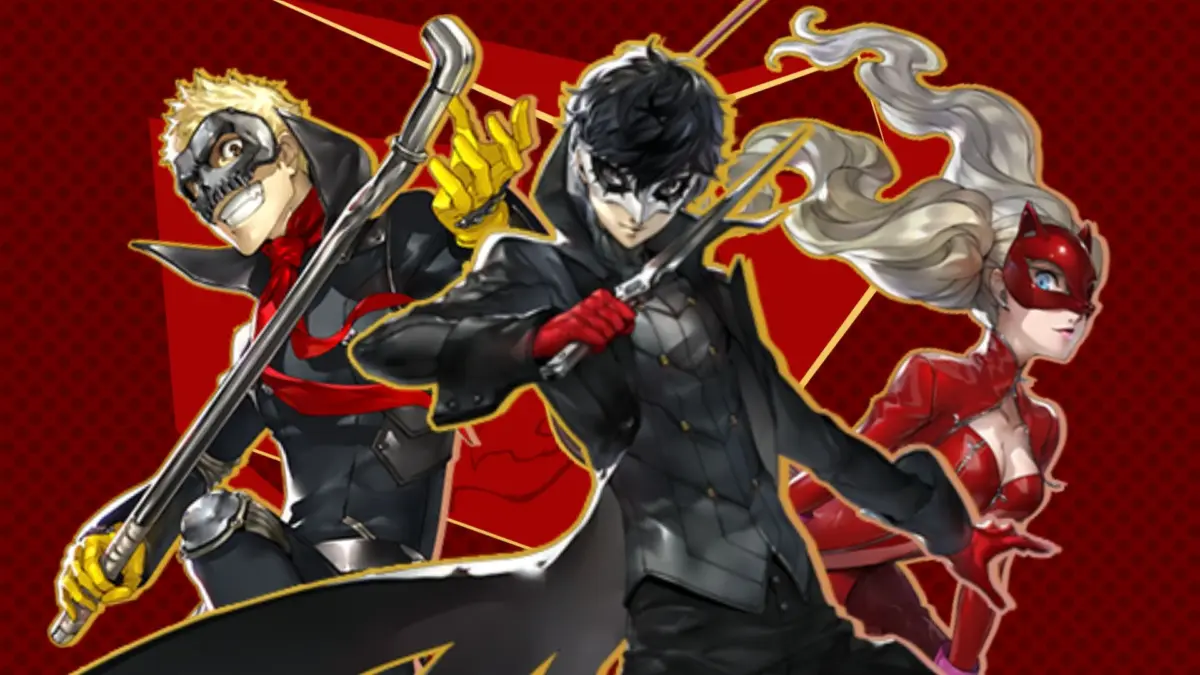
Nearly ten years after its initial Japanese release, Atlus’s flagship Japanese Role-Playing Game (JRPG), Persona 5, stands as a monumental achievement in interactive entertainment. What began as a long-gestating project within P-Studio—the dedicated development team at Atlus—evolved into a global cultural phenomenon that drastically altered the trajectories of both its parent franchise, Shin Megami Tensei, and the broader RPG genre.
Blending high-concept turn-based combat with a meticulously detailed high school simulation, Persona 5 captured the gaming public’s imagination through its bold graphic design, jazz-infused soundtrack, and trenchant critique of contemporary societal anxieties. From its original release on the PlayStation 3 and PlayStation 4 to its expanded definitive edition, Persona 5 Royal, and a sprawling multimedia ecosystem of spin-offs, anime, and live concerts, the title has transcended standard commercial lifecycle expectations. As the franchise approaches major series milestones, Persona 5 remains a gold standard for aesthetic direction, thematic maturity, and genre modernization.
Detailed Chronology
  2016                2019-2020             2020                  2023                  2024+
  |                   |                     |                     |                     |
  +-- Persona 5       +-- Persona 5 Royal   +-- Persona 5         +-- Persona 5         +-- Persona 5:
      Original        (Japan '19 /          Strikers              Tactica               The Phantom X
      Release         Global '20)           (Action-RPG)          (Tactical-RPG)        (Mobile/PC Gacha)
2016: The Original Debut and Global Takeover
Persona 5 officially launched in Japan in September 2016 (followed by a global release in April 2017). Arriving late in the PlayStation 3’s lifecycle while simultaneously capitalizing on the expanding PlayStation 4 install base, the game introduced players to "Joker"—a high school student falsely accused of assault and placed on probation in Tokyo. Upon discovering the "Metaverse"—a supernatural realm formed by humanity’s subconscious desires—Joker and a core group of disenfranchised youth form the Phantom Thieves of Hearts. Their mission: force corrupt adults to confess their crimes by stealing their distorted desires ("treasures") from psychological dungeons known as Palaces.
2019–2020: Persona 5 Royal and Platform Expansion
Recognizing the title’s immense momentum, Atlus released Persona 5 Royal in Japan in late 2019 and globally in March 2020. Far more than a simple patch or standard downloadable content (DLC), Royal expanded the original campaign by dozens of hours. It integrated a brand-new playable protagonist (Kasumi Yoshizawa), a central antagonist (Dr. Takuto Maruki), an additional academic semester, reworked boss fights, expanded mechanics, and enhanced graphics. The release cemented Persona 5 as a critical masterpiece, regularly earning near-perfect review scores and pushing total franchise sales into multi-million-unit territory.
2020–2023: Genre Diversification (Strikers & Tactica)
Rather than immediately moving to a numeric sequel, Atlus leveraged the popularity of the Phantom Thieves across diverse gameplay formats:
- Persona 5 Strikers (2020): Co-developed with Koei Tecmo’s Omega Force studio, this title shifted turn-based mechanics into real-time, hack-and-slash action combat while retaining the social bonds, story focus, and elemental weakness systems of the mainline entry.
- Persona 5 Tactica (2023): This spin-off reimagined the cast in a stylized, grid-based tactical strategy game, exploring themes of historical revolution and political oppression through a distinct artistic lens.
2024 and Beyond: Persona 5: The Phantom X and Transmedia Expansion
The lineage of Persona 5 extended further with Persona 5: The Phantom X, a free-to-play mobile and PC gacha RPG developed in collaboration with Perfect World Games. Maintaining the aesthetic and mechanical foundations of the original console title, The Phantom X introduced a new cast operating alongside familiar Phantom Thieves. Beyond interactive media, the title spawned a 26-episode anime adaptation (Persona 5: The Animation), serial manga publications, and sold-out live musical performances, including the international Persona Grooves orchestral showcase at London’s Southbank Centre.
Supporting Context & Metrics
Architectural and Visual Paradigm Shift
Prior to 2016, traditional JRPGs often relied on classic fantasy tropes or austere menu design. Under the artistic leadership of Shigenori Soejima, Persona 5 disrupted industry norms with an aggressive visual identity dominated by high-contrast black, white, and primary red palettes.

Menus in Persona 5 were designed not merely as functional interfaces, but as dynamic graphic art pieces. Transitions between exploration, dialogue, and battle operate seamlessly, featuring stylized comic-book typography and kinetic UI animations that turned standard turn-based menus into an expressive visual spectacle.
                    ┌───────────────────────────────────┐
                    │      Persona 5 Design Pillars     │
                    └─────────────────┬─────────────────┘
                                      │
         ┌────────────────────────────┼────────────────────────────┐
         ▼                            ▼                            ▼
┌──────────────────┐        ┌──────────────────┐        ┌──────────────────┐
│  Visual Identity │        │ Auditory Design  │        │ Narrative Weight │
├──────────────────┤        ├──────────────────┤        ├──────────────────┤
│ • Acid-red palette│        │ • Acid-jazz/soul │        │ • Real-world corruption
│ • Kinetic UI     │        │ • Lyn Inaizumi   │        │ • Sociopolitical angst
│ • Pop-art style  │        │ • Shoji Meguro   │        │ • Youth rebellion│
└──────────────────┘        └──────────────────┘        └──────────────────┘
Auditory Impact: Shoji Meguro and Lyn Inaizumi
Music forms the bedrock of the Persona 5 experience. Composed by Atlus veteran Shoji Meguro and featuring vocals by soul singer Lyn Inaizumi, the soundtrack eschewed traditional orchestral fantasy tracks in favor of acid jazz, funk, and rock.
- "Last Surprise" and "Life Will Change" became instant cultural touchstones, blending heavy basslines with brass horns and rhythm guitars.
- The ambient track "Beneath the Mask" redefined in-game environmental soundscapes, painting a quiet, rain-slicked image of nocturnal Tokyo that grounded the player’s day-to-day lifestyle loop.
Narrative Realism and Sociopolitical Themes
Unlike many contemporary role-playing games that rely on high-fantasy escapism, Persona 5 situated its narrative directly within modern Japanese society. The antagonisms faced by the Phantom Thieves mirrored real-world structural issues:
- Suguru Kamoshida: Addresses physical and emotional abuse within academic athletic programs, detailing the systemic cover-ups by institutional authorities.
- Masayoshi Shido: Serves as a sharp critique of political corruption, populism, and demagoguery, showing how figureheads exploit societal disillusionment for personal power.
- Corporate and Societal Exploitation: Depicts systemic burnout, toxic workplace cultures, and the crushing expectation of societal conformity placed on Japanese youth.
Mechanical Balance and Pacing Controversies
While widely celebrated, Persona 5 was not without mechanical friction. The balance between social simulation (managing high school attendance, part-time jobs, and friendship bonds known as Confidants) and long dungeon crawls required strict time management.
┌─────────────────────────────────────────────────────────────────┐
│                    Daily Loop Mechanics                         │
└────────────────────────────────┬────────────────────────────────┘
                                 │
                 ┌───────────────┴───────────────┐
                 ▼                               ▼
       ┌──────────────────┐            ┌──────────────────┐
       │ Daytime / School │            │ Afterschool /    │
       │   Activities     │            │ Evening Freedom  │
       └─────────┬────────┘            └─────────┬────────┘
                 │                               │
                 └───────────────┬───────────────┘
                                 │
                                 ▼
                   ┌───────────────────────────┐
                   │    Confidant Progress /   │
                   │ Social Stat Improvements  │
                   └─────────────┬─────────────┘
                                 │
                                 ▼
                   ┌───────────────────────────┐
                   │ Meta-Verse Infiltration   │
                   │ (Palace & Mementos Raids) │
                   └───────────────────────────┘
Certain gameplay sequences drew debate among the player base:
- The Okumura Palace Boss Encounter: Infamous for a strict 30-minute real-time clock and wave-based mechanics requiring highly specific elemental weakness chains, this fight frequently halted progression for under-prepared players. Many resorted to summoning high-level DLC Personas—such as Izanagi-no-Okami Picaro—to bypass the encounter’s stringent damage checks.
- Early-Game Restraints: Narrative gating enforced by the character Morgana—who frequently ordered the protagonist to go to sleep rather than explore the city at night—became a long-standing inside joke within the community, ultimately addressed and relaxed in Persona 5 Royal.
Official Statements and Fan Perspectives
The reception of Persona 5 spans both industry-wide critical acclaim and deeply personal testimonials from its global fanbase. Atlus developers and community members alike have documented the game’s emotional and creative impact.
Developer Insights and Musical Legacy
Reflecting on the title’s production design, Atlus creative directors consistently emphasized the goal of crafting an anti-hero narrative that resonated with contemporary audiences. P-Studio aimed to move away from traditional "chosen hero" tropes, choosing instead to focus on marginalized individuals fighting back against oppressive social norms.

The live musical interpretations, such as the Persona Grooves performances, showcased the soundtrack’s ability to stand independently as a major work of contemporary music. Attendees and critics frequently note that track arrangements by Shoji Meguro and live vocal performances by Lyn Inaizumi bridged the gap between video game scoring and modern jazz-pop performance art.
Community Reception & Critical Retrospectives
On community platforms such as Reddit, long-term players frequently analyze the profound effect Persona 5 had on both their gaming habits and personal lives.
"I heard very good things, but I didn’t really expect something THAT good," noted community member Freya584, reflecting on their initial play-through. "It just hit in a way no other game ever has or probably ever will."
Others highlighted the transformative artistic precedent set by P-Studio. Community commentator NateGreatGames emphasized that the title’s "amazing art direction moved not only the series, but the industry forward," inspiring a wave of modern RPGs to prioritize UI design and aesthetic cohesion.
For a significant portion of the fanbase, the social simulation mechanics provided psychological comfort during periods of real-world isolation. Player McFanon shared a sentiment shared by many in the community:
"This game stands out from all other games and maybe even all forms of media, especially since it found me at a time of depression and isolation and genuinely gave me a will to live that I cling onto to this day… No other game has come close."
Future Outlook
As Persona 5 reaches its tenth anniversary, the franchise finds itself at a key strategic crossroads. Atlus has successfully transformed what was once a niche spin-off of Shin Megami Tensei into a core intellectual property capable of driving multi-platform revenue streams worldwide.

                            ┌───────────────────────────────────┐
                            │      Franchise Horizon Roadmap    │
                            └─────────────────┬─────────────────┘
                                              │
         ┌────────────────────────────────────┼────────────────────────────────────┐
         ▼                                    ▼                                    ▼
┌──────────────────┐                ┌──────────────────┐                ┌──────────────────┐
│ Next-Gen Hardware│                │   Legacy Remakes │                │    Persona 6     │
├──────────────────┤                ├──────────────────┤                ├──────────────────┤
│ • Potential Switch2              │ • Following success              │ • High expectations│
│   enhanced editions              │   of Persona 3    │                │ • New color scheme│
│ • Graphical upgrades             │   Reload          │                │ • Paradigm shift │
└──────────────────┘                └──────────────────┘                └──────────────────┘
Potential Platform Upgrades and Next-Gen Enhancements
Industry analysts broadly anticipate native ports or performance-enhanced editions of Persona 5 Royal for upcoming console hardware iterations, such as the rumored successor to the Nintendo Switch. Given the game’s portable popularity on current handheld platforms, high-frame-rate, high-resolution upgrades remain a logical next step for Atlus’s monetization strategy.
Expanding the Legacy: Remakes and Persona 6
Following the commercial success of 2024’s Persona 3 Reload, speculation continues to build surrounding potential ground-up remakes of other back-catalog titles, including Persona 4 (often referred to speculatively in fan circles as a potential Persona 4 Revival project).
However, the primary point of industry focus remains the inevitable announcement of Persona 6. P-Studio faces the formidable challenge of following up on a title that defined a genre generation:
- Aesthetic Evolution: Persona 3 was defined by cool blues; Persona 4 adopted bright yellow; Persona 5 made vibrant crimson its signature identity. The color choice and thematic core for Persona 6 remain closely guarded secrets.
- Systemic Innovation: Modernizing the turn-based "One More" combat system and social simulation dynamics without diluting what made Persona 5 an operational masterpiece will be the central design challenge for the studio’s next generation of developers.
Regardless of where the series moves next, Persona 5 has earned an indelible place in video game history. Its blend of rebellious style, musical excellence, and narrative courage ensures that the legacy of the Phantom Thieves will echo across the industry for decades to come.








Belum ada komentar. Jadilah yang pertama berkomentar!