

Executive Overview
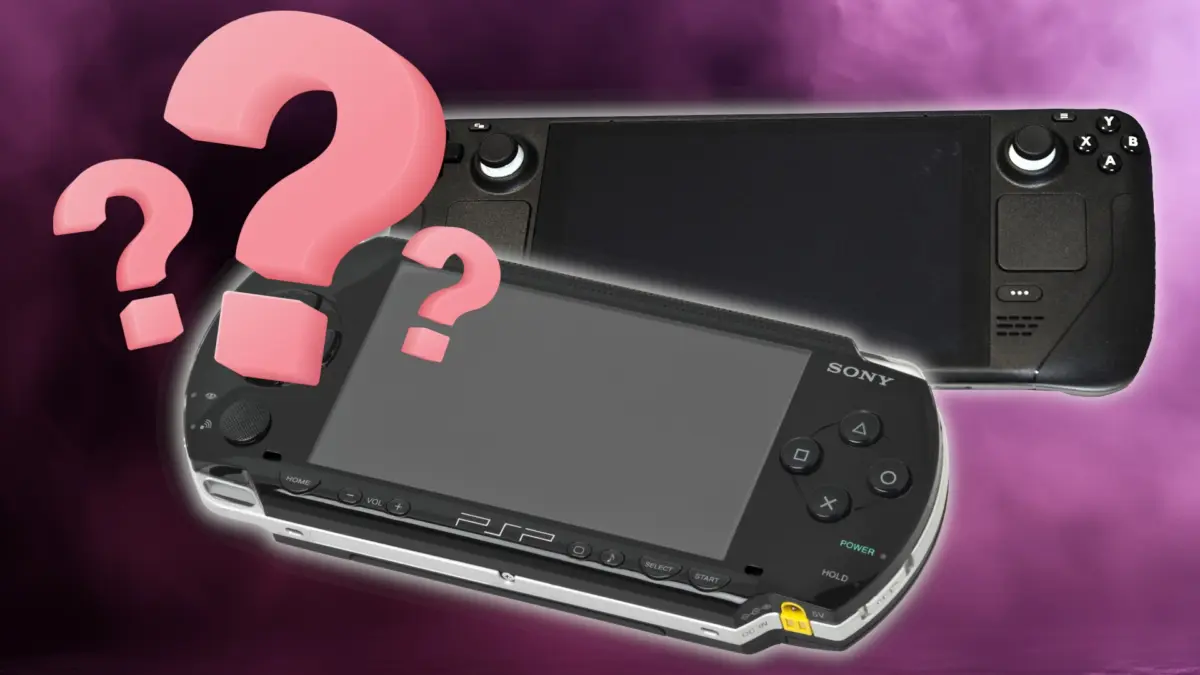
The handheld gaming landscape is experiencing a structural paradigm shift. Following years of market dominance by hybrid and PC-based portables, evidence has surfaced indicating that Sony Interactive Entertainment (SIE) is actively developing a high-performance successor to its legacy portable hardware. Internally designated under the codename "Project Canis"—and widely referred to within industry circles as the PSP3—the rumored system represents Sony’s potential return to native portable hardware after its pivot to cloud and local streaming accessories.
Leaked hardware documentation and supply-chain reports suggest a tentative launch window targeted for late 2027. According to technical leaks attributed to prominent hardware insiders KeplerL2 and reporting corroborated by GameGPU, Project Canis is being engineered to bridge the performance gap between contemporary handhelds and home-console architectures. Featuring custom AMD silicon capable of delivering 4.91 Teraflops (TFLOPS) of native compute power in handheld mode, an integrated PlayStation Spectral Super Resolution (PSSR 3.0) neural upscaling engine, and 24 gigabytes of unified memory, the device is projected to significantly alter expectations for portable visual fidelity and processing capability.
However, these ambitious performance metrics introduce critical engineering and commercial challenges. Sustaining high compute output within a mobile form factor demands careful management of thermal design power (TDP), battery capacity, and overall unit weight. Furthermore, current component cost trajectories point to an entry-level retail price starting at $600, with potential higher-tier configurations approaching premium PC-handheld price points.
Detailed Chronology: The Evolution of "Project Canis"
+-----------------------------------------------------------------------------------+
|                            DEVELOPMENT CHRONOLOGY                                 |
+-----------------------------------------------------------------------------------+
|  2021-2023   | Sony focuses on Remote Play infrastructure; launches PS Portal.   |
|  Mid-2024    | R&D pivots back to native silicon; AMD custom APU agreement signed.|
|  Late 2025   | System architectural leaks emerge under codename "Project Canis".  |
|  Early 2026  | KeplerL2 & GameGPU detail PSSR 3.0 upscaling and 24GB memory spec. |
|  Late 2027   | (Targeted) Commercial global release window for PSP3.              |
+-----------------------------------------------------------------------------------+
1. The Post-Vita Era and Remote Play Strategy (2021–2023)
Following the commercial sunset of the PlayStation Vita, SIE publicly prioritized home console iterations, citing the rapid expansion of mobile smartphone platforms and the high development costs of maintaining distinct software libraries for dedicated portables. This era yielded the PlayStation Portal—a dedicated Remote Play peripheral reliant entirely on Wi-Fi streaming from a host PlayStation 5 console. While commercial reception demonstrated consumer appetite for portable PlayStation experiences, hardware analysts noted that streaming solutions remained tethered to network latency and infrastructure constraints.
2. Supply-Chain Pivots and Custom Silicon Agreements (Mid-2024)
Industry reports from mid-2024 indicate a strategic shift within Sony’s hardware engineering division. The commercial validation of high-performance handheld x86 platforms—led by Valve’s Steam Deck and subsequent Windows-based portables—prompted SIE leadership to reevaluate native handheld feasibility. Confidential procurement requests filed with semiconductor partners pointed toward a bespoke Accelerated Processing Unit (APU) contract established with AMD, optimized specifically for ultra-low-voltage operation while maintaining instruction-set compatibility with modern x86-64 console architecture.
3. The "Project Canis" Leaks (Late 2025 – Early 2026)
In late 2025 and early 2026, technical schematics and software development kit (SDK) references surfaced through industry leakers KeplerL2 and technical outlets including GameGPU. The documentation detailed an unannounced portable platform designated as "Project Canis." The leaks revealed detailed target specifications: a native compute threshold near 5 TFLOPS, a bespoke implementation of PSSR 3.0 machine-learning upscaling, and an unexpected memory allocation of 24GB—signaling an aggressive design intended to execute modern console titles without requiring downsized, legacy software ports.
Supporting Context & Technical Metrics
+-----------------------------------------------------------------------------------+
|                        HARDWARE SPECIFICATION COMPARISON                          |
+-----------------------------------------------------------------------------------+
| Metric               | Valve Steam Deck | Sony PSP3 (Leaked)  | PlayStation 5 Pro |
+----------------------+------------------+---------------------+-------------------+
| Architecture         | AMD Custom Zen 2 | AMD Custom (Canis)  | AMD Custom RDNA 3 |
| Native FP32 Compute  | ~1.6 TFLOPS      | 4.91 TFLOPS (Hand)  | ~16.7 TFLOPS      |
| Upscaling Engine     | FSR 2 / Software | PSSR 3.0 (Hardware) | PSSR 1.0          |
| Effective TFLOPS     | ~1.6 TFLOPS      | 10-11 (H) / 14 (D)  | ~16.7+ TFLOPS     |
| System Memory        | 16GB LPDDR5      | 24GB Unified        | 16GB GDDR6        |
| Target Resolution    | 800p             | 1080p (via 540p AI) | 4K (Dynamic)      |
| Targeted Price Point | $399 - $649      | $600+ Estimated     | $699              |
+----------------------+------------------+---------------------+-------------------+
Compute Architecture and PSSR 3.0 Scaling
The leaked specification sheet for Project Canis details a native hardware processing capability of 4.91 TFLOPS in handheld mode. For context, this raw floating-point performance exceeds three times the native compute density of the original Valve Steam Deck (~1.6 TFLOPS).
+-----------------------------------------------------------------------------------+
|                    PROJECT CANIS RENDERING PIPELINE (PSSR 3.0)                     |
+-----------------------------------------------------------------------------------+
|  [Internal Engine Render]  -->  [Native 540p Buffer]                              |
|                                       │                                           |
|                                       ▼                                           |
|  [AI Upscaling Hardware]   -->  [PSSR 3.0 Temporal Reconstruction Tensor Core]     |
|                                       │                                           |
|                                       ▼                                           |
|  [Display Output]          -->  [Reconstructed 1080p Target @ 60+ FPS]            |
+-----------------------------------------------------------------------------------+
The device’s ultimate throughput relies on the integration of PlayStation Spectral Super Resolution (PSSR 3.0). PSSR 3.0 utilizes machine-learning temporal reconstruction algorithms executed on dedicated neural processing blocks embedded within the custom APU.
- Native Handheld Rendering: Internal image buffers render natively at 540p resolution to preserve thermal and power budgets.
- Neural Upscaling: PSSR 3.0 reconstructs the 540p frame buffer to a clean 1080p output, analyzing spatial vector data and historical temporal frames.
- Perceived Performance Output: Through effective AI frame reconstruction, the system yields an effective compute equivalence estimated at 10 to 11 TFLOPS in handheld operation, scaling up to 14 TFLOPS when connected to a docked power profile.
This effective output brings the handheld close to the raw compute footprint of the baseline PlayStation 5 console (10.28 TFLOPS) and places it within striking distance of the PlayStation 5 Pro (16.7 TFLOPS). This enables software engineers to target a unified build architecture for home and mobile environments without requiring extensive code rewrites.
System Memory Allocation: 24GB Unified Pool
A significant technical detail in the Project Canis documentation is the inclusion of 24 gigabytes of unified RAM. Modern graphic engines—notably Unreal Engine 5 and proprietary engines handling open-world environments such as Rockstar Games’ Grand Theft Auto VI—require broad memory bandwidth and capacity for high-resolution texture streaming and geometry buffers.

By incorporating 24GB of high-speed unified memory, Project Canis surpasses the 16GB unified GDDR6 memory configuration of the baseline PS5 hardware. This elevated memory headroom mitigates bottlenecking issues common in handheld ports, allowing the system to run complex titles without aggressive texture downgrades or severe draw-distance clipping.
+-----------------------------------------------------------------------------------+
|                       HANDHELD FORM FACTOR TRADEOFF ANALYSIS                      |
+-----------------------------------------------------------------------------------+
| Device             | System Weight | Battery Capacity | Estimated Battery Life    |
+--------------------+---------------+------------------+---------------------------+
| Nintendo Switch 2* | ~441 grams    | 19.7 Whr         | 2.0 - 6.5 Hours           |
| Valve Steam Deck   | 640 grams     | 50.0 Whr         | 3.0 - 12.0 Hours          |
| Sony Project Canis | ~650-700g*    | 55-65 Whr*       | 2.5 - 5.0 Hours (Heavy)*  |
+--------------------+---------------+------------------+---------------------------+
(*Notes: Figures marked with an asterisk represent rumored or industry-estimated targets.)
Power Dynamics, Thermal Envelope, and Ergonomics
Sustaining nearly 5 TFLOPS of raw performance within a small enclosure introduces physical constraints regarding thermal dissipation and battery drain.
- Power Draw vs. Battery Sizing: High-performance mobile silicon drawing between 15W and 30W TDP requires substantial battery reserves. To provide meaningful session times (2.5 to 5 hours under full computational load), analysts estimate Project Canis will require a battery capacity equal to or exceeding 55 to 65 Watt-hours (Whr).
- Weight Profile: For comparison, the Valve Steam Deck housing a 50Whr battery weighs 640 grams. Conversely, rumored specifications for Nintendo’s next-generation hybrid platform indicate a 441-gram chassis running on a 19.7Whr battery. To avoid aggressive thermal throttling while maintaining structural integrity, Sony’s engineering team will likely produce a unit weighing between 650 and 700 grams.
Official Statements and Industry Perspectives
At the time of reporting, Sony Interactive Entertainment has maintained its standard corporate policy regarding unreleased hardware, declining to comment directly on leaks related to "Project Canis" or the "PSP3" moniker.
Industry analysts, however, have provided context regarding SIE’s potential market position:
"If the leaked specifications for Project Canis hold true through production validation, Sony is attempting a fundamentally different strategy than its previous portable efforts," notes Dr. Aris Thorne, Senior Hardware Analyst at TechMetrics Research. "The PlayStation Vita suffered from fractured software development pipelines—studios had to make separate, scaled-down games specifically for the handheld. By utilizing custom AMD architectures paired with PSSR 3.0 AI upscaling and a 24GB memory footprint, Sony is building a platform capable of running mainstream PS5 software natively. The economic model shifts from supporting a secondary ecosystem to expanding the main ecosystem into a mobile format."
Regarding manufacturing and component pricing, market research firm Semiconductor Insights highlighted ongoing supply-chain realities:
"Integrating 24GB of high-density unified LPDDR5X/GDDR memory alongside custom TSMC advanced-node silicon poses a clear pricing challenge. While component costs may adjust by late 2027, manufacturing a handheld with these hardware parameters makes an entry price below $600 exceptionally difficult without significant hardware subsidies from SIE."
Future Outlook and Commercial Realities
+-----------------------------------------------------------------------------------+
|                        PROJECTED MARKET MATRIX (2027-2028)                        |
+-----------------------------------------------------------------------------------+
| Platform           | Primary Advantage            | Target Price Tier             |
+--------------------+------------------------------+-------------------------------+
| Sony Project Canis | PS5 Library Native Execution | $600 - $800+ (Premium)        |
| Steam Deck 2       | Open Ecosystem / PC Library  | $499 - $699 (Mid-to-High)     |
| Nintendo Switch 2  | Proprietary IP / Portability | $399 - $449 (Mass Market)     |
+--------------------+------------------------------+-------------------------------+
The $600+ Pricing Threshold
Hardware insider KeplerL2 indicated that initial bill-of-materials (BOM) estimates point to a retail price baseline starting at $600. When measured against comparable enthusiast devices—such as the ASUS ROG Ally X, which retailed at $799.99 for a 24GB memory configuration—a sub-$600 price point for Project Canis would likely require Sony to absorb minor hardware margin losses. Alternatively, SIE could recoup hardware costs through software revenue, PlayStation Plus subscriptions, and digital store commissions.
Competitive Ecosystem Dynamics
By the projected late 2027 release frame, the handheld sector will be highly competitive:
- Valve’s Next Iteration: Valve is anticipated to launch a true generational successor to the Steam Deck, targeting updated AMD architectures focused on power efficiency.
- Nintendo’s Hybrid Strategy: Nintendo’s platform strategy will continue prioritizing mass-market accessibility, lower price tiers, and tailored proprietary software over high-TFLOP raw hardware competition.
- Windows/x86 Handheld Market: High-end PC portables will push hardware boundaries, though they may lack the low-level API optimization and standardized developer targets provided by a dedicated PlayStation OS platform.
Conclusion
If Sony proceeds along the technical trajectory outlined in recent leaks, Project Canis / PSP3 represents an ambitious engineering initiative designed to unite portable and home gaming environments. By using machine learning upscaling (PSSR 3.0) to achieve high effective performance within manageable power budgets, Sony could deliver true PlayStation 5-grade experiences in a mobile device. The success of this strategy will ultimate hinge on SIE’s ability to manage the delicate trade-offs between thermal efficiency, physical weight, and consumer pricing ahead of a 2027 launch window.








Belum ada komentar. Jadilah yang pertama berkomentar!