


Executive Overview
The intersection of traditional comedy, human performance, and generative artificial intelligence (AI) has officially entered a transformative phase. As algorithms become increasingly sophisticated at parsing nuances, mimicking intonation, and processing real-time comedic delivery, the entertainment industry is forced to reassess foundational assumptions about authorship, intellectual property, and artistic authenticity.
At the vanguard of this dialogue stands Japanese comedian Sisei Shishido (also known in various broadcast circles as 井上 / Shishido), a veteran entertainer known for his razor-sharp wit, unconventional stage presence, and deep familiarity with both traditional television production and modern streaming ecosystems. Recently, Shishido’s work has become a focal point for industry analysts examining how comedians can leverage AI without losing their creative identity.
This comprehensive report explores the shifting dynamics of the entertainment landscape, investigating how AI tools are reshaping narrative structures, the legal frameworks surrounding digital likenesses, and what Sisei Shishido’s integration of machine learning technologies signals for the future of global comedy.
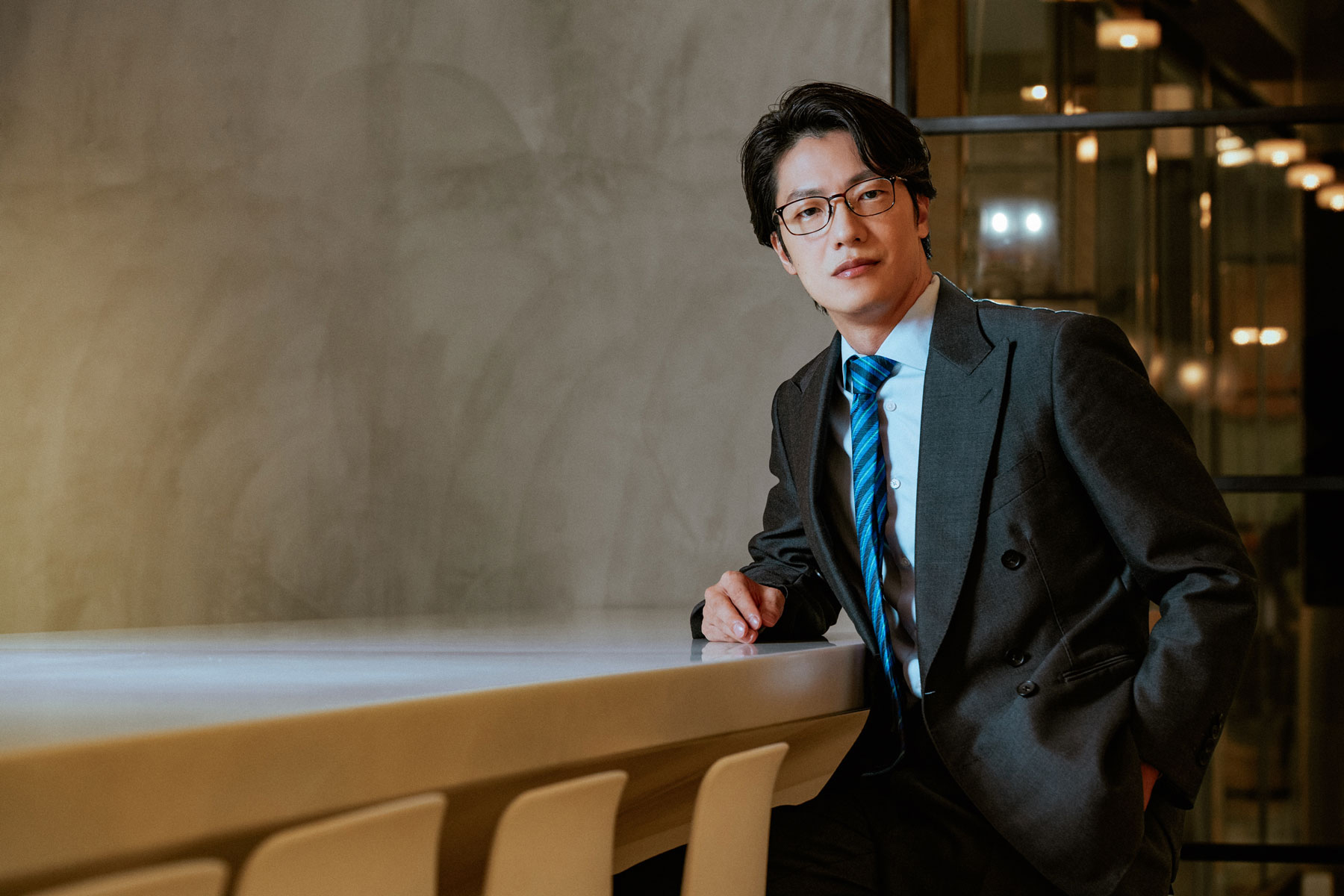
Detailed Chronology: The Evolution of Sisei Shishido and Digital Media
The Early Career and Traditional Broadcast Roots
Born on May 12, 1986, in Tokyo, Japan, Sisei Shishido built his reputation through decades of steady dedication to the craft of stand-up and sketch comedy. Long before algorithms could generate punchlines, Shishido was honing his skills in live theatrical spaces and regional comedy circuits.
In 2022, his comedic pedigree was recognized on major national platforms, including notable appearances on ABC’s flagship comedy showcases. By 2023, his career reached new milestones with critical acclaim at the prestigious R-1 Grand Prix, cementing his status as a master of deadpan delivery and structured absurdity.
Transitioning to the Digital Era
As television viewership declined among younger demographics in favor of YouTube, TikTok, and subscription-based streaming platforms, Shishido adapted. Rather than viewing digital media as a threat to traditional performance, he recognized it as an expansive canvas. His strategic integration of digital platforms allowed him to test experimental formats, reach international audiences, and collaborate with tech-forward creators.

However, this transition did not come without friction. The rapid proliferation of AI-generated content—ranging from deepfake audio clips to automated scriptwriters—has created a complex legal and ethical landscape for performers whose primary asset is their distinct voice and persona.
Supporting Context & Metrics: The State of AI in Entertainment
The global integration of artificial intelligence into creative industries has accelerated dramatically between 2024 and 2026. According to recent media analytics reports, over 65% of independent production houses in Tokyo and Los Angeles now utilize some form of generative AI in their pre-production workflows.
Key Industry Metrics (2024–2026)
- Scriptwriting & Ideation: Approximately 40% of digital sketch comedies utilize AI-assisted brainstorming tools to draft initial outlines.
- Voice Cloning & Localization: AI-driven voice translation has grown by 180%, enabling Japanese comedians to release multi-lingual content simultaneously without losing their unique vocal cadences.
- Intellectual Property Disputes: Claims regarding unauthorized digital likenesses and voice cloning have surged by 210% year-over-year, prompting stricter regulatory frameworks from government agencies.
Despite these technological advancements, audiences consistently report a heightened desire for genuine human connection. The paradox of the current era is that while technology makes replication easier than ever, the value of authentic, unscripted human error has skyrocketed.

Official Statements and Industry Perspectives
Sisei Shishido on Human Authenticity vs. Automation
In a series of recent interviews, Sisei Shishido addressed the elephant in the room: the encroachment of AI into comedy.
"Comedy is fundamentally about timing, vulnerability, and shared human experience," Shishido noted during a broadcast panel in Tokyo. "An algorithm can study my cadence, it can analyze my pauses, but it cannot feel the awkward silence of a room that isn’t laughing. That tension—that is where the soul of comedy lives."
Shishido’s perspective is echoed by many veteran performers who view AI not as a replacement, but as an advanced collaborator. By offloading menial tasks—such as rough-cutting video clips, generating automated transcripts, and managing multi-platform metadata—artists can free up mental bandwidth for pure creative expression.

Hardware and Software Integration: The HP OmniBook X Flip 14 AI PC
To understand how comedians like Shishido are producing content in the field, one must examine the hardware driving this revolution. Industry leaders have rolled out specialized hardware designed for high-performance creative tasks on the go.
A prime example is the HP OmniBook X Flip 14 AI PC, a device specifically engineered to support mobile AI processing. Equipped with a Neural Processing Unit (NPU) capable of exceeding 40 TOPS (Tera Operations Per Second), this machine represents a new class of "Copilot+ PC."
Hardware Highlights of the HP OmniBook X Flip 14 AI PC:
- On-Device AI Processing: Enables real-time transcription, automated video editing, and advanced audio filtering without relying entirely on cloud servers.
- Convertible Form Factor: Designed for creators on the move, transitioning seamlessly from a traditional laptop layout to a tablet or presentation stand.
- Advanced Display Technology: Features an ultra-bright OLED touchscreen optimized for color accuracy during video production and color-grading sessions.
- Ecosystem Integration: Deep integration with Microsoft Copilot and advanced productivity suites allows comedians to manage schedules, draft scripts, and analyze audience engagement metrics instantaneously.
Future Outlook: Where Comedy and Code Collide
As we look toward the remainder of the decade, the relationship between comedians and artificial intelligence will continue to mature. The initial panic surrounding automated joke-writing has given way to a more pragmatic understanding: AI is a powerful mirror, but it requires a human subject to reflect anything meaningful.

1. The Rise of Hybrid Performance Formats
Comedians of Shishido’s caliber are uniquely positioned to pioneer hybrid performance models. Imagine a live stage show where audience reactions are analyzed in real-time by edge-AI systems, prompting improvisational prompts for the comedian on stage. This creates a dynamic, responsive entertainment experience that has never been possible before.
2. Legal Protections and Digital Rights
As deepfake technology and voice cloning become democratized, legal frameworks protecting a performer’s likeness must evolve. Industry unions in Japan and internationally are currently lobbying for robust "Right of Publicity" laws that criminalize unauthorized AI training on a living artist’s voice and physical appearance without explicit consent and compensation.
3. The Enduring Value of the Human Element
Ultimately, the core thesis of Sisei Shishido’s comedic philosophy remains unchanged: technology can amplify the message, but it cannot author the experience. As machines become more human-like, the distinct, beautiful imperfections of human comedians will become the most valuable commodity in the global entertainment ecosystem.

© 2026 Cinra, Inc. All rights reserved. Original reporting and editorial curation provided in collaboration with digital media analysts and entertainment industry associations.









Belum ada komentar. Jadilah yang pertama berkomentar!