

Executive Overview
The landscape of modern avant-garde performance art has undergone a profound structural and philosophical transformation over the past six decades. Once defined by radical provocation, ephemeral happenings, and an uncompromising rejection of mainstream commercialism, the medium has evolved into a sophisticated, highly scrutinized discipline that occupies both prestigious cultural institutions and global digital networks.
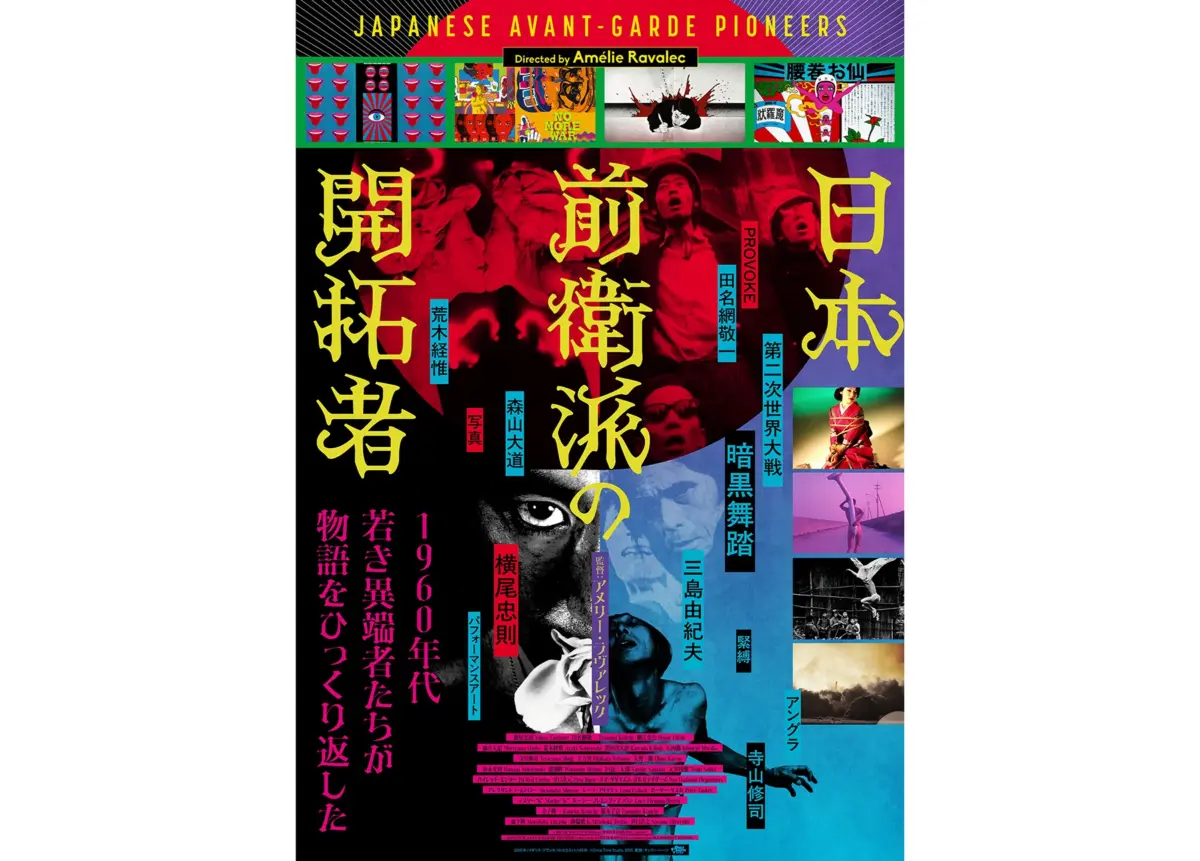
This comprehensive report examines a landmark retrospective exhibition running through July 7, celebrating the monumental contributions of Japan’s pioneering avant-garde artists, directors, performers, and theorists. Spanning six decades of boundary-pushing creativity, the exhibition brings together rare archival materials, multimedia documentation, and conceptual installations from legendary figures such as Shuji Terayama, Yoko Ono, Tatsumi Hijikata, Kazuo Ohno, and Jiro Yoshihara.
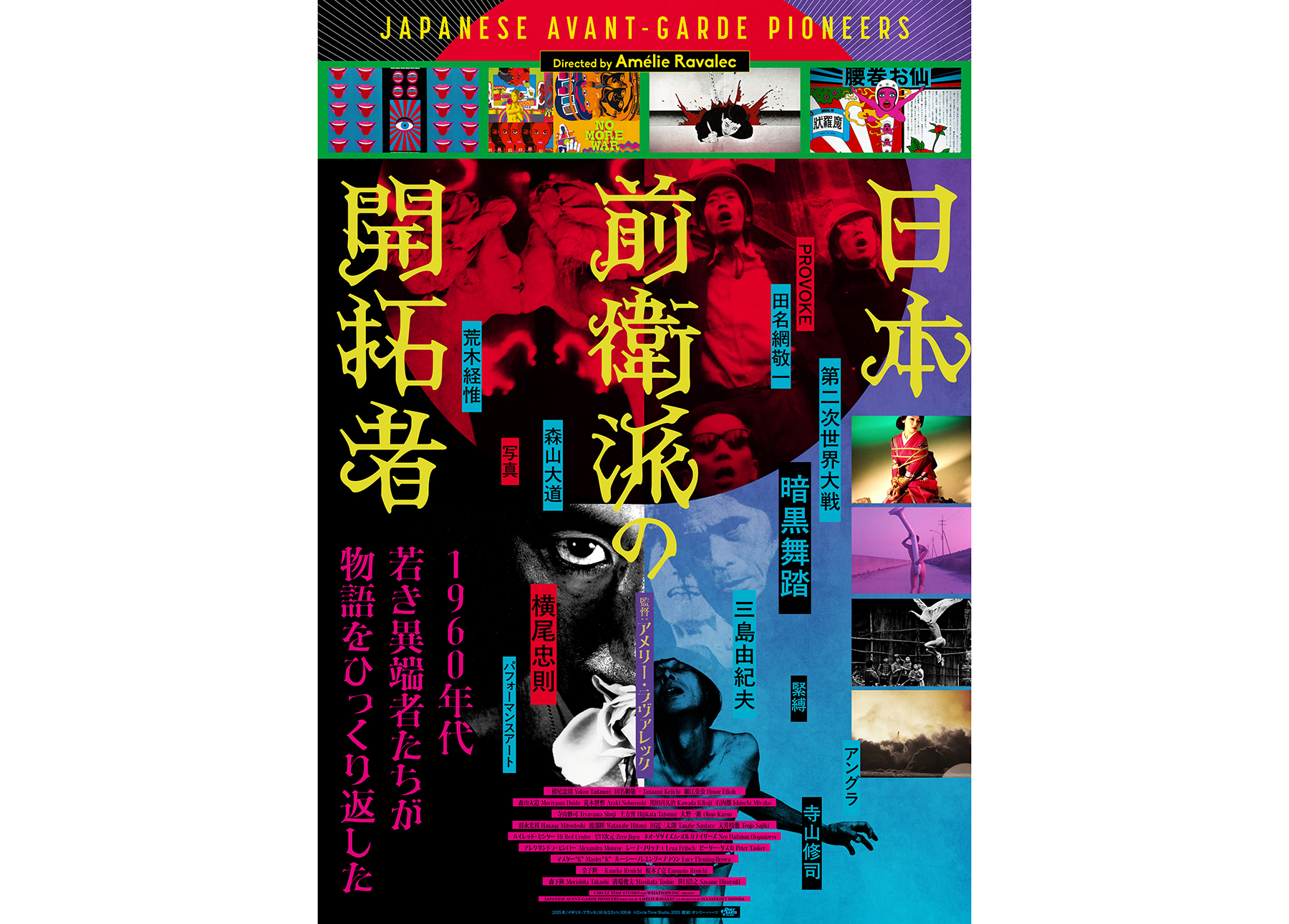
By analyzing the historical framework, theoretical underpinnings, and contemporary relevance of these pioneering movements—including Gutai, Ankoku Buto (Butoh), and radical conceptual theater—this feature explores how 20th-century iconoclasm continues to shape modern creative expressions, performance theory, and cultural discourse worldwide.
Detailed Chronology: The Roots of Post-War Japanese Avant-Garde
To understand the scope of contemporary experimental performance, one must retrace the sociopolitical and artistic upheavals of post-war Japan. The devastation of World War II left an intellectual vacuum that stimulated a fierce desire for reinvention among young creators. Traditional artistic frameworks were viewed as complicit in the nation’s wartime trajectory, prompting a radical search for unmediated, authentic human expression.
The 1950s: The Birth of Gutai and Anti-Art Movements
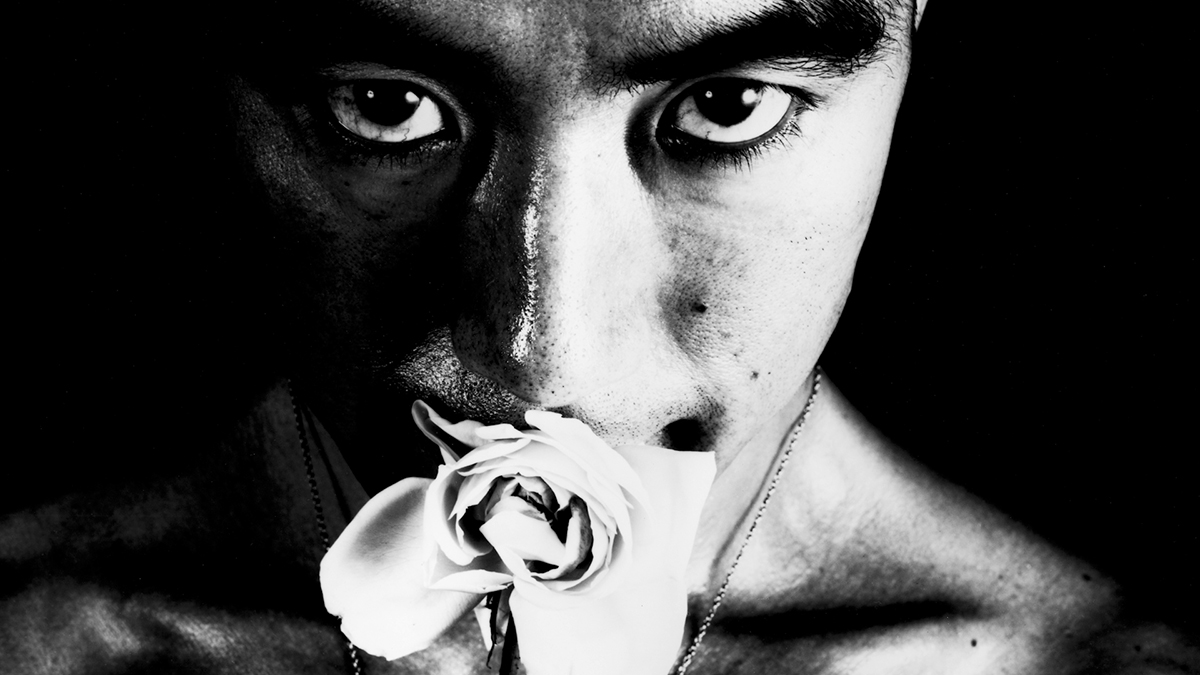
In the mid-1950s, artists rejected the confines of traditional canvas painting and polite gallery spaces. The formation of the Gutai Art Association in 1954, spearheaded by Jiro Yoshihara, marked a watershed moment. Gutai—meaning "embodiment" or "concrete"—emphasized the direct interaction between human spirit and physical matter. Artists painted with their feet, hurled mud, launched canvases into the air, and created interactive environments that prioritized the act of creation over the finished product. This ethos laid the groundwork for global performance art, preempting Western happenings and action painting by years.
The 1960s: Underground Theater, Provocation, and Spatial Interventions
As Japan entered the turbulent sociopolitical climate of the 1960s, marked by anti-security treaty (Anpo) protests and rapid industrialization, performance art migrated from galleries to the streets, underground jazz clubs, and makeshift tent theaters.
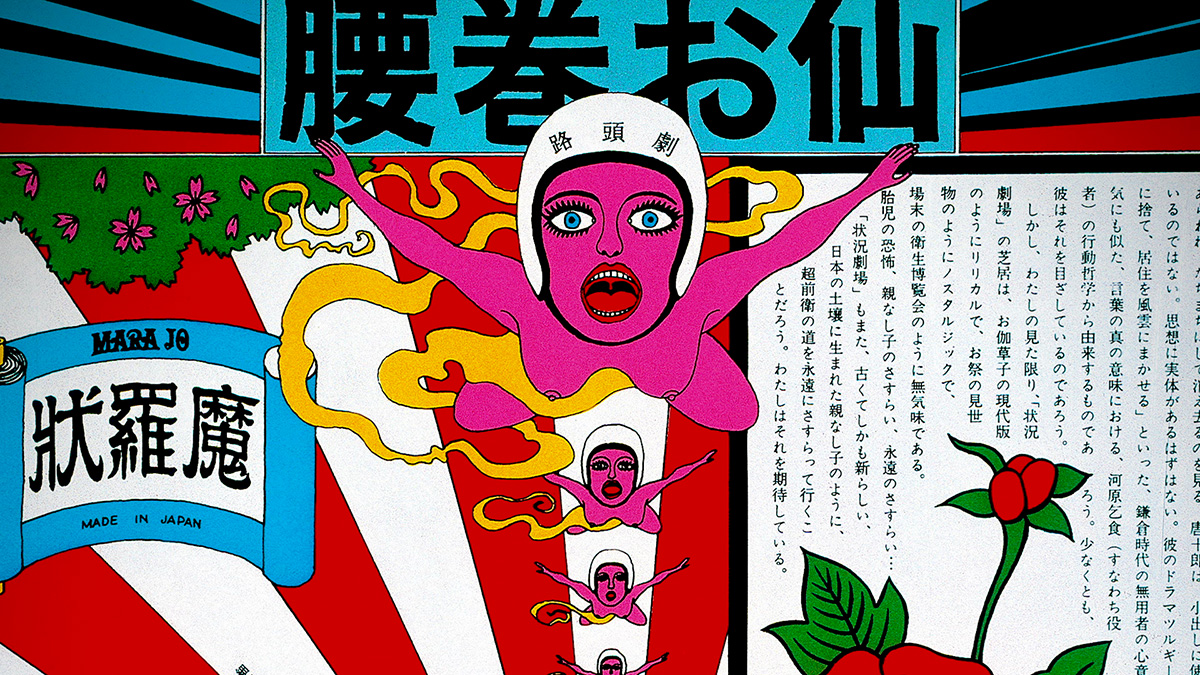
Visionaries like Shuji Terayama founded the radical theater troupe Tenjo Sajiki (The Gallery on the Ceiling), transforming public spaces into surrealist dreamscapes that challenged bourgeois morality, political complacency, and traditional narrative structures. Simultaneously, the birth of Ankoku Buto (Butoh)—pioneered by Tatsumi Hijikata and Kazuo Ohno—introduced a radical corporeal vocabulary. Characterized by white-painted bodies, contorted postures, slow-motion movements, and deep explorations of the subconscious, Butoh bypassed Western classical ballet aesthetics to unearth the visceral realities of post-war trauma, rural memory, and visceral human existence.
Supporting Context & Metrics: Key Movements and Figures
The current retrospective meticulously charts the cross-pollination of these various avant-garde disciplines. Below is an analytical breakdown of the core movements and seminal figures featured in the exhibition:
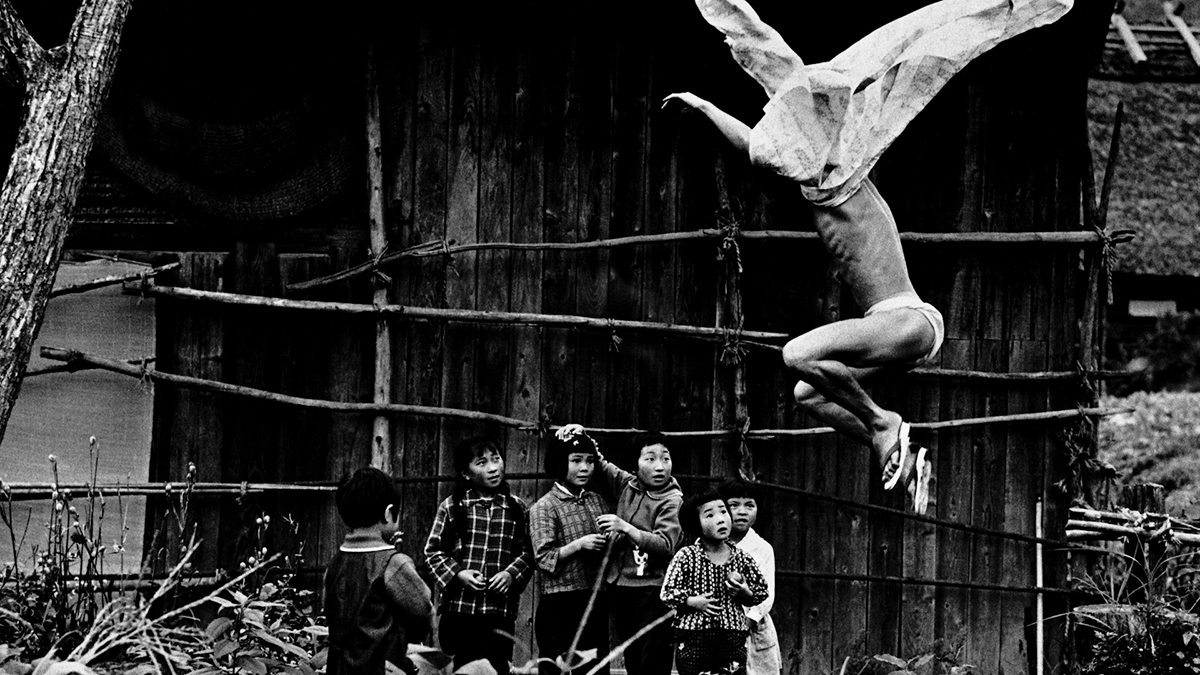
- Jiro Yoshihara & The Gutai Group: Championed physical immediacy, performance-based painting, and site-specific installations that defied material boundaries.
- Tatsumi Hijikata & Kazuo Ohno: Co-founders of Butoh, exploring visceral corporeality, ancestral memory, and anti-aesthetic movement techniques.
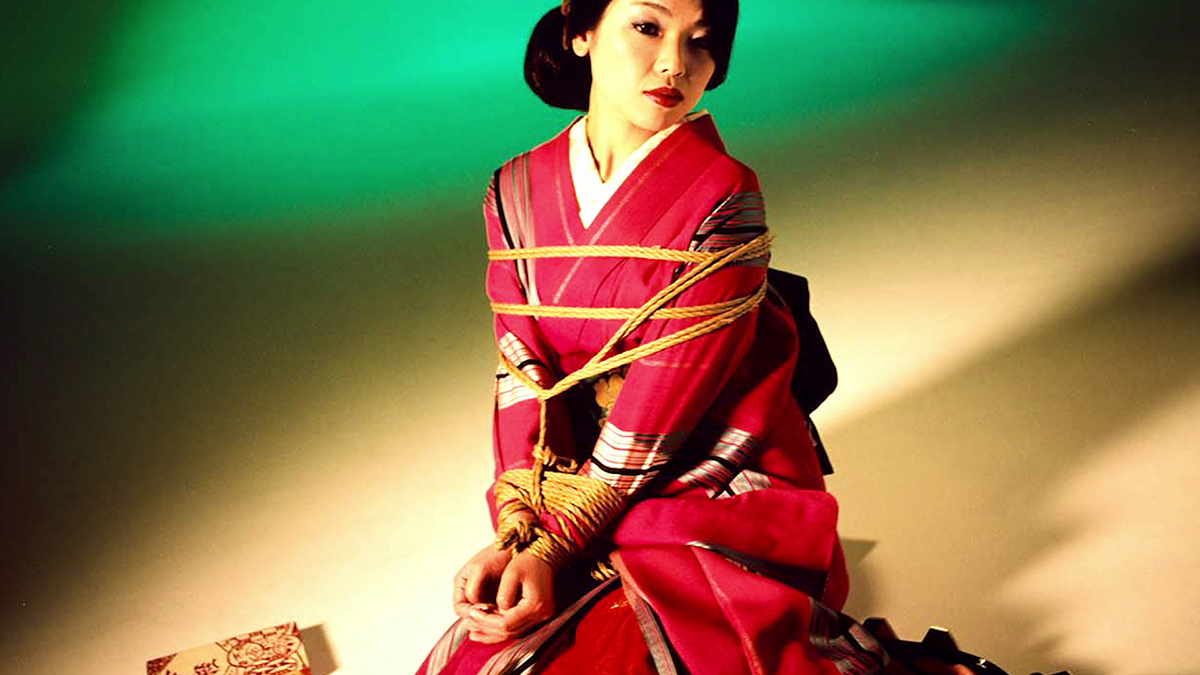
- Shuji Terayama & Tenjo Sajiki: Merged avant-garde poetry, street theater, audience participation, and psychoanalytic surrealism to provoke social awakening.
- Yoko Ono & Concept Art: Bridged the gap between New York’s Fluxus movement and Japanese conceptualism, inviting audiences to complete the artwork through imagination and direct participation.
- Akio Takamatsu & Spatial Interventionists: Utilized architecture, urban decay, and ephemeral materials to construct temporal zones of resistance.
Comparative Analysis of Avant-Garde Paradigms
| Movement / Collective | Primary Mediums | Core Philosophical Tenet | Legacy in Modern Art |
|---|---|---|---|
| Gutai Art Association | Action painting, performance, installation | Materiality meets direct human action | Precursor to interactive installation and performance art |
| Ankoku Buto (Butoh) | Body art, choreography, expressionist dance | Unearthing repressed memory and trauma through the body | Influenced contemporary global dance theater and physical acting |
| Tenjo Sajiki | Street theater, happenings, multimedia | Dismantling the barrier between performer and spectator | Pioneered immersive, site-specific theater and guerrilla art |
| Fluxus / Conceptualists | Instructions, scores, minimalist objects | Art as an idea, participatory enactment | Formative for conceptual art, digital interactivity, and relational aesthetics |
Official Statements and Curatorial Vision
Curators of the retrospective have emphasized the profound urgency of revisiting these historical works in an era dominated by digital replication and curated virtual identities.
In a joint curatorial statement released alongside the exhibition catalog, lead researchers noted:
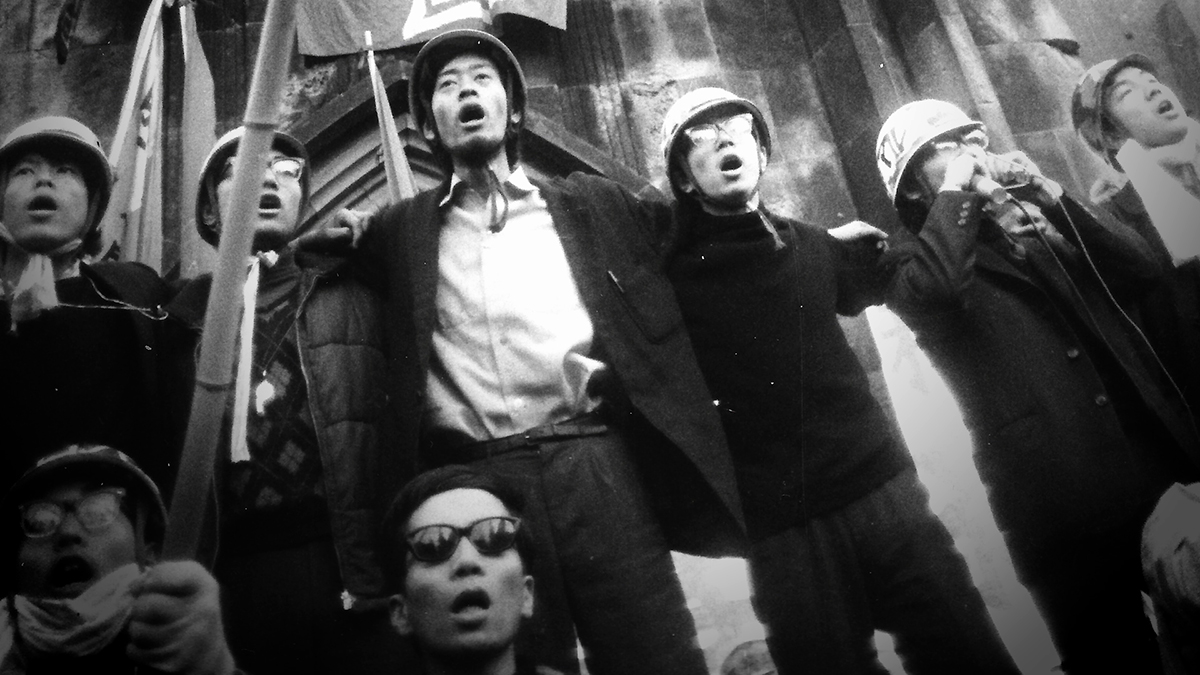
"The radical expressions of the post-war Japanese avant-garde were never merely exercises in shock value or aesthetic rebellion. They were existential survival tactics. In an era when societal norms were rapidly reconstructed around industrial recovery and economic growth, these artists carved out spaces of profound interiority, political dissent, and corporeal truth. By bringing together archival ephemera, rare film footage, and original installation scores, our aim is not to historicize these movements as relics of the past, but to activate them as living inquiries into the nature of freedom, expression, and human connection today."
Furthermore, cultural critics and performance historians have highlighted how the methodologies developed in Tokyo’s 1960s underground scene anticipated contemporary debates surrounding public space, bodily autonomy, and institutional critique. The exhibition serves as a vital pedagogical bridge, reminding modern practitioners that experimental art requires both rigorous conceptual backing and fearless emotional investment.
Future Outlook: The Enduring Echo of the Avant-Garde
As the retrospective continues its run through July 7, its resonance extends far beyond museum walls. Educational workshops, live re-enactments, and academic symposia scheduled throughout the exhibition period are fostering a new generation of interdisciplinary dialogue.
Key Takeaways for the Future of Performance Art:
- Re-evaluating the Ephemeral: In an increasingly digitized and permanent digital archive culture, the avant-garde emphasis on the unrepeatable live moment offers a powerful antidote to digital fatigue.
- Radical Inclusivity and Audience Agency: The instructional scores of conceptual artists remind contemporary creators that the audience is an active co-creator of meaning, rather than a passive consumer.
- Corporeal Resistance: As virtual realities and AI-generated imagery saturate modern media, physical performance art—rooted in breath, sweat, and vulnerability—reasserts the irreplaceable primacy of the human body.
Ultimately, the legacy of Japan’s post-war avant-garde remains a beacon for uncompromising artistic integrity. By examining the audacity of those who painted with mud, danced with ghosts in white clay, and transformed city streets into theaters of the absurd, contemporary culture finds enduring inspiration to question, provoke, and reimagine the boundaries of human experience.





Belum ada komentar. Jadilah yang pertama berkomentar!