

Executive Overview
Baldur’s Gate 3 remains a towering achievement in modern computer role-playing games (CRPGs), capturing the hearts of millions with its cinematic flair, intricate narrative branching, and deep tactical combat. Yet, even the most celebrated masterpieces are not immune to pacing critiques. Since its release, a persistent sentiment among a segment of the player base has been that Act Two—while atmospheric, brilliantly acted by talent such as J.K. Simmons, and steeped in gothic dread—can feel somewhat linear and visually monotonous. Once adventurers step foot into the oppressive, perpetual gloom of the Shadow-Cursed Lands, they are largely locked into a singular, high-stakes narrative trajectory that flows directly toward the glittering, sprawling chaos of the game’s eponymous metropolis in Act Three.
Enter the modding community, the historical lifeblood of PC gaming, which has once again stepped up to fill a creative gap left untouched by official expansions. Following nearly two years of meticulous, behind-the-scenes development, modder SquallyDaBeanz has released "Baldur’s Gate 3: Act Two Expansion."
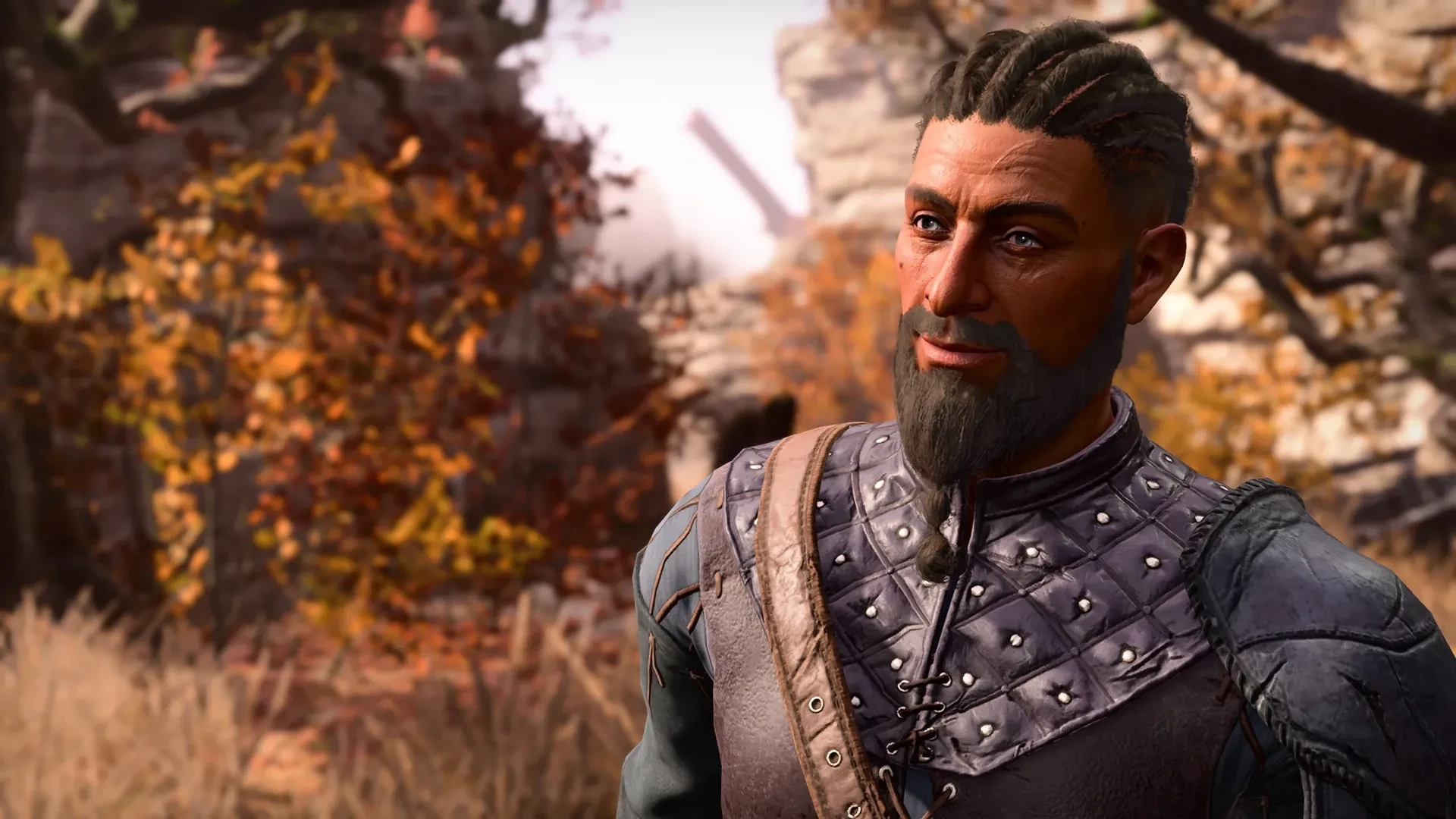
This ambitious fan-made project introduces an entirely custom zone known as The Chionthar Wilds. Designed to match the robust scope of the Wilderness areas found in Act One, this new region bridges the thematic gap between the stifling horror of the Shadow-Cursed Lands and the urban density of Baldur’s Gate. Complete with over 30 bespoke combat encounters, more than 70 new items, fresh quests, distinct NPCs, and dedicated cutscenes, the mod functions as a traditional, old-school CRPG expansion. It offers players a breath of fresh air—and sunlight—just when fatigue from the shadows might otherwise begin to set in.
Detailed Chronology: The Two-Year Journey to The Chionthar Wilds
The genesis of Baldur’s Gate 3: Act Two Expansion traces back to a common observation among hardcore role-players who spent hundreds of hours dissecting Larian Studios’ magnum opus. While Act One presents a sun-drenched, open-ended sandbox bursting with diverse biomes—from sun-bleached coastal cliffs and goblin-infested ruins to subterranean fungal caverns—Act Two narrows the lens dramatically. The deliberate tonal shift into the Reithwin region and its surrounding cursed perimeter is a narrative triumph, but it leaves little room for players who desire broader exploration, faction dynamics, and environmental variety before pushing onward to the city gates.
Recognizing this gap, modder SquallyDaBeanz embarked on a monumental undertaking nearly twenty-four months prior to the project’s public launch. Building custom regions for a modern title running on Larian’s proprietary Divinity Engine 4 is no trivial matter. Unlike older Bethesda or BioWare titles with long-standing, heavily documented construction sets, modding a game as complex as Baldur’s Gate 3 requires reversing, adapting, and engineering workflows that push the boundaries of unofficial development tools.
Over the course of two years, the project evolved from a speculative concept into a fully realized playable chapter. The developer focused heavily on recreating the ecological and architectural identity of the Sword Coast’s river valleys. Named after the vital waterway that feeds the region, The Chionthar Wilds were meticulously sculpted to evoke the classic, pastoral Dungeons & Dragons fantasy imagery that many tabletop veterans fondly recall.
Upon reaching completion, the mod dropped on Nexus Mods to immediate fanfare. The release was accompanied by a polished launch trailer showcasing sweeping river vistas, dense foliage, and entirely unfamiliar tactical battlegrounds. Designed with flexibility in mind, the expansion can be experienced naturally by adventuring parties who have just concluded their harrowing business in the Shadow-Cursed Lands—ideally recommended for characters sitting comfortably around Level 8 or higher. Alternatively, for players eager to dive straight into the new content without retracing their campaign footsteps, a dedicated quickstart option provides immediate transportation to the region alongside customizable equipment packages and hirelings.
Supporting Context & Metrics: Scope, Scale, and Game Balance
To understand the magnitude of Baldur’s Gate 3: Act Two Expansion, one must examine the raw metrics and structural design choices embedded within the mod. SquallyDaBeanz did not merely drop a few prefabricated asset bundles into an empty map; the Chionthar Wilds have been engineered to offer a substantive, multi-hour gameplay detour that respects the pacing and progression of a standard campaign playthrough.
Key Content Metrics:
- Map Scope: Comparable in geographical size and exploratory depth to the Act One Wilderness.
- Combat Encounters: Over 30 custom-designed encounters featuring entirely new tactical challenges, enemy layouts, and environmental hazards.
- Loot Economy: More than 70 unique new items, weapons, and gear pieces integrated into the regional reward structure.
- Narrative Integration: Brand-new localized quests, interactive non-player characters, and custom-scripted cutscenes that flesh out the lore of the river basin.
A critical design challenge for any major content mod in a level-capped RPG is maintaining game balance. If custom zones grant too much experience points (XP), players will rapidly outlevel the subsequent chapters, rendering the tactical challenge of Act Three completely trivial. Conversely, if rewards are paltry, the incentive to explore diminishes.
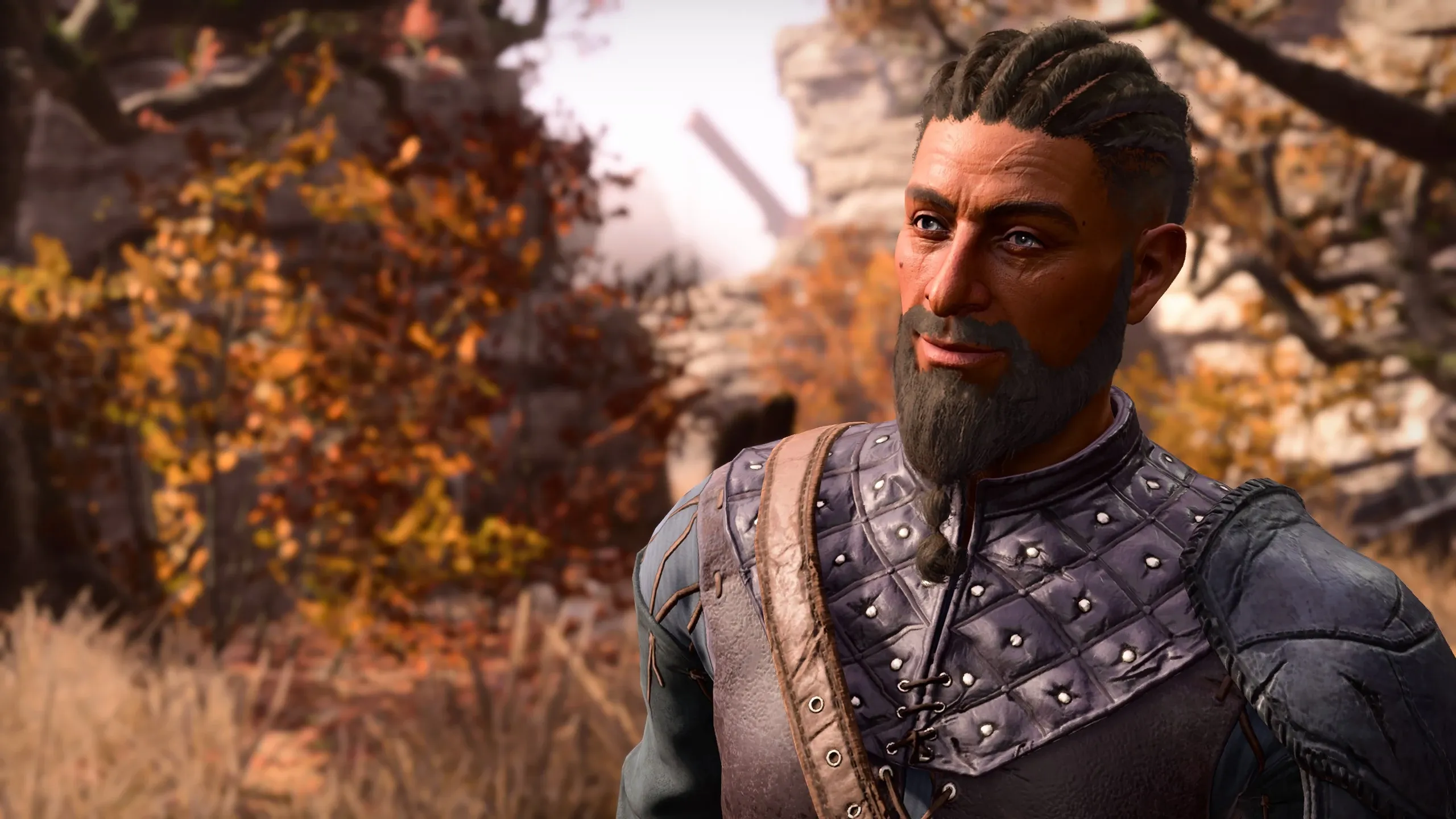
To solve this, SquallyDaBeanz implemented artificially reduced XP gains within the Chionthar Wilds. This deliberate adjustment ensures that completionists can thoroughly pillage every ruin, chat with every local inhabitant, and conquer every tactical threat without breaking the mathematical progression curve intended by Larian Studios for the remainder of the official campaign. Players emerge from the expansion appropriately tested and rewarded, but not overpowered for the urban trials awaiting them in Baldur’s Gate proper.
Official & Community Perspectives: The Old-School CRPG Philosophy
While the mod achieves technical feats that frequently astonish casual observers, it is equally important to contextualize its design limitations within the broader landscape of modern video game development.
Larian Studios famously established a new industry standard for interactive storytelling through Baldur’s Gate 3. Every single line of dialogue—comprising over 170,000 unique variations—is fully voiced by professional actors. Thousands of cinematic cutscenes feature dynamic camera angles, motion capture, and reactive branching based on hundreds of micro-choices. Furthermore, mechanics like Speak with Animals and Speak with Dead ensure that almost every corpse and critter in the game world holds a secret.
An unofficial, single-developer passion project cannot reasonably replicate this astronomical production budget. Consequently, the Chionthar Wilds embrace a deliberate design throwback that will feel intimately familiar to veterans of classic, turn-based CRPGs from the late 1990s and early 2000s:
- Unvoiced Dialogue: Interactions rely on traditional text boxes and reading comprehension rather than fully articulated voice performances.
- Scoped Reactivity: Due to the sheer complexity of the game’s reactive narrative web, choices made within the Chionthar Wilds do not weave deep butterfly-effect ripples into the main storylines of Act Three.
- Targeted Mechanics: Specialized narrative tools—such as conversing extensively with woodland fauna or unearthing the final thoughts of every fallen foe—are absent from the custom NPCs and creatures.
Far from being viewed as negative flaws by the community, these constraints have been embraced as a badge of classic authenticity. As player discussions across forums like Reddit and Nexus Mods highlight, breaking out the "reading glasses" and leaning into a traditional, dialogue-heavy adventure captures the nostalgic spirit of classic tabletop sessions and golden-age PC role-playing games. It strips away the cinematic gloss to focus entirely on tactical combat, environmental discovery, and pure textual storytelling.
Future Outlook: The Endless Horizon of Baldur’s Gate 3 Modding
The release of the Act Two Expansion marks a significant milestone not just for SquallyDaBeanz, but for the entire Baldur’s Gate 3 modding ecosystem. While Larian Studios has officially moved on from developing direct expansions or sequels within the D&D IP—pivoting instead toward new creative horizons—the community has firmly taken the reins of the Sword Coast’s future.
As modding tools continue to mature and community-driven documentation expands, projects of this scale signal a vibrant future for long-tail engagement. We are moving past simple cosmetic overrides, dice skin replacements, and minor stat tweaks into the realm of full-scale amateur game design. Talented creators are constructing bespoke adventures that extend the lifespan of beloved digital worlds by dozens of hours.
For players seeking to continuously warp, reshape, and expand their campaigns into the ultimate manifestation of their personal D&D fantasies, the modding scene offers an inexhaustible well of content. Whether you are looking to install quality-of-life improvements, overhaul tactical difficulty, or explore sunlit river valleys that never made it into Larian’s official design docs, the community ensures that the gates of Baldur’s Gate will remain open for years to come.








Belum ada komentar. Jadilah yang pertama berkomentar!