In the hyper-competitive arena of Japanese convenience store (konbini) gastronomy, innovation is the lifeblood of survival. Major chains like 7-Eleven, FamilyMart, and Lawson are locked in an eternal, relentless war for the palates and pocketbooks of busy commuters, students, and late-night workers. Every week brings a flurry of new iterations on classic favorites—omurice, bento boxes laden with fried chicken, elaborate pasta salads, and gourmet rice balls (onigiri).
Yet, even within an industry known for its eccentricities, Lawson’s latest product rollout marks a radical departure from conventional culinary design. Enter the Ittentoppasugi line—a series of bento boxes defined by a hyper-fixation so intense it borders on the philosophical.
Rooted in the Japanese suffix -sugi (implying "too much" or "excessive") and ittentoppa ("single-minded" or "laser-focused"), these new meals strip away the traditional variety expected of a Japanese boxed lunch. Gone are the neat side dishes of pickled daikon, a solitary rolled omelet (tamagoyaki), or boiled broccoli florets. In their place is a stark, unapologetic expanse of a single primary ingredient laid bare over a bed of rice.
Whether it is a tray completely carpeted in buttery, roasted corn; a bed of rice overlaid with a grid of teriyaki-glazed sausages; or a solitary, stark piece of salted salmon (bodakko) from Akita Prefecture, Lawson is betting that contemporary consumers are ready to embrace ultra-minimalist comfort food.
Priced aggressively low to appeal to budget-conscious shoppers amid lingering economic pressures, these stark meals have ignited a firestorm of online debate. While some consumers praise the chain for offering affordable, no-frills sustenance, others lament the death of culinary diversity, likening the offerings to unrolled rice balls or rationing rations in a dystopian novel. This report provides an in-depth examination of the Ittentoppasugi lineup, exploring the linguistic roots of the marketing campaign, the specific nutritional and economic breakdowns of the products, consumer reactions across social media, and the broader implications for the Japanese convenience store industry.
Detailed Chronology and Product Lineup
The rollout of the Ittentoppasugi series is scheduled strategically across late September, accompanied by a parallel, yet philosophically opposing, luxury line known as Zeitakusugi ("too luxurious"). However, it is the radical minimalism of the single-minded bento boxes that has captured the public imagination.
September 22: The debut of the Ittentoppasugi Shikitsume Gohan Teriyaki Sausage and the Ittentoppasugi Shikitsume Gohan Bodakko (salted salmon).
September 29: The delayed release of the crown jewel of minimalism: the Ittentoppasugi Shikitsume Gohan Yaki Tomorokoshi (Roasted Corn Bento).
Dissecting the Menu: A Closer Look at the Bento Boxes
To understand the audacity of Lawson’s new releases, one must examine their composition component by component.
The Roasted Corn Bento (Yaki Tomorokoshi) – 297 Yen (~$1.85 USD)
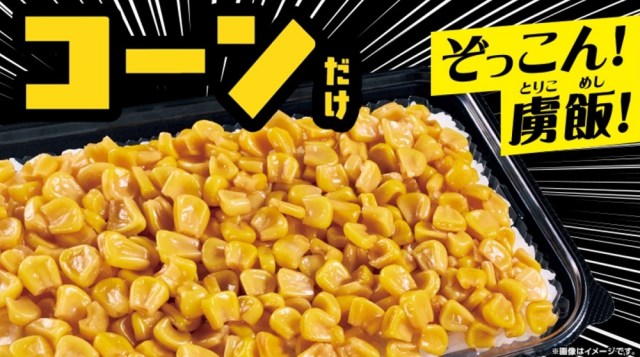
Promoted under the bold, whimsical banner of "JUST CORN," this bento is perhaps the most visually striking of the trio. A rectangular plastic tray is filled with a compressed bed of white rice (shikitsume gohan), upon which rests a dense, unbroken blanket of golden corn kernels. The corn has been roasted and coated in a savory, aromatic buttery soy sauce blend. There are no peas for color, no meat for protein, and no hidden surprises underneath. It is pure, unadulterated corn-on-rice.
The Teriyaki Sausage Bento – 397 Yen (~$2.47 USD)
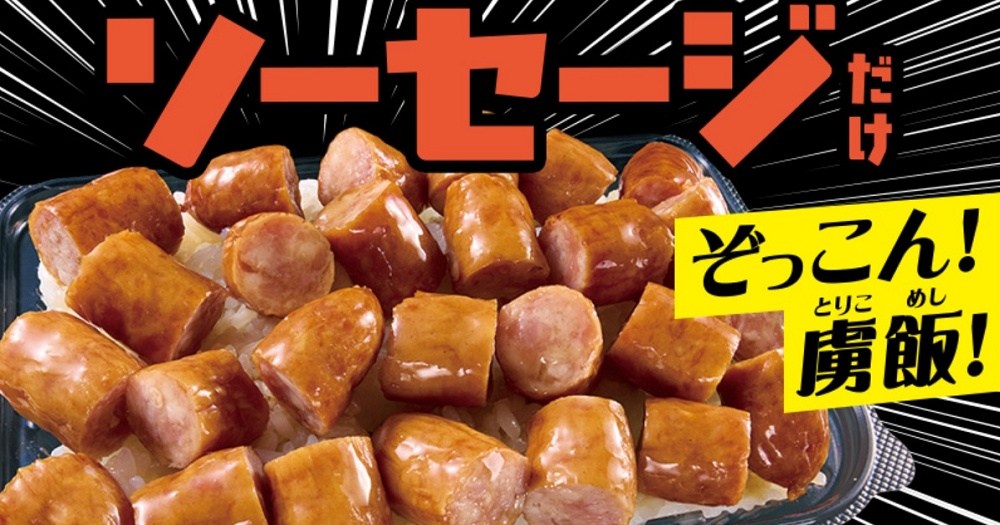
For those seeking a more substantial protein profile, Lawson offers the teriyaki sausage variant. While slightly more expensive, its presentation retains the unartful, industrial aesthetic of its peers. Sliced sausages are laid out systematically across a bed of rice, drenched in a sticky, sweet-and-savory teriyaki reduction. Though the visual presentation has been criticized for resembling a hastily assembled home-cooked meal made from pantry leftovers, the flavor profile introduces a novel fusion of processed meat and traditional Japanese glaze.
The Bodakko Salted Salmon Bento – 297 Yen (~$1.85 USD)
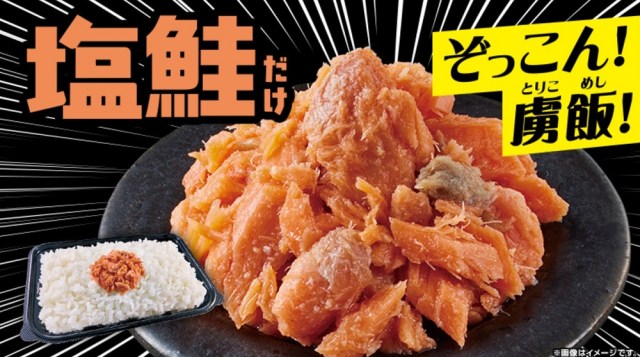
Rounding out the triad is the Bodakko bento, featuring a regional specialty from Akita Prefecture. Bodakko is renowned for being aggressively salted and cured, a preservation method born from the harsh northern winters of Japan’s past. Unlike the corn or sausage bento, which cover the entirety of the rice bed in small pieces, the salmon bento features a single, prominent fillet resting centrally upon the rice. It is sparse, almost depressingly spartan, yet deeply tied to traditional Japanese flavors where a small piece of fish must season a large quantity of plain rice.
Supporting Context & Metrics: Economics and Linguistics
The Linguistic Nuances of -Sugi and Ittentoppa
To fully appreciate the marketing genius—or madness—behind Lawson’s campaign, one must dissect the Japanese terminology employed.
In everyday Japanese, the suffix -sugi (過ぎ) is attached to the stem of adjectives or verbs to indicate excess. For example, takai (expensive) becomes takasugi (too expensive); taberu (to eat) can yield tabesugi (overeating). However, the nuance is slippery. It walks a fine line between a positive intensification ("very") and a critical assessment ("overly"). When applied to human traits, calling someone yasashisugi (too kind) can imply they are wonderfully empathetic, or conversely, that they lack boundaries and are easily taken advantage of.
By coupling -sugi with ittentoppa (一点突破), which translates literally to "single-point breakthrough" or, more idiomatically, "laser-focused" and "single-minded," Lawson created a neologism: Ittentoppasugi. It suggests a corporate strategy that has pushed single-mindedness past the point of rationality and straight into absurdity.
The Economics of Affordability: Fighting Inflation
Beyond the linguistic novelty, the pricing strategy of the Ittentoppasugi line reveals a much more pragmatic economic reality. Japan, like much of the global economy, has faced persistent inflationary pressures in recent years, affecting the costs of imported grains, energy, and logistics. Convenience store bento boxes, which once comfortably sat in the 500-to-600-yen range, have steadily crept upward, with many specialty lunches breaching 800 or 1,000 yen.
At 297 yen for the corn and salmon bento, and 397 yen for the sausage variant, Lawson is deliberately undercutting the market. These prices harken back to an older era of Japanese retail pricing, offering a lifeline to budget-constrained students, part-time workers, and elderly consumers living on fixed incomes.
The strategy shares DNA with discount-focused retail models, prompting many industry observers to ask whether Lawson is blurring the lines between its main convenience store brand and its budget-oriented sister chain, Lawson Store 100.
Official Statements and Consumer Reactions
The Corporate Counter-Balance: The Zeitakusugi Line
Akil Lawson and its marketing executives were well aware that an entire nation of food enthusiasts would not quietly accept a diet of purely single-ingredient rice boxes. To hedge their bets, the company simultaneously announced the Zeitakusugi ("too luxurious") line.
While the Ittentoppasugi items lean into minimalist austerity, the Zeitakusugi collection swings the pendulum aggressively in the opposite direction:
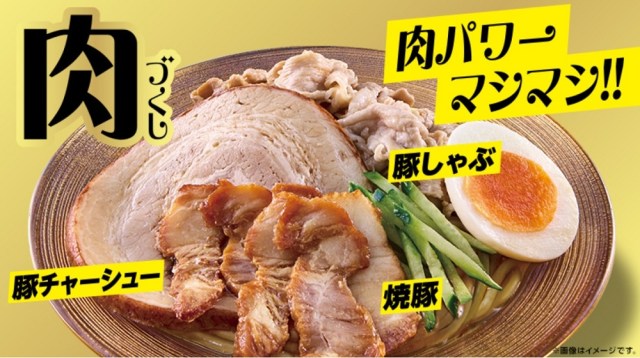
Extra-Meaty Hiyashi Chuka: Cold ramen noodles piled high with a decadent trifecta of roast, stewed, and grilled pork, priced at 797 yen.
The Ultimate Mont Blanc: A whole, boxed pastry overflowing with candied Japanese chestnuts, priced at 786 yen.
By launching these two opposing series side-by-side, Lawson has engineered a brilliant PR narrative: they are catering simultaneously to the budget-pinched realist and the hedonistic indulgence-seeker.
The Internet Reacts: A Nation Divided
As is customary in Japan’s hyper-online consumer culture, the unveiling of the Ittentoppasugi bento boxes sparked an immediate, viral debate across social media platforms like X (formerly Twitter) and Yahoo! Japan News comments sections. The reactions ranged from outright mockery to profound existential appreciation:
"This is terrible. It looks like they just took a rice ball and smeared it out flat across a plastic tray."
"It’s simple-sugi… and honestly, I’m morbidly intrigued enough to buy one."
"You might as well just print ‘Luxuries are forbidden’ right there on the packaging in bold letters."
"Thank you, Lawson, for taking pity on us poor folks during these hard economic times. I’ll definitely be buying these."
"That’s not single-minded; that’s genuinely shocking. I just can’t get on board with eating a box of straight corn."
"Shouldn’t they be leaving this kind of ultra-budget gimmickry to their 100-yen discount subsidiary stores?"
Future Outlook: A Gimmick or a Glimpse of the Future?
As the rollout dates of September 22 and September 29 approach, the retail food industry is watching Lawson’s experiment closely. Will the Ittentoppasugi bento boxes prove to be a fleeting viral sensation—purchased once for the novelty of taking a social media photo before fading into obscurity—or do they represent a sustainable paradigm shift in convenience store economics?
In an era where consumers are increasingly fatigued by inflation and overwhelmed by choices, there is a paradoxical comfort in radical simplicity. For the consumer who genuinely loves buttered corn, or the nostalgic salaryman seeking the intense saltiness of Akita’s Bodakko without paying for superfluous side dishes, these bentos offer unadulterated satisfaction at an unbeatable price point.
Whether the public views them as a depressing symbol of economic tightening or a stroke of genius minimalism, Lawson has successfully achieved the primary goal of modern marketing: they have everyone talking. As long as supplies last—whether referring to Lawson’s stockroom inventories or the global supply of corn and sausage—the Ittentoppasugi series has firmly cemented its place in the quirky annals of Japanese convenience store lore.










Belum ada komentar. Jadilah yang pertama berkomentar!