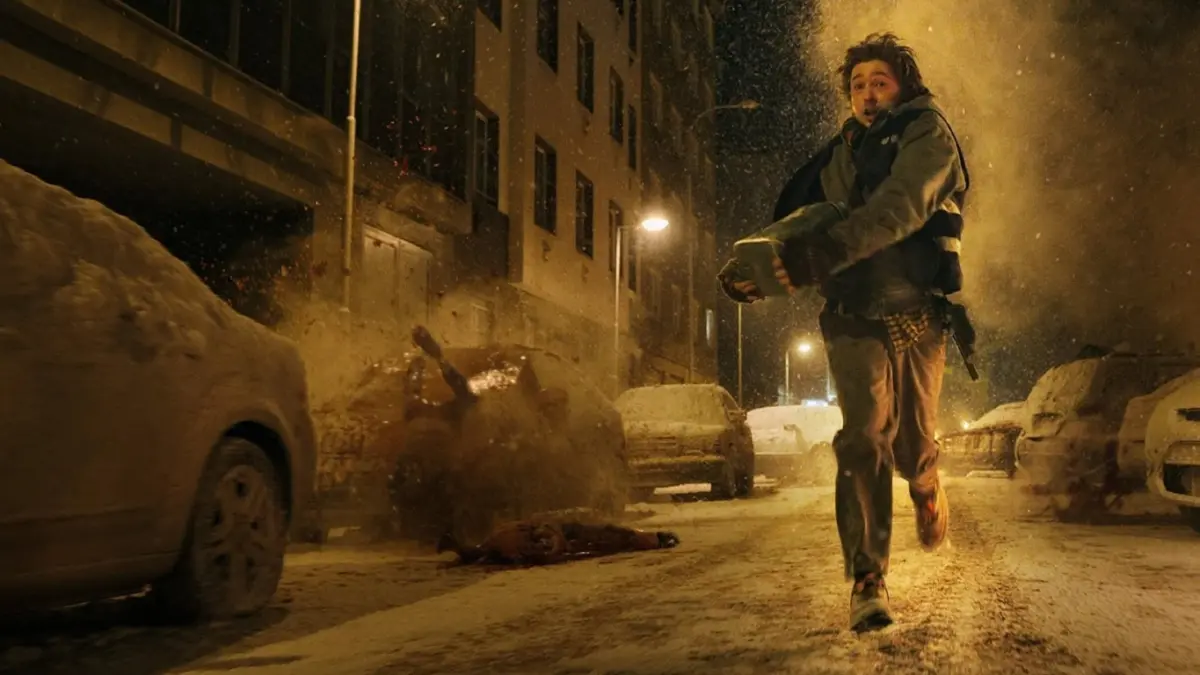
The global box office has officially caught the infection. This weekend, the long-running cinematic adaptation of Capcom’s legendary survival horror franchise roared back to life, delivering a staggering franchise-best global debut of $108.3 million. Distributed by TriStar Pictures, Constantin Film, and Davis Films, the latest Resident Evil reboot has successfully rewritten the rules of video game adaptations, blending high-concept horror direction with mainstream blockbuster appeal.
At the helm of this terrifying renaissance is writer-director Zach Cregger, whose distinct vision has transformed what was once viewed as a dormant cinematic property into a certified cultural event. Headlined by Austin Abrams, the film pulled in an imposing $60 million domestically alongside an impressive $48.3 million internationally, completely obliterating industry tracking estimates and signaling a monumental shift in how major studios approach interactive-to-film adaptations.
This historic opening not only establishes a high-water mark for the Resident Evil cinematic universe—eclipsing previous entries by wide margins—but also cements Cregger’s status as a modern maestro of horror. As multiplexes grapple with the film’s relentless momentum, the industry is forced to take notice: a new era of cinematic terror has begun, and audiences are ravenous for it.
Detailed Chronology: From Concept to Box Office Domination
The Long Shadow of Raccoon City
To truly understand the magnitude of Resident Evil’s opening weekend, one must look back at the rocky road the franchise has traveled on the silver screen. For nearly two decades, the Paul W.S. Anderson-directed, Milla Jovovich-led iterations dominated the box office through six installments. While financially profitable, accumulating over $1.2 billion collectively, those films frequently leaned away from survival horror in favor of high-octane, stylized action, leaving many purists of the Capcom source material yearning for atmosphere, dread, and genuine scares.
In 2021, Sony Pictures and Constantin Film attempted a hard reset with Resident Evil: Welcome to Raccoon City, directed by Johannes Roberts. Intended as a faithful adaptation of the first two video games, the film suffered from a troubled post-production window, pandemic-era shifting, and polarized critical reception. It limped to a disappointing $42 million worldwide finish, casting a pall of uncertainty over the future of the IP.
The Cregger Effect: A New Blueprint
Recognizing the need for a visionary creative force who understood tension, dread, and subversive storytelling, the studios turned to Zach Cregger. Fresh off the massive critical and commercial shockwave of 2022’s micro-budget indie sensation Barbarian, and riding the towering wave of his subsequent $270-million-grossing psychological thriller Weapons, Cregger was arguably the hottest commodity in the horror genre.
When it was announced that Cregger would pen and direct a fresh Resident Evil iteration, skepticism quickly turned to fervent anticipation. Unlike previous installments that relied heavily on recognizable cut-scene recreations, Cregger’s production was shrouded in mystery. Trailers teased an uncompromising, atmospheric nightmare that traded cheap jump scares for relentless psychological dread and visceral practical effects.
The strategy paid off exponentially. Opening across thousands of screens globally, word-of-mouth spread like wildfire. By Friday night, social media was flooded with praise, propelling Saturday and Sunday ticket sales past even the most optimistic studio projections and converting casual moviegoers into repeat attendees.
Supporting Context & Metrics: The Numbers Behind the Outbreak
The macroeconomic performance of the new Resident Evil film sets a new benchmark for video game adaptations in the post-pandemic box office landscape, proving that IP recognition combined with top-tier directorial talent is a foolproof formula.
Breaking Down the Box Office Breakdown
Global Opening Weekend: $108.3 Million
Domestic Gross (North America): $60 Million
International Gross (Overseas): $48.3 Million
Comparison to Predecessors: Surpasses the entire theatrical run of 2021’s Resident Evil: Welcome to Raccoon City ($42 million total) within its first 72 hours of release.
The Zach Cregger Factor
The film’s unprecedented success cannot be analyzed in a vacuum; it is deeply tied to the personal brand Cregger has methodically built over the past four years. In an era where original screenplays struggle against established intellectual properties, Cregger has achieved the rare feat of becoming an auteur whose name alone guarantees an audience.
The Barbarian Precedent (2022): Proved his ability to manipulate audience expectations, turn standard tropes on their head, and extract maximum suspense from claustrophobic environments.
The Weapons Phenomenon (Last Year): Demonstrated his capacity to scale up his production values while maintaining narrative grit, pulling in a massive $270 million worldwide.
The Resident Evil Apex: By stepping into the studio system without sacrificing his signature visceral style, Cregger has proven that prestige horror directors can successfully helm mega-budget studio blockbusters.
The Rest of the Box Office Landscape
While Cregger’s zombies dominated the weekend headlines, the rest of the domestic top ten saw notable shifts. Warner Bros.’ fantasy sequel Practical Magic 2 experienced a sharp drop in its second weekend, pulling in $12 million to land in the second-place spot. Despite bringing back legacy stars Nicole Kidman and Sandra Bullock, the film’s domestic total stands at a modest $49 million, compounded by a sluggish $26.8 million international cume. Studio analysts are already questioning whether the nostalgic magic can sustain a profitable theatrical run against the relentless onslaught of Resident Evil.
Official Statements & Industry Reaction
Studio executives, critics, and industry insiders have been vocal regarding the seismic success of the weekend.
In a joint statement released early Sunday morning, TriStar Pictures and Constantin Film executives expressed their elation:
"Zach Cregger has redefined what a horror blockbuster can be. By honoring the chilling lore that fans have loved for decades while injecting his own unmistakable cinematic genius, he has created an experience that transcends the video game adaptation label. We are beyond thrilled by the global response and proud to be part of this milestone."
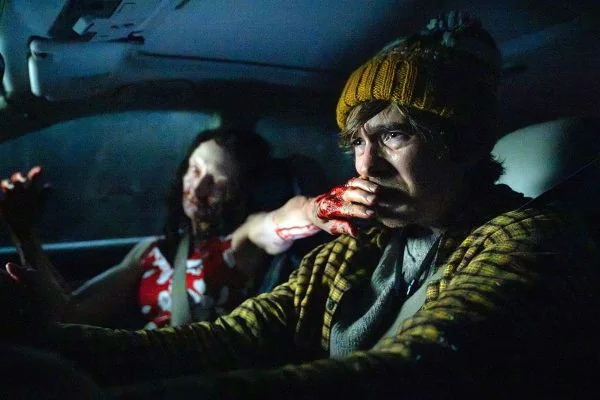
Critics have similarly rallied around the film, praising its refusal to pander to standard studio formulas. Reviewers have highlighted the film’s pacing, practical makeup effects, and Austin Abrams’ grounded leading performance as masterclasses in modern horror craftsmanship.
Industry analysts point out that this release serves as a critical turning point for Sony and TriStar. For years, video game adaptations were treated as secondary properties, rushed to production with modest budgets and low expectations. The massive success of Resident Evil—coming on the heels of other prestige gaming adaptations like HBO’s The Last of Us and Universal’s The Super Mario Bros. Movie—cements the reality that video game intellectual properties are premier cinematic assets when entrusted to visionary storytellers.
Future Outlook: Where Does the Franchise Go From Here?
With $108.3 million safely in the bank after its opening weekend, conversations within Hollywood have inevitably shifted from celebration to expansion. A sequel is not merely a possibility; it is an absolute financial inevitability.
Expanding the Cinematic Universe
Capcom’s expansive lore offers a nearly endless treasure trove of narrative pathways for Cregger and his creative team to explore. Given how the current film concludes—leaving audiences breathless and hungry for more—future installments could easily delve deeper into the shadowy machinations of the Umbrella Corporation, introduce beloved fan-favorite characters yet to appear on screen, or pivot into terrifying new bio-weapon outbreaks across the globe.
Setting a New Industry Standard
Furthermore, Cregger’s triumph signals a shift in talent acquisition. Studios are actively looking to indie horror darlings to breathe life into stale corporate franchises, recognizing that authentic scares and auteur-driven storytelling resonate far more with modern audiences than sterile, committee-driven blockbusters.
As the box office numbers continue to tick upward through the coming week, one thing is certain: the infection is spreading, and the world is more than happy to let it consume them.
Did you brave the terror this weekend? Let us know your thoughts on Zach Cregger’s bold new vision for Resident Evil by reaching out on our social channels @FlickeringMyth.









Belum ada komentar. Jadilah yang pertama berkomentar!