

Executive Overview
The landscape of online multiplayer gaming has long been haunted by the specter of real-money trading (RMT). From the early days of World of Warcraft, where inventive gold sellers would arrange digital corpses into crude URLs across the bustling paving stones of Stormwind and Orgrimmar, to the sophisticated, automated bot networks of modern massively multiplayer online role-playing games (MMORPGs), the illegal trade of virtual currency has proven to be an intractable hydra. For decades, developers have struggled to strike a balance between preserving player agency and punishing economic exploitation, often relying on soft-handed suspensions and temporary bans that did little to stem the tide.
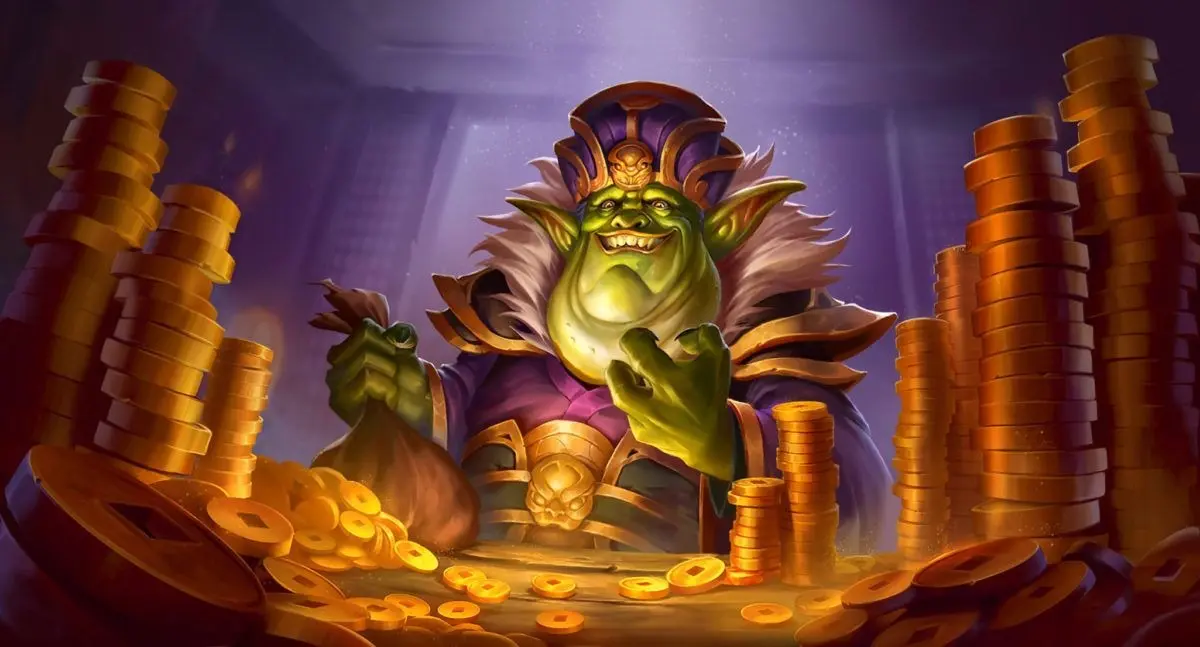
Now, Blizzard Entertainment is signaling a radical shift in its enforcement philosophy. In a recent developer Q&A session addressing the highly anticipated World of Warcraft: Forever, Senior Game Designer Josh Greenfield dropped a definitive mandate: the studio is preparing to crack down on real-money trading with unprecedented severity. Acknowledging that past enforcement policies have historically leaned toward leniency, Greenfield explicitly warned that future violators face permanent account termination.
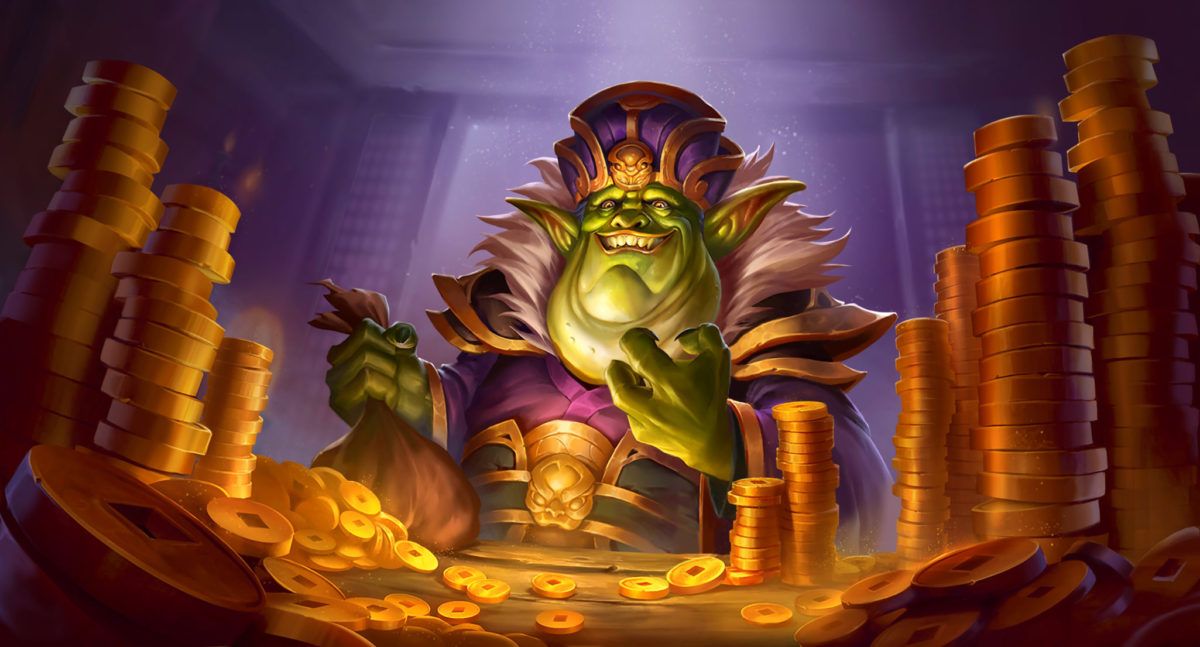
This policy pivot is not merely a reactionary measure against rule-breaking; it is an existential defense of the game’s economic foundation. In an environment like World of Warcraft: Forever—where traditional leveling parameters, progression milestones, and player-driven commerce operate under unique design philosophies—protecting the sanctity of the in-game economy is paramount. If uncontrolled hyper-inflation or exploitative practices like Gold Dragon Kill Points (GDKP) are allowed to fester, the intrinsic value of crafting professions, gathering nodes, and hard-earned rare drops evaporates. As Blizzard prepares to launch this ambitious new chapter, the industry is watching closely to see if the studio can successfully eradicate the black-market trade that has plagued the genre since its inception.
Detailed Chronology: The Evolution of MMO Economies and Black-Market Trade
To understand the weight of Blizzard’s recent announcement, one must examine the historical trajectory of virtual economies within the MMORPG genre. The phenomenon of buying virtual goods with fiat currency dates back to the late 1990s with titles like Ultima Online and EverQuest, where players quickly realized that time could be exchanged for capital. However, it was the explosive mainstream success of World of Warcraft in 2004 that transformed gold selling from a cottage industry into a multi-million-dollar global enterprise.
The Era of Crude Spammers and Corpse Writing (2004–2010)
During the vanilla and Wrath of the Lich King eras of World of Warcraft, acquiring in-game gold was an arduous, time-consuming endeavor. High-end repairs, epic riding training, and crafted gear required significant grinds, creating a massive supply-demand imbalance. Gold farmers capitalized on this scarcity by deploying automated characters to harvest resources around the clock.
To advertise their services, these syndicates flooded general chat channels with website URLs and famously devised creative in-game marketing stunts—such as arranging slain avatars in precise formations across capital city floors to spell out website names from a bird’s-eye camera perspective. Despite public outcry, Blizzard’s initial response was largely reactive. Account bans occurred in waves, but they were often perceived by the community as mere speedbumps for well-organized farming rings.
The Rise of GDKP and Systematic Exploitation (2010–Present)
As the game matured, the methods of RMT evolved. Rather than simply purchasing raw gold from shady websites, players began utilizing complex in-game loopholes to funnel real-world funds into raid progression. Gold Dragon Kill Points (GDKP)—a system where raid bosses are cleared, and high-end gear is auctioned off to the highest bidder using gold rather than traditional DKP systems—became a lightning rod for controversy.
While GDKPs offered pug (pick-up group) players a way to earn gold while carrying undergeared characters, they simultaneously created a black market pipeline. Players could purchase gold from third-party sites, use that illicit currency to buy raid items in GDKP runs, and effectively pay-to-win their way through the game’s hardest content. This practice severely distorted server economies, pricing out honest players who relied solely on legitimate gameplay loops and crafting professions to make ends meet.
The World of Warcraft: Forever Paradigm Shift
Fast-forward to the current development cycle of World of Warcraft: Forever, and Blizzard has recognized that the old playbook of wrist-slaps and delayed ban-waves is no longer viable. By explicitly calling out past leniency during the developer Q&A, Greenfield and the design team are drawing a definitive line in the sand. The transition from passive deterrence to aggressive, absolute zero-tolerance marks a watershed moment for how Blizzard plans to manage its virtual ecosystems moving forward.
Supporting Context & Metrics: The Fragile Ecosystem of Virtual Currencies
The health of an MMORPG relies on a delicate balance between effort and reward. When real-money traders inject billions of illegitimately generated units of currency into a closed economic system, the resulting ripple effects can utterly destroy player engagement.
The Mechanics of Hyper-Inflation
When gold is farmed at an industrial scale via botting software or exploits, the total money supply in the game expands exponentially faster than the supply of goods and services. This leads directly to severe inflation:
- Exorbitant Auction House Prices: Essential consumables, raiding materials, and rare crafting recipes become prohibitively expensive for casual or newly arrived players.
- Devaluation of Tradeskills: In a hyper-inflated economy, spending hours leveling gathering professions (such as Mining, Herbalism, or Skinning) feels unrewarding because the market value of raw materials is artificially suppressed by bot-harvested surpluses.
- The Death of Organic Progression: Progression shifts from a marker of personal skill and dedication to a transactional commodity, alienating purists who value the traditional RPG journey.
Comparative Industry Vulnerabilities
The threat of RMT is not unique to World of Warcraft. Across the broader gaming landscape, developers of live-service titles and action RPGs face identical challenges. For instance, in titles like Path of Exile 2—which relies entirely on a player-driven trading ecosystem centered around rare drops and currency items—economic exploits can devastate the game state in a matter of hours.
Industry analysts note that a single unpatched dupe exploit or unmitigated RMT ring can destabilize an action RPG’s trading boards overnight, proving that economic vigilance is a 24/7 requirement for modern developers. Blizzard’s pledge to actively utilize tuning knobs to control supply and demand, alongside aggressive punitive measures, demonstrates a holistic approach to safeguarding its digital marketplace.
Official Statements: Inside the Developer Q&A
The urgency of Blizzard’s new stance was laid bare during the recent World of Warcraft: Forever developer Q&A session. Senior Game Designer Josh Greenfield pulled no punches when discussing the historical failures of enforcement and the severe consequences awaiting future rule-breakers.
"Being frank, we’ve been probably too lenient on gold buyers and it’s been a little bit easy to get around some of our actions before, and we are taking it very seriously," Greenfield stated bluntly during the broadcast.
Directly addressing the community members who have spent decades investing time and emotional equity into their accounts, Greenfield issued a stark, personal warning regarding the permanence of the upcoming enforcement actions:
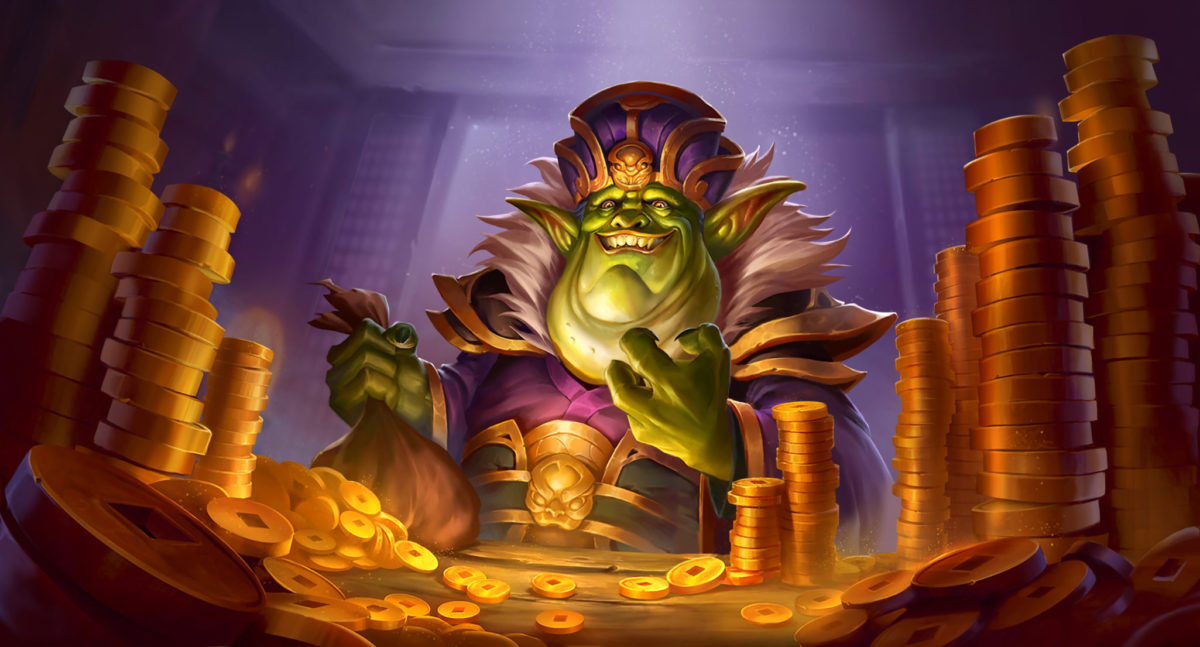
"As someone who’s got a 22-year-old World of Warcraft account, I can tell you it’s not worth losing it permanently, it’s not worth losing any of your accounts permanently, so I would very strongly recommend [you] don’t do it, it’s not worth it."
While previous administrative actions often resulted in temporary suspensions or currency rollbacks—punishments that many cynical players viewed merely as the cost of doing business—Greenfield’s rhetoric strongly implies that the era of soft penalties is over. Permanent account termination is now the baseline expectation for those caught engaging in real-money transactions.
Furthermore, Greenfield emphasized that maintaining the sanctity of the game’s economy is a core design pillar for World of Warcraft: Forever. By acknowledging that past leniency inadvertently fostered a culture of compliance among rule-breakers, Blizzard has signaled a mature, accountable approach to community management.
Future Outlook: Can Blizzard Win the War Against RMT?
As World of Warcraft: Forever moves closer to its full commercial release, the ultimate test for Blizzard will be execution. While developer pronouncements and stern warnings generate positive headlines during the pre-launch phase, translating those promises into consistent, automated, and unyielding enforcement remains a formidable challenge.
The Beta Testing Conundrum
Veterans of the genre often note that economic exploits and RMT are notoriously difficult to measure accurately during restricted testing phases. As Greenfield himself acknowledged, "nobody cares about becoming rich in the beta," because characters, currency, and items are inevitably subject to wipes or resets. The true stress test of Blizzard’s new anti-cheat and anti-RMT algorithms will occur weeks and months after the servers open to the general public, when the temptation of real-world financial gain intersects with the grind of end-game progression.
Proactive Design vs. Reactive Enforcement
To truly secure the future of World of Warcraft: Forever, punitive measures must be paired with robust systemic design choices. This includes:
- Advanced Bot Detection: Utilizing machine learning and heuristic analysis to identify automated movement patterns and unnatural farming behaviors before currency can be funneled into the broader economy.
- Friction in Trading Systems: Implementing intelligent trade restrictions and monitoring large, anomalous gold transfers between players to catch illicit handoffs in real-time.
- Responsive Economy Tuning: Leveraging the dynamic "tuning knobs" mentioned by Greenfield to rapidly adjust drop rates, vendor sinks, and resource spawn rates to counteract inflationary pressures.
Conclusion
Blizzard’s hardline stance on real-money trading in World of Warcraft: Forever represents a refreshing and necessary evolution in MMORPG administration. By acknowledging past leniency and promising permanent consequences for gold buyers, the studio is actively validating the concerns of its most dedicated players. If these promises are backed by relentless, automated enforcement and proactive economic management, World of Warcraft: Forever may well establish a new gold standard for economic integrity in the modern gaming era.







Belum ada komentar. Jadilah yang pertama berkomentar!