

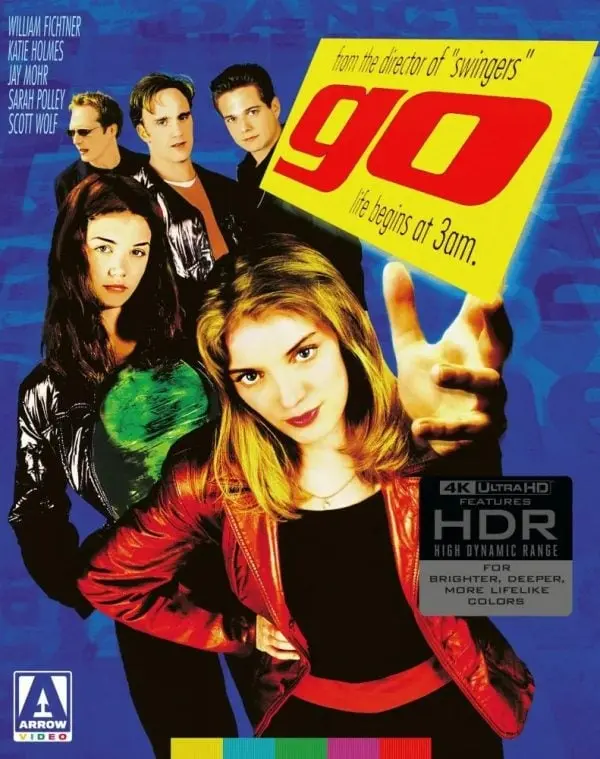
In the cinematic landscape of 1999—a monumental year that gifted audiences with boundary-pushing features like The Matrix, Fight Club, and Magnolia—director Doug Liman’s sophomore theatrical release, Go, carved out a fiercely energetic, cynical, and stylish niche of its own. Often overshadowed at the box office upon its initial theatrical run by major studio heavyweights, Go nonetheless captured the restless, hyper-caffeinated spirit of late-90s Gen X ennui. Written by a then-novice John August, the film operates as a multi-perspective neo-noir comedy thriller, tracking a chaotic 24-hour period wherein a series of seemingly mundane retail and personal choices spiral catastrophically out of control over the Christmas holiday.
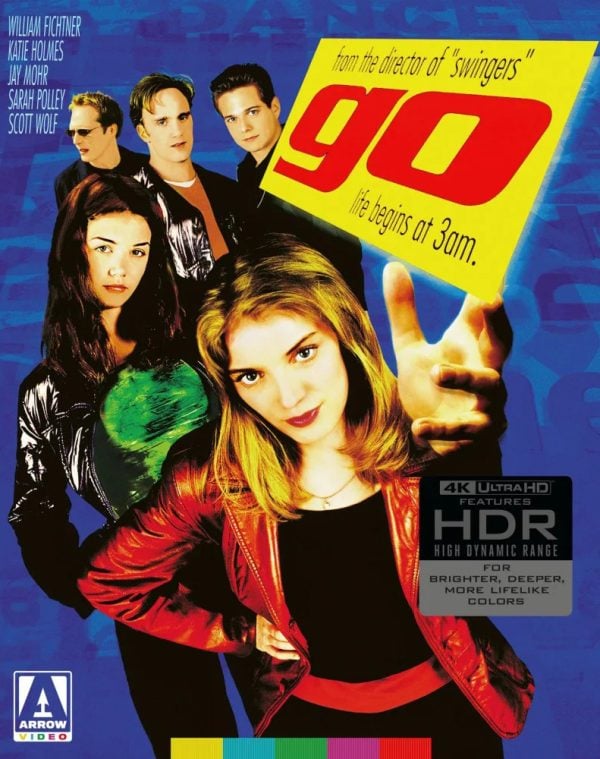
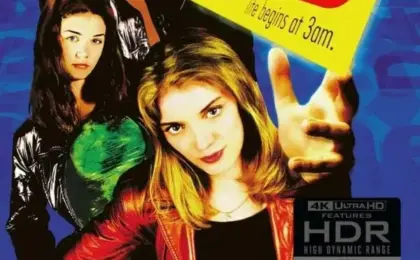
More than two decades later, boutique home-video distributor Arrow Video has resurrected this cult classic for the physical media generation with a definitive 4K Ultra HD debut. Anchored by a meticulous 4K restoration, a treasure trove of newly produced archival and analytical bonus features, and an accompanying collector’s booklet, this release breathes vibrant new life into Liman’s neon-drenched Los Angeles. Featuring a star-studded, eclectic ensemble cast that includes Sarah Polley, Katie Holmes, Jay Mohr, Scott Wolf, William Fichtner, and Timothy Olyphant, Go remains a masterclass in narrative momentum and structural ingenuity. This comprehensive review examines the technical merits of Arrow Video’s 4K transfer, dissects the intricate anatomy of the film’s three-part narrative, and evaluates its enduring legacy within modern cinematic culture.
Detailed Chronology
To fully appreciate the structural wizardry of Go, one must examine the meticulous choreography of its script and direction. Structurally indebted to Quentin Tarantino’s Pulp Fiction, yet distinctly tethered to the economic anxieties and consumerist culture of the late 1990s, John August’s screenplay organizes a single day and night into three distinct, overlapping narrative segments. Each segment revisits the same temporal window from a different set of characters’ perspectives, incrementally filling in narrative blanks and escalating the stakes.
Part One: Ronna and the Supermarket Collateral
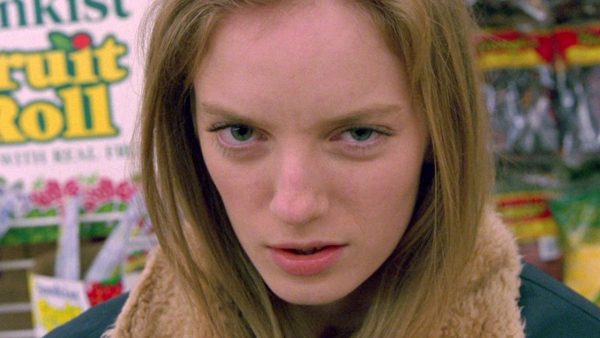
The narrative engine kicks into high gear inside a bustling supermarket on the eve of Christmas Eve. Ronna (Sarah Polley), a financially strapped cashier on the precipice of eviction, is desperately trying to secure extra shifts. When her coworker Simon (Desmond Askew)—who is frantic to drive to Las Vegas with his friends—begs Ronna to cover his shift, she agrees under one condition: he must pay her upfront.

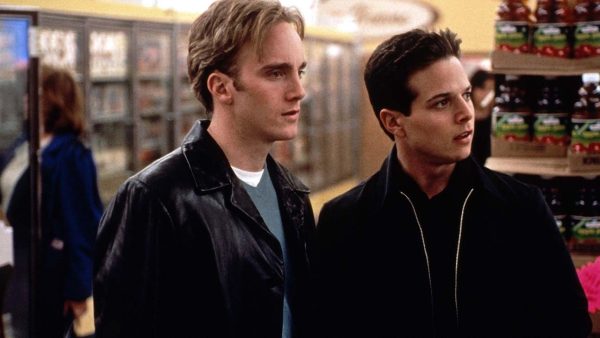
Complications arise when suburban actors Adam (Scott Wolf) and Zack (Jay Mohr) approach Simon hoping to purchase ecstasy. Sensing an opportunity to solve her financial woes, Ronna intercepts the deal, volunteering to source the pills herself. This decision leads her directly to Todd (Timothy Olyphant), a smooth-talking, razor-wielding local drug dealer. Lacking sufficient funds to purchase the full inventory, Ronna is forced to leave Adam and Zack behind as literal human collateral while she scrambles across Los Angeles to raise the remaining cash. Her odyssey quickly detours into an absurd, harrowing chain of events involving accidental overdoses, armed threats, and psychological terror.
Part Two: Simon, Vegas, and the Desert Detour
Shifting perspectives, the narrative loops backward to follow Simon and his rowdy group of friends on their ill-fated road trip to Las Vegas. What begins as a joyous, chemically-enhanced holiday getaway rapidly disintegrates into vehicular chaos, motel-room standoffs, and a disastrous encounter with an erratic television soap opera star. Simon’s storyline highlights the film’s central thematic conceit: youthful optimism systematically crushed by the cruel, uncaring machinery of Murphy’s Law. Every shortcut taken and every impulsive decision made pushes Simon and his cohorts further into a web of legal peril and interpersonal disaster.
Part Three: Adam, Zack, and the DEA Dinner Party
The final primary segment traces Adam and Zack after they manage to separate themselves from Ronna’s initial drug run. It is soon revealed that the duo are operating as confidential informants, working under duress for the Drug Enforcement Administration to bust local dealers in exchange for immunity from their own drug charges.
Things reach a pitch of darkly comedic absurdity when the duo are invited to a seemingly innocent Christmas dinner party at the suburban home of their handler, Victor (William Fichtner). What should be a routine check-in transforms into a terrifying psychological cat-and-mouse game, complete with hidden recording devices, accidental poisonings, and escalating threats of violence. When all three narrative threads finally converge during the film’s chaotic climax, the characters find themselves physically battered, psychologically drained, and—most hilariously—trapped in almost identical socioeconomic and personal positions to when their day began.
Supporting Context & Metrics
Box Office Performance vs. Cult Reassessment
Upon its theatrical release by Columbia Pictures on April 9, 1999, Go was met with a lukewarm commercial reception. Produced on an estimated budget of roughly $20 million, the film grossed a modest $16.5 million domestically, failing to recoup its production costs during its initial theatrical window. Studio executives struggled to market the film effectively, torn between positioning it as a wild teen comedy akin to Can’t Hardly Wait or an edgy crime thriller following in the footsteps of Pulp Fiction.
However, box office receipts rarely tell the full story of a film’s cultural footprint. In the decades following its theatrical run, Go found its true audience in the burgeoning home video market of the early 2000s. Gen X cinephiles, drawn to its cynical wit, blistering indie-rock and techno soundtrack, and dead-on satire of turn-of-the-millennium corporate and consumer culture, elevated the film to revered cult status.
Critical Reception Metrics
| Review Metric / Category | Evaluation / Score |
|---|---|
| Original Theatrical Reception | Mixed-to-Positive (Approx. 65% approval on early critical aggregators) |
| Modern Cult Status | High / Widely Recognized as an Essential 90s Indie Classic |
| Arrow Video 4K Restoration Transfer | Pristine / Exceptional grain retention and color grading |
| Flickering Myth Film Rating | 3.5 / 5 Stars |
| Flickering Myth Movie/Entertainment Rating | 4 / 5 Stars |
Official Statements & Production Insights
The Arrow Video 4K Ultra HD release is packed with archival materials and fresh interviews that shed light on the turbulent yet collaborative production of the film.
Screenwriter John August, reflecting on his feature film debut in the newly produced interview featurette From the Word Go, noted the unique freedom afforded to him and director Doug Liman during production:
"When you’re in your twenties writing these chaotic stories, you don’t realize the logistical nightmares you’re writing into the script until the production crew looks at you asking how we’re going to pull off three distinct timelines crashing into a single parking lot at dawn. Doug Liman had this infectious, manic energy that made every impossible day feel like we were pulling off a cinematic heist."
Director Doug Liman, whose background in documentary filmmaking heavily influenced the kinetic, handheld camera movements that defined his early career (Swingers, The Bourne Identity), elaborated on the visual philosophy of the film in his archival audio commentary track:
"We didn’t want Los Angeles to look like a sun-kissed postcard. We wanted the grit, the neon fluorescence of all-night grocery stores, the cold blue shadows of motel parking lots at four in the morning. The camera had to breathe with the characters, moving when they panicked and freezing when they were trapped."
Actor Desmond Askew, discussing his role as the frantic supermarket clerk in the featurette A View Askew, highlighted the collaborative and improvisational atmosphere on set:
"Doug encouraged us to lean into the absolute absurdity of our situations. We weren’t playing polished Hollywood action stars; we were playing regular kids who had no business being mixed up in international drug deals or Vegas high-roller chaos. That grounding in messy reality is why people are still talking about these characters twenty-five years later."
Future Outlook
The release of Go on 4K Ultra HD by Arrow Video marks a significant milestone in the ongoing preservation and reevaluation of late-90s American independent cinema. As major studios increasingly pivot toward homogenous intellectual property and digital-only distribution models, boutique physical media labels have stepped in as the primary custodians of film history.
The success of this 4K restoration demonstrates that there remains a passionate, economically viable market for cult classics that slipped through the cracks of the box office during their original theatrical runs. For film historians, physical media collectors, and a new generation of cinephiles discovering the film via streaming and boutique releases, Go stands as an enduring monument to creative risk-taking.
Looking forward, the renewed interest generated by this release may well prompt further academic and critical reappraisals of Doug Liman’s early filmography, cementing his status as one of the most innovative visual stylists of his generation. As home video enthusiasts continue to demand pristine preservation of 35mm source elements, packages like Arrow’s Go 4K set a gold standard for how neglected cinematic gems should be honored, contextualized, and delivered to modern audiences.






Belum ada komentar. Jadilah yang pertama berkomentar!