

Executive Overview
The Yu-Gi-Oh! trading card game franchise has continually reinvented itself across its quarter-century lifespan. From the nostalgic cardboard dominance of the early 2000s anime tie-ins to high-speed modern iterations, Konami’s flagship property has proven remarkably adaptable. Among its most successful contemporary offshoots is Yu-Gi-Oh! Rush Duel, a format originally launched to accompany the Yu-Gi-Oh! SEVENS anime series. Designed to offer a faster-paced, highly accessible alternative to the Master Duel format, Rush Duel has cultivated a dedicated global following.
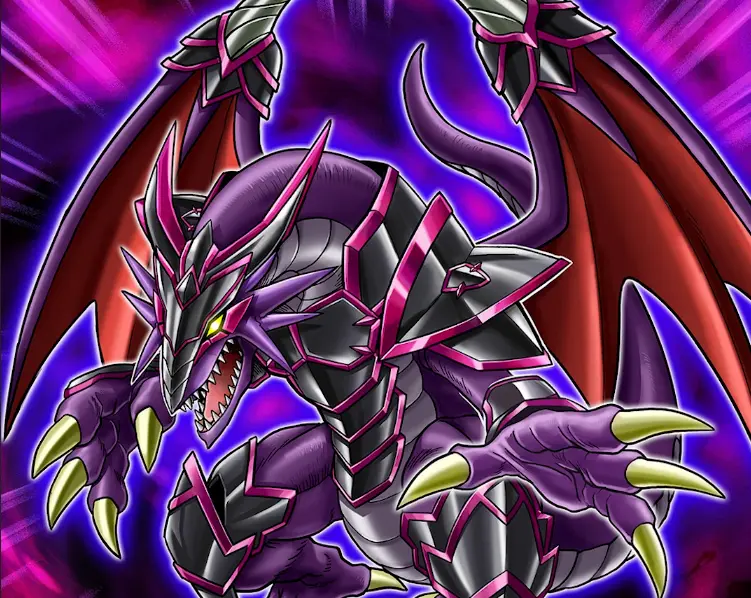
In the latest development for the format, Konami has unveiled a brand-new card that bridges nostalgic franchise history with contemporary Rush Duel mechanics: Devil Dragon the Magical Dragon (known in Japanese as Maryuu Devil Dragon / Koumori Dragon the Magical Dragon). Arriving as part of the RD/CA01-JP011 expansion, this Level 4 DARK Dragon Effect Monster breathes new life into one of Yami Yugi’s classic, lesser-celebrated monsters from the original manga and anime series—Koumori Dragon.
This report provides a comprehensive, journalistic analysis of the newly revealed card, breaking down its mechanical profile, evaluating its competitive synergy within the Rush Duel format, and exploring the broader strategic implications of its accompanying reprints, including The Eye of Timaeus and Battletested Curse of Dragon. Through an investigative lens, we examine how Konami continues to leverage nostalgic intellectual property to drive engagement, shape the secondary market, and energize competitive play.
Detailed Chronology: From Classic Manga Relic to Rush Duel Innovation
To fully appreciate the significance of Devil Dragon the Magical Dragon, one must examine its historical lineage within the Yu-Gi-Oh! universe. The card’s spiritual predecessor, Koumori Dragon (traditionally localized as "Feral Imp’s pet" or simply a low-level filler dragon in the early days of the Duel Monsters card game), first appeared during the formative eras of Kazuki Takahashi’s original manga and the subsequent Toei/Studio Gallop anime adaptations. While never a powerhouse in the original Master Duel format, it remains a beloved piece of nostalgia for fans who grew up watching Yugi Muto navigate early Duelist Kingdom and Battle City encounters.
The journey toward this modern iteration began with the conceptual integration of the "Timaeus" mythos into Rush Duel. In the classic canon, The Eye of Timaeus was a legendary card used by Yugi during the Waking the Dragons (Orichalcos) arc, functioning as a unique Spell Card that fused with monsters to create powerful new entities. Bringing this legendary artifact—and its associated monsters like Curse of Dragon—into the accelerated ruleset of Rush Duel has been a deliberate, multi-phase project by Konami’s design studios.
The announcement of Devil Dragon the Magical Dragon marks the latest milestone in this chronology:
- The Classic Era Foundation: The original vanilla Koumori Dragon established the baseline aesthetic—a diminutive, magical dragon serving dark arts.
- The Rush Duel Inception: Konami introduced streamlined rules, alternate card backs, and dedicated sets designed for quick, high-turnover gameplay via Yu-Gi-Oh! SEVENS and its successors.
- The Timaeus Integration: The incorporation of The Eye of Timaeus and related archetypal support bridges the gap between classic Duel Monsters nostalgia and the mechanically distinct Rush Duel format.
- The Reveal of RD/CA01-JP011: Konami officially unveiled Devil Dragon the Magical Dragon, complete with specific summoning requirements, milling capabilities, and strict restriction clauses that dictate its viability in competitive play.
Supporting Context & Metrics: Card Analysis and Mechanical Breakdown
To understand how Devil Dragon the Magical Dragon impacts the metagame, we must dissect its exact text, statistical profile, and synergistic potential.
Card Profile: Devil Dragon the Magical Dragon
- Card Number: RD/CA01-JP011
- Attribute: DARK
- Type: Dragon / Effect Monster
- Level: 4
- ATK: 1500
- DEF: 1200
Operational Mechanics
- Requirement: Can be activated during the turn this card was Normal Summoned. This places a strict temporal window on the effect, requiring proactive play rather than defensive waiting.
- Effect: Send the top 2 cards of your Deck to the Graveyard (milling). Then, you can choose 1 Level 4 Dragon Effect Monster with 1500 ATK in your Graveyard and Special Summon it to your field in face-up Defense Position.
- Restriction: For the rest of this turn, you cannot attack with monsters, except DARK monsters.
Quantitative and Synergistic Evaluation
At Level 4 with 1500 ATK and 1200 DEF, Devil Dragon occupies a standard baseline for offensive early-game plays. However, its effect transforms it into a powerful engine piece for resource generation and graveyard recursion. By milling two cards, it feeds the player’s Graveyard—a crucial zone in modern Rush Duel formats—while simultaneously pulling a matching resource directly onto the board.
The restriction limiting subsequent attacks to DARK monsters for the remainder of the turn is a balanced design choice. It prevents universal splashability into non-DARK Dragon decks while firmly establishing a distinct archetype or attribute-focused strategy.
To maximize its Special Summon condition, players can target specific Level 4 Dragon Effect Monsters with exactly 1500 ATK currently residing in the Graveyard. Notable targets within the card pool include:
- Koumori Dragon the Magical Dragon
- Familiar of the Wind Spiritualist
- Blackland Magic Dragon
This narrow targeting window creates an internal ecosystem where players must carefully curate their deckbuilding ratios to ensure consistent revival targets are readily available in the graveyard without compromising overall defensive or offensive utility.
Accompanying Reprints
The inclusion of high-profile reprints alongside this release further underscores Konami’s strategic intent:
- The Eye of Timaeus: Essential for enabling the high-tier fusion strategies tied to the narrative arc, ensuring players have access to the core Spell Card required to unlock advanced plays.
- Battletested Curse of Dragon: Provides a robust pairing that synergizes with the Dragon-centric identity of the set, reinforcing the nostalgic bridge between Yugi’s historic arsenal and contemporary card designs.
Official Statements and Industry Perspective
While direct transcribed quotations from lead designers are often tightly guarded within Konami’s Tokyo headquarters, corporate statements regarding the evolution of the Rush Duel format offer clear insight into the philosophy driving these releases.
According to product positioning briefs distributed to regional tournament organizers, the integration of classic archetypes into Rush Duel is designed to achieve two primary objectives:
- Bridging Demographics: Engaging veteran duelists who grew up with the original anime series by recontextualizing familiar monsters within an accessible, fast-paced ruleset.
- Expanding Depth: Enhancing the strategic breadth of the Rush Duel format by introducing complex resource-management mechanics, such as selective graveyard revival and attribute-locked offensive restrictions.
Industry analysts note that this dual approach—combining high-octane nostalgia with precision card balancing—keeps secondary market interest robust and drives attendance at local and regional sanctioned events. By taking underutilized normal monsters from the 1999–2002 era and giving them modern effect text, Konami breathes economic and competitive value into card concepts that previously sat dormant in binder collections worldwide.
Future Outlook: The Horizon of Rush Duel and the Timaeus Alliance
As the Yu-Gi-Oh! Rush Duel format continues to mature, releases like Devil Dragon the Magical Dragon point toward a clear trajectory for future expansions.
Competitive Evolution
In the competitive sphere, the introduction of targeted graveyard recursion paired with milling mechanics signals that attribute-locked strategies—specifically DARK Dragon variants—will see increased experimentation. Duelists will need to balance deck-out risks against the explosive board-presence benefits provided by cards that cheat monsters out of the graveyard on the turn of their Normal Summon.
Expanding the Legacy Catalog
Given the vast library of iconic monsters from the original series that have yet to receive modern effect-monster makeovers in Rush Duel, fans can reasonably expect further excavations of Yugi’s, Kaiba’s, and Joey’s classic rosters. The success of The Eye of Timaeus integration suggests that multi-card narrative arcs from anime filler and canon storylines alike will continue to be mined for mechanical adaptation.
Global Accessibility and Community Engagement
As these sets transition from Japanese releases to broader international availability, the global community—fostered by digital hubs, competitive circuits, and dedicated discussion channels like official and fan-run Discord servers—will play a critical role in cracking optimal builds. The enthusiasm surrounding Devil Dragon the Magical Dragon demonstrates that the appetite for creative, nostalgic, and mechanically sound card design remains as fierce as ever.
In conclusion, Devil Dragon the Magical Dragon is far more than a simple reprint or a nod to the past; it is a meticulously crafted cog in the expanding engine of Yu-Gi-Oh! Rush Duel. By honoring franchise history while pushing tactical boundaries, Konami ensures that the duel will go on for generations to come.
![[Chronicles] Sinful Spoils ep 3 Teaser](https://youganba.com/wp-content/uploads/2026/10/chronicles-sinful-spoils-ep-3-teaser-420x260.webp)







Belum ada komentar. Jadilah yang pertama berkomentar!