

Executive Overview
In the modern landscape of digital entertainment, subscription fatigue is a genuine consumer concern. Between streaming services, cloud storage, music applications, and productivity tools, monthly recurring costs quickly accumulate. However, millions of digital consumers overlook a significant value-add hiding in plain sight within their existing recurring entertainment budgets: mobile gaming.
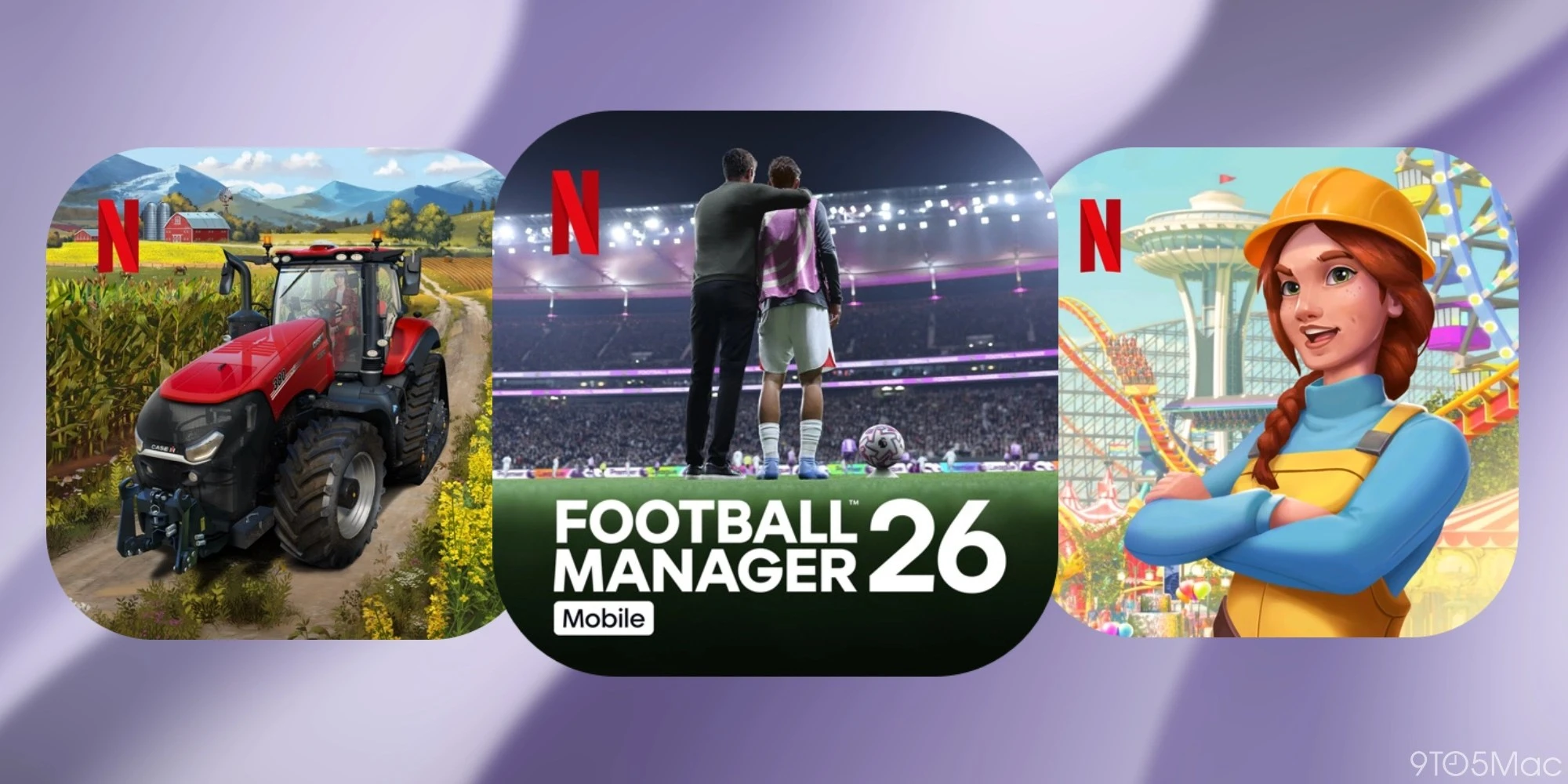
While Apple Arcade has long reigned as the premier destination for ad-free, premium-quality gaming ecosystems on iOS and iPadOS, a formidable challenger operates quietly in the background. Netflix—globally recognized as the pioneer of on-demand video streaming—has methodically built an extensive, high-caliber catalog of over 80 mobile titles explicitly designed for iPhones and iPads. Remarkably, access to this rapidly expanding library is completely unrestricted for all active subscribers, regardless of whether they pay for the premium ad-free tier or the entry-level, budget-conscious "Standard with ads" plan, which starts at just $8.99 per month.
This strategic deep dive explores the mechanics of Netflix’s mobile gaming ecosystem, analyzing how it functions across Apple devices, detailing the expansive genres available on the App Store, and assessing the broader implications of streaming giants crossing over into interactive entertainment. By circumventing the traditional freemium pitfalls of mobile gaming—such as intrusive banner advertisements, paywalls, and microtransactions—Netflix is positioning its platform not merely as a television network replacement, but as an indispensable entertainment ecosystem.
Detailed Chronology: The Evolution of Netflix Gaming
To understand the current scale of Netflix’s mobile gaming catalog on iOS, it is crucial to examine the calculated trajectory that brought the streaming titan into the interactive software market.
Phase 1: The Initial Foray (2021)
Netflix first signaled its serious intentions to diversify beyond film and television in mid-2021, hiring former Electronic Games executive and Facebook veteran Mike Verdu as Vice President of Game Development. By November 2021, the company officially launched its mobile gaming initiative. Initially rolled out exclusively for Android devices before expanding rapidly to iOS and iPadOS, the rollout began with a modest handful of casual games tied loosely to intellectual properties, most notably titles derived from the hit sci-fi/horror phenomenon Stranger Things.
During this infancy stage, users were required to download standalone apps from the App Store, which subsequently verified subscription credentials. Critics initially dismissed the venture as a minor marketing gimmick designed to boost user retention. However, leadership under co-CEO Reed Hastings and later Ted Sarandos viewed gaming as an existential long-term hedge against a maturing streaming market.
Phase 2: Expanding the Pipeline and Studio Acquisitions (2022–2023)
Recognizing that third-party licensing alone would not sustain a robust gaming division, Netflix embarked on an aggressive acquisition spree and internal studio-building campaign. Between 2022 and 2023, the company acquired acclaimed independent developers including Night School Studio (creators of Oxenfree), Boss Fight Entertainment, and Spry Fox.
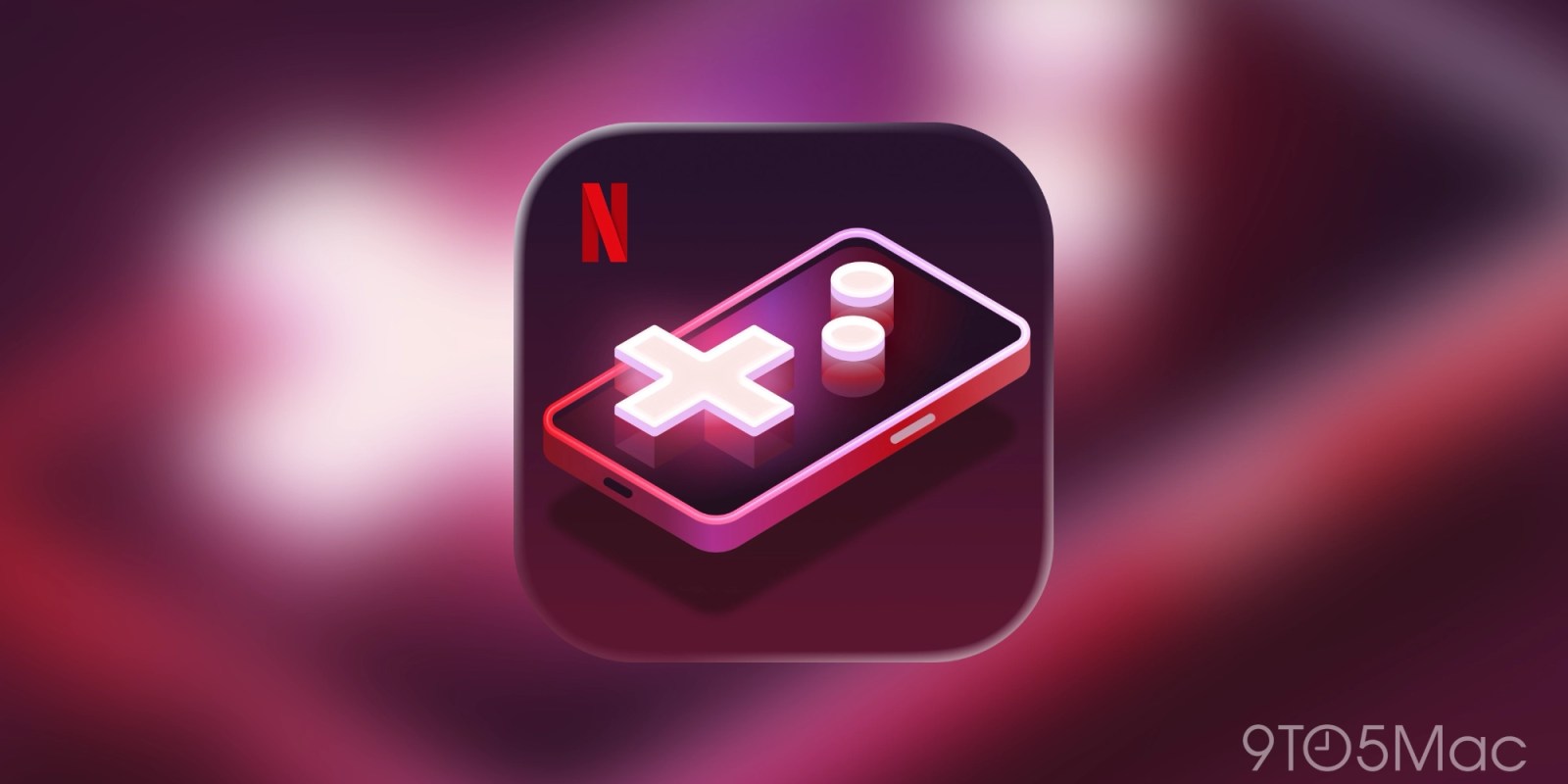
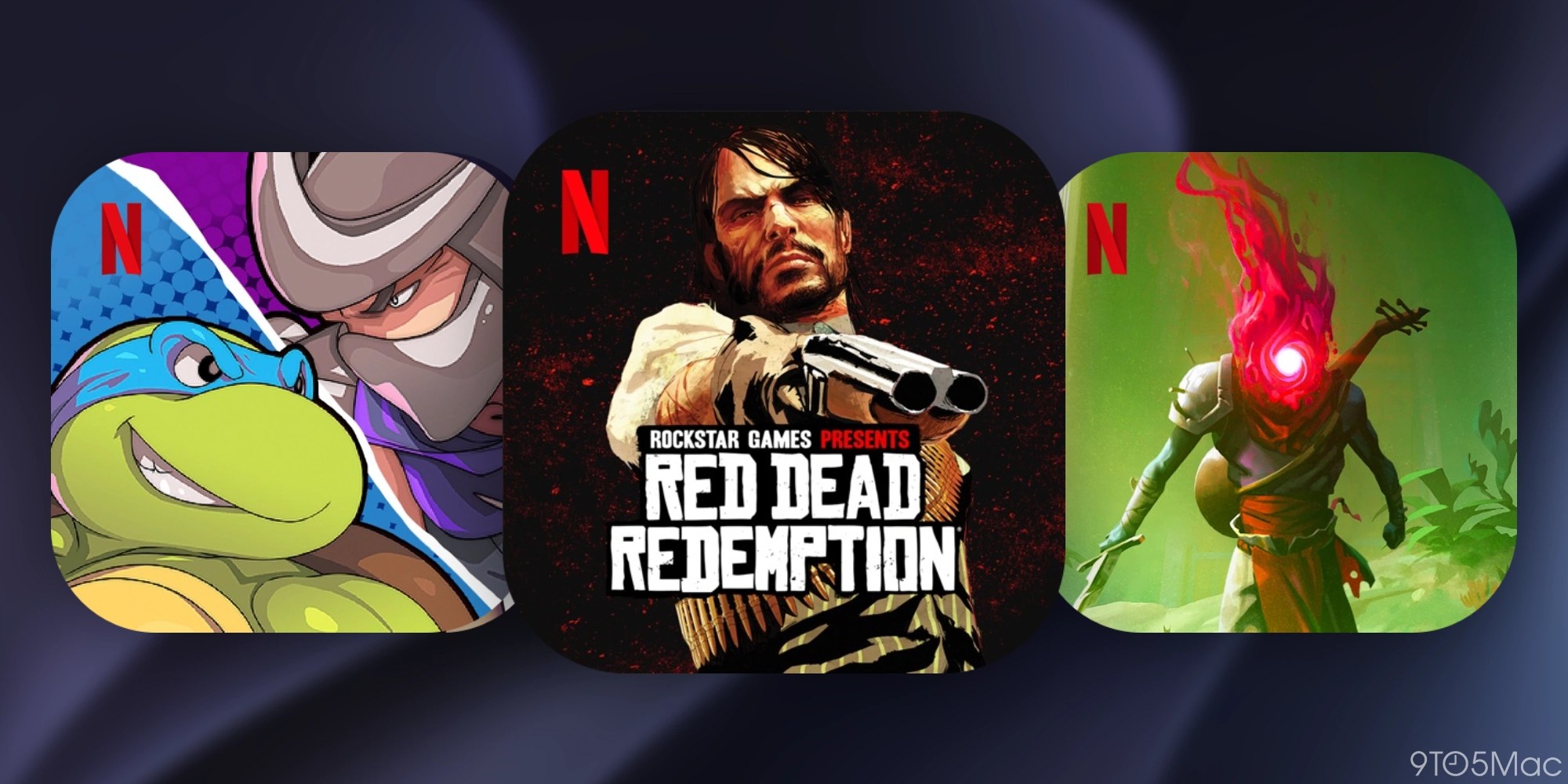
Concurrently, the catalog expanded from casual match-three puzzles into narrative adventures, cozy management sims, and critically acclaimed indie darlings previously restricted to PC and consoles. Major third-party hits were onboarded, transforming the service from a novelty into a legitimate curated storefront. The introduction of dedicated applications like the Netflix Game Controller further bridged the gap between mobile devices and living room smart TVs, cementing the iPhone and iPad as primary input devices for a broader home entertainment ecosystem.
Phase 3: Mainstream Integration and Genre Diversification (2024–Present)
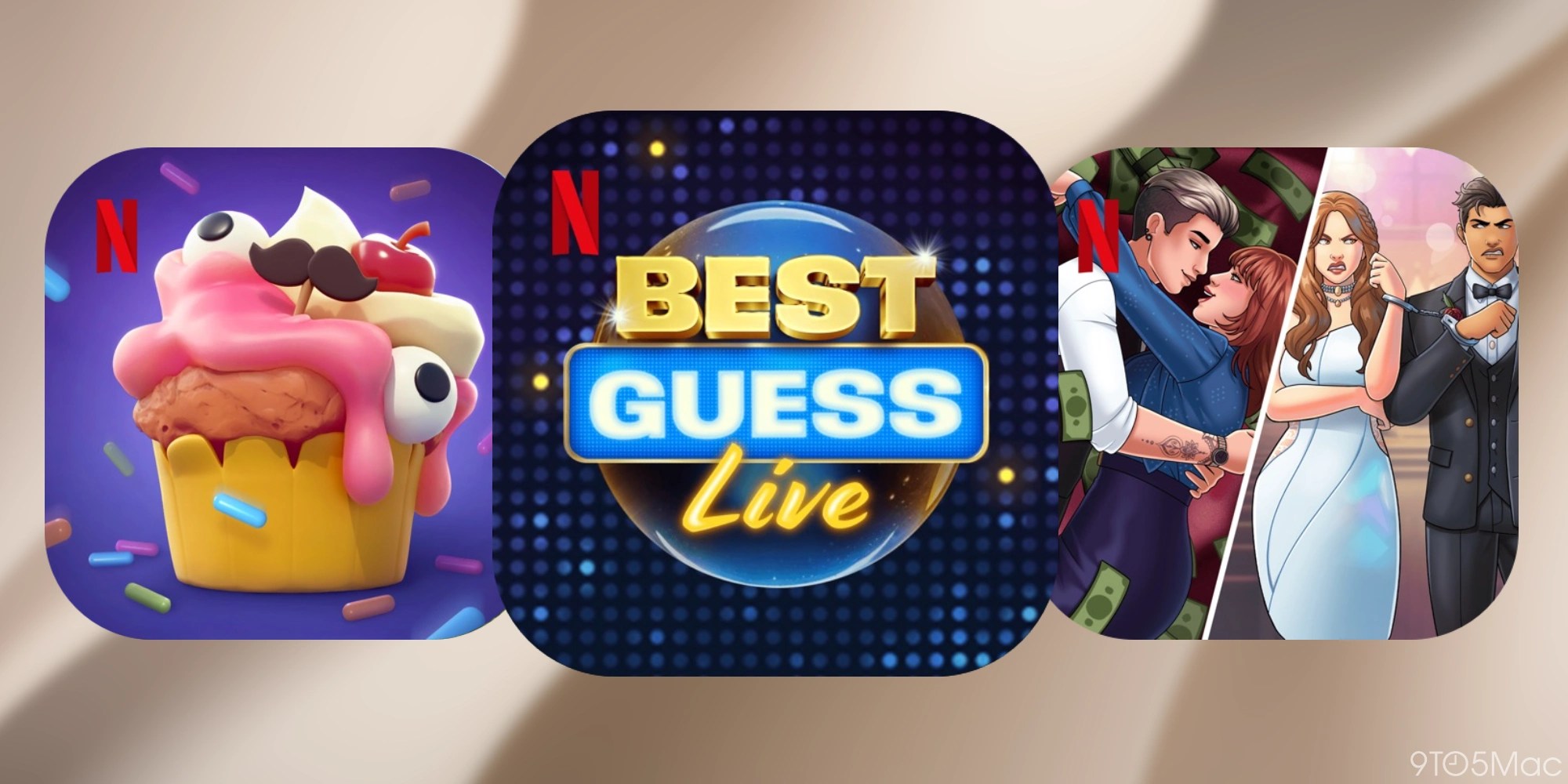
By the current era, Netflix’s gaming catalog has matured past the 80-title threshold on iOS, evolving into a diverse ecosystem spanning multi-million-dollar adaptations, narrative interactive fiction via Netflix Stories, family-friendly arcade games, and deep strategy management titles. The integration is seamless: users simply visit the App Store, download the desired game free of upfront costs, and authenticate using their standard Netflix email and password.
Supporting Context & Metrics: The Economics of Ad-Free iOS Gaming
The modern mobile gaming market is dominated by the free-to-play (F2P) monetization model. While lowering the barrier to entry by making downloads free, F2P games rely heavily on aggressive monetization tactics: energy meters that halt progression, pay-to-win mechanisms, and a constant barrage of interstitial video ads.
Netflix’s gaming division directly subverts this paradigm. By folding game development costs directly into the overhead of its core subscription model, the company offers a consumer experience reminiscent of early console gaming or modern Apple Arcade subscriptions.
+--------------------------------------------------------------------------+
                     NETFLIX GAMING ECOSYSTEM METRICS
+----------------------------------+---------------------------------------+
| Metric Parameter                 | Value / Status                        |
+----------------------------------+---------------------------------------+
| Minimum Subscription Tier Needed | Standard with Ads ($8.99/mo)          |
| Direct Cost of Games             | $0.00 (Included in subscription)      |
| Advertisements in Games          | None                                  |
| In-App Purchases / Microtrans.   | None                                  |
| Current iOS/iPadOS Game Catalog  | 80+ Curated Titles                    |
| Hardware Interoperability        | iPhone, iPad, Apple TV, Smart TVs     |
+----------------------------------+---------------------------------------+
The Financial Value Proposition
Consider the economics from a consumer perspective: an entry-level Netflix subscription costs $8.99 per month. For this single recurring fee, a household gains access to thousands of hours of video streaming and an unlimited library of premium mobile games that, if purchased individually on the App Store or played on rival ad-supported platforms, would easily cost hundreds of dollars.
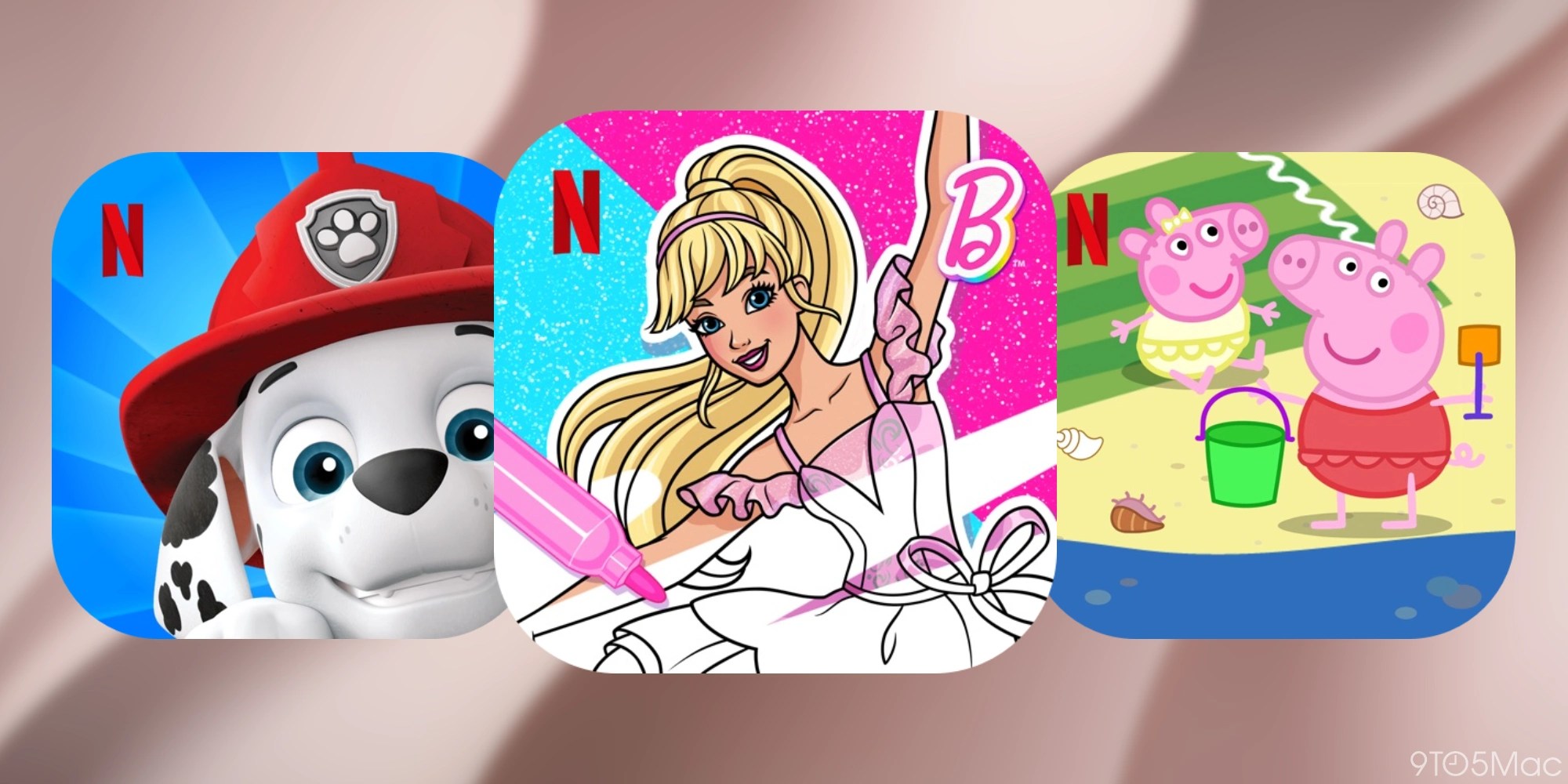
Furthermore, parental peace of mind is a major selling point. Because Netflix games contain zero microtransactions, parents can hand an iPad to a younger child running apps like Netflix Playground or dedicated kids’ titles without fear of accidental, unauthorized credit card charges—a notorious pitfall of traditional mobile gaming marketplaces.
Categorizing the Library: What Can You Play on iPhone and iPad?
Netflix has structured its expansive iOS library into intuitive genres, catering to everything from casual commuters seeking a five-minute puzzle fix to hardcore gamers looking for deep narrative immersion.
1. Big Games Worth Starting With
This tier features critically acclaimed indie darlings and high-production-value titles that previously commanded steep prices on PC and console platforms. Brought over to iOS with touch-optimized interfaces (or full support for dedicated Bluetooth controllers like the Backbone One or PlayStation/Xbox controllers), these are heavy-hitters that showcase the true processing capabilities of modern Apple silicon.
2. Games Based on Netflix Shows and Movies
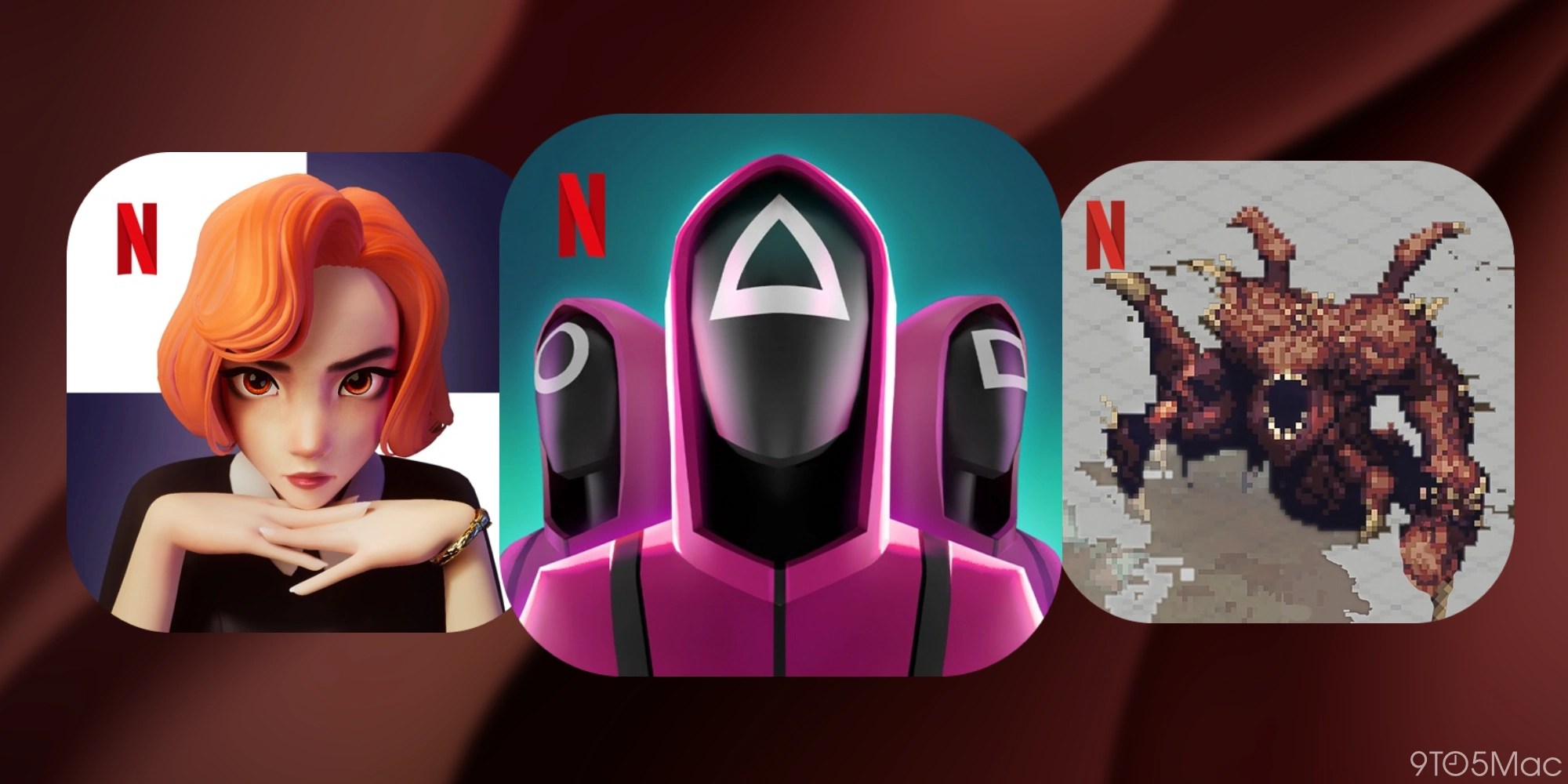
Capitalizing on its massive entertainment empire, Netflix bridges the gap between passive viewing and active participation. Subscribers can step directly into the universes of their favorite franchises. Whether navigating the supernatural perils of Hawkins in Stranger Things adaptations, exploring the competitive social dynamics of reality television spinoffs, or engaging in interactive narrative fiction through the Netflix Stories app, these games function as deep, interactive expansions of established cinematic lore.
3. Family, Creative, and Cozy Games
Designed for relaxation, creativity, and shared household fun, this category focuses on low-stress gameplay loops. Titles in this space encourage exploration, building, and unwinding, making them ideal companions for the high-resolution displays of modern iPads.
4. Puzzles, Cards, and Quick Games
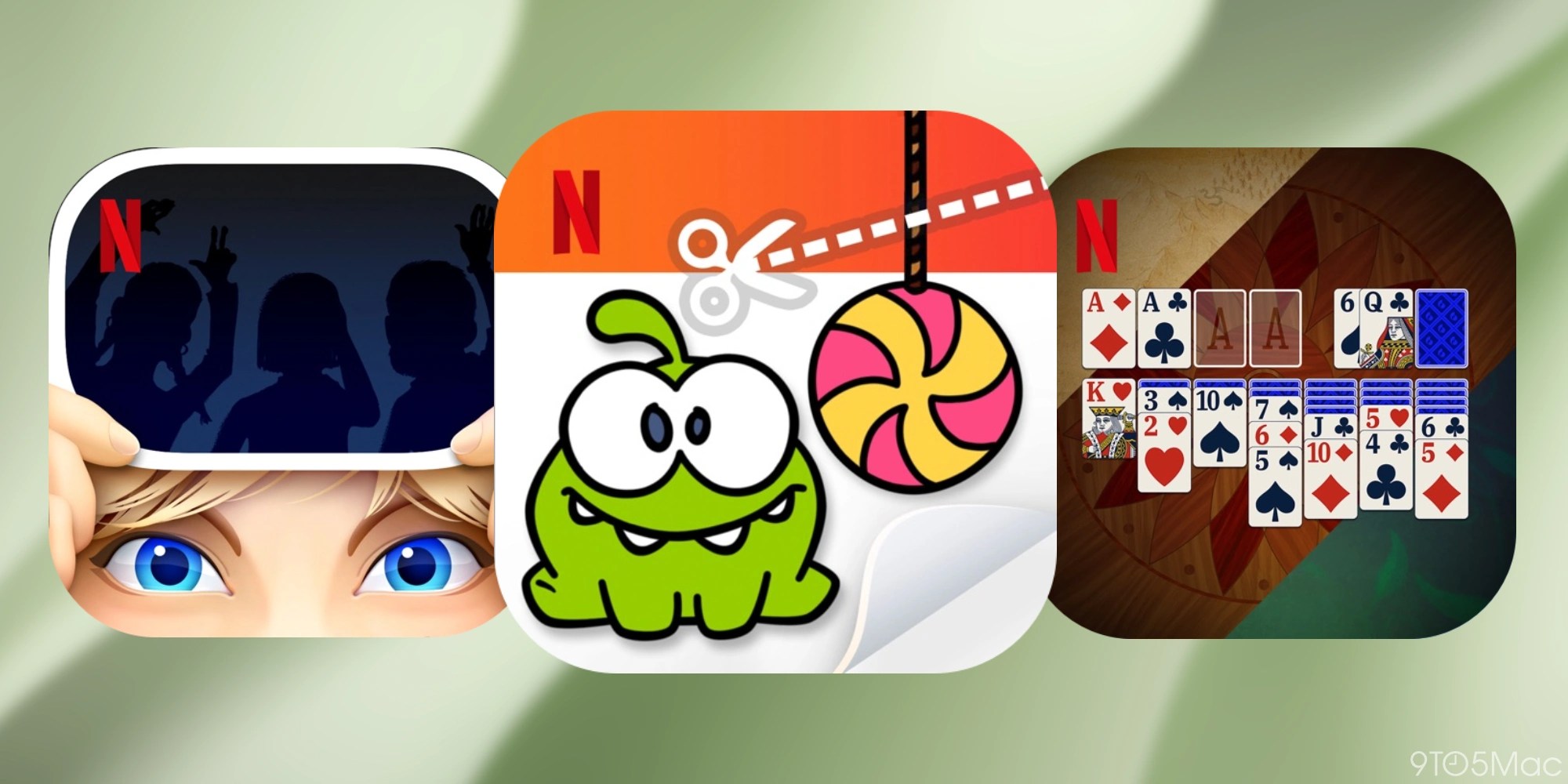
For users looking to fill short windows of time—such as waiting in line or riding public transit—Netflix offers a rich assortment of logic puzzles, card games, and streamlined quick-play experiences. Standalone companion tools like Netflix Puzzled: Logic Games further enhance this category, proving that the service understands the bite-sized nature of mobile consumption.
5. Action, Sports, and Arcade Games
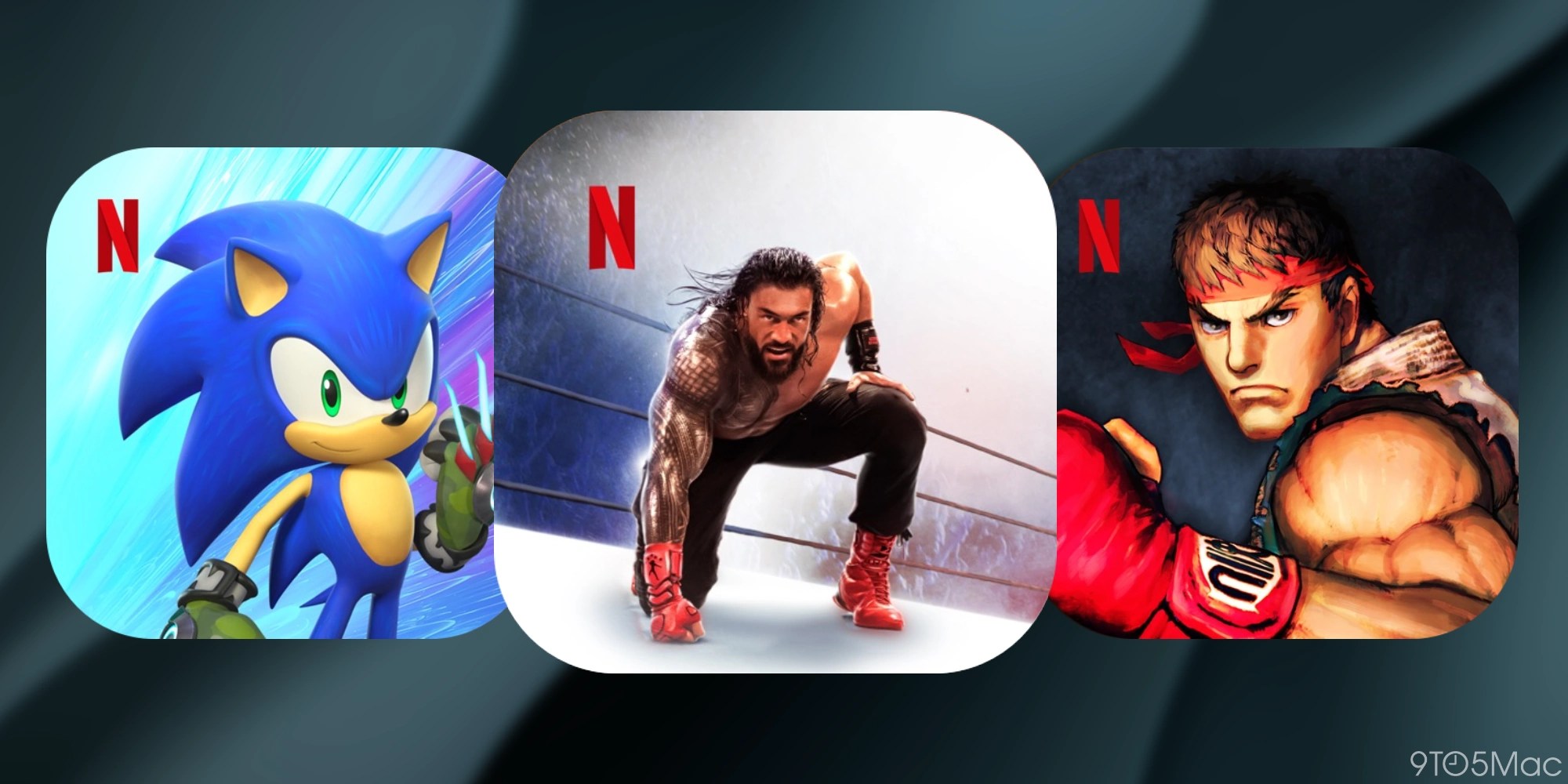
Adrenaline-seekers are well-represented through fast-paced platformers, arcade throwbacks, and sports titles. While touch controls are fully supported, connecting a dedicated iPhone controller elevates these twitch-reaction games to console-grade experiences.
6. Simulation, Strategy, and Management Games
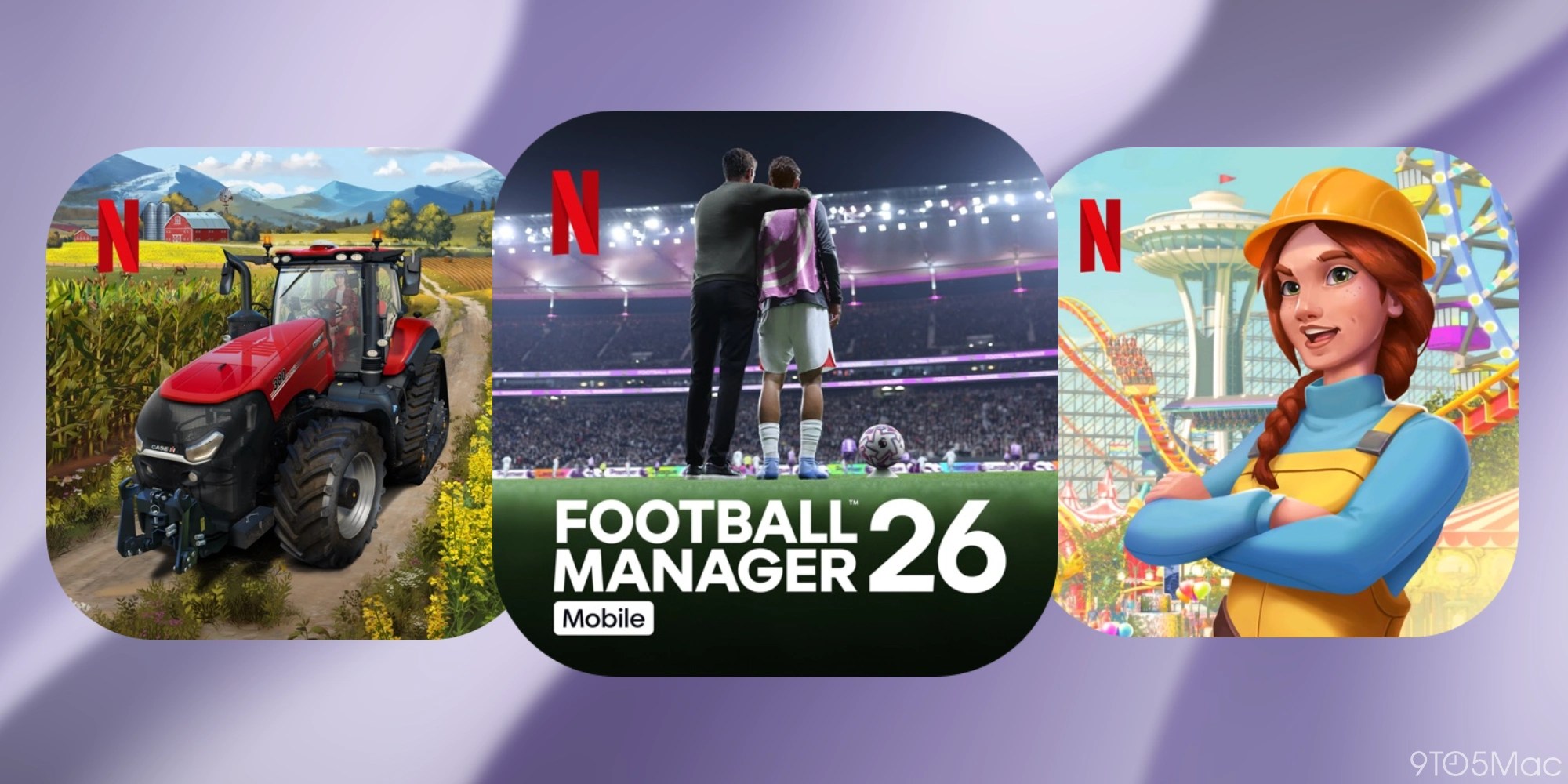
For strategists who enjoy macro-management, resource allocation, and complex simulation loops, Netflix provides deep tactical experiences that require hours of thoughtful planning, echoing beloved PC management titles.
7. Reality TV and Social Games
Leaning heavily into Netflix’s dominance in the reality television space, these social and narrative-driven games let players experience the drama, romance, and strategy of hit unscripted series directly from the palm of their hand.
Official Statements and Platform Strategy
Industry analysts have frequently questioned why a video streaming company would dedicate billions of dollars to an interactive entertainment division. Leadership has consistently maintained that gaming is a natural extension of storytelling.
In corporate earnings disclosures and investor interviews, Netflix executives have emphasized that the ultimate goal is to deepen engagement and expand intellectual property lifecycles. When a subscriber finishes watching a popular series, keeping them within the Netflix ecosystem via a companion mobile game reduces churn and enhances perceived subscription value.
Moreover, Apple’s strict App Store guidelines require Netflix games to be distributed as individual apps rather than inside a single cloud-streaming "app-in-app" hub. This has forced Netflix to adopt a decentralized distribution strategy: users discover the game inside the Netflix mobile app or via web browsing, download the standalone client directly from the iOS App Store, and authenticate seamlessly in the background.
Future Outlook: Where Is Netflix Mobile Gaming Headed?
As we look toward the future of mobile entertainment on iOS and iPadOS, Netflix’s gaming division shows no signs of slowing down. Industry insiders anticipate several key developments over the coming years:
- Deeper Cloud Integration: While current iOS titles are downloaded locally to device storage, advancements in streaming infrastructure may eventually enable instant playability of higher-end console titles directly through web views or specialized client applications, bypassing local hardware limitations.
- Expanded IP Synergy: With upcoming seasons of major tentpole franchises slated for release, interactive companion games will likely launch day-and-date with their television counterparts, creating multi-platform media events.
- Enhanced Cross-Device Play: With tools like the Netflix Game Controller turning iPhones into gamepads for living room displays, the boundary between mobile gaming and console-style living room entertainment will continue to blur.
Conclusion
For iPhone and iPad users, the hidden gaming catalog included with a standard Netflix subscription represents one of the best kept secrets in modern digital media. By refusing to compromise user experience with advertisements, loot boxes, or microtransactions, Netflix has quietly assembled a world-class library of mobile entertainment. Whether you are hunting for a cozy puzzle game to unwind with on an iPad before bed, an action-packed platformer to pair with a physical controller on your commute, or an interactive narrative set within your favorite television universe, checking your Netflix account for available games is a move well worth making.








Belum ada komentar. Jadilah yang pertama berkomentar!