Western Japan, encompassing the historically profound Kansai region—anchored by Osaka, Kyoto, and Nara—undergoes a climatic and cultural metamorphosis every October. As the oppressive humidity of the Japanese summer yields to crisp, mild autumn weather, the region awakens to a dynamic calendar of festivals, historical pageants, athletic exhibitions, and rare national treasure exhibitions.
Kansai is widely recognized as the cradle of Japanese civilization, serving for centuries as the political, spiritual, and economic nexus of the empire. Consequently, October in this region is not merely a collection of local celebrations; it is a living, breathing archive of Japanese history. From the pulse-pounding, high-speed maneuvering of four-ton wooden floats in Kishiwada to the solemn, meticulously researched historical re-enactments of Kyoto’s imperial past, October offers an unparalleled window into the cultural architecture of Japan.
This comprehensive briefing provides an investigative and authoritative overview of the ten premier events dominating the Kansai cultural landscape this October. Designed for cultural historians, international travelers, and regional analysts alike, this report details the operational parameters, historical contexts, and logistical frameworks governing these world-class heritage events.
Detailed Chronology: October’s Premier Cultural Events
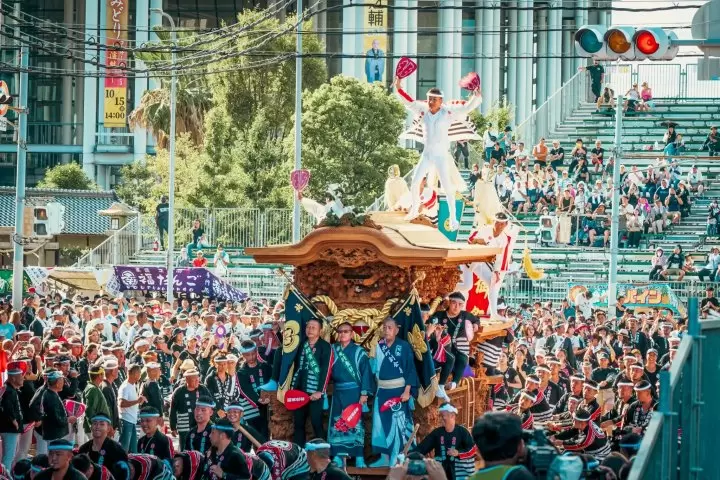
1. Kishiwada Danjiri Festival (Mid-October: October 10–11, 2026)
Location: Kishiwada City, Osaka Prefecture
Historical Significance: Originating over three centuries ago in 1703 by Okabe Nagamichi, the lord of Kishiwada Domain, the festival was initially conceived as a Shinto ritual to pray for a bountiful grain harvest. Over time, it evolved into an intense, hyper-competitive community display of grit, structural engineering, and communal coordination.
The Kishiwada Danjiri Festival is widely celebrated as one of Japan’s most adrenaline-fueled traditions. At its core are the danjiri—intricately carved, four-ton wooden festival floats constructed entirely without nails. Dozens of local residents, divided into teams pulling heavy ropes, haul these massive structures through the narrow, winding streets of Kishiwada at breakneck speeds.
The defining spectacle of the festival is the yarimawari, a high-speed cornering maneuver where teams execute sharp, sudden 90-degree turns without slowing down. The kinetic energy is palpable, requiring split-second synchronization between the carpenters riding atop the float, the vanguard steering teams, and the hundreds of runners pulling below. By nightfall, the atmosphere shifts dramatically. The breakneck speed subsides, replaced by the warm, atmospheric glow of hundreds of traditional paper lanterns (chochin) illuminating the elaborate woodwork of the stationary floats.
2. KYOTO EXPERIMENT (October 3–25, 2026)
Location: Various venues across Kyoto City
Contemporary Artistic Significance: Established to challenge the dichotomy between Kyoto’s ancient past and its contemporary identity, KYOTO EXPERIMENT has grown into one of Japan’s leading international performing arts festivals.
While Kansai is globally renowned for preserving antiquity, KYOTO EXPERIMENT serves as a crucial counterpoint, anchoring the region in the vanguard of contemporary global art. Founded as an experimental platform, the festival gathers boundary-pushing artists, choreographers, musicians, and visual directors from across Japan and the international community.
Rather than presenting passive entertainment, the festival’s programming deliberately blurs the boundaries between the stage, the art gallery, and everyday urban space. Performances investigate pressing socio-political themes, technological integration, and philosophical inquiries, utilizing non-traditional venues scattered throughout Kyoto. For cultural observers, the festival proves that Kyoto is not merely a static museum city, but an active, evolving incubator for 21st-century artistic expression.
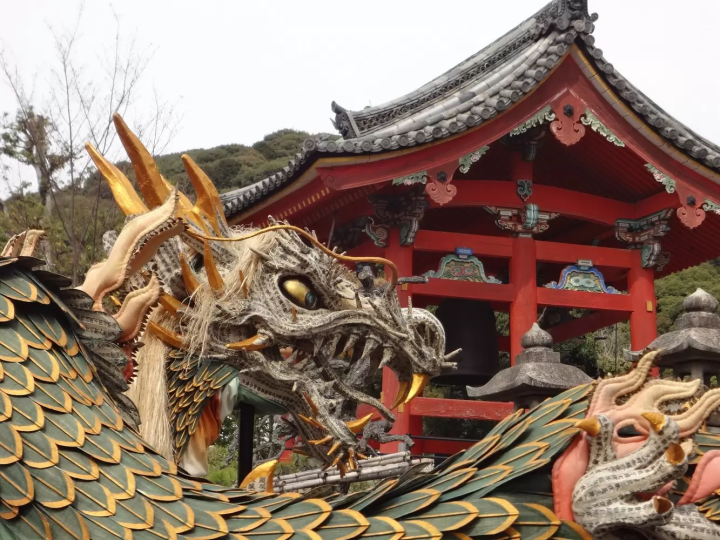
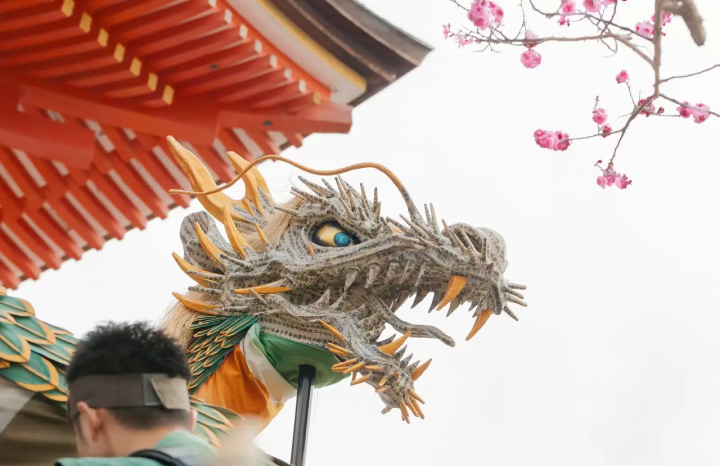
3. Seiryu-e Blue Dragon Festival at Kiyomizudera Temple (October 15, 2026)
Location: Kiyomizudera Temple, Kyoto City
Mythological Foundation: Established to honor Seiryu, the sacred Blue Dragon of the East, who is venerated in Buddhist cosmology as a protector of the capital and an incarnation of Kannon, the Bodhisattva of Compassion.
Held biannually in spring and autumn, the Seiryu-e Blue Dragon Festival is a striking religious procession that winds its way through the historic temple grounds of Kiyomizudera and the surrounding Higashiyama neighborhoods. The focal point of the ritual is a massive, 18-meter-long articulated blue dragon, dynamically constructed to twist, turn, and undulate along the ancient stone pathways.
The procession is accompanied by priests blowing conch-shell horns (horagai), shrine musicians, and participants garbed in vibrant, Heian-period ceremonial vestments. According to temple legend, Seiryu descends nightly to drink from the sacred waterfall on the temple grounds. As the dragon snakes through the temple, spectators and participants chant "Namu Kannon," offering collective prayers for regional peace, personal protection, and the warding off of misfortune.
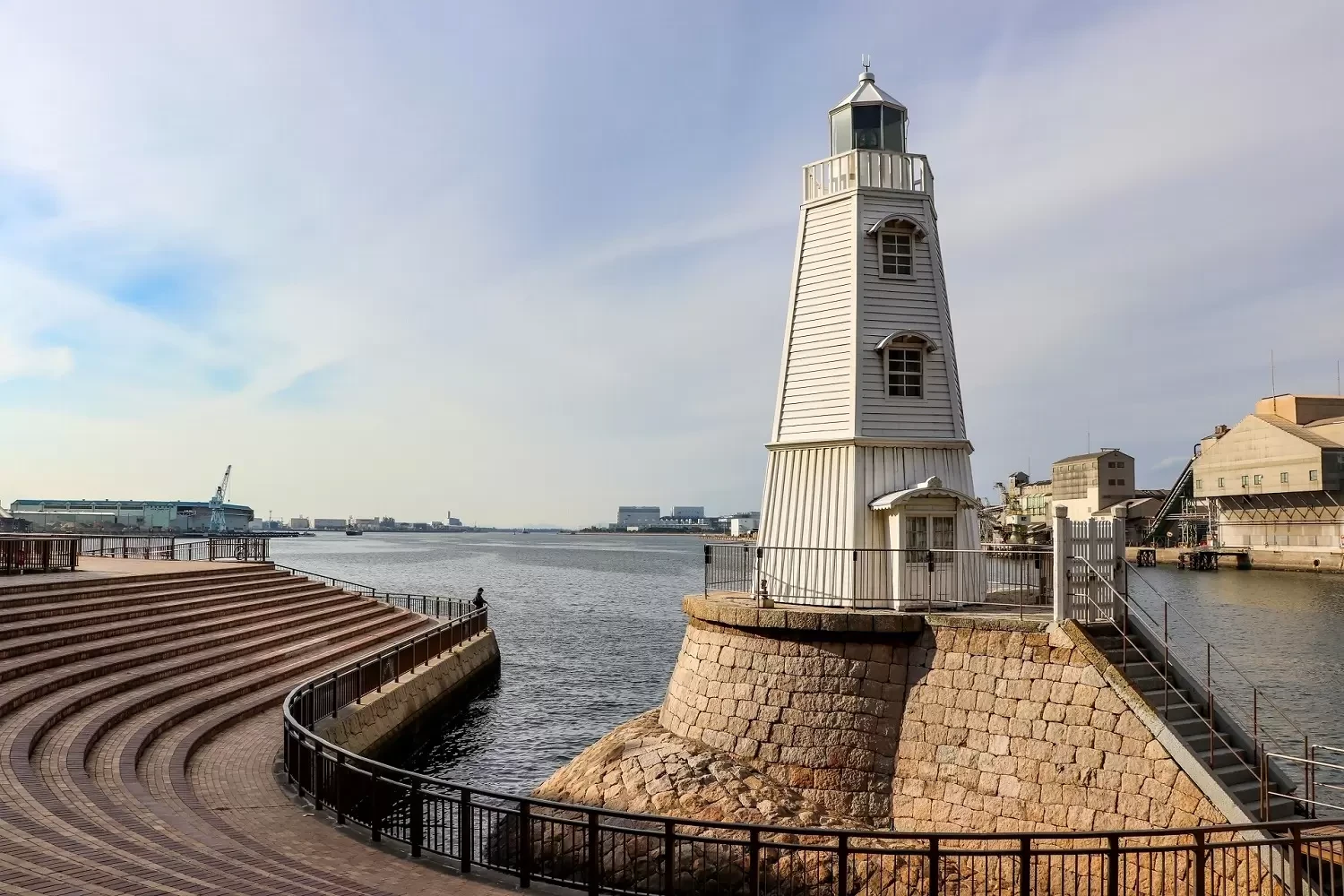
4. Sakai Festival (October 17–18, 2026)
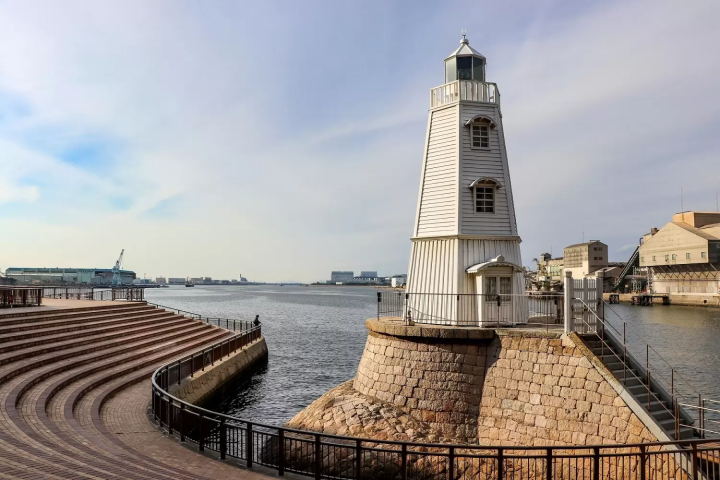
Location: Central Sakai, Osaka Prefecture (including Sakai City Hall Plaza and Nanshuji Temple)
Economic & Cultural Legacy: Sakai flourished during the 15th and 16th centuries as a semi-autonomous, free international port city akin to medieval Venice, dominating trade across the Inland Sea.
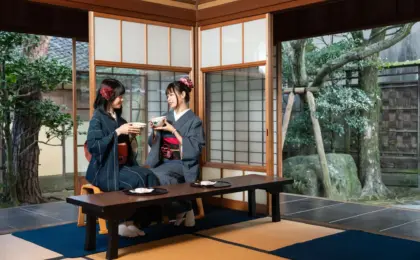
The Sakai Festival, inaugurated in 1974, is the crown jewel of Osaka’s historic port city. Sakai’s historical importance cannot be overstated: it is the undisputed birthplace of Sen no Rikyu (1522–1591), the grand tea master who codified Wabi-cha (the Japanese way of tea) using imported trade goods available at the port. Furthermore, Sakai’s centuries-old smithing tradition supplied feudal warlords, including Oda Nobunaga, with state-of-the-art swords and matchlock firearms (tanegashima). Today, this lineage survives in the globally celebrated craftsmanship of Sakai kitchen knives.
The festival honors this rich heritage with expansive street parades, historical reenactments, local culinary markets, and the prestigious Sakai Grand Tea Ceremony. Visitors can partake in formal tea gatherings set within serene tatami rooms or open-air gardens across historic locations like Nanshuji Temple.
5. Naniwa Yodogawa Fireworks Festival (October 17, 2026)
Location: Yodo Riverbed (stretching from Juso to Tsukamoto), Osaka City
Logistical Parameters: Operational from 19:00 to 20:00. Conducted rain or shine; subject to cancellation without postponement under severe weather conditions.
As an autumn grand finale to Osaka’s festive calendar, the Naniwa Yodogawa Fireworks Festival stands unmatched in scale and theatrical production. Set along the broad banks of the Yodo River, the event transforms the urban waterway into a mirror reflecting massive, multi-hued pyrotechnic displays synchronized precisely to an overarching musical score.
The festival is uniquely characterized by waterborne fireworks launched directly from barges on the riverbed, creating cascading curtains of light that hang above the city skyline. Drawing hundreds of thousands of spectators annually, the event represents a massive logistical undertaking managed entirely by local volunteers and community stakeholders. While public viewing zones along the Juso side are free of charge, tiered paid seating—ranging from 5,000-yen panorama terraces to 28,000-yen luxury riverboat seats—requires rigorous advance reservation.
6. Saigu Gyoretsu Procession at Nonomiya Shrine (October 18, 2026)
Location: Arashiyama district, Kyoto City (spanning Nonomiya Shrine to Togetsukyo Bridge)
Imperial History: Reenacts the arduous, highly symbolic journey of the Saio (an unmarried imperial princess chosen to serve as high priestess at the Ise Grand Shrine on behalf of the Emperor).
Set against the dramatic, forested backdrop of Arashiyama’s mountainscape, the Saigu Gyoretsu is an exquisite living history pageant. The procession originates at Nonomiya Shrine—historically significant as the sanctuary where imperial princesses purified themselves for a full year prior to journeying to Ise.
At 12:00 PM, the procession steps off, winding past Saga-Arashiyama Station and Tenryuji Temple before crossing the iconic Togetsukyo Bridge. Participants are meticulously dressed in authentic Heian-period attire, most notably the junihitoe (twelve-layered ceremonial robes) worn by the imperial princess, weighing upwards of 20 kilograms. Upon reaching the northern pier at Arashiyama Park, a sacred purification rite (misogi) is performed, offering modern spectators a rare, visually stunning glimpse into the esoteric ritual life of the ancient imperial court.
7. Jidai Matsuri: Kyoto’s Festival of the Ages (October 22, 2026)
Location: Kyoto Imperial Palace to Heian Jingu Shrine, Kyoto City
Historical Scope: Comprises a grand chronological journey spanning over a millennium of Japanese civilization.
Alongside the Aoi Matsuri and Gion Matsuri, the Jidai Matsuri is designated as one of Kyoto’s Three Great Festivals. Commemorating the founding of Heian-kyo (ancient Kyoto) in 794 AD, the festival features a massive procession of approximately 2,000 participants dressed in historically verified costumes representing every major epoch of Japanese history.
Uniquely, the parade moves chronologically backward through time. It begins with representatives of the 19th-century Meiji Restoration, moves backward through the Edo, Azuchi-Momoyama, Muromachi, Kamakura, and Fujiwara periods, and culminates with figures from the Heian period. Every detail—from military armor and courtly headwear to palanquins (mikoshi) and agricultural implements—is subjected to rigorous academic oversight to ensure absolute historical fidelity.
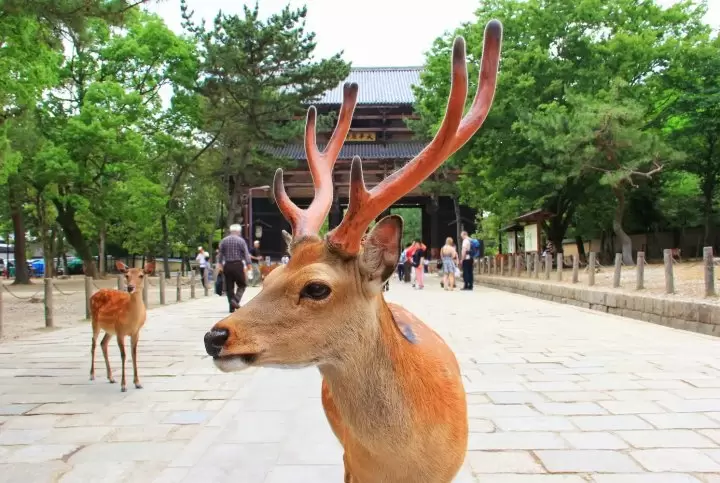
8. Shika no Tsunokiri: Deer Antler Cutting Ceremony (Mid-October, 2026)
Location: Kasuga Taisha Shrine / Nara Park, Nara Prefecture
Ecological Necessity: Established to mitigate physical conflict between aggressive male deer during the autumn rutting season while preventing structural damage to ancient national treasures and minimizing human injury.
The sacred sika deer of Nara Park are legally protected natural monuments, freely roaming the shrine grounds and city parks. However, as autumn initiates the seasonal rutting period, mature bucks experience radical spikes in testosterone, rendering their sweeping antlers hazardous to tourists, fellow wildlife, and the delicate wooden architecture of UNESCO World Heritage sites like Todaiji and Kasuga Taisha.
To ensure public safety and animal welfare, Nara preserves the Edo-period tradition of Shika no Tsunokiri (antler cutting). Trained handlers, known as shikado, expertly corral and safely restrain the stags using specialized looped ropes, severing the antlers with traditional saws in a controlled, painless procedure. Ticket sales from this ticketed public ritual directly subsidize the veterinary care, feeding programs, and environmental management of the Nara Deer Preservation Foundation.
Martial Tradition:Yabusame is the ancient martial art of mounted archery, historically utilized by samurai warriors to demonstrate military prowess and appease regional deities.
While yabusame performances are traditionally sequestered within tranquil, remote mountain or forest shrines (such as Kamigamo Shrine in Kyoto or Tsurugaoka Hachimangu in Kamakura), Osaka Tenmangu Shrine offers a strikingly surreal urban iteration. Located mere minutes from the high-density Umeda transport and commercial hub, the shrine hosts this equestrian display as a formal divine offering (shinji).
Riders clad in authentic hunting attire (suikan) thunder down a designated track at a full gallop, releasing arrows with calculated precision to shatter wooden targets. The juxtaposition of traditional samurai horsemanship against the backdrop of modern Osaka’s concrete and glass skyline provides a captivating visual metaphor for the coexistence of past and present in Western Japan.
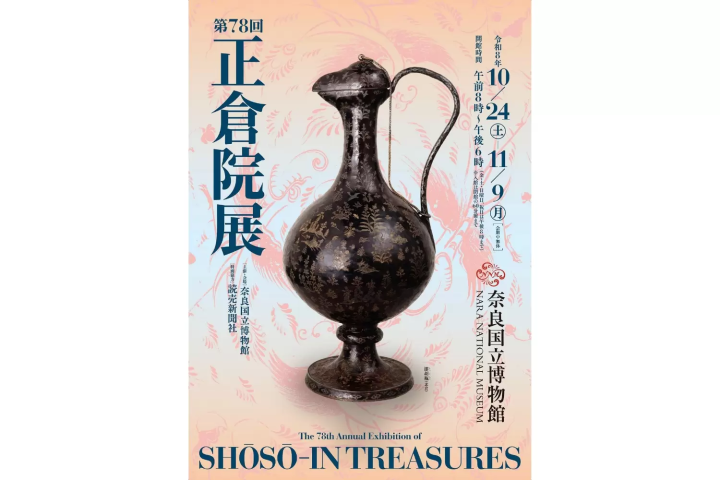
10. Annual Exhibition of Shosoin Treasures (October 24 – November 9, 2026)
Location: Nara National Museum (East and West Wings), Nara City
Archival Significance: The Shosoin is an 8th-century imperial storehouse built on the grounds of Todaiji Temple, housing the personal effects of Emperor Shomu (701–756) dedicated by Empress Komyo.
The Shosoin repository is globally recognized as one of the world’s most significant time capsules of ancient art and international trade. Because the storehouse was sealed for centuries using traditional azekura log-cabin construction methods, approximately 9,000 imperial artifacts and 10,000 ancient manuscripts have survived in pristine condition. The collection serves as the eastern terminus of the ancient Silk Road, containing Persian glassware, Tang dynasty textiles, rare musical instruments (biwa and koto), and intricate metalwork.
Once a year, the Nara National Museum curates a special exhibition displaying a rotating selection of these priceless items. For historians, museologists, and art enthusiasts, this event represents a once-in-a-lifetime opportunity to examine up close the sophisticated craftsmanship of the Asuka and Nara periods.
Supporting Context & Metrics
To contextualize the operational scale of Kansai’s October festival economy, regional tourism boards and municipal governments track several key performance indicators:
Economic Impact: October acts as a primary shoulder-season economic driver for the Kansai region. Major events like the Naniwa Yodogawa Fireworks Festival and the Jidai Matsuri inject billions of yen into local hospitality, dining, and retail sectors, offsetting the traditional post-summer lull.
Crowd Density & Logistics: Events such as the Kishiwada Danjiri Festival and Kyoto’s Jidai Matsuri attract cumulative attendance figures exceeding hundreds of thousands over their respective operational windows. Municipal transit networks (including JR West, Hankyu, and Keihan lines) implement reinforced scheduling and deploy additional security personnel to manage pedestrian flows.
Conservation Metrics: Specialized cultural events, such as Nara’s Deer Antler Cutting Ceremony and the Shosoin Exhibition, operate under strict institutional caps. For instance, Shosoin artifact exhibitions enforce timed-entry ticketing protocols to maintain optimal relative humidity and temperature standards inside the Nara National Museum galleries, ensuring the preservation of organic 8th-century textiles and papers.
Official Statements & Institutional Perspectives
Regional authorities emphasize that October’s calendar is not merely designed for tourist consumption, but serves an essential role in generational cultural transmission.
"The festivals of Kansai are living textbooks. When we execute processions like the Jidai Matsuri or the Saigu Gyoretsu, we are passing down specialized traditional skills—ranging from natural indigo dyeing and historical garment construction to structural carpentry—that cannot be learned from books alone."
— Kyoto Convention & Visitors Bureau Spokesperson
Similarly, municipal representatives in Osaka highlight the strategic importance of balancing rapid modernization with deep-seated heritage preservation:
"Events like the Sakai Festival and the Yabusame Shinji at Osaka Tenmangu remind both citizens and international visitors that Osaka’s identity is rooted in centuries of international trade, sophisticated artisan craftsmanship, and martial discipline. October allows our city to project this rich heritage onto a global stage."
— Osaka Tourism Bureau Cultural Division
Future Outlook
Looking toward the remainder of the decade, the cultural landscape of Kansai in October faces both promising opportunities and distinct administrative challenges.
On one hand, the international appeal of authentic, immersive heritage tourism continues to surge, supported by robust digital infrastructure, multilingual ticketing platforms, and global marketing initiatives by the Japan National Tourism Organization (JNTO). The integration of reserved seating tiers for high-demand events like the Naniwa Yodogawa Fireworks and the Shosoin Exhibition demonstrates a successful shift toward sustainable tourism management, balancing revenue generation with crowd control.
Conversely, regional organizers face growing pressures regarding climate adaptability and labor demographics. Unseasonable weather anomalies, driven by broader climatic shifts, require heightened emergency preparedness for outdoor pageants and pyrotechnic displays. Furthermore, the depopulation of rural and suburban sub-municipalities threatens the generational transfer of volunteer-heavy traditions, such as the heavy-rope hauling teams required for the Kishiwada Danjiri Festival.
To counter these structural headwinds, municipal councils across Osaka, Kyoto, and Nara are increasingly partnering with academic institutions and civic associations to document, digitize, and support festival infrastructure. By fostering these public-private partnerships, Kansai ensures that its October cultural calendar will remain an authoritative, vibrant, and resilient pillar of world heritage for generations to come.








Belum ada komentar. Jadilah yang pertama berkomentar!