

Executive Overview
In the hyper-competitive landscape of Japanese retail, convenience stores (konbini) are legendary for their high culinary standards, far exceeding the expectations of quick-stop grocers in Western markets. Among the titans of this industry, 7-Eleven Japan has long held a formidable reputation for its freshly brewed coffee program. Known for its meticulously calibrated self-serve machines, rich espresso profiles, and balanced lattes, 7-Eleven has consistently challenged traditional brick-and-mortar coffeehouses in both quality and convenience.
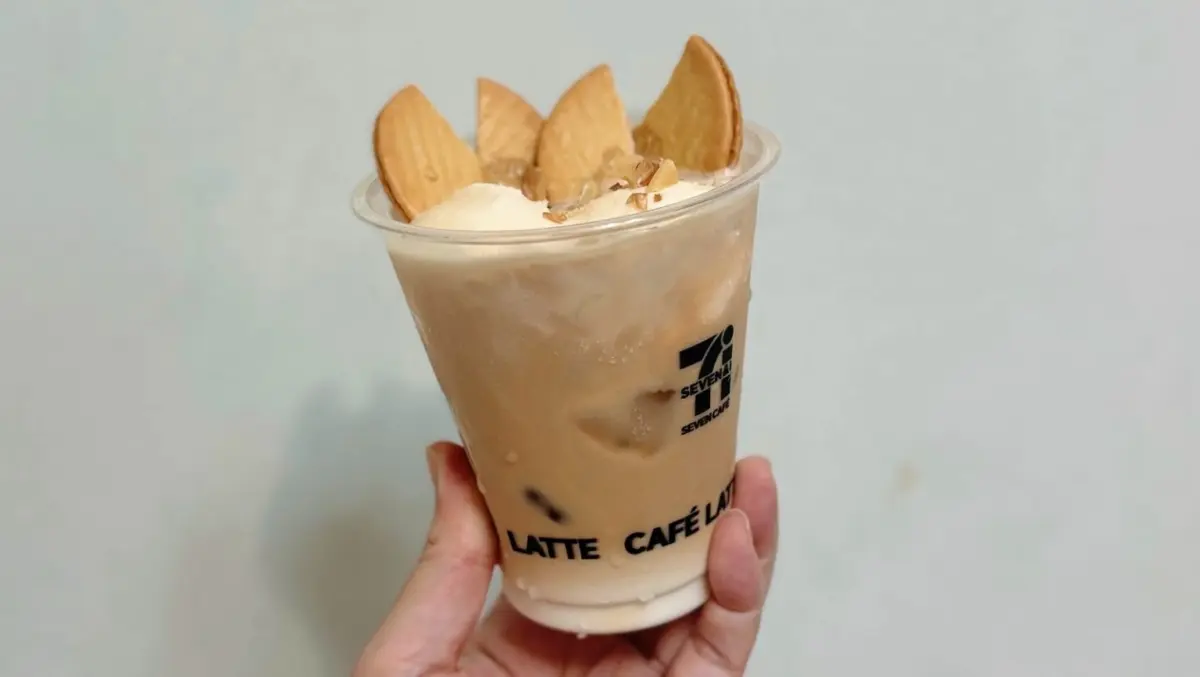
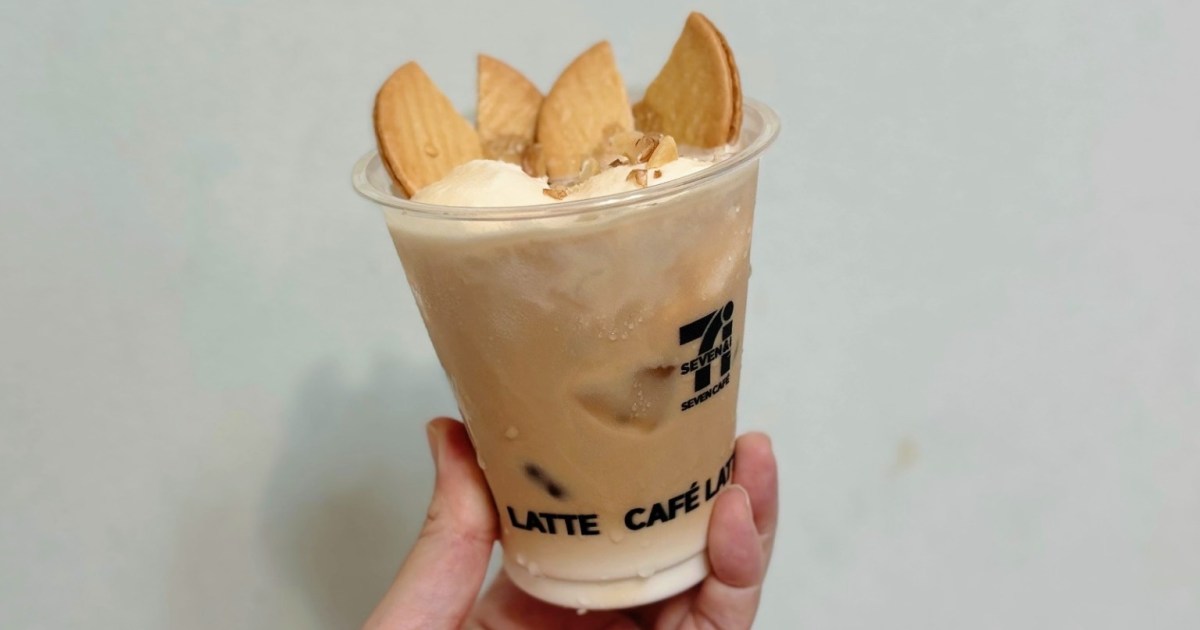
However, a recent phenomenon shared across the chain’s official social media channels has elevated the standard konbini experience from a utilitarian caffeine fix to a gourmet, customizable culinary art form. By leveraging a simple yet ingenious combination of everyday convenience store items—specifically, an iced café latte crowned with vanilla ice cream, mixed nuts, and salted caramel sandwich cookies—7-Eleven has inadvertently sparked a viral food trend.
This report examines the mechanics, sensory profile, economic viability, and broader cultural implications of this viral coffee hack. By bridging the gap between accessible grab-and-go retail and high-end dessert beverages, 7-Eleven Japan is redefining the boundaries of consumer-driven product customization. Furthermore, as the corporate entity continues to roll out complementary recipes—such as the Japanese-style Kuromitsu (brown sugar syrup) latte—this trend points toward a future where convenience store aisles double as personalized, artisanal coffee bars.
Detailed Chronology
The Catalyst: Digital Dissemination and Social Media Virality
The transformation of the standard 7-Eleven iced latte began in the digital sphere. In mid-September 2026, the official 7-Eleven Japan social media accounts—most notably via X (formerly Twitter)—published a short, highly digestible promotional post detailing a method to convert their standard iced café latte into a decadent "Salted Caramel Nut Latte."
Unlike traditional corporate advertising, which typically relies on finished, professionally styled studio photography of proprietary menu items, this campaign relied on DIY transparency. The post illustrated how readily available pantry staples and frozen treats within the same store could be combined to construct a high-end specialty beverage. The instructions were deceptively simple, requiring no specialized barista training, proprietary syrups, or industrial kitchen equipment.
Within hours of the post going live, food bloggers, lifestyle influencers, and curious consumers rushed to their nearest neighborhood 7-Eleven branches. The accessibility of the ingredients transformed a corporate social media prompt into an organic, user-generated content wave, with thousands of consumers documenting their own iterations of the recipe across various digital platforms.
The Acquisition and Assembly Phase
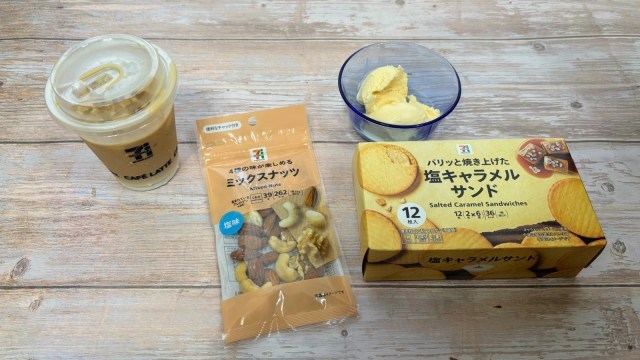
Intrigued by the rapid digital adoption of the trend, investigative food journalists and culinary reviewers moved to replicate the experiment firsthand. The execution of the hack requires a precise shopping list consisting of four core components, all sourced directly from standard 7-Eleven inventory:
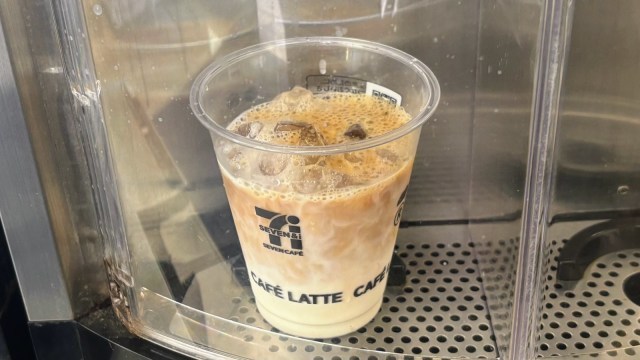
- The Base: A self-serve Iced Café Latte, drawn fresh from the store’s automated espresso machine.
- The Creamy Catalyst: A standard container of rich Vanilla Ice Cream.
- The Crunch: A packet of Mixed Nuts, chosen for their roasted flavor profile and contrasting texture.
- The Flavor Anchor: Salted Caramel Sandwich Cookies, designed to impart both structural integrity and complex flavor notes upon submersion.
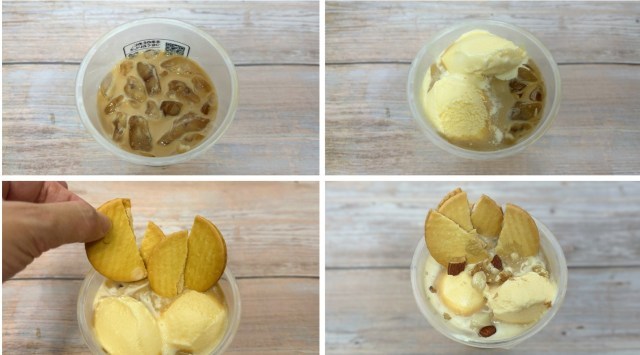
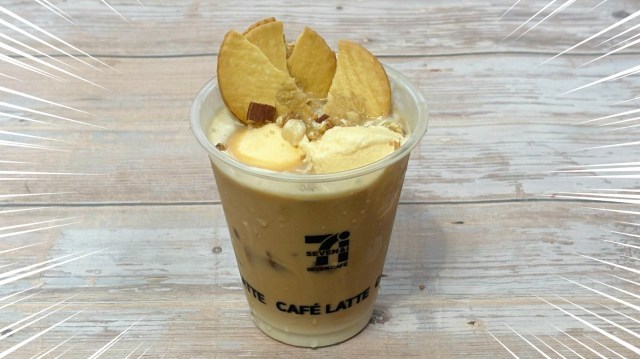
The assembly process mimics the workflow of a high-end dessert bar. First, two generous spoonfuls of vanilla ice cream are carefully positioned atop the chilled milk and espresso base. Next, a couple of salted caramel sandwich cookies are fractured and arranged artfully around the perimeter of the ice cream. Finally, a coarse dusting of mixed nuts is sprinkled across the entire summit, sealing the visual presentation.
Sensory Evaluation and Consumption Dynamics
Upon initial inspection, the finished beverage bears little resemblance to a standard convenience store coffee; visually, it evokes the artisanal creations found in specialty metropolitan coffeehouses. However, the true test of the hack lies in its multi-layered sensory experience during consumption.
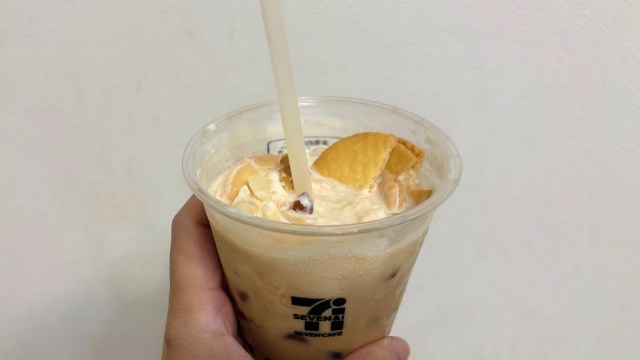
- The Initial Sips: Inserting a straw through the crown of toppings yields the familiar, comforting profile of 7-Eleven’s baseline milky iced coffee—smooth, clean, and balanced.
- The Melting Phase: As the consumer continues drinking, the thermal gradient begins to take effect. The vanilla ice cream slowly melts into the liquid matrix, infusing the coffee with a velvety, rich creaminess that softens the bolder edges of the espresso.
- The Flavor Infusion: The submerged salted caramel sandwich cookies undergo a structural breakdown, releasing notes of bitter, caramelized sugar balanced by subtle, sharp hits of sea salt.
- The Textural Interlude: Transitioning from a straw to a spoon reveals a secondary dimension of the treat. Scooping up the coffee-tinged ice cream alongside the crushed mixed nuts delivers a contrasting crunch, introducing a roasted, savory element that cuts through the sweetness of the dairy and sugar.
Ultimately, the beverage blurs the line between a beverage and a confection, successfully redefining what a convenience store drink can deliver in terms of culinary satisfaction.
Supporting Context & Metrics
The Economics of the Konbini Hack
While high-end coffeehouse chains routinely charge upwards of 700 to 900 yen for specialty dessert lattes featuring comparable flavor profiles, 7-Eleven’s DIY approach offers a fascinating study in retail economics.
The initial out-of-pocket expenditure required to assemble the complete kit—purchasing full packages of cookies, a tub of ice cream, a bag of nuts, and the latte itself—totals approximately 1,000 yen (roughly US$6.60), with the base iced latte accounting for 270 yen of that total. However, a critical economic metric of this hack is its high yield: the initial purchase leaves the consumer with a substantial surplus of cookies and nuts.
Consequently, the marginal cost for subsequent iterations of the Salted Caramel Nut Latte drops precipitously. Once the bulk ingredients are secured, future cups require only the purchase of a fresh 270-yen iced latte and small amounts of the remaining pantry items. This high cost-efficiency model appeals directly to cost-conscious consumers seeking affordable luxuries during times of economic tightening.
The Konbini Landscape in Japan
To fully understand the weight of this trend, one must contextualize the unique role of the konbini in Japanese society. Convenience stores in Japan are far more than quick stops for emergency groceries; they are pillars of daily urban life, offering high-grade bento boxes, fresh pastries, postal services, bill-payment infrastructure, and, crucially, high-caliber fresh coffee.
7-Eleven Japan’s "Seven Café" initiative, launched over a decade ago, revolutionized the market by introducing freshly ground, drip and espresso-based coffees brewed to order via advanced automated machinery. By maintaining strict quality control over milk sourcing and bean roasting, 7-Eleven established a baseline of quality that often rivals dedicated cafes. This high baseline is precisely what makes the current wave of customization successful; consumers trust the structural integrity of the base coffee enough to experiment with radical flavor additions.
Official Statements and Corporate Strategy
While 7-Eleven Japan has not formally restructured its permanent corporate menu to include the Salted Caramel Nut Latte as a standardized, pre-packaged item, the company’s digital marketing strategy signals a clear shift toward embracing interactive, consumer-led innovation.
By actively publishing recipes and "hacks" on official corporate channels, 7-Eleven is transforming its social media presence from a static broadcast tool into an interactive recipe book. Industry analysts note that this strategy drives cross-category purchasing within the store. When a customer enters a branch to build a viral latte, they are inherently incentivized to purchase items from the frozen dessert aisle, the snack aisle, and the beverage station simultaneously.
Furthermore, the corporation’s subsequent release of alternative recipes—such as the Japanese-style Kuromitsu (brown sugar syrup) Latte—demonstrates a calculated effort to sustain consumer engagement. By introducing traditional Japanese flavor profiles alongside Western-style dessert combinations, 7-Eleven is catering to a dual demographic of adventurous youth and nostalgic traditionalists.
Future Outlook
The viral success of the 7-Eleven Salted Caramel Nut Latte points toward several emerging trends in retail gastronomy and consumer behavior:
- The Rise of "Co-Creation" Retail: Modern consumers, particularly younger demographics, increasingly reject passive consumption in favor of active participation. Providing modular ingredients rather than finished products allows brands to foster a deeper sense of personal investment and creativity among their customer base.
- Cross-Merchandising Innovation: Retailers are likely to take note of how effectively this campaign drove traffic across disparate store sections (frozen foods, dry snacks, and fresh beverages). Future convenience store layouts and promotional campaigns may increasingly design standalone product displays that encourage cross-category culinary experimentation.
- Menu Fusion and Hybridization: As demonstrated by the potential to fuse the salted caramel recipe with traditional Kuromitsu syrups, the boundary between traditional café beverages and traditional Japanese sweets is becoming increasingly porous. We can anticipate further cross-cultural flavor experiments in the Japanese retail market.
In conclusion, what began as a clever social media post by a convenience store chain has evolved into a masterclass in modern retail engagement. By empowering consumers to act as their own baristas, 7-Eleven Japan has not only secured a momentary viral sensation but has also established a resilient blueprint for how retail brands can turn everyday convenience items into extraordinary culinary experiences.









Belum ada komentar. Jadilah yang pertama berkomentar!