

Executive Overview
In the sprawling, billion-dollar ecosystem of modern interactive entertainment, a rigid hierarchy of prestige has long persisted. At the apex sit the technical titans—the sprawling open-world role-playing games, the high-octane competitive shooters, and the cinematic masterclasses that demand cutting-edge hardware and hundreds of hours of tactical engagement. Farther down this unwritten ladder, often dismissed as low-effort casual distractions, lie hidden object games (HOGs). Historically marginalized by the "gamer cognoscenti" as unchallenging "proto-slop" intended strictly for non-gamers or casual audiences, the genre has long battled an underserved reputation of triviality.
However, a cultural and structural renaissance is quietly underway. A genre once relegated to budget digital bargain bins and stereotyped as background noise is experiencing a profound critical reassessment. Modern developers are stripping away tedious tropes, innovating with three-dimensional mechanics, blending the genre with first-person shooters, and leaning into the meditative, psychological benefits of slow-paced interactivity. Far from being a relic of casual gaming past, the hidden object genre represents a remarkably resilient, structurally diverse pillar of modern video games. This report investigates the cultural baggage, evolving mechanics, and standout titles proving that it is high time to drop the shame and afford hidden object games the professional respect they have long deserved.
Detailed Chronology: From Budget Software to Digital Renaissance
To understand how the hidden object genre arrived at its current crossroads of innovation and artistic appreciation, one must examine its historical trajectory—a timeline defined by shifting platforms, evolving audience expectations, and a quiet technological evolution.

The Shareware and CD-ROM Era (Late 1990s–Early 2000s)
Long before Steam was curated by algorithms or mobile app stores existed, the early foundations of puzzle-based searching were laid in puzzle magazines, interactive CD-ROM encyclopedias, and point-and-click adventure games like Myst or The 7th Guest. While these early titles weren’t strictly "hidden object games" in the modern sense, they frequently required players to scan static pre-rendered backgrounds for minuscule items, keys, and clues to progress.
The Casual Pop-Cap and Big Fish Boom (Mid-2000s–2010s)
The true golden age of the traditional hidden object game began in the mid-2000s, spearheaded by publishers like Big Fish Games. This era birthed enduring franchises like Mystery Case Files. Characterized by cluttered, hand-drawn scenes layered with items that made no logical sense within the narrative context (such as finding a wrench and a rubber duck inside a Victorian parlor), these games became massive commercial hits. They found an audience primarily among demographics outside the traditional young male hardcore gaming demographic—often mothers, families, and casual players looking for low-stress mental stimulation.
It was also during this era that bizarre cultural crossovers emerged, such as 2009’s Find Your Own Way Home, an advergame tie-in for classic American rock band REO Speedwagon. Despite its promotional nature, it demonstrated that the core loop of hunting for items against a relaxing musical backdrop possessed a distinct, undemanding charm.

The Steam Era and Indie Deconstruction (Late 2010s–Present)
As digital storefronts like Steam democratized game development, independent creators seized upon the hidden object framework, stripping away the archaic hint-timers, microtransactions, and melodramatic ghost stories of the past. Developers began experimenting with hyper-focused themes, minimalist aesthetics, and mechanical cross-pollination. Today, modern HOGs range from ultra-cozy hand-drawn animal hunts to genre-bending mashups with first-person shooters and immersive walking simulators, proving that the genre’s foundational DNA is infinitely adaptable.
Supporting Context & Metrics: Challenging the Gaming Hegemony
Mainstream gaming discourse has historically been dominated by high-intensity, high-friction experiences. Industry revenues heavily skew toward massive multiplayer online titles, live-service battle royales, and reflex-heavy action games (Call of Duty, Dota 2, Grand Theft Auto). Within this framework, any game that lacks fail-states, high-speed inputs, or visceral combat is frequently marginalized as "not a real game."
The Psychology of "Turbo-Relaxo"
The cognitive appeal of modern hidden object games lies in their deliberate rejection of modern gaming’s high-stress loops. While titles like Elden Ring or Counter-Strike trigger adrenaline, cortisol, and intense cognitive load, quality hidden object titles are increasingly designed to induce a state of effortless focus—effectively functioning as interactive ASMR.
Metrics and user reviews across digital storefronts indicate a surging demand for "low-friction" entertainment. As players experience burnout from relentless daily live-service updates, daily quests, and competitive toxicity, titles offering zero timers, zero penalties, and wholesome aesthetic environments have carved out a fiercely loyal, rapidly expanding consumer base.
Curated Excellence: Modern Hidden Object Pioneers Worth Playing
For those looking to move past outdated prejudices, a new wave of titles demonstrates the genre’s current creative peak. The following selection highlights the diversity, ingenuity, and sheer artistic merit found within contemporary hidden object design.
+---------------------------+-----------------------------------+-----------------------------------------+
| Game Title                | Core Innovation                   | Vibe / Playstyle                        |
+---------------------------+-----------------------------------+-----------------------------------------+
| Find My Frogs / Branches  | Zero pressure, immersive audio    | Ultra-chill interactive ASMR            |
| I Commissioned Some Bees  | Zen focus, massive crowds of items| Micro-focused searching, often free     |
| Sniper Dan                | FPS mechanics applied to puzzles  | Wholesome problem-solving via rifle scope|
| Cat Me If You Can         | Full 3D environment exploration   | Spatial puzzle-solving & photography    |
| Morels: The Hunt 2        | Walking sim / survival hybrid     | Outdoor exploration & mushroom foraging |
| Mystery Case Files: MCF   | Narrative-driven classic mystery  | Spooky, traditional puzzle adventure    |
+---------------------------+-----------------------------------+-----------------------------------------+
1. Find My Frogs & Find My Frogs: Branches
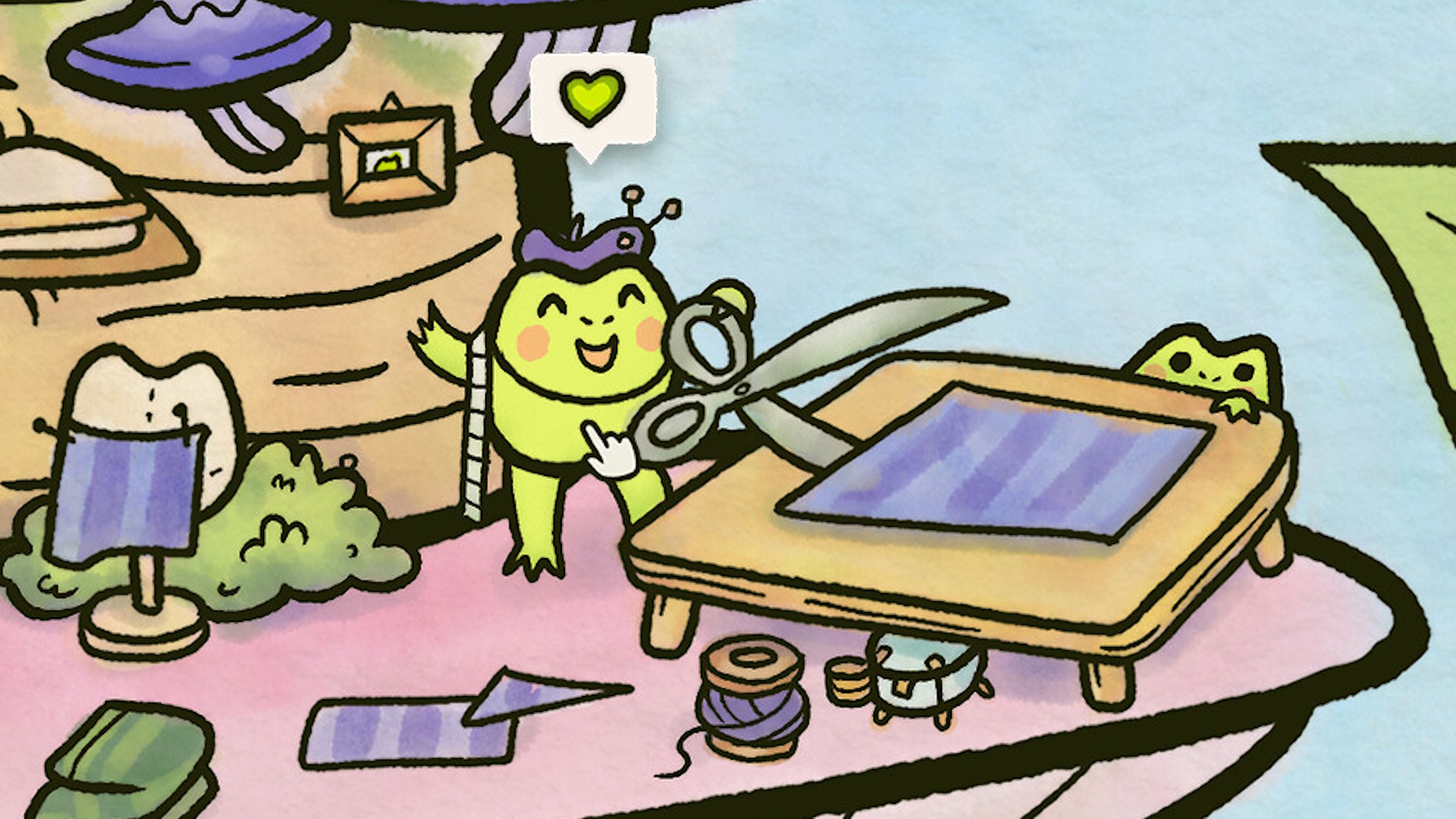
Developed with an ethos of pure tranquility, Find My Frogs and its sequel, Find My Frogs: Branches, represent the absolute pinnacle of cozy puzzle design. Featuring dynamic day-and-night cycles and rich, atmospheric ambient audio, these games strip away every stressor known to gaming: no timers, no click limits, and no penalties. Players simply search lush, wholesome environments for hidden amphibians. It functions essentially as interactive ASMR, offering a low-risk, high-comfort entry point for skeptics (complete with a free demo available on Steam).

2. The "I Commissioned Some…" Series
Spanning dozens of iterations featuring cats, dogs, mice, unicorns, and bees (such as I Commissioned Some Bees 0), this prolific series distills hidden object mechanics down to their purest essence. Players are presented with vast, intricately illustrated scenes packed with hundreds of tiny, cleverly disguised creatures. While less ambient than Find My Frogs, these games encourage a meditative state of hyper-focus where the surrounding world fades away, leaving only the hunt. Best of all, introductory titles in the series are often entirely free to play.
3. Sniper Dan
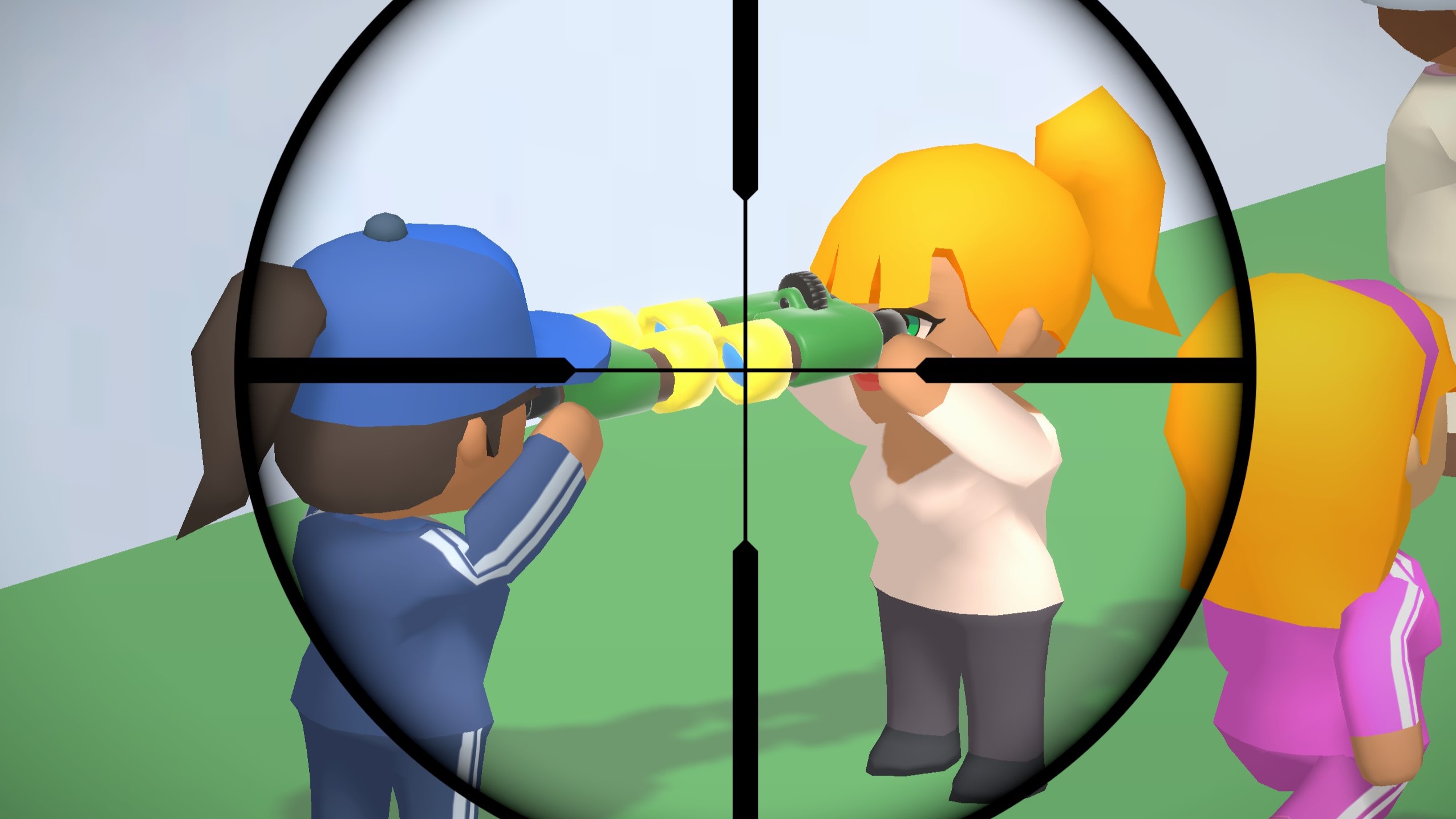
In one of the most mechanically inventive genre mashups in recent memory, Sniper Dan marries first-person shooter ergonomics with wholesome puzzle-solving. Rather than engaging in violent combat, players assume the role of the world’s most helpful sniper, utilizing a high-powered rifle scope to fix leaky outdoor taps, clear obstructive leaves from public parks, open stubborn suitcases, or plant distant flowers. It is a brilliant subversion of firearm-based mechanics that highlights how far creative designers have stretched the medium over the past two decades.
4. Cat Me If You Can
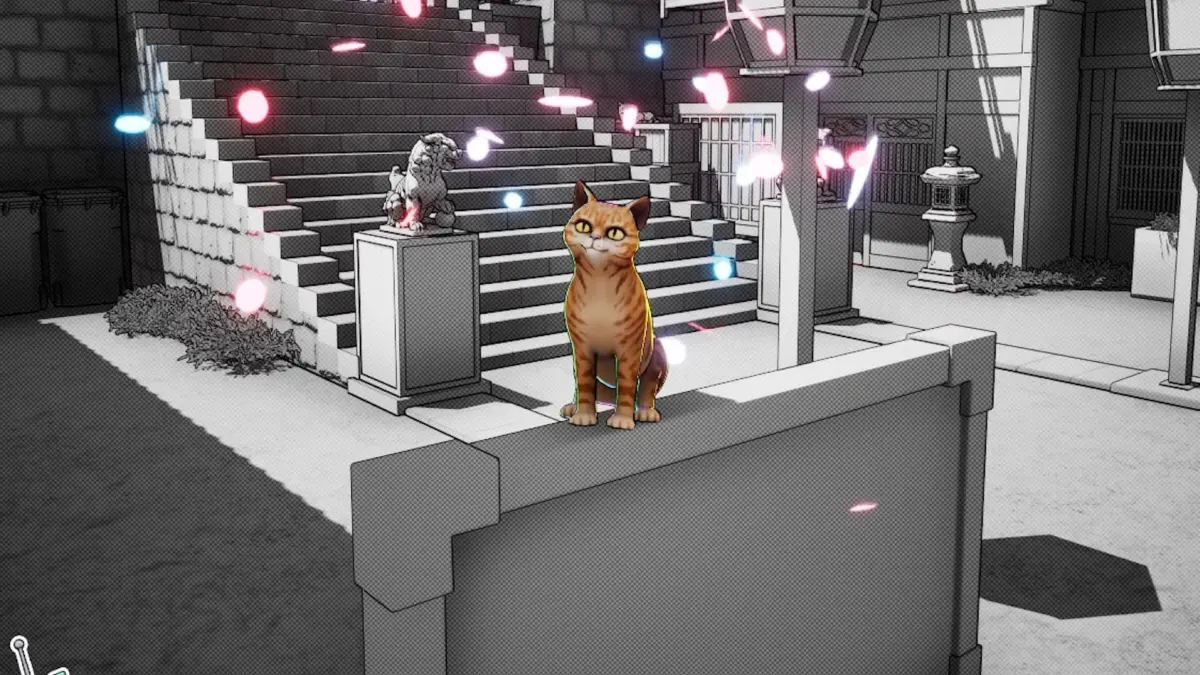
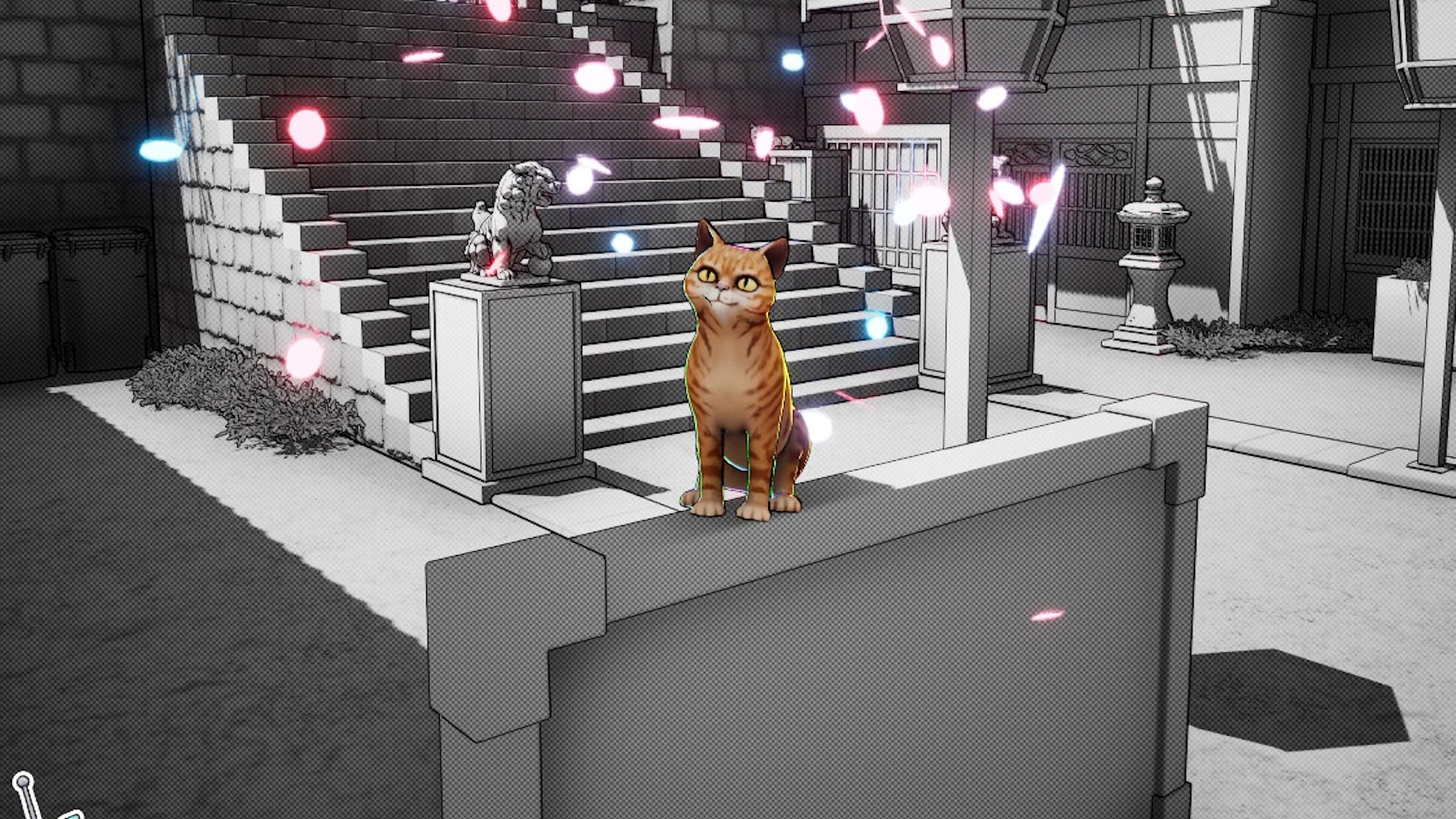
While traditional hidden object games rely on static 2D displays, Cat Me If You Can introduces a full three-dimensional perspective to the formula. Finding and photographing elusive felines requires players to physically navigate complex environments, inspecting spaces above, below, and behind objects. This spatial layer adds a delightful degree of depth, bridging the gap between traditional casual searching and modern 3D exploration games.
5. Morels: The Hunt 2
Though arguably leaning further into the territory of a walking simulator and outdoor survival adventure, Morels: The Hunt 2 captures the fundamental thrill of the hidden object loop: spotting and unearthing objects (in this case, exceedingly rare and tiny mushrooms) hidden amidst realistic wilderness terrain. Complete with environmental hazards like poison ivy, changing weather, and ticks, it demonstrates the surprising flexibility of observation-based gameplay.
6. Mystery Case Files: The 13th Skull (Collectors Edition)
For those willing to confront the genre’s historical roots head-on, the Mystery Case Files series remains the gold standard of classic adventure-puzzle hybrid design. The 13th Skull delivers a quintessential atmospheric tale of ghost stories, family curses, and enigmatic disappearances. It stands as a proud archetype of the style that once captivated millions, offering robust puzzle structures wrapped in spooky narrative packaging.
Future Outlook: A Mature, Inclusive Industry
The persistent stigma surrounding hidden object games is ultimately a symptom of a broader immaturity within gaming culture—one that equates complexity and violence with artistic validation while dismissing simplicity and relaxation as juvenile.
Yet, as the gaming demographic continues to broaden across age groups, cultural backgrounds, and psychological needs, the industry is slowly maturing. Developers are no longer shackled by the imperative to make every interactive experience a test of competitive reflex or cinematic trauma.
The hidden object genre has proven that it is not a monolithic relic of casual software, but a flexible, evolving medium capable of generating profound relaxation, sharp puzzle mechanics, and artistic joy. Whether you dive into the serene woodlands of Find My Frogs, scope out neighborhood chores in Sniper Dan, or explore three-dimensional spaces in search of stray cats, it is time to put the unwarranted shame aside. Hidden object games are legitimate, valuable works of interactive art—and it is high time we start treating them as such.








Belum ada komentar. Jadilah yang pertama berkomentar!