

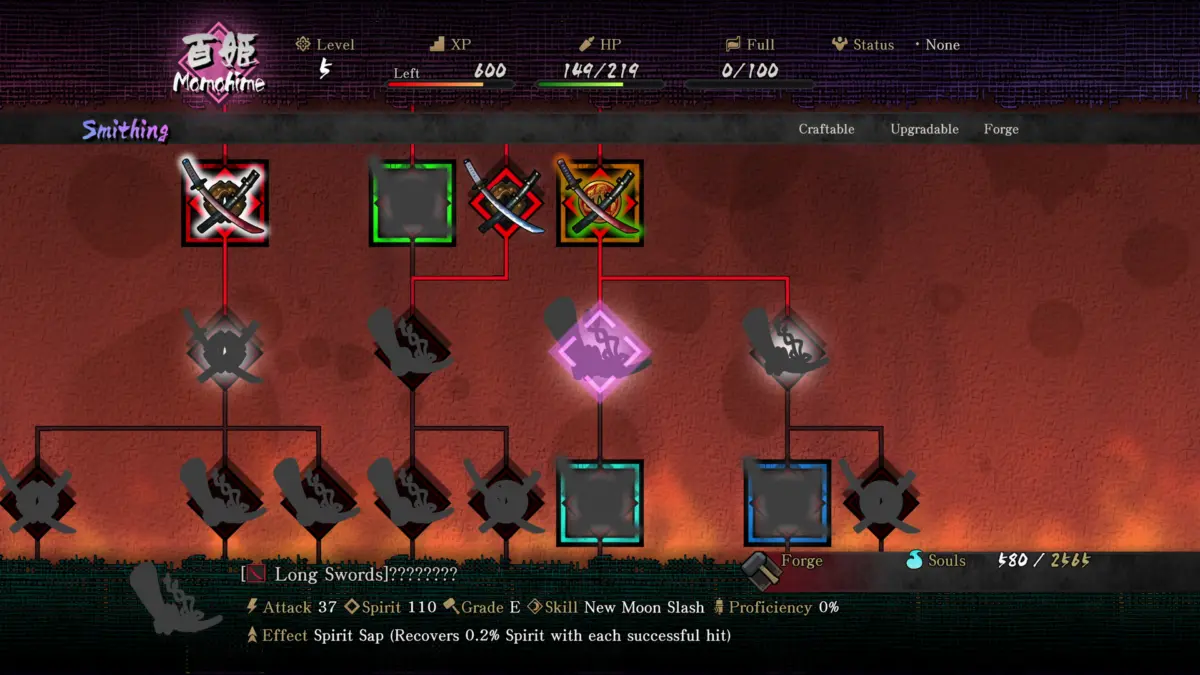
Seventeen years after its initial debut on the Nintendo Wii as Muramasa: The Demon Blade, Vanillaware’s legendary 2D action-RPG is finally breaking its platform shackles. Heading to PC and contemporary systems under the title Muramasa: Revenant Blades, this long-awaited release represents a monumental milestone for the developer. Known globally for visual masterworks like 2019’s 13 Sentinels: Aegis Rim and 2024’s tactical powerhouse Unicorn Overlord, Vanillaware has spent over a decade building a reputation for peerless artistic direction and mechanically dense gameplay. Yet, for all their critical acclaim, a PC port remained an elusive dream—until now.
Muramasa: Revenant Blades is not merely a straightforward port of a bygone era. Instead, it is a revitalized definitive edition that reworks core combat systems, revamps its sprawling progression trees, and meticulously hand-touches every single asset in high-definition glory. Set against the rich, dark backdrop of Japanese folklore, where history and mythology intertwine around the legendary and supposedly cursed swordsmith Muramasa, the game invites both returning veterans and a brand-new generation of players to experience its blade-shattering, soul-harvesting action.
This comprehensive deep-dive explores the historical weight of the Muramasa legend, the arduous process of bringing Vanillaware’s artistic vision to high-definition monitors and handhelds like the Steam Deck, and how an overhauled combat system breathes entirely new life into a 2D hack-and-slash classic.
Detailed Chronology: From the Wii to the Steam Deck
To fully appreciate the significance of Muramasa: Revenant Blades, one must understand the tumultuous journey the franchise has taken through gaming history.
2009: The Genesis on Nintendo Wii
When Muramasa: The Demon Blade launched in 2009 for the Nintendo Wii, it immediately captivated players with its breathtaking, hand-drawn 2D aesthetic. Developed by Vanillaware and published by Ignition Entertainment in North America, the game stood out in an era increasingly dominated by standard-definition 3D titles and motion-control novelties. Despite its critical praise for fluid action and gorgeous backdrops inspired by traditional Japanese art, the game was trapped by the hardware limitations and platform identity of the Wii, missing out on the burgeoning HD console boom.

2013: The PlayStation Vita Renaissance
Four years later, Vanillaware breathed new life into the property with a 2013 re-release on the PlayStation Vita titled Muramasa Rebirth. This iteration was more than a mere port; it introduced a suite of downloadable content (DLC) characters—each with unique mechanics, distinct narrative arcs, and separate perspectives on the unfolding tragedy—expanding the game’s scope and cementing its status as a cult classic among handheld enthusiasts. However, once the PlayStation Vita was officially discontinued, the game was once again stranded on legacy hardware, growing increasingly inaccessible to modern players.
2026: The PC Breakthrough
Now, seventeen years after its original Wii debut, Muramasa: Revenant Blades shatters the final barrier by arriving on PC. For Vanillaware, a studio historically hesitant to target PC platforms, this release acts as a litmus test. Director Wataru Nakanishi and his team faced daunting technical hurdles to realize this version, not least of which involved digging through historical archives of game assets, recovering lost source files, and tasking artists with individually hand-touching and recreating elements to meet modern HD standards. The result is a vibrant, color-saturated masterpiece that bridges nearly two decades of gaming evolution.
Supporting Context & Metrics: History, Mechanics, and Myth
The thematic foundation of Muramasa draws heavily from real-world Japanese history and centuries of folklore surrounding the master swordsmith Muramasa Sengo, who lived during the Muromachi period.
The Legend of the Cursed Blades
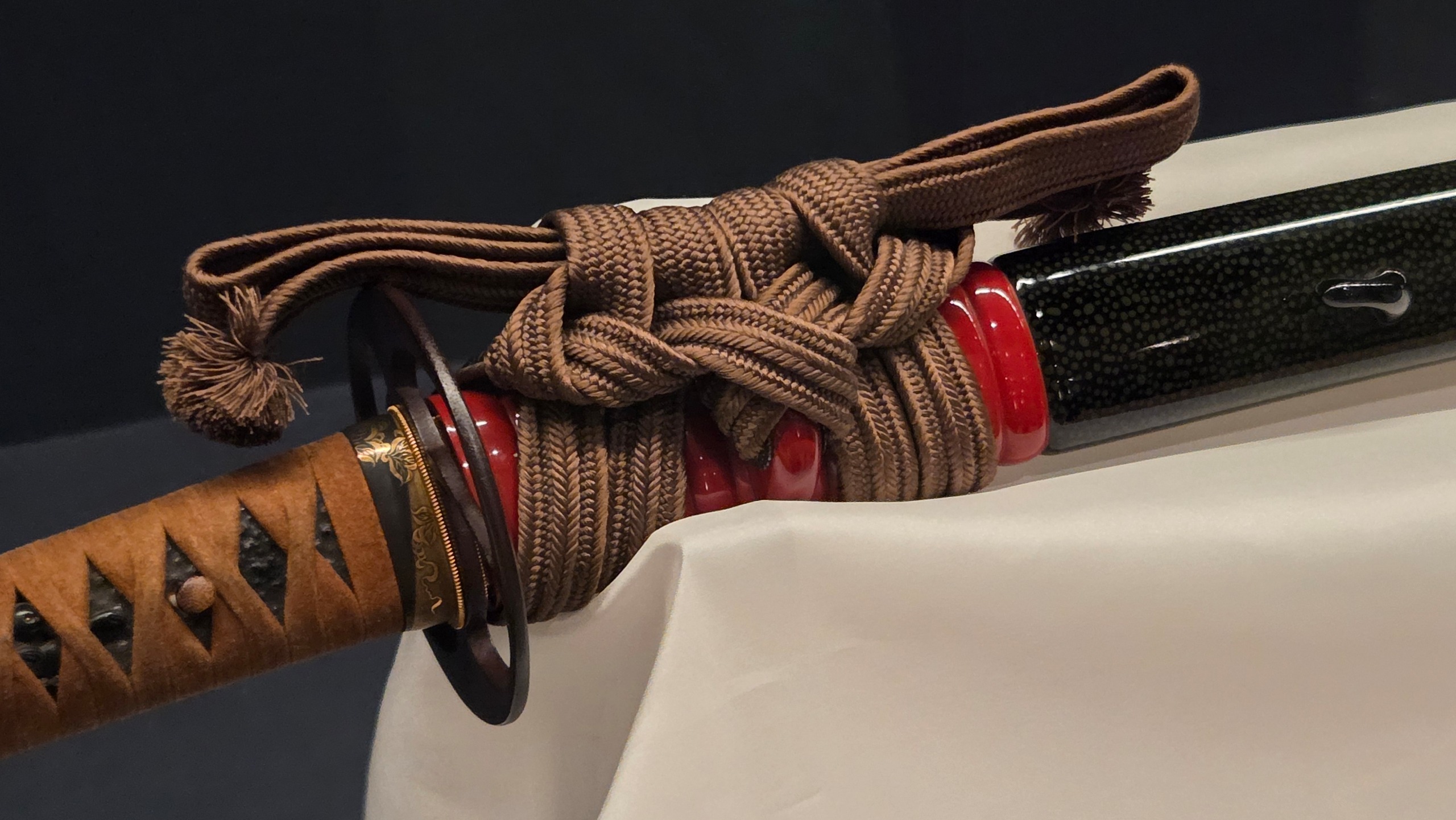
In Japanese cultural history, Muramasa and his school of swordsmiths were renowned for crafting blades of terrifying sharpness and cutting power. However, dark legends soon enveloped their legacy. During the Edo period, the Tokugawa shogunate—particularly the founder Tokugawa Ieyasu—suffered a series of family tragedies involving Muramasa blades, leading to rumors that the swords were "bloodthirsty" and cursed, supposedly driving their wielders to violence or misfortune. Consequently, Ieyasu ordered many Muramasa blades confiscated or banned, effectively scrubbing their presence from official royal collections. Today, while historical museums showcase countless masterpieces, authentic Muramasa swords remain striking absences in many mainstream state exhibitions due to this enduring stigma.
Vanillaware embraces this dark mythology head-on. In Revenant Blades, Muramasa is not an absent historical footnote; he is an active, vital narrative character who forges unimaginably powerful weapons for the protagonists. In exchange, the heroes must collect wandering souls for him, forging a cooperative relationship rooted in dark, transactional bargains.

Overhauling the Arsenal: 108 Blades and a New Combat Matrix
The core identity of Muramasa rests in its staggering armory: exactly 108 unique swords to craft, collect, and master. In the original 2009 release, each sword was tied to a single, locked special skill. This design quirk inadvertently funneled players toward utilizing only the most powerful late-game blades, restricting tactical variety.
Revenant Blades radically reshapes this dynamic by decoupling skills from specific swords. Players can now equip three ground-based abilities and three aerial abilities across a trio of active katanas, mixing and matching offensive and defensive maneuvers at will. Director Wataru Nakanishi highlighted this paradigm shift during development previews:
"Using the skills Celestial Slash and Flame Barrage, you can knock people into the air with fire, then jump up and use the aerial skill to knock them back to the ground. That kind of combination wasn’t really something you could do with the more limited skill system."
Furthermore, the game’s survival mechanics demand active tactical awareness. Defensive play is heavily penalized; blocking too many incoming strikes will wear down a sword’s durability until it snaps, leaving the protagonist vulnerable to swift execution. Players must master fluid combos, seamlessly cycling between their three active blades to prevent breakage, chaining launcher skills into devastating aerial juggles, and adapting on the fly to aggressively streaming hordes of enemies.
Official Statements & Development Insights
Bringing a classic 2D action game into the modern era required immense dedication from the team at Vanillaware. Speaking candidly about the technical and artistic hurdles of the HD remaster, Director Wataru Nakanishi emphasized the painstaking nature of the project:
"It was a lot of work, and it was very difficult. We had some of the assets, but not others. For those we had to pull them from the game, and then artists individually by hand had to touch them up and recreate them to make something appropriate for the HD release. But you know, through that arduous hand-drawn process, we were able to create this warm and colorful art that we think people will be happy to see."
Addressing the studio’s historical absence from the PC ecosystem, Nakanishi noted that while Revenant Blades serves as a major experiment for the studio, future multiplatform initiatives hinge heavily on the community’s response:
"We currently don’t have any specific plans of that nature, but we would love to see Muramasa be successful enough that people start to ask about that kind of thing."
Future Outlook: A New Dawn for Vanillaware on PC
As Muramasa: Revenant Blades prepares for its launch, the gaming landscape looks vastly different than it did in 2009 or 2013. The rise of high-performance portable gaming PCs—most notably the Steam Deck OLED—presents a match made in heaven for Vanillaware’s artistic style. The game’s vibrant, painterly backgrounds and razor-sharp sprite work pop with breathtaking clarity on modern OLED screens, turning every frantic skirmish against ninja clans or venomous wildlife into a moving canvas.
Beyond its visual splendor, the structural updates introduced in Revenant Blades—such as fixed-level area scaling that rewards exploration while punishing reckless pathing, alongside the inclusion of all historical DLC characters—transform the title into a deceptively deep, meaty experience.

If Muramasa: Revenant Blades achieves the commercial and critical success it warrants on PC, it may permanently dispel the studio’s hesitance toward platform expansion. For fans of classic action-RPGs, Japanese folklore, and peerless hand-drawn animation, the return of the cursed smith’s blades is not just a nostalgic victory—it is a modern triumph worth celebrating.









Belum ada komentar. Jadilah yang pertama berkomentar!