


Executive Overview
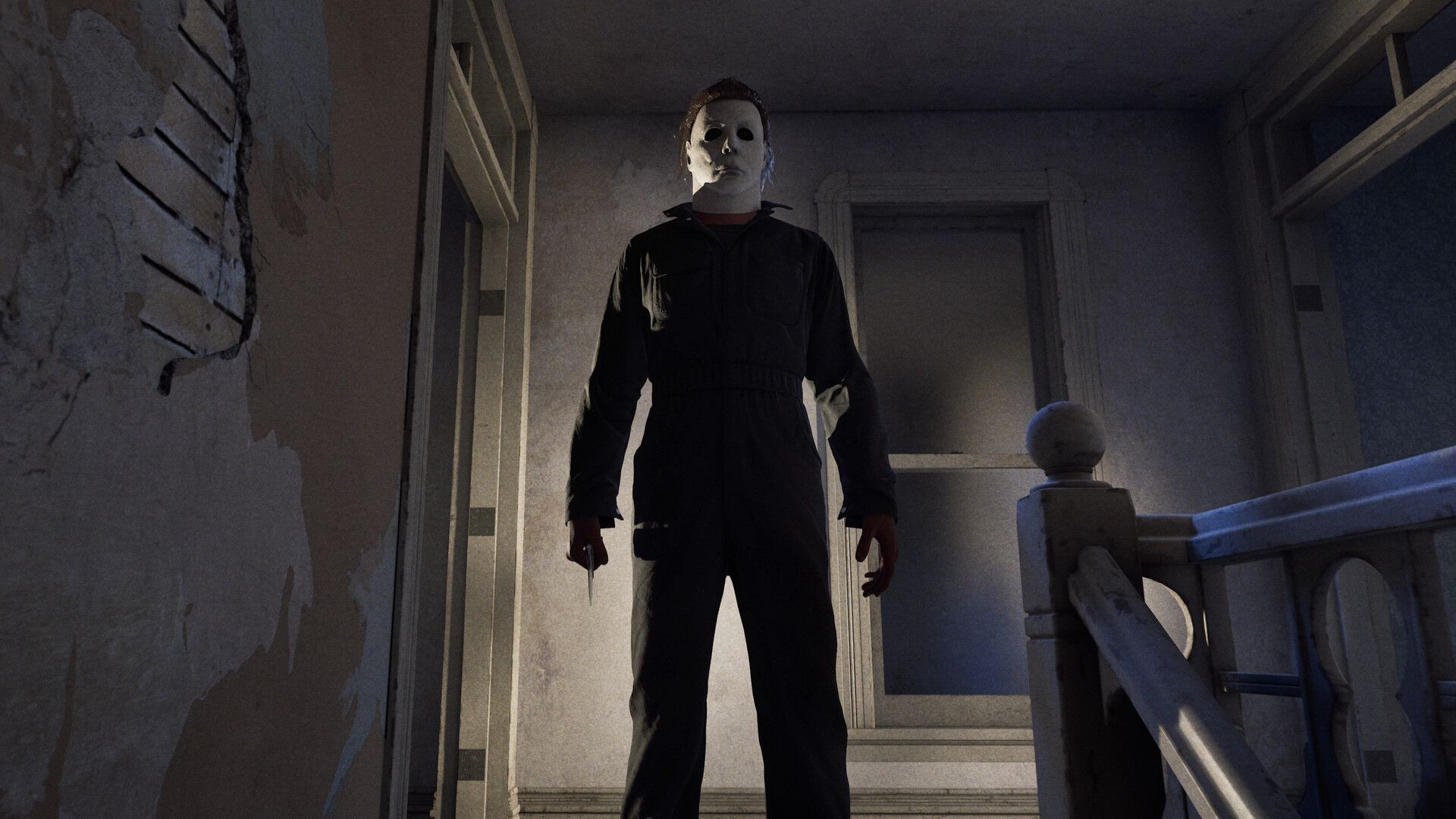
The intersection of video game mechanics, creative freedom, and strict regional regulatory frameworks has once again resulted in a high-profile industry casualty. Halloween: The Game, the eagerly anticipated asymmetric multiplayer horror title from developer Illfonic—the studio renowned for its work on Friday the 13th: The Game and Predator: Hunting Grounds—has been officially blocked from release in Australia and New Zealand.
Slated for a September 9 launch, the game enables one player to step into the boots of the iconic, silent cinematic slasher Michael Myers, while remaining participants take on the roles of vulnerable survivors trying to evade a grisly fate. However, the title’s anticipated debut Down Under hit a brick wall when the Australian Classification Board reportedly denied the game a retail rating.
Rather than falling victim to the typical controversies associated with the franchise—such as intense gore, brutal execution animations, or psychological terror—the denial centers on a surprisingly mundane, yet strictly regulated, in-game feature: the inclusion of a functional controlled substance. Specifically, reports indicate that survivors can consume cannabis within the game to gain a tactical advantage, such as tracking the killer’s movements across the map. Under current Australian classification guidelines, depicting illicit drug use as an incentive, reward, or gameplay mechanic crosses a hard legal line, automatically disqualifying the title from receiving an R18+ rating and resulting in a total ban.
This incident highlights the ongoing friction between global game development standards and localized censorship laws, joining a historic catalog of gaming controversies that have forced studios to choose between artistic compromise and market abandonment.
Detailed Chronology: How Halloween: The Game Hit a Regulatory Dead End
The path toward the banning of Halloween: The Game in Oceania developed quietly over several months, moving from subtle previews to abrupt regulatory enforcement.
March: The Mechanics Come to Light
The seeds of the controversy were planted months prior to launch. During a promotional breakdown of gameplay systems, horror influencer network Slash ‘N Cast—later highlighted in reports by Bloody Disgusting—revealed a nuanced survival mechanic within the game. In Halloween: The Game, survival is not merely about hiding and running; it incorporates environmental interactions, including the ability for survivor characters to smoke cannabis.
Crucially, this was not framed as a passive aesthetic choice or a cosmetic cutscene. Instead, the mechanic offered a direct, tangible gameplay benefit: consuming the substance temporarily granted players the ability to spot Michael Myers’ location "pings" across the map. While designed to add tactical depth and atmospheric tension to the asymmetric survival loop, this gameplay utility directly triggered alarms within regulatory frameworks regarding the normalization and incentivization of illicit substance use.
July: Mixed Signals from the Board
As the release window drew closer, the game’s pre-order promotional material underwent standard regulatory checks. Curiously, the Halloween Pre-Order Content successfully secured an automated R18+ rating from the Australian Classification Board in July, leading some observers to believe the title would clear customs without major hurdles. However, pre-order bundles often evaluate promotional add-ons or promotional teasers in isolation, rather than assessing the holistic interactive loop of the complete software package.
Late August: The Official Announcement
The reality of the situation became public when Illfonic took to social media to break the news to its international fan base. Via an official post on its dedicated X (formerly Twitter) account, the developer confirmed the worst-case scenario:
"Despite every effort on our part, the Australian Classifications Board has denied Halloween: The Game a rating. The denial was not based on the presence of the iconic slasher, Michael Myers, or the outstanding kills that can be performed in the game, but rather the presence of a controlled substance. Unfortunately, to our disappointment (and certainly yours) this means that we cannot sell the physical or digital product in both Australia and New Zealand."
The Immediate Fallout: Retailers Pull the Plug
Following the announcement, the commercial landscape for the game in the region vanished overnight. Major Australian physical and digital retailers—including EB Games and JB Hi-Fi—swiftly scrubbed all listings for the title from their databases. Concurrently, the dedicated landing page on the PlayStation Store became completely inaccessible to users with regional accounts registered in Australia and New Zealand. As of writing, the title’s Steam page remains visible, though local industry analysts consider it a temporary administrative lag before Valve complies with regional laws.
Supporting Context & Metrics: Australia’s Strict Censorship History
To understand why a fictional, consumable herb can completely derail a multi-platform horror release, one must examine the rigorous and historically stringent nature of Australia’s media classification system.
The Evolution of the R18+ Rating for Games
For decades, Australia was famously known as one of the few Western nations without an R18+ classification tier for video games, meaning titles deemed too mature for players under 15 were automatically refused classification (RC) and effectively banned. While persistent lobbying from developers, consumers, and industry bodies finally forced the introduction of the R18+ games category in 2013, the guidelines governing it remained exceptionally rigid.
According to the Classification (Publications, Films and Computer Games) Act 1995, the National Classification Code, and the updated Guidelines for the Classification of Computer Games 2023, media content is judged not just on its violence or sexual themes, but heavily on how it treats illegal behaviors.
The "Incentive or Reward" Doctrine
The core legal hurdle for Halloween: The Game lies in a specific clause regarding illicit drugs. While Australian guidelines do permit the depiction of drug use—provided it is handled in a historical, educational, or purely narrative context without glorification—the rules draw a hard line at functional mechanics:
- Pass Criteria: Depicting substance use as a background element, narrative trope, or character trait without positive reinforcement.
- Fail Criteria: Associating illicit substances with gameplay advantages, incentives, or rewards that encourage or assist the player in achieving victory.
By designing the cannabis mechanic as a tool that gives players a tactical radar advantage against Michael Myers, Illfonic inadvertently stepped over the line from "depicting substance use" to "rewarding drug consumption." In the eyes of the board, this violates the statutory mandate that games must not encourage or promote the use of controlled substances.
A Legacy of Banned and Altered Titles
Halloween: The Game is far from the first high-profile title to run afoul of these specific regulations. Over the years, the Australian classification regime has forced publishers into difficult commercial corners:
- The Hotline Miami 2 Precedent: Devolver Digital’s neon-drenched sequel, Hotline Miami 2: Wrong Number, was famously refused classification due to a simulated sexual assault scene. Rather than censor the game, the developers stood their ground, leaving the game permanently unavailable for legal purchase on Australian storefronts.
- The Fallout 3 Compromise: Conversely, Bethesda Softworks opted to alter its software. Ahead of Fallout 3’s release, the board flagged the inclusion of real-world pharmaceuticals like Morphine. To secure a classification, Bethesda renamed the fictionalized painkiller to "Med-X" and altered its chemical properties in the Australian build.
- The Disco Elysium Adjustment: Even narrative masterpieces have faced scrutiny; titles featuring substance abuse storylines frequently require careful narrative framing to avoid triggering regulatory blocks.
Official Statements and Industry Response
The regulatory framework governing interactive entertainment in Australia operates under strict statutory parameters. When pressed for clarification regarding the Halloween: The Game ruling, a spokesperson for the Australian Classification Board issued an authoritative statement outlining the legal basis for such decisions:
"The Classification Board has not yet published a formal statutory decision in relation to Halloween the Game. When making decisions, the Board, approved classification tools or accredited classifiers apply the Classification (Publications, Films and Computer Games) Act 1995, the National Classification Code and the Guidelines for the Classification of Computer Games 2023.
Games containing illicit drug use related to incentives or rewards cannot be accommodated within the R18+ classification category and must be Refused Classification under the Guidelines."
The statement reinforces that the board’s hands are tied by legislative mandates rather than arbitrary moral panic. If a game’s code associates a banned substance with a gameplay buff, the classification system provides zero legal discretion for an R18+ pass—it is an all-or-nothing binary outcome.
Meanwhile, Illfonic has expressed deep frustration over the ruling, noting that considerable effort was poured into bringing the asymmetric horror experience to fans across the globe. As of now, the studio has not formally announced whether it will initiate a regional patch or code overhaul to remove or replace the offending asset for the Australian and New Zealand markets.
Future Outlook: Will Illfonic Pivot or Abandon the Region?
As the September 9 release date rapidly approaches, the immediate future for Halloween: The Game in Oceania hangs in the balance. The studio faces a classic industry dilemma: conform or abandon.
Option A: The Code Rewrite
To secure a legal release in Australia and New Zealand, Illfonic could develop a regionalized build of the game. This would require replacing the marijuana asset with a legally compliant alternative—perhaps an energy drink, a herbal tea, or a generic adrenaline booster that serves the exact same gameplay function (revealing killer pings) without triggering the controlled substance clauses of the 2023 guidelines.
While technically feasible, studio resources must be weighed against projected regional sales. For smaller or mid-tier publishers, maintaining separate regional builds introduces logistical hurdles, patch synchronization issues, and additional quality assurance overhead.
Option B: Writing Off the Market
Alternatively, Illfonic may choose to follow the path of Devolver Digital with Hotline Miami 2, accepting the market shutout. Given the global scale of digital distribution on platforms like Steam, console players in Australia and New Zealand would be left entirely locked out, while PC players might potentially seek out workarounds—though doing so would violate regional terms of service.
The Broader Lesson for Asymmetric Horror
The situation surrounding Halloween: The Game serves as a stark reminder to developers of multiplayer horror titles. As games increasingly lean into complex survival mechanics, sandbox interactions, and immersive roleplay elements, creators must navigate a patchwork of international legal hurdles long before launch day.
For fans of Michael Myers in Sydney, Melbourne, Auckland, and beyond, the nightmare is not dodging the iconic slasher in the shadows—it is waiting to see if regulatory bureaucracy will ever let them play the game at all.





Belum ada komentar. Jadilah yang pertama berkomentar!